
Seeds of Success
INGREDIENTS

With Halloween recently passed, I was reminded of one of my favorite childhood memories: that would be the disemboweling of a pumpkin (soon to be a jack o’lantern for our porch) and roasting the seeds for a special once-a-year treat that always seemed tastier than any pumpkin seeds you could buy in the store. (I’m sure a lot of people also share that memory … at least those that bought a real pumpkin and not those plastic ones.) And, of course, pumpkin seeds were a good source of protein, magnesium, vitamin E, and other nutrients, but as a kid I wasn’t really aware of that. The smell of the seeds cooking, the taste of them in a little butter, and naturally the subsequent carving of the pumpkin were the thoughts on my mind.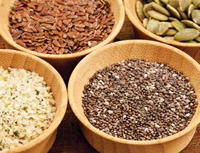
They say that good things come in small packages. Edible seeds might just be a perfect example of that. Among their virtues, they provide polyunsaturated fats and other valuable nutrients; a crunchy texture; an enhanced appearance; and a mild, pleasant, and somewhat nutty taste. Because of their properties, they can frequently replace other ingredients used as inclusions or toppings. Or they may find a role in special diets ranging from gluten-free to diabetic-friendly regimens. And as they are very versatile, they have the potential to be incorporated into formulations ranging from baked goods to coatings for meats, poultry, and fish.
While nuts and legumes often get the spotlight, sometimes edible seeds seem to get overlooked, however—even though they have a rich, colorful history that promotes their healthful benefits. When we think about seeds, some may share in my Halloween memory. Or perhaps remember the story of Johnny Appleseed. Or imagine a baseball player spitting out a seed hull from the dugout. Or recall seeing a package of seeds as a snack food near the cashier of a convenience store. Or we may even know of a bird aficionado using them to lure a favorite bird. But seeds go far beyond those recollections, evolving into new uses and stimulating opportunities for the food developer. And hopefully some of the seeds discussed here will take root in the minds of our food designers.
Take pumpkin seed, for example. It’s also known as pepita—Spanish for “little seed of squash.” Pumpkin seeds—or pepitas—are a popular ingredient in Mexican cuisine, especially moles. And as McCormick & Co., Hunt Valley, Md. (phone 410-527-9753, www.mccormick.com), demonstrated in its Flavor Forecast 2009, pepitas can be combined with the aromatic Indian spice blend garam masala to create dishes such as pepita-crusted halibut with blood orange jicama chutney; a curry pumpkin soup with pepitas and pumpkin seed oil; a pepita pumpkin bread; and a panna cotta with garam masala syrup and pepita brittle. Pepitas can add texture and nuttiness to a variety of applications and pairing them with garam masala is effective in many formulations using pumpkin, lime, beets, beef, and even root beer.
The use of seeds has the potential to stimulate the snack market, taking it into different directions. For example, Brad’s Raw Foods created an interesting line of chips made with dehydrated vegetables and seeds that are said to provide a balanced, raw snack while still enticing the senses. Each chip contains complete proteins and fats from good sources, and is gluten-free. Brad’s Raw Sweet Potato Chips are a combination of sweet potatoes, carrots, sprouted buckwheat groats, flax seeds, a little maple syrup, and a dash of nutmeg, giving the chip a flavor reminiscent of a gingersnap cookie. Brad’s Raw Leafy Kale Chips are created using a combination of kale, ground cashews, sunflower seeds, nutritional yeast (to create a cheesy flavor), sea salt, and lemon juice.
This article will be looking at the evolving uses of several seeds, including chia, quinoa, flax, sesame (discussed in the blog post that begins on this page), sunflower, and hemp. The article will also cover some of the interesting ingredient innovations (and food products in the marketplace) that can be derived from these seeds as well as the reasons why are they are becoming increasingly popular in food formulating.
And this article may even plant a few new ideas regarding the use of these “seeds of success.”
--- PAGE BREAK ---
A Chia Comeback
In recent times, you may recall, a cultural icon known as the Chia Pet utilized these sprouted seeds to create hair-like projections on clay figurines. But 2,000 years ago, chia had a much different use: these tiny seeds were an essential source of energy for the Incan, Mayan, and Aztec cultures. (In fact, the word “chia” originated from the Mayan language and means roughly “strength.”) And although it may have taken awhile as it devolved from a warrior superfood to a spreadable mixture for Chia Pets (the latter obscuring many of the seed’s potential benefits in Bart Simpson’s “hair”)—chia is finally making a comeback on a global scale in the dietary supplement and food industries.
What are some of the reasons behind chia’s comeback? Part of it probably has to do with the renewed interest in ancient grains, in general, and how they can help reformulate traditional foods, making them better for you without compromising their taste or appearance. But this seed, by itself, also offers its own interesting range of benefits.
Belonging to the sage family, Chia seed (Salvia hispanica) grows natively in Mexico and Central America. The oval seeds, which have a diameter of approximately 1 mm, can be mottle-colored brown, gray, black, or white, and can be used in whole or ground forms. The use of chia can provide functionality properties such as a mild, slightly nutty taste that pairs well with a variety of flavors. Or as an inclusion, it can add a crunchy texture that can help transform a cookie formula or provide a topping to salads, oatmeal, soups, yogurt, and other products. When ground into a flour, chia can be incorporated into baked goods such as breads, cereals, and crackers (these foods, of course, can also be topped with whole chia seeds as well). Or chia can be used as a thickener in sauces.
However, as the ancient civilizations have demonstrated, it is the nutritional properties of chia that are largely responsible for its resurgence.
The seeds reportedly contain the highest levels of total omega-3 fatty acids of any plant source, and are rich with fiber, protein, antioxidants, vitamins, and minerals. They are also beneficial in creating foods for individuals with diabetes as they help control blood sugar levels, and they can promote satiety as they slow the breakdown of carbohydrates. Because of their permeable shell, chia seeds can be easily digested by the body, and they are easy to incorporate into a wide range of sweet and savory food applications, enhancing their nutritional value.
When chia seeds are soaked in liquids, the result is a gelatinous mixture, a nutritious “chia gel” with the seeds suspended throughout. (Chia seeds can swell to 12 times their weight in liquid within 10 minutes). The mucilaginous aspect of the seeds in a liquid could make for an alternative to eggs and some oils in various cooking recipes or salad dressings, or the seed can be used to create gelatinous foods such as porridges and puddings. Furthermore, chia seeds can be mixed with liquids to create sports drinks for athletes, with omega-3s addressing inflammation and protein helping with muscle recovery.
At its 2012 Innovation Roadshow, David Michael & Co., Inc., Philadelphia, Pa. (phone 215-632-3100, www.dmflavors.com), featured chia seeds in two applications—a mango-strawberry pudding and a vanilla-cinnamon milk alternative. A 4-oz serving of the gluten-free pudding is 130 calories, providing 2 g of fiber, 4 g of protein, 1.05 g of omega-3s, 0.37 g of omega-6s, and 15% of the daily value of calcium. An 8-oz serving of the allergen-free, gluten-free vanilla-cinnamon chia seed milk alternative contains 50 calories while providing 1.5 g of fat, 2 g of fiber, 1 g of protein, 0.76 g of omega-3s, 0.25 g of omega-6s, and a variety of vitamins and minerals. The vanilla-cinnamon chia seed milk can be enjoyed on its own or serves as a tasty replacement for water when preparing oatmeal and hot cereal.
A variety of chia products have sprouted up in the marketplace, demonstrating the resurgence of this seed. For example, an organic chia seed beverage (Mamma Chia, Bonsall, Calif.) is said to deliver energy and strength. Whole chia seeds are suspended in the beverage, available in such flavor combinations as Coconut Mango, Pomegranate Mint, Cherry Lime, Raspberry Passion, Cranberry Lemonade, Grapefruit Ginger, Guava and Sweet Pineapple (Guava Mamma), and Kiwi Lime. Because of the nutritional value of the seeds, each bottle contains 2,500 mg of omega-3s, is an excellent source of fiber, and provides an assortment of nutrients.
Salba Smart Natural Products LLC, Denver, Colo., offers Salba Chia Snacks—tortillas, tortilla chips, pretzels, salsa, and baked potato crisps containing Salba, the company’s proprietary version of chia seeds grown in Peru.
--- PAGE BREAK ---
At the 2012 IFT Food Expo, the company demonstrated the functionality and nutritional value of Salba, which unlike other strains of chia, is a blend of two registered varieties of Salvia hispanica L. and has undergone intensive peer reviewed clinical research with proven beneficial results. Researchers at the University of Toronto have shown that Salba can help type 2 diabetics to reduce cardiovascular risks and inflammation, and to lower blood pressure and blood glucose. Current research is evaluating how Salba’s proven ability to reduce appetite and increase satiety could translate to weight loss. The company makes the ingredient available in bulk and ingredient forms (whole or ground seeds) as well as in snack products for consumer channels.
Some other chia products include Cove Mountain Health FruitChia Bars; New York Superfoods’ Chia Chargers Be Kind Nut Butters that blend chia with flavors such as chocolate, paprika, and coffee; Nature’s Path Love Crunch Apple Crunch Granola and Chia Plus Coconut Chia Granola; Navitas Naturals Citrus Chia Power Snacks, which are available as nuggets that combine chia with dates, cacao, maca, and camu-camu; Chia/Vie, a smoothie that uses ground rather than whole chia seeds; a chia oil from The Chia Company; Enjoy Life® Crunchy Flax with Chia cereal; NuttZo nut butter, a crunchy spread that blends chia, pumpkin seeds, and flaxseeds; Silver Hills Sprouted Bakery Chia Chia Bread, a gluten-free, organic bread that is naturally fortified with chia and provides 6 g of fiber and 3 g of protein per slice; WingFoot Iskiate Chia Drink Mix for runners; and Nutiva Chia, available in organic whole and organic milled versions (both black and white chia seeds are offered—their main difference being visual, with the white seeds preferred for some baking recipes).
In 2011, BI Nutraceuticals, Long Beach, Calif. (phone 310-669-2101, www.binutraceuticals.com), introduced chia seeds that have been sterilized by super-heated, dry steam to ensure the material is free of any potential pathogens, while preserving the seeds’ healthful properties. “Most of the chia seed growers and harvesters in South America do not incorporate a sterilization process to guarantee a pathogen-free product,” noted Walter Postekwait, the company’s Vice President of Marketing & Sales. “BI provides this critical sterilization, as well as conducts thorough finished product testing to assure our customers that our chia seed meets the strictest quality standards for foods and dietary supplements.” All chia seeds are halal and kosher certified. At the 2012 IFT Food Expo, the company showcased a blueberry/chia nutrition bar made with these chia seeds.
Another chia-related development was launched by AHD International, Atlanta, Ga. (phone 404-233-4022, www.ahdintl.com). The company created Chia Flour, a gluten-free, omega-3-rich alternative to white flour, which can be used in a variety of breads, baked snacks, cakes, cookies, and brownies. This newest offering is added to its line of other chia ingredients, including chia seeds, meal, oil, and powder.
The mission of Functional Products Trading S.A. (phone +56 2 378 60 91), a Chilean company, is to promote chia seeds and by-products worldwide, as a new, natural source of omega-3 essential fatty acids. Benexia™ is the company’s brand for a range of chia seeds produced by selected farmers in South America and chia by-products such as oil and fiber.
Research from Datamonitor suggests that chia seeds are being increasingly used as a novel functional ingredient. As a result of chia’s growing popularity in a range of food categories, which may be tightening its availability, suppliers of chia in South America are working together to establish a regional organization to provide a safe and transparent framework in which to further develop the chia business. The main chia-producing countries include Argentina, Bolivia, Ecuador, and Peru. Also, Australia is emerging as a chia supplier. Through their combined efforts, hopefully larger chia crops will be produced to meet the growing demand for chia in the food industry and to help continue the comeback for this seed.
On a Quinoa Quest
The United Nations has declared the year 2013 as the “International Year of Quinoa” to highlight the nutritional value of quinoa as well as its applications in a wide range of food products.
Quinoa, pronounced “keenwah,” is actually a seed but can be prepared like whole grains such as rice or barley. (As a chenopod, this pseudocereal is not a member of the grass family but is closely related to species such as beets and spinach.) A staple food for thousands of years in the Andes region of South America, it was one of the few crops that the ancient Incas were able to cultivate at such a high altitude. The Incas referred to quinoa as “the mother of all grains.”
--- PAGE BREAK ---
With a texture resembling couscous, it has a mild and slightly nutty flavor and can be used as an alternative to rice. Nutritionally, it has the highest protein levels (up to 20%) of all the cereal grains and provides all the essential amino acids for optimal health. It is also a good source of iron, magnesium, vitamin E, potassium, and fiber. Quinoa can be used in applications such as breakfast cereals, artisan-style breads, muffins, pizza crusts, and other bakery products; as a rice alternative in pilaf; as a topping for salads; and in meat-free burgers and other vegan products.
Although it is possible for quinoa to be sprouted and eaten raw, cooking this seed will make it easier for the gastrointestinal tract to digest it. By increasing its digestibility, the body can fully benefit from the important nutrients quinoa provides.
In recent years quinoa has become increasingly popular (as again indicated by the United Nations declaration), and a number of products are appearing in the marketplace.
Tri-Color Quinoa, a medley of white, red, and black quinoa that yields a complex nutty flavor, pleasing mouthfeel, and visual presentation, was recently introduced by Indian Harvest Boutique, Bemidji, Minn. (phone 800-346-7032, www.indianharvest.com), a U.S. producer and procurer of distinctive grains, beans, and legumes for foodservice. The gluten-free product is ready to serve in 15 minutes or less.
“It easily stands in for white quinoa in any recipe, yet with a flavor contribution that’s all its own,” said Michael Holleman, Indian Harvest’s director of culinary development. “In a coleslaw, it adds great texture and eye appeal, as well as a nice pop of whole-grain goodness.” In addition, Holleman noted that coleslaw prepared with Tri-Color Quinoa goes particularly well atop braised, pulled meats or paired with burgers, sandwiches, and other barbecued foods.
Other recipes that can make use of the tri-color blend include Quinoa Stuffed Peppers, Latin Chipotle Quinoa Salad, Toasted Indian Flatbread with Grilled Vegetables and Quinoa, and Baja Fish and Quinoa Tacos with Ancho Lime Crema.
For those individuals not interested in quinoa’s subtle nutty flavor, American Roland Food Corp., New York, N.Y. (phone 800-221-4030), unveiled a new line of flavored quinoa that can be eaten on its own or as a base for other dishes. Flavors include Mediterranean, Black Bean, Roasted Garlic, Sesame Ginger, and Lemon Curry.
Garden of Eatin’, Brooklyn, N.Y. (phone 718-252-5289), a manufacturer of natural and organic tortilla chips, introduced Sprouted Blue Tortilla Chips, which are said to be the first chips on the market made with the sprouted grains combination of brown rice, lentils, and quinoa. Sprouted grains are known to increase the bioavailability of inherent nutrients and are a good source of fiber, providing 3 g in every serving.
According to McCormick & Co. Inc., Hunt Valley, Md. (phone 410-527-9753, www.mccormick.com), nutritious quinoa can be taken to new heights when paired with the exhilarating cool taste of mint. One example is Quinoa Salad with Agave-Mint Dressing. A second formulation, Rack of Lamb with Quinoa-Hazelnut Crust and Mint Pesto, complements the earthy, nutty flavor of quinoa with a cooling mint pesto and yogurt sauce; furthermore, a combination of multi-colored quinoa and hazelnuts was used to create the visually stunning crust for the lamb dish.
Andean Naturals, Foster City, Calif. (phone 888-547-9777), and its market partner Specialty Food Ingredients are major sources of quinoa and quinoa-based ingredients in North America. Their quinoa portfolio includes milled, flaked, or puffed quinoa; quinoa germ and protein concentrate; quinoa patent flour; and quinoa in seed form (golden, red, or black as well as color blends). To make crisped quinoa, the company puffs quinoa using a new technology that keeps the product crispy and firm. Crisps are suitable for bars, chocolate, cereal mixes, and other products.
--- PAGE BREAK ---
SK Food International, Fargo, N.D. (phone 701-356-4106, www.skfood.com), added precooked quinoa flakes to its extensive line of ingredients. Custom-milled, the flakes are gluten-free and kosher, and tout many health benefits, including high protein content. Product applications include, but are not limited to, cereals, tortillas, snack foods, baby foods, flat breads, baking mixes, and energy bars. Available packaging sizes include 50 lb bags and bulk totes.
A line of flours milled from quinoa and other ancient grains is available from ConAgra Mills, Omaha, Neb. (phone 402-240-5153, www.conagramills.com). These flours deliver nutrition benefits while providing special flavors and textures to a variety of foods including breads, breakfast cereals, pizza crusts, and nutrition bars. In addition to quinoa flour, the company offers flour blends that incorporate quinoa. For example, multigrain flours (100% multigrain whole grains) include 5-grain whole grain flour with quinoa, amaranth, millet, sorghum, and teff, and a 9-grain whole grain flour with quinoa, amaranth, millet, sorghum, teff, rye, oats, Ultragrain wheat, and Sustagrain barley. The company also offers 55% multigrain whole grain flours and 45% premium enriched white flour containing quinoa with five other grains and quinoa with eight other grains.
To highlight its quinoa ingredients, BI Nutraceuticals, Long Beach, Calif. (phone 310-669-2101, www.binutraceuticals.com), developed a prototype chocolate/quinoa nutrition bar. The pairing seems especially appropriate considering that both ingredients had their origins with ancient civilizations. If they were in existence today, these civilizations would probably find such a product fit for the gods so to speak.
Flaxing Muscle in the Marketplace
Flax (Linum usitatissimum) is native to the region extending from the eastern Mediterranean to India. Cultivation of flax probably began in Mesopotamia about 10,000 years ago, and the seed was reportedly valued as a food and medicine. Flax seed comes in two varieties—brown and yellow or golden—and most have similar nutritional characteristics. Major nutritional components of flax are oil, protein, and dietary fiber.
According to the Flax Council of Canada, about 42% of flax seed is oil, and more than 70% of that oil is polyunsaturated fat. It is particularly rich in the omega-3 fatty acid alpha linolenic acid, consisting of 57% of its fatty acid composition. Protein in flax seed contains essential amino acids comparable to soy protein. Flax seed consists of soluble and insoluble fiber and is said to provide 800 times more lignans (phytoestrogens and antioxidants) than other plant sources. It is also a source of many essential nutrients, including folate, vitamin B-6, pantothenic acid, magnesium, potassium, iron, thiamine, copper, zinc, calcium, and phosphorus.
In addition to its nutritional value, flax seed has a mild, nutty flavor and a crunchy texture. It is easy to incorporate into a wide range of foods, including salads, soups, stews, sauces and dips, chilies, hamburgers, hot and cold cereals, fruit smoothies, cookies, muffins, and bread dough.
Flax seed is available in different forms. For example, CanMar Grain Products Ltd., Regina, Saskatchewan, Canada, produces golden roasted flax seed products including whole flaxseed, milled flax, and milled flax with real fruit ingredients such as blueberry, apple cinnamon, strawberry, and pomegranate. These products, marketed under the Flax for Nutrition™ name, are said to show 20% higher omega-3 fats than regular flax seed at a 49% total oil content.
According to the company, roasting adds a nutty aroma and taste to flax seed, which makes it more appetizing and gives it a crunchier texture. Because of the roasting process, moisture content is reduced by 1%, giving roasted flax seed a higher nutritional value than raw flax seed. Roasting also destroys possible pathogens such as yeast and mold commonly found on raw flax seed. Roasted whole and milled flax seed is very easy to chew and digest. The company also introduced to its portfolio a new roasted flax seed product, NuLin™, which contains enhanced omega-3 levels compared to products currently available.
--- PAGE BREAK ---
Heartland Flax, Valley City, N.D. (phone 866-599-3529, www.heartlandflax.com), offers flax seed in whole, milled, flour/meal, roasted, oil, and lignan forms. The company uses a proprietary roasting process that reduces microbial populations found in raw grain and also seals the seed coat that protects the germ from oxidation. This allows for extended shelf life. The result is a crunchy, nutty flavored seed with a wide range of applications in baked goods, beverages, cereals/granola, crackers, pastas, waffles, and other foods. The company works closely with North Dakota State University and the Northern Crops Institute in shelf-life testing.
ConAgra Mills, Omaha, Neb. (phone 402-240-5153, www.conagramills.com), offers a coarse whole-grain blend that incorporates flax seeds. The whole grain and seed mixture is made with crushed wheat, chopped rye, millet, Sustagrain barley flakes, cornmeal, chopped oats, flax seeds, and sunflower seeds. It can be added to dough or topically to provide an eye-catching texture.
Dairy-containing formulations showcased at the 2012 IFT Food Expo incorporated the benefits of flax seed. For example, the U.S. Dairy Export Council, Arlington, Va. (phone 703-528-3049, www.innovatewithdairy.com), featured a Wellness Wafer that combined whey protein crisps and flaxseed for a tasty protein crunch. And Glanbia Nutritionals, Fitchburg, Wis. (phone 608-316-8500, www.glanbianutritionals.com), highlighted a yogurt with a granola topping—“flaxola” sprinkles made with flax and a probiotic.
Glanbia Nutritionals also offered another flax seed innovation. Derived from flaxseed, OptiSol 5300 may be used as a replacer for guar gum and other gum systems. The ingredient’s fibrous hydrocolloid mucilage and protein network is said to provide synergistic functionality for a broad range of applications such as flat breads, gluten-free baked goods, bakery mixes, and breadings and batters. High in both fiber and protein, it offers excellent moisture migration control properties and the ability to bind both fat and water for improved texture and crumb structure, increased volume, and extended shelf life. The ingredient is said to demonstrate as much as 50% cost savings over guar and other gum systems.
Grain Millers Inc., Eden Prairie, Minn. (phone 800-443-8972, www.grainmillers.com), recently acquired the flaxseed milling and bulk distribution assets of Wiscosin-based ENRECO. However, ENRECO still retains its Omega Fields® retail products distribution division, which markets omega-3-rich supplements.
Several products made with flax are in the marketplace, suggesting some of the new directions that flax seeds are taking.
Food for Life, Glendale, Calif., now offers its Ezekiel 4:9® bread in a sprouted flax version. Made with the same grains as the original version (wheat, barley, beans, lentils, millet, and spelt), Sprouted Flax Bread features sprouted flax seeds throughout.
Good Karma Foods, Prairie Du Sac, Wis., introduced Flax Milk, a new line of dairy-free flax milk that is said to be as rich in calcium as dairy milk while delivering 1,200 mg of omega-3s per serving. The products are made from cold pressed, unrefined flax seed oil.
Meals-in-a-Bun, a diabetic-friendly frozen meal, uses flax in the bun because of its omega-3 fatty acids and high fiber. The convenience food was developed by Lifestyle Chefs, a company specializing in creating meals inspired by world cuisines while using only nutritious ingredients. Varieties include Thai Satay, Channa Masala, Creamy Vegetable Medley, Herb Vegetable Melange, Peas Paneer, and Black Bean Fiesta.
Does the addition of flax affect taste acceptability of bagels? A study published in the Journal of Food Science shows that the taste and texture of cinnamon raisin bagels is not affected by the addition of flax seed compared to other types of bagels. Because bagels are a popular food item for those seeking healthier food options, they were chosen for this study. But because flavor is of prime importance in consumer acceptance, the challenge was to create a bagel that appealed to consumers but still had the levels of flax seed necessary (23%) to deem the bagels as truly fortified. Volunteers in the study were both students and staff, male and female, ages 18–65, from the University of Manitoba. All the participants had previous experience with evaluating baked products. Although the presence of flax significantly lowered the flavor acceptability of all bagels, the cinnamon raisin flavor of bagels was rated higher compared to plain and sesame bagels perhaps because of greater sweetness intensity. The study concluded that cinnamon raisin appears to be a promising flavoring alternative for flax seed bagels in the future for clinical trials or as part of the daily diet.
--- PAGE BREAK ---
Here Comes the Sunflower
The sunflower (Helianthus annuus), like corn and pumpkin, is native to North America and its cultivation as a food source probably dates to around 900 B.C. It was used by native Americans as a high-energy food source; Spanish explorers carried it with them to Europe; Russian agronomists were responsible for the first agricultural hybrids; and Russian and German immigrants brought the hybrids back to the United States. In the 1950s, starting in North Dakota and Minnesota, the sunflower became an important agronomic crop.
Today, seeds are especially grown for their healthy, polyunsaturated oil. One notable example is NuSun—a mid-oleic sunflower oil that is stable without partial hydrogenation. It was developed by the U.S. Dept. of Agriculture and members of the National Sunflower Association, Bismarck, N.D. (phone 701-328-5100, www.sunflowernsa.com), and introduced in the marketplace in 1999. In 2011, Dow AgroSciences unveiled a saturated fat-free omega-9 sunflower oil derived from Nexera™ seeds.
Sunflower seeds are also a popular snack food, raw or roasted and salted, and can be used as an ingredient in a variety of foods. They have a mild, pleasant taste, a nutty texture, and are nutritious, rich in protein, fiber, iron, potassium, vitamin E, and other nutrients. Sunflower seeds are extremely versatile. They can be sprinkled on yogurt or ice cream or used as a coating for a frozen novelty. They can top a salad, be tossed in with stir-fry vegetables, sprinkled into stuffing mixes, or used as an alternative to croutons. For main courses, fish or chicken can be coated in crushed sunflower seeds for added crunch. They can be used as an ingredient in baked goods such as bagels, muffins, multigrain breads, crackers, and carrot-sunflower cake. Snacks using sunflower seeds can include caramel sunflower popcorn, trail mixes, granola bars, sunflower-date bars, and others. Sunflower seeds are also appropriate when rising for breakfast as they can be used in muesli, hot breakfast cereals, ready-to-eat cereals, breakfast bars, and muffins. And for confectionery applications, sunflower seeds can be coated with chocolate or used to make sunflower brittle. Some examples of formulations available from the National Sunflower Association include Artichoke Sunflower Dip; Sunflower, Cranberry & Oat Granola Bars; and Sunflower Garden Omelet.
Products made with sunflower seeds are increasingly appearing in the marketplace. Anyone for a sunflower and jelly sandwich? Made from specially roasted sunflower kernels, SunButter is a peanut-free alternative to peanut butter. The product, available from Red River Commodities, Fargo, N.D. (phone 701-282-2600, www.redriv.com), is said to resemble the flavor, texture, and appearance of commercially available peanut butter without the potential allergic reactions. Like peanut butter, it complements fruit, jams, jellies, and crackers, and can be used as an ingredient in a wide range of peanut-free formulations ranging from energy bars to no-peanut peanut sauces. The product is offered in a variety of versions (creamy, organic unsweetened, natural, natural crunch, and omega-3 enriched) as well as sizes such as “go packs” for school lunches and on-the-go snacking.
Another example in the marketplace is Sol Sunflower Beverage from Sunrich Naturals, a brand of SunOpta Grains and Food Group, Hope, Minn. (phone 507-451-4724, www.sunopta.com). Made from sunflower kernels, the nondairy beverage is available in three flavors—Original, Vanilla, and Unsweetened—and has a creaminess similar to that of dairy milk. An 8-oz serving reportedly provides 50% of the recommended daily allowance for vitamin E, 60% for phosphorus, 30% for calcium, 25% for vitamin D, and 20% for folic acid. And it is suitable for individuals with food allergies/sensitivities, gluten-free diets, low-carbohydrate/low-sugar regimens, and other special dietary needs. The beverage may be used by itself, stirred into smoothies, poured over cereal, or added to recipes. For example, because the beverage is free of milk, eggs, peanuts, tree nuts, soy, and wheat, it can be used in the creation of allergen-free chocolate cake or cupcakes. A variety of recipes using the beverage are available from Sunrich Naturals for different categories. For weight management, some meal ideas might include salmon chowder, chicken and wild rice casserole, mango-chipotle chicken salad, potato and cheddar soup, and sunflower seed crusted chicken fingers. The sunflower beverage can also be used to thicken up cream soups, stews, and other savory dishes without the extra fat and calories. For breakfast, there are sunflower pancakes, breakfast casseroles, French toast, and egg white omelets. And in Sunrich Naturals’ Sol Sunflower Beverage “Embrace the Sun” summer recipe contest, two winning entries infused the beverage into a dessert pistachio gelato and a Northern Thai noodle dish, demonstrating its versatility in both sweet and savory dishes.
In addition to its sunflower beverage, Sunrich Naturals offers a range of prepackaged roasted snacks that include sunflower kernels in such versions as Honey Roasted, Lightly Salted, Blazin’ Hot, and even Cocoa-Coated.
And in Hamburg, Germany, Sternchemie, which specializes in food lipids, has developed a sunflower lecithin that may provide an alternative emulsifier. Compared to soy lecithin, it performs in the same way and has a very similar composition of fatty acids and phospholipids. It is also hypoallergenic. Cargill supplies a sunflower lecithin, Topcithin™ SF, which was commercialized in Europe, the Middle East, Africa, and Asia Pacific in 2007. After GRAS approval, the ingredient was made available in the U.S. in 2009. The ingredient is said to match soy lecithin in functionality, taste, and color, and can also be used to replace synthetically produced emulsifiers. According to Cargill, its ingredient offers an ideal solution for producing chocolate, chewing gum, sauces, or instantized foods that provide smoothness, fine texture, and good emulsifying properties.
--- PAGE BREAK ---
Getting High on New Formulating Opportunities
If space permitted, there are so many other edible seeds to discuss—mustard, poppyseed, caraway, fennel, and coriander, to name just a few. And like the seeds covered in this article, they have the potential for new food uses as well. Take mustard seed, for example, which as McCormick noted, can be combined with vermouth to create dishes such as braised lamb shanks with sweet vermouth and toasted mustard seeds; mustard seed coated chicken with vermouth sauce, and a marinade for steak called “Dirty Martini Steak Kabobs.” Vermouth’s herbaceous notes are a perfect foil for mustard seed’s sharp bite, while its alcohol base helps release mustard’s flavor. Another seed, fennel, because of its slight sweetness and cooling licorice notes, is said to balance hot sauces.
But I thought I would end this article with a seed that has been finding its way into a growing number of food products over the past few years—hemp. The hemp plant has been used for fuel, fiber, food, and medicines for more than 5,000 years in Europe and Asia. And today it has the potential to become one of the hottest new health food products and ingredients. For example, Navitas Naturals, Novato, Calif. (phone 888-645-4282, www.navitasnaturals.com), recently added Blueberry Hemp to its line of nutrientdense power snacks. And U.S. cereal brand Living Intentions, San Francisco, Calif. (phone 415-824-5483, www.livingintentions.com), offers Hemp & Green enhanced with hemp protein. And Manitoba Harvest Hemp Foods & Oils, Winnipeg, Canada (phone 800-665-4367, manitobaharvest. com), manufactures Hemp Bliss, a dairy-free milk made from hemp, as well as Hemp Hearts, a shelled hemp seed product that may be used as a topping for salads, cereals, and yogurt.
Of course, hemp does have that “reputation” thing to deal with. Which is unfortunate. Although marijuana and hemp both come from the same species of plant, they come from different varieties—hemp seed does not contain any traceable levels of tetrahydrocannabinol, the psychoactive substance found in marijuana, and so consequently it has no druginducing properties. So, if formulators are getting high over the idea of using hemp, it is because the seed offers a variety of opportunities, especially from a nutritional viewpoint.
The seed may indeed live up to its Latin name “useful hemp” as it contains all nine of the essential amino acids as well as delivering essential fatty acids, omega-3 and omega-6, in a ratio beneficial to humans. It is also a source of magnesium, iron, potassium, vitamin E, fiber, and other nutrients. The seeds have a nutty flavor similar to sunflower seeds, and may be eaten raw or used as an ingredient in a variety of foods. Foods can use hemp in such forms as whole hemp seed, as an oil, as a nut (hulled seed), or as a flour derived from the seeds. Hemp seeds can be sprinkled over salads or as a topping on granola, puddings, or other desserts. Hemp seeds can be incorporated into smoothies or used in baking or cooking. And it can be used to produce hemp milk. Some examples of currently available food products include salad dressings, nutrition bars, breads, cookies, granola, waffles, nut butter, chips, pasta, frozen desserts, and cold-processed oil supplements.
Hemp Oil Canada Inc., Manitoba, Canada (phone 204-882-2480, www.hempoilcan.com), is a leader in the procurement, processing, marketing, and distribution of hemp food products and ingredients. Its products include hemp seed oil, toasted hemp seed seasoned with or without sea salt, hulled hemp seed, hemp protein powder (available in 50% and 43% protein content), coarse hemp powder, and hemp flour. The company also offers Veggie Green Caps (hemp seed oil enclosed in vegetable-based capsules) and hemp coffee (roasted hemp seed ground with organic coffee beans).
So as you can see, from a formulator’s perspective, hemp is a really cool food, dude. But then the same can be said for the other seeds discussed in this article. From a nutritional and functionality point of view, they can provide the formulator with the necessary “seeds of success.”
Next month’s Ingredients section will look at the different ingredients used in gluten-free formulating.
--- PAGE BREAK ---
IngredienTalk:
Edible seeds can play an important part in the human diet, especially because of their nutritional value, but they can also add appearance, texture, and taste. Since I loved hamburgers as a kid, one of my earliest memories was of those little sesame seeds found on the bun. Sesame is not just limited to that application, however, but these seeds can open the doors to many opportunities in food formulating, ranging from bakery to savory dishes. If you have any secrets to share about this seed—and you’re an IFT member—visit www.ift.org, type in your name and password, click on the IFT community button, and go to the blog section. And remember those two magic words (I was referring to IngredienTalk, not “open sesame”) and you’ ll find sesame seed–containing treasures within.
Open Sesame
“Tell me a bedtime story, daddy,” said the little boy, lying in bed, the blanket up to his chin.
“Okay,” I replied, pulling up a chair. “I’ll tell you one about Ali Donald the ingredients writer and the forty food formulators.”
The boy yawned.
“Well, Ali Donald was riding around on his camel one day when he came upon a large cave and the forty food formulators. And inside that cave was a large treasure belonging to the forty food formulators.”
The boy looked at me suspiciously. “Shouldn’t his name be Ali Baba and weren’t those forty…
His mother must have been reading stories to him from the Arabian Nights again. “No, that was a different guy,” I quickly said. “And a different cave. Maybe it was a little south of there.”
The boy didn’t say anything, and I continued.
“Anyway, Ali Donald, sensing something big was about to happen, hid behind a rock and waited. You see, he needed material for his story. And sure enough one of the food formulators uttered a magic phrase, ‘open sesame.’ That was the phrase used to open the cave.”
“What’s a sesame?” the boy asked.
“Sesame is a seed,” I answered.
“Well, then, why didn’t he say, ‘open sesame seed’?” the boy persisted.
“I often wondered that myself,” I admitted. “I’ve heard it said that the pods of certain strains of sesame have a tendency to split abruptly open when ripe, allowing the seeds to scatter. And that might account for the reference to sesame in the magic formula.”
“Or maybe there was a guy named Sesame who lived in the cave, like a security guard, and when his name was called, he opened the door and let everyone in,” said the boy.
“I guess that’s possible,” I admitted. “I suppose it doesn’t really matter whether the formula is actually referring to the seed or it has some other meaning. The important point here is that when that phrase is uttered…”
“Open sesame,” the boy put in.
“That’s right. Open sesame. When that phrase is uttered, it allows you to gain entrance into that cave. And inside you know what they found?”
“Diamonds and gold,” the boy guessed.
“No, that was in a different cave. The one south of there. In this cave, they found a vast treasure of foods made with sesame seeds. The cave was like a big storehouse, you see. And Ali Donald—being an ingredients writer and blogger—quickly saw that sesame seeds can be used to open the doors to many new and wondrous opportunities in food formulating.”
“How come?” the boy asked. “What makes sesame seeds so special?”
“Well, to answer that, I have to read a little from this book,” I answered.
“The Arabian Nights?” the boy asked excitedly.
“No, this book is called the Oxford Companion to Food and it contains a great deal of information. And probably answers to your questions.”
I opened the book and read a little to the boy. “Sesame (or Sesamum indicum as it is called by its magic name…”
“They should have said ‘Open Sesamum indicum,” the boy noted. “It sounds better.”
The kid had a point. I continued, “Sesame is one of the first oil-yielding plants to be taken into cultivation in Egypt or the Near East. Wild species, with one exception, are African, but there is a secondary source of diversity in India, where sesame was introduced in very early times. The pear-shaped seeds may be white, yellow, brown, or black, depending on the variety, and they have a pleasantly nutty flavor which is developed by roasting. The oil produced from them, in the unrefined state, also tastes slightly nutty. Both the seeds and oil have a role in flavoring.”
I paused, and looked at the boy. His eyes were beginning to grow heavy. “But what about the treasure, dad?” he asked.
“Well, when one thinks about applications for sesame seeds, bakery products such as breads, rolls, bagels, and, of course, probably the most familiar—hamburger buns—quickly come to mind.”
--- PAGE BREAK ---
The last use got the kid’s attention and his eyes opened wide. He sure loved hamburgers.
“But its use extends to include both savory and sweet dishes,” I continued. “A key ingredient in Asian, Middle Eastern, and Mediterranean cuisines, sesame seeds may be added to meat and poultry products, sushi, crusted fish, salads, vegetables, rice, and a variety of other products. And although sesame seeds very rarely are a chief ingredient in a formulation, they can help enhance appearance, add texture and flavor, and provide nutritional value to a wide range of product formulations. And that’s why the cave had such a huge amount of treasure.”
“And what about those forty guys?” the boy asked. “Did they go around stealing those sesame foods?”
“No, of course not,” I said. “They’re the ones who come up with the different ideas for these foods. And they represent different kingdoms throughout the land. Take, for example, the one from McCormick & Co. He’s been working on formulating with sesame seeds for a long time now, pairing them with different ingredients. The kingdom, I hear tell, makes black sesame seed available, which can add a striking color as well as texture and flavor. You see, son, black sesame seed has earthy characteristics compared to white sesame seed, which has a nutty, sweet aroma with a milk-like, buttery taste. It can also be combined with its white counterpart to give products a more exotic, colorful look. Black sesame can be added to vegetables, salads, rice, noodles, sushi, stir-fry recipes, or be used to create crunchy coatings for meat and fish.
“I bet that old cave had some black sesame in it,” said the boy.
“It wouldn’t surprise me, son,” I answered. “And McCormick formulators have done other things like combining toasted sesame and the flavor of root beer to create braised short ribs—the sesame seeds giving the dish a delicate crunch and nuttiness. Or Korean BBQ Wings sprinkled with sesame seeds. And, of course, regular sesame can be partnered with a variety of other ingredients such as beef, chicken, pork, vegetables, chocolate, garlic, ginger, green onion, honey, olive oil, and soy sauce to name just a few.
Another formulator, Wixon Flavors, demonstrated how toasted sesame seeds can be used in the development of creative seasonings for salad dressings. Two examples of these “treasures” include Sweet and Sour Thai Chili and Thai Peanut Ginger.”
“What about the other 38 formulators?” asked the boy, yawning.
“Well, they come from all different parts of the kingdom,” I answered. “There’s the Almond Board of California, for example. They created a cool sweet and savory treat, Almond Blueberry Tahini Freeze. Tahini, by the way, is a paste made from hulled sesame seeds used in North African, Greek, Turkish, and Middle Eastern cuisines.”
“Or Tradin Organics USA, which specializes in organic seeds from Ethiopia that offer a sweet and nutty flavor to a variety of baked goods, cereals, and snacks.”
I noticed the boy’s eyes beginning to close.
“And, of course, some of these treasures are made with sesame seed oil,” I said softly. “Like fish tacos with sesame-soy yogurt sauce. Or a chopped watercress chicken salad made with sesame oil.”
The boy looked asleep, and I slowly got up from my chair. I was just about to turn off the light when I heard, “Daddy, tell me another story.”
“No, son, it’s getting late. ”
“Just one more.”
“No, but if you’re good, I’ll tell you another tomorrow.”
“Which one?”
“Maybe the one about the giant with the magic legumes. That’s always a good one. Now go to sleep.”
I covered him up and turned out the lights.
If you have any seed stories you wish to share, especially those that help waken us to the nutritional and functionality value of seeds, let’s IngredienTalk.
Members Only: Read more about Seeds at www.ift.org. Type the keyword into our search box at the upper right side of our home page.
Donald E. Pszczola,
Senior Editor
[email protected]
About the Author
