
The Chronic Disease Food Remedy
Cures for cardiovascular disease, cancer, diabetes, and obesity have eluded scientists for decades, but research in nutritional genomics suggests that halting the progression of these diseases may be as simple as a dietary intervention.
Thousands of years ago, Greek physician Hippocrates concluded that good health was inextricably linked to the types of food humans consumed: “Let food be thy medicine and medicine be thy food.” Yet in a modern world that rewards innovation, promotes health, and provides access to a variety of cuisines, the food that is becoming the most prevalent around the globe does little to improve and maintain human health. Diets high in saturated fats and added sugars, low in fiber, high in refined grains and animal products, and low in plant foods are increasingly being consumed by humankind. Such poor dietary habits are contributing factors to many noncommunicable chronic diseases—in particular, cardiovascular disease, certain cancers, obesity, and type 2 diabetes. As a consequence, noncommunicable chronic diseases are the leading causes of death in the world. Sixty-three percent of the deaths that occurred around the globe in 2008 were attributed to noncommunicable chronic diseases—most of which are preventable (WHO, 2011).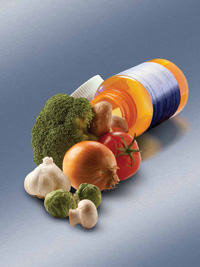
Cultures that have resisted the lure of unhealthy dietary habits, however, rarely experience the symptoms of noncommunicable diseases. Such societies eat diets rich in vegetables, fruits, and whole grains and have low or no incidence of disease and disability. Indubitably, the most nutritious foods on the planet are plant foods, and research studies have long indicated an inverse relationship between a high consumption of plant foods and chronic diseases. But recent discoveries in nutritional genomics are unveiling the specifics of why such diets are effective at warding off disease. Plant foods contain hundreds of bioactive compounds—vitamins, antioxidants, and other phytochemicals—that, when consumed, catalyze a variety of changes within the body. More specifically, the bioactive compounds in plant foods interact with cells, enzymes, hormones, and DNA, playing a role in controlling gene expression and cell changes that lead to chronic disease. In essence, the genetic makeup of humans is not static; it is dynamic, and nutrients from foods can sway gene expression in a positive direction.
Past scientific studies alluded to this by highlighting the effects of various plant compounds on specific ailments. For example, some studies have concluded that lycopene, a compound present in tomatoes, appears to lower the risk of prostate, lung, and bladder cancers while other studies have concluded that foods rich in anthocyanins, such as blueberries and strawberries, significantly reduce mortality from cardiovascular disease (Wallace, 2011). But why is the interaction between the bioactive compounds in plant foods and the genes embedded within human cells so advantageous and what do they do?
Oxygen Radicals Stress Out DNA
Many chronic diseases have been at least partially attributed to chronic inflammation and damage caused by oxygen radicals, also known as reactive oxygen species. A byproduct of the body’s natural metabolic process, reactive oxygen species are small, unstable molecules that can cause deleterious changes to complex cellular molecules such as proteins and DNA, the building blocks of cells. Oxygen radicals are missing an electron, so they attack healthy cells to pilfer electrons, initiating a chain reaction that impairs cells. Environmental factors such as cigarette smoke, alcohol, ultraviolet rays from the sun, and a poor diet also cause the formation of reactive oxygen species in the human body.
--- PAGE BREAK ---
Oxygen radicals are not all bad; some oxygen radicals are essential to help cells generate energy and fight infections. However, when reactive oxygen species are overabundant, they cause oxidative stress. The body has a series of enzymatic mechanisms to prevent oxidative stress, and the presence of antioxidants is integral in this regard. Antioxidants prevent or reduce oxidative stress by neutralizing oxygen radicals. This involves either providing the extra electron oxygen radicals need, thereby stabilizing them, or dissolving the molecules entirely. On its own, the human body does not produce enough antioxidants to combat the oxidative stress caused by a daily onslaught of internal and external factors, which is why consuming a diet rich in sources of antioxidants, such as plant foods, is so important.
Whether caused by the metabolic process, environmental factors, or dietary deficiencies, oxidative stress inevitably triggers the body’s further production of oxygen radicals, which research indicates causes damage to DNA (Wu and Cederbaum, 2003; Franco et al., 2008; Donkena et al., 2010). The injuries to DNA can range from the breaking of DNA strands to chromosomal rearrangements to, most notably, the abnormal expression and suppression of genes and atypical cell growth. In particular, chronic oxidative stress has an adverse effect on a mechanism responsible for turning on or turning off genes: DNA methylation. Although a full-scale discussion of DNA methylation is beyond the scope of this article, it is important to note that in recent years DNA methylation—which plays an important role in gene transcription—has emerged as an important biomarker for cancer. Hypermethylation contributes to the silencing of tumor-suppressing genes, and hypomethylation is linked to the unchecked expression of tumor growth (Das and Singal, 2004; Franco et al., 2008; Donkena et al., 2010).
Emerging research suggests that certain bioactive compounds in foods may deter the development of cancer by affecting DNA methylation. Compounds such as epigallocatechin 3-gallate (EGCG) in green tea, genistein from soybeans, and isothiocyanates in green vegetables reduce DNA hypermethylation, thereby increasing the expression of tumor-suppressing genes (Fang et al., 2007; Choi and Friso, 2010). Because aberrant DNA methylation is also associated with obesity (Wang et al., 2010) and may thus be a contributing factor to type 2 diabetes and other obesity-related disorders, the food compounds shown to be effective in controlling DNA methylation in cancer may also have a positive effect on the mitigation of obesity-related diseases.
The Gene That Doesn’t Like Green(s)
Scientists have identified several genes and gene variants that are associated with an increased risk of developing cardiovascular diseases. Some of these genes predispose people to high cholesterol levels, some are linked to an increased risk of plaque buildup in arteries, and still others are associated with elevated blood pressure. While scientists continue to research which genes are directly responsible for different diseases and which play supporting roles, chromosome 9p21 has emerged as one of the most significant genes in predicting heart disease. A study by researchers at McGill University and McMaster University revealed that people who possess the 9p21 gene and consumed at least two servings of vegetables (especially raw and green leafy veggies) and fruits per day lowered their risk of developing heart disease. In addition, carriers of the 9p21 gene who ate the least amount of vegetables had a two-fold increase in risk for a heart attack (Do et al., 2011). This important revelation may be the reason that studies had previously suggested that diets rich in vegetables and fruits lowered the risk of cardiovascular diseases. The McGill-McMaster study also indicated that people with the highest daily intake of vegetables and fruits were 30% less likely to experience a heart attack or stroke.
--- PAGE BREAK ---
The problematic gene that scientists have identified as having a significant role in cardiovascular disease is also linked to another chronic disease. Genetic variants on chromosome 9p21 are associated with several types of cancer, including breast, bladder, and pancreatic cancers (Cunnington et al., 2010). However, no study has specifically documented a relationship between a diet rich in plant foods and a lower risk of cancer in carriers of chromosome 9p21. More than likely, this is because most cancers (approximately 95%) are attributable to lifestyle and environmental factors such as cigarette smoking, alcohol consumption, physical inactivity, and sun exposure as well as dietary factors. Consequently, epidemiological studies have been inconsistent as to the existence of an inverse relationship between plant-based diets and rates of cancer. What past research has determined is that fruits and non-starchy vegetables may offer a protective benefit against certain forms of cancer (Hung et al., 2004; Boffetta et al., 2010; Willet, 2010).
The research on whether phytochemicals in plant foods possess anti-carcinogenic properties is more convincing: Significant evidence suggests that compounds such as allicin, anthocyanins, cinnamaldehyde, indoles, isothiocyanates, lignins, lutein, lycopene, and resveratrol possess anti-inflammatory, anti-tumorigenic, and anti-proliferative properties that help prevent cancer (Neto, 2007; Duessel et al., 2008; Aluyen et al., 2012; SMCI, 2012). Moreover, a new rationale has emerged that serves to augment the importance of plant foods and their phytochemicals in the battle against cancer: Certain plant foods can impede the proliferation of cancer cells by eliminating the source of their nutrient supply: blood vessels.
Using Food to Starve Cancer and Obesity
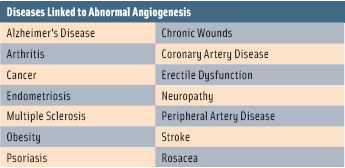 Blood vessels transport oxygen, glucose, and other essential nutrients to cells that constitute all the organs in the body. Without properly functioning blood vessels to supply oxygen and other essentials to cells, organs and tissues malfunction and eventually fail. In general, the amount of blood vessels in the body remains static from birth through adulthood except for under a few circumstances such as menstruation, pregnancy, and injury. Under normal conditions, the body has an intricate system of enzymes, hormones, proteins, and genes that regulate blood-vessel growth. “Some genes help blood vessels grow; other genes help sculpt blood vessels to prune away blood vessels that aren’t necessary. And some genes act as guardians, preventing excessive blood vessel growth,” says William Li, President and Medical Director of the Angiogenesis Foundation in Cambridge, Mass. But when the blood-vessel regulatory system malfunctions, several chronic diseases can occur. In particular, all forms of cancer rely on the production of new blood vessels—a process known as angiogenesis.
Cancer begins as a dormant microscopic cluster of cells (i.e., a tumor) with limited potential for adverse outcomes. Appearing in anyone at any time, the cell cluster can grow, mutate, and become harmful only if it acquires a set of blood vessels to supply the nutrients it needs to sustain itself. “Without angiogenesis, these microscopic cancers come and go like pimples,” Li explains. Preventing the growth of new blood vessels to early-stage tumors would essentially stop cancer before it has a chance to start. “In the last century, the medical research establishment focused almost entirely on the ‘silver bullet’ approach, and that is looking for the single factor that can cure a disease. While the search for a cure is important, we have spent billions of dollars on trying to find a cancer cure and still fallen short of the goal. Focusing on early intervention and prevention is the new, best way to fight cancer. Prevention is always better than a cure,” Li asserts.
--- PAGE BREAK ---
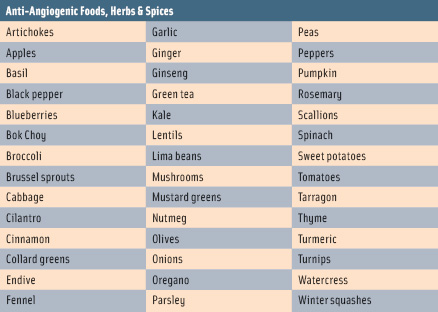 Although anti-angiogenic drug therapies have been developed since the discovery of the role angiogenesis plays in developing cancer, such therapies are expensive and usually initiated after cancers have already become problematic. Knowing that diet accounts for up to 35% of cancers caused by lifestyle and environment, Li had a revolutionary idea: “About ten years ago, I began to think, ‘Why not apply anti-angiogenesis principles to healthy people to prevent cancers from forming?’ Trying to treat a disease like cancer is like trying to chase horses after they’ve gotten out of the barn. It is an incredibly difficult thing to accomplish. We can’t possibly treat everyone with the latest and most expensive drugs. But food is a medicine that we take three times a day. Mother Nature has already laced into many different foods naturally occurring chemicals that are natural inhibitors of angiogenesis.” Li and his colleagues have since identified a number of foods and spices that possess compounds that inhibit angiogenesis. This expanding list includes artichokes, berries, garlic, green tea, green and cruciferous vegetables, lemons, mushrooms, nutmeg, onions, parsley, tomatoes, and turmeric (Li et al., 2012). Many of these foods may be as effective at impeding angiogenesis as pharmaceutical therapies.
Abnormal angiogenesis also plays a key role in other chronic diseases: Insufficient angiogenesis can lead to coronary artery disease and stroke while excessive angiogenesis contributes to cancer and obesity. So the same concept for combating cancer—inhibiting angiogenesis—may also be the key to fighting obesity and related disorders. Like precancerous tumor cells, fat cells are highly dependent on blood vessels to thrive. The growth of new blood vessels supplying oxygen and nutrients promotes the expansion of fat cells. According to Li, “the more angiogenesis there is, the bigger a mass of fat can grow. Research has shown that inhibiting angiogenesis in obese mice reduced their mass to a normal weight. Anti-angiogenesis therapy in obese mice does not cause them to become ultra-skinny, just normal-sized.”
Could the longstanding advice of curbing the appetite to lose weight and excess fat be replaced with the concept of starving fat cells? The answer remains to be seen, but in the meantime, the foods deemed to be anti-angiogenic are also low in calories, so the outcome is the same. Controlling angiogenesis is integral to regulating healthy balances that could not only prevent obesity and overweight but likely type 2 diabetes as well—a condition causatively linked with excess weight. “Anything that can help get the body back to its normal set points is going to play an important role in stemming the epidemic of type 2 diabetes. Anti-angiogenic foods that help restore a normal balance in the body could certainly be helpful in this regard. We are still conducting research in this area, so stay tuned,” Li says.
Hence, the solution to cancer, obesity, and other chronic diseases, pursued for decades in research laboratories around the world, may be in the produce aisle. It is important to note that there is likely a synergistic interaction between identified phytochemicals and other unidentified plant compounds that prevent the deviant growth of blood vessels to tumor cells as well as protect cells and DNA. Moreover, consuming plant foods in whole, as opposed to isolated plant compounds in supplements, eliminates the chance of toxicity or the loss of bioactivity/potency that can occur when phytochemicals are extracted from the plants in which they are inherent (Bjelakovic et al., 2007, 2008; Briançon, 2011).
--- PAGE BREAK ---
The Prescription for Health
It thus seems that many of the top chronic diseases affecting humans today are not the inevitable consequence of bad genes or aging but rather of unhealthy choices—key among them is a poor or inadequate diet. “Our genes are the fate that we are dealt by our ancestor[s], but our environment impacts what those genes actually do,” Li says, stressing that the habits, food choices, and conveniences of modern lifestyles “bombard the body with influences it was not designed to handle. And in this regard, the science still supports the wisdom of eating a diet that is predominantly made of plant foods.”
Although food science has made many advances in ensuring access to abundant, safe food, Li makes a judicious observation: “As a medical doctor and researcher, my perspective is that the best way forward by the food industry is to develop solid scientific evidence.” Using the pharmaceutical industry as an example, he rationalizes, “One can’t imagine a drug and start marketing it to consumers. There is a disciplined process to innovate products, using an evidence-based approach. The reward for this is validation of the product’s true value. I am trying to bridge [the gap between life sciences and food science] by helping to bring together knowledge from the life-sciences world into the food world. My vision is the life-sciences approach, [which] has worked to create blockbuster drugs to treat disease, can create blockbuster foods that can maintain your health.”
With the knowledge that bioactive phytochemicals in vegetables and fruits influence the expression of the most positive traits of human genes and help control cellular changes that lead to chronic disease, the decision of what to eat for breakfast, lunch, and dinner is becoming clear: “Let food be thy medicine and medicine be thy food.”
Toni Tarver is Senior Writer/Editor of Food Technology
([email protected]).
References
Aluyen, J.K., Ton, Q.N., Tran, T., et al. 2012. Resveratrol: potential as anticancer agent. J. Diet. Suppl. 9(1): 45–56.
Bjelakovic, G., Nikolova, D., Gluud, L.L., et al. 2008. Antioxidant supplements for prevention of mortality in healthy participants and patients with various diseases (review). Cochrane Database Syst. Rev. Issue 2. Art. No. CD007176. doi: 10.1002/14651858.CD007176.
Bjelakovic, G., Nikolova, D., Gluud, L.L., et al. 2007. Mortality in randomized trials of antioxidant supplements for primary and secondary prevention. J. Am. Med. Assoc. 297(8): 842–857.
Boffetta, P., Couto, E., Wichmann, J., et al. 2010. Fruit and vegetable intake and overall cancer risk in the European prospective investigation into cancer (EPIC). J. Natl. Cancer Inst. 102(8): 529–537.
Briançon, S., Boini, S., Bertrais, S., et al. 2011. Longterm antioxidant supplementation has no effect on health-related quality of life: the randomized, double-blind, placebo-controlled, primary prevention SU.VI. MAX trial. Int. J. Epidemiol. 40(6): 1605–1616.
Choi, S.-W. and Friso, S. 2010. Epigenetics: a new bridge between nutrition and health. Adv. Nutr. 1: 8–16.
Cunnington, M.S., Koref, M.S., Mayosi, B.M., et al. 2010. Chromosome 9p21 SNPs associated with multiple disease phenotypes correlate with ANRIL expression. PLoS Genet. 6(4): e1000899. doi:10.1371/journal.pgen.1000899.
Das, P.M. and Singal, R. 2004. DNA methylation and cancer. J. Clin. Oncol. 22(22): 4632–4642.
Do, R., Xie, C., Zhang, X., et al. 2011. The effect of chromosome 9p21 variants on cardiovascular disease may be modified by dietary intake: evidence from a case/control and a prospective study. PLoS Med. 8(10): e1001106. doi:10.1371/journal. pmed.1001106.
Donkena, K.V., Young, C.Y.F., and Tindall, D.J. 2010. Oxidative stress and DNA methylation in prostate cancer. Obstetrics and Gynecology Intl. Article ID 302051. doi:10.1155/2010/302051.
Duessel, S., Heuertz, R.M, and Ezekiel, U.R. 2008. Growth inhibition of human colon cancer cells by plant compounds. Clin. Lab. Sci. 21(3): 151–157.
Fang, M., Chen, D., and Yang, C.S. 2007. Dietary polyphenols may affect DNA methylation. J. Nutr. 137: 223S–228S.
Franco, R., Schoneveld, O., Georgakilas, A.G., and Panayiotidis, M.I. 2008. Oxidative stress, DNA methylation and carcinogenesis. Cancer Lett. 266(1): 6–11.
Hung, H.-C., Joshipura, K.J., Jiang, R., et al. 2004. Fruit and vegetable intake and risk of major chronic disease. J. Natl. Cancer Inst. 96(21): 1577–1584.
Li, W.W., Li, V.W., Hutnik, M., and Chiou, A.S. 2012. Tumor angiogenesis as a target for dietary cancer prevention. Journal of Oncology. Article ID 879623. doi:10.1155/2012/879623.
Neto, C.C. 2007. Cranberry and its phytochemicals: a review of in vitro anticancer studies. J. Nutr. 137(1): 1865–1935.
SMCI (Stanford Medicine Cancer Institute). 2012. Nutrition to reduce cancer risk. http://cancer.stanford.edu/information/nutritionAndCancer/reduceRisk. Accessed Aug. 30, 2012.
Wallace, T. 2011. Anthocyanins in cardiovascular disease. Adv. Nutr. 2:1–7.
Wang, X., Zhu, H., Snieder, H., et al. 2010. Obesity related methylation changes in DNA of peripheral blood leukocytes. BMC Medicine 8:87. doi:10.1186/1741-7015-8-87.
WHO (World Health Organization). 2011. Noncommunicable Diseases Country Profiles 2011. WHO Press., Geneva, Switzerland. http://whqlibdoc.who.int/publications/2011/9789241502283_eng.pdf. Accessed Aug. 30, 2012.
Willet, W. 2010. Fruits, vegetables, and cancer prevention: turmoil in the produce section. J. Natl. Cancer Inst. 102(8): 510–511.
Wu, D. and Cederbaum, A. 2003. Alcohol, oxidative stress, and free radical damage. Alcohol Res. Health 27(4): 277–284.