

 |
|
To ensure your meals are safe and enjoyable, it’s important to know how to prepare, transport and store food for outdoor eating.
|
 |
|
Are organic foods healthier for consumers, and are they worth the sometimes higher cost and shorter shelf life?
|
 |
|
It’s important to practice good food safety when you’re dealing with eggs. Following are some good egg safety tips to keep in mind the next time you’re buying, storing or cooking eggs.
|
 |
|
Food scientists explain how processed foods contribute many nutrients to our diet, how they enable today's busy lifestyles and why they are essential to feeding a growing population.
|
 |
|
Here’s a brief look at where chocolate comes from, nutritional information, how it’s made, and the ingredients that make chocolate – whether milk, dark or white – a memorable treat.
|
 |
|
The average American drinks 25 gallons of milk each year, which is why it’s important to know some facts about milk.
|
 |
|
Many cooks believe they can tell if food is done - and safe to eat - by how it looks and feels. However, according to the USDA, recent research has shown that color and texture are unreliable indicators of food temperature safety.
|
 |
|
What is gluten? Does gluten have a taste? How do you identify that a food product has gluten in it? If a product isn’t labeled, what are some other ways to determine if it has gluten in it? Which people benefit most from a gluten-free diet?
|
 |
|
To make sure that the food you bring home is as safe and delicious as it was at the store, it’s important to know the best way to pack and transport your groceries.
|
 |
|
Tailgating is a fun American tradition where food is prepared and enjoyed near the back of a car or truck, often in the parking lot of a sporting, music or other large event. However, food-borne illness is no fun.
|
 |
|
What does “kosher” mean? Are kosher foods only for persons observing Jewish food laws? How do I know if a food is Kosher? What are the benefits of kosher food?
|
 |
|
Microwaves are easy and convenient to use for cooking meals, preparing frozen foods, and reheating leftovers. However, it’s important to remember that microwaves differ greatly from conventional ovens.
|
 |
|
IFT's new public education campaign and video series created to generate awareness of the role that food science plays in ensuring a nutritious, safe and abundant food supply.
|
 |
|
Being a "locavore" and eating foods grown near where you live have become a popular practice, as many people want to support their local farmers. Here are some tips to keep in mind the next time you buy produce at your local farmer's market.
|
 |
|
In light of the recent Listeria outbreak in cantaloupe, it is more important than ever to choose your fresh fruits and vegetables carefully. It is important to select produce that has been stored properly and safely from the grocery store or market. To keep yourself and your family safe, what exactly should you look for next time you hit the produce aisle?
|
 |
|
Cocoa trees produce pods, which is the fruit chocolate comes from. Large harvests occur by hand twice annually throughout the year. Chocolate liquor is the thick paste generated when chocolate nibs, the roasted and de-shelled chocolate beans, are heated to a high temperature; it's then separated into cocoa butter and cocoa powder.
|
 |
|
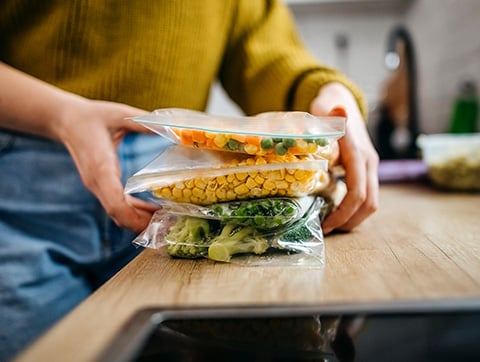
Whether you cook all your food for the week on Sunday or have extra food left at the end of a meal—for many families, leftovers are key to solving the problem of "what's for dinner." Meals like pastas, soups, chili, and other home-cooked meals can easily be reheated for lunch at the office the next day or packed in a heat-insulated thermos for kids' lunches.
|
 |
|
While most people define any negative reaction to food as a food allergy, many actually suffer from a food sensitivity or intolerance. This video from IFT features Aurora Saulo, professor and extension specialist in food technology at University of Hawaii Manoa, discussing food allergies, food intolerances and food sensitivities.
|
 |
|
Antioxidants—what are they and why do you need them? IFT Member Claudia Fajardo-Lira, PhD, Professor of Food Science and Nutrition at California State University-Northridge, explains the facts about antioxidants in this video.
|
 |
|
Ever wonder what all those numbers mean on canned, boxed or packaged food products? This video from IFT features Richard Ross, CEO of Ross Consulting LLC, discussing shelf-life of food, proper storage, expiration dates, lot codes and what it all means for you and your family.
|
 |
|
Christine Bruhn, PhD, director of the Center for Consumer Research at University of California-Davis, and a professor in the UC-Davis Department of Food Science and Safety, explains why foods are irradiated in this video from IFT.
|
 |
|
As Americans settle into their new fall routines with sending kids back to school and returning to work after relaxing vacations, they are packing more lunches for both school and work in an effort to save money. In this economy, packing your lunch or your child's can save your family money, and ensure a safe and healthy meal.
|
|

|
|
If most of what you know about probiotics comes from yogurt advertisements, you may - understandably - be skeptical about the bacteria's health benefits. After all, the information came from a source that wants you to buy a probiotic product. Numerous independent researchers and health organizations, however, also back the value of probiotics.
|
 |
|
The FDA recently announced that seafood from the Gulf is safe to eat. Whether it's from the Gulf or elsewhere, there are several ways you can ensure the seafood you're buying is fresh and safe. IFT food science expert, Kantha Shelke, PhD, offers tips on how to select and store seafood safely.
|
 |
|
Fat is the enemy – that's the philosophy of many Americans who are trying to lose excess weight. While plenty of proven health risks can be tied to carrying extra pounds, not all fat is bad, experts say. In fact dietary fat is considered an essential nutrient, and some "good" types of fat actually deliver a myriad of health benefits – including aiding in weight control.
|
 |
|
Did you know there's a fifth taste? It's called umami and it's often described as a meaty, savory, full-flavor taste found in such foods as Parmesan cheese, mushrooms, red wine and seafood. Originally discovered by Japanese researchers almost a century ago, science is now catching up . Not only can umami enhance the taste experience, it can also play a role in reducing dietary sodium and dietary fat as well as make us feel fuller.
|
 |
|
Summer is the season to be outdoors with friends and family at picnics, barbecues and many other events. But the warm weather also brings an increase in foodborne illnesses when food sits out in hot, humid conditions. Make sure your summer party is memorable for reasons other than food poisoning by taking steps to keep food fresh and safe.
|

|
|
To help consumers make informed decisions about the food they eat, IFT has developed IFT Food Facts to provide consumers with news they can use in their daily lives.
|

|
|
The Institute of Food Technologists (IFT) exists to advance the science of food. Our long-range vision is to ensure a safe and abundant food supply contributing to healthier people everywhere.
|