
IFT Honors 2021 Achievement Award Winners

Since IFT presented the first Nicolas Appert Award in 1942, IFT’s Achievement Awards have grown to 19 different categories, honoring excellence in research, applications, and service to food science and technology.
The process of selecting the honorees starts with a jury of IFT members and volunteers who are appointed by the IFT Office of the President and led by a jury chair. The jury reviews nominations, completes ballots, and notifies IFT of the winner for each category. IFT is indebted to the members who volunteer as award jury participants and those who nominate their peers for recognition, without whom the award selection would not be possible.
This year’s recipients represent an accomplished group of scientists whose work has had far-reaching effects on the science of food. Commenting on the awards, 2020 honoree José Miguel Aguilera Radic says, “Besides the honor of being the recipient of the 2020 Nicolas Appert award, it has been a great opportunity to thank my students and collaborators for their ingenuity, hard work, and friendship. Through the years, we demonstrated that foods are not only chemistry and nutrition, but there is also a lot of engineering and materials science inside every tasty food we eat. My award is also a message to all those dedicated food scientists and food engineers based in emerging countries that success and the impact of their research efforts are largely grounded in developing and nurturing an extended international network of scientific collaborations.”
Kudos to the 2021 Achievement Award recipients!
Achievements in Microbial Research for Food Safety Award in Honor of Gerhard J. Haas

Yaguang (Sunny) Luo is the 2021 recipient of the Achievements in Microbial Research for Food Safety Award in Honor of Gerhard J. Haas. Luo is an internationally recognized authority on food safety in fresh and fresh-cut (minimally processed) fruits and vegetables. She joined the U.S. Department of Agriculture, Agricultural Research Service in 2001 with more than five years of research and management experience in the fresh-cut produce industry. Luo has served on the Inter-Agency Food Safety Task Force of the White House’s Office of Science and Technology Policy, and consulted for the United Nations’ Food and Agriculture Organization and the World Health Organization on food safety in leafy green vegetables. Her research centers on creative solutions to food safety challenges, and her findings have significantly impacted food safety policies and industry practices internationally and in the United States, where she has helped to enhance the safety of the nation’s food supply.
Distinguished Career Award in Honor of Carl R. Fellers
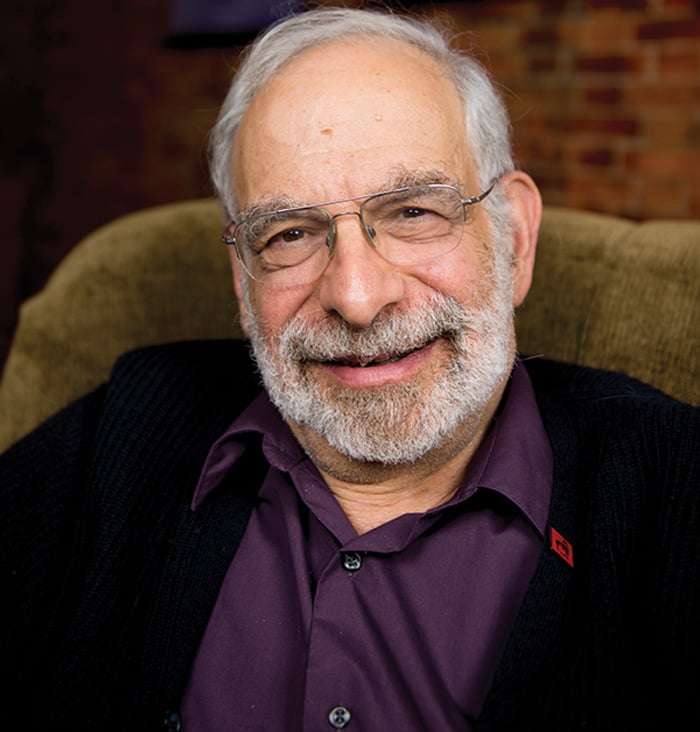
Joe Regenstein is the 2021 recipient of the Distinguished Career Award in Honor of Carl R. Fellers. He is professor emeritus in the Department of Food Science at Cornell University and heads the Cornell Kosher and Halal Food Initiative. He teaches kosher and halal food regulations at Cornell and Kansas State (remotely). He is a distinguished foreign expert at Jiangnan University (China), adjunct professor at Chiang Mai University (Thailand), and guest faculty at Southwest University (China). Regenstein was IFT’s first Congressional Science Fellow. He wrote Food Protein Chemistry, An Introduction for Food Scientists and An Introduction to Fish Technology with his wife, Carrie, and Genetic Modification and Food Quality with Robert Blair. An IFT Fellow, Regenstein is also an IFST Guest Fellow in New Zealand. Previously he received IFT’s Bor S. Luh International Award and the Elizabeth Stier Humanitarian Award; he is the current recipient of IUFoST’s Lifetime Achievement Award. Regenstein is on advisory boards for the Food Diversity Innovation Program, Texas A&M, and the Global Harmonization Initiative.
Distinguished Service Award in Honor of Calvert L. Willey

Leslie Herzog is the recipient of the 2021 Calvert L. Willey Distinguished Service Award for his lifelong, innovative, and passionate service to IFT and the advancement of food science and technology. Herzog has been a dedicated volunteer to IFT for over 45 years, working with the New York Section and contributing through his philanthropy, leadership, and mentorship to food science students at Cornell University, the University of California, Davis, Rutgers University, and the University of Massachusetts. Herzog has served on numerous IFT task forces, the Executive Committee (now called Board of Directors), and award juries, as a member and chair, as well as numerous IFT committees. An IFT Fellow, Herzog loves coaching student teams in IFT competitions, helping them to utilize his knowledge of product development and food product commercialization learned during his career at Lipton/Unilever.
Excellence in Education Award in Honor of William V. Cruess

John Coupland is the 2021 recipient of the Excellence in Education Award in Honor of William V. Cruess. He is a professor of food science at The Pennsylvania State University, where he serves as the undergraduate program coordinator. Coupland’s research relates the physical structure of foods to functional properties, using theories and methods adapted from physical chemistry. He also uses this approach in his Food Physical Chemistry graduate course and in his textbook, An Introduction to the Physical Chemistry of Foods (Springer, 2014). Coupland is interested in the social context of food science and in advancing the food science profession. In his course Arguing About Food, he uses modern controversies to help food science students explore the roles science can play in society, while in his large general education course Food, Facts and Fads, he takes a historic approach to teach a general audience the ways our food system developed. Coupland is a Fellow and former president of IFT.
Food Packaging Award in Honor of Don Riester, Rees Davis, and Aaron Brody
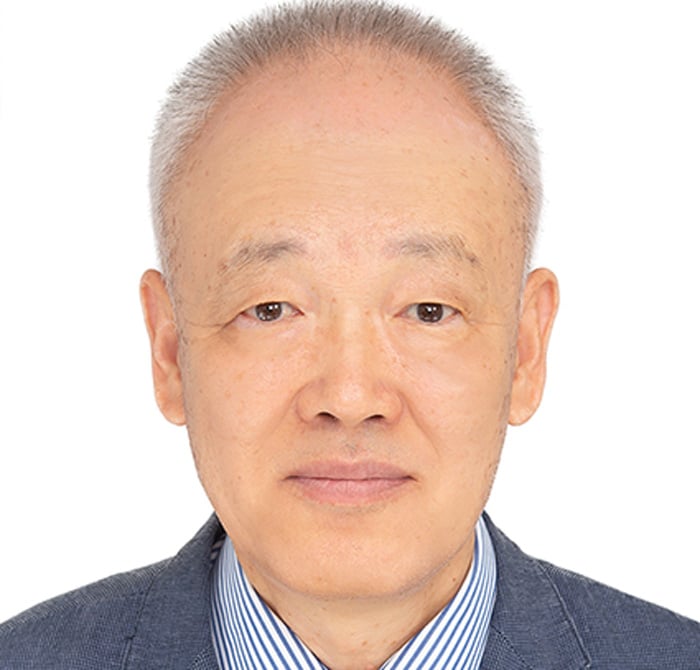
Dong Sun Lee is the recipient of the 2021 Food Packaging Award in Honor of Don Riester, Rees Davis, and Aaron Brody. He is professor emeritus at Kyungnam University, Korea, where he taught and conducted research in food engineering and packaging for 33 years. He is recognized for his achievements in advancing active and intelligent packaging technologies to improve food safety and quality. His professional contributions include over 100 peer-reviewed publications, co-authoring of Food Packaging Science & Technology, co-editing of Emerging Food Packaging Technologies, and serving on the editorial boards of Food Packaging & Shelf Life and Packaging Technology & Science. This year he published Modified Atmosphere Packaging of Foods: Principles and Applications through IFT Press.
Humanitarian Award for Service to the Science of Food in Honor of Elizabeth Fleming Stier

Robert Gravani is the recipient of the 2021 Humanitarian Award for Service to the Science of Food in Honor of Elizabeth Fleming Stier. The award recognizes significant contributions to the well-being of the food industry, students in food science, and public health. Gravani received a BS in food science from Rutgers University, where he was an advisee of Dr. Stier, and an MS and PhD in food science from Cornell University, where he is currently professor emeritus of food science. He has worked with all sectors of the food system, developing innovative food safety programs for constituents in production agriculture, food processing, food retailing, and foodservice, as well as for regulatory agencies and consumers. He is a past president, past treasurer, and Fellow of IFT and has received several other IFT Achievement Awards. He is also the past president and a Fellow of the International Association for Food Protection (IAFP).
Include Award in Honor of George Washington Carver

Ruth Oniang’o is the 2021 recipient of the IFT Include Award in Honor of George Washington Carver. Notable among Oniang’o’s many extraordinary accomplishments are her contributions in advancing the science of food across Africa, alleviating food insecurity, promoting equitable access to education for women, and uplifting and improving the quality of life for many people in Kenya and beyond. Oniang’o, through the Rural Outreach Program-Africa, an organization that she founded, has played a key role in eliminating poverty and hunger in the community by encouraging and training women to work in agriculture. She is also the founder and editor-in-chief of the African Journal of Food, Agriculture, Nutrition and Development, a peer-reviewed journal that chronicles recent developments in the science of food and agriculture across the African continent. Among her many honors and other distinctions, Oniang’o is the 2017 recipient of the African Food Prize. Her work with women in agriculture and with the impoverished population in Kenya embodies the spirit of Dr. Carver and of IFT’s Include Award.
International Food Security Award in Honor of W.K. Kellogg and Bor S. Luh
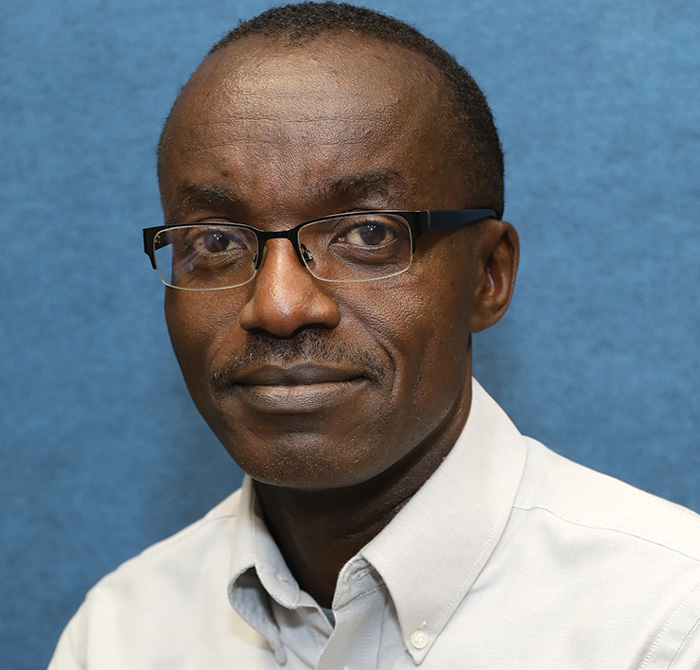
Joseph Awika is the recipient of the 2021 International Food Security Award in Honor of W.K. Kellogg and Bor S. Luh. Awika, a professor at Texas A&M since 2008, works to develop and transfer food science and technology knowledge to enhance the food security of developing economies. He uses a multidisciplinary approach that combines postharvest and food processing technologies with plant genetics and human nutrition research. This strategy helps to develop grain-based food product value chains that address food and nutrition security needs among vulnerable populations, with the primary crops of focus being sorghum and cowpea. His work has made a significant impact on the economies of numerous African countries, where the technologies have advanced high-quality, locally produced and processed foods with enhanced nutritional properties and broad consumer appeal. Awika’s research in cereal science has resulted in 71 peer-reviewed articles, 10 book chapters, and two books. Additionally, he is heavily engaged in reviewing articles for numerous journals, including Food Chemistry, Food Hydrocolloids, and Comprehensive Reviews in Food Science and Food Safety. He currently serves as editor of the Journal of Cereal Science and was the recipient of the Fulbright Fellowship in 2018/2019.
Lifetime Achievement Award in Honor of Nicolas Appert

Eric Decker is the recipient of the 2021 Lifetime Achievement Award in Honor of Nicolas Appert. He is professor in the Department of Food Science at the University of Massachusetts, Amherst, and an internationally recognized expert for his pioneering research on lipid chemistry and foods. A highly cited scientist, he has over 440 publications and numerous chapters, books, and patents to his credit. Decker has also received numerous honors for his research, including awards from the American Oil Chemists’ Society, the Agriculture and Food Chemistry Division of ACS, the International Life Sciences Institute, and IFT.
Outstanding Partnership Award in Honor of Myron Solberg

Aurora Saulo is the recipient of the 2021 Outstanding Partnership Award in Honor of Myron Solberg. An emeritus professor and specialist with the University of Hawaii and a principal of Food Science Interests LLC, Saulo has a record of world-class excellence and leadership across industry, government, and academics. She was a flavor chemist for United Brands, a senior food technologist for Hunt-Wesson, a technical advisor to Orchards Hawaii Ltd, chair of the Food Science and Human Nutrition Department at the University of Hawaii at Manoa, and committee clerk to the Higher Education Committee for the Hawaii State Legislature. Saulo was also the force behind the certification of a Better Process Control School (BPCS) when conducted outside the United States, and taught the first BPCS under the new Food and Drug Administration BPCS course requirements. Her exemplary leadership and originality on all food frontiers led to her election as an IFT Fellow in 2006.
Outstanding Young Scientist Award in Honor of Samuel Cate Prescott
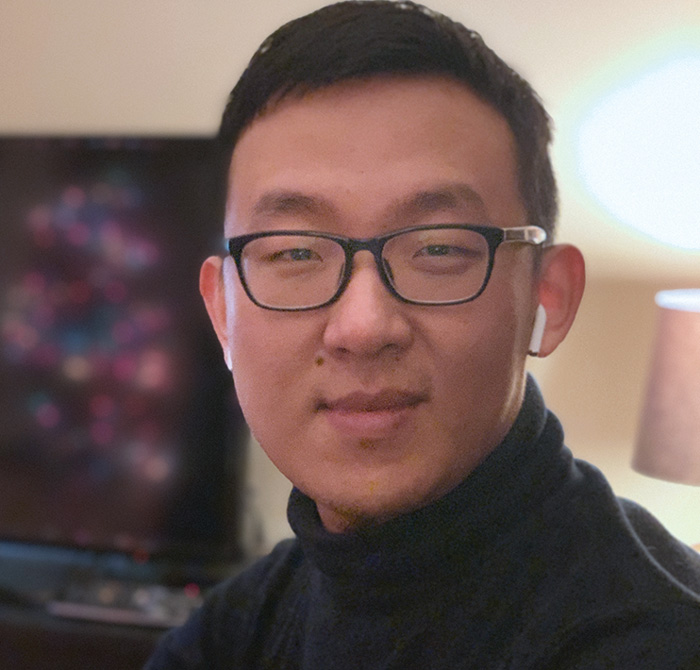
Xiaonan Lu is the 2021 recipient of the Outstanding Young Scientist Award in Honor of Samuel Cate Prescott. Lu is associate professor and Ian & Jayne Munro chair in food safety in the Department of Food Science and Agricultural Chemistry at McGill University. His research focuses on food safety and food microbiology. Lu’s lab develops innovative and rapid sensing instrumentation systems and detection methods for ensuring food safety as well as preventing food bioterrorism and fraud. His lab also applies molecular biology and genomic approaches to investigate stress response and pathogenesis of microorganisms that pose threats to agri-food systems and public health. He has published more than 110 peer-reviewed papers.
Public Health Award in Honor of Babcock-Hart

Jianping Wu is the recipient of the 2021 Public Health Award in Honor of Babcock-Hart. The award honors Wu’s globally recognized research in bioactive peptides from foods such as eggs, meat, soy, canola, and pulses. Wu has made significant advances in understanding food proteins as a source of bioactive peptides, including the use of a bioinformatics approach to identifying them and uncovering the molecular mechanisms of action. The ultimate goal of his work is to utilize the food proteins to prevent and even mitigate oxidation, inflammation, hypertension, metabolic syndrome, and osteoporosis.
Research and Development Award

V. M. “Bala” Balasubramaniam is the 2021 recipient of the Research and Development Award. Balasubramaniam’s integrated multidisciplinary approach to research and industrial outreach has advanced knowledge about innovative food manufacturing technologies and resulted in a significant impact on the thermal and nonthermal processing of foods. In particular, his work in the area of high pressure processing has opened new pathways for product offerings by developing safe, clean label, high-quality alternatives to traditional processes. The award reflects a career of prolific basic and applied research, including 115 journal papers, 22 book chapters, two books, five webinars, and four invention disclosures. Balasubramaniam was previously a recipient of the IFT Calvert L. Willey Distinguished Service Award.
Sensory and Consumer Sciences Achievement Award
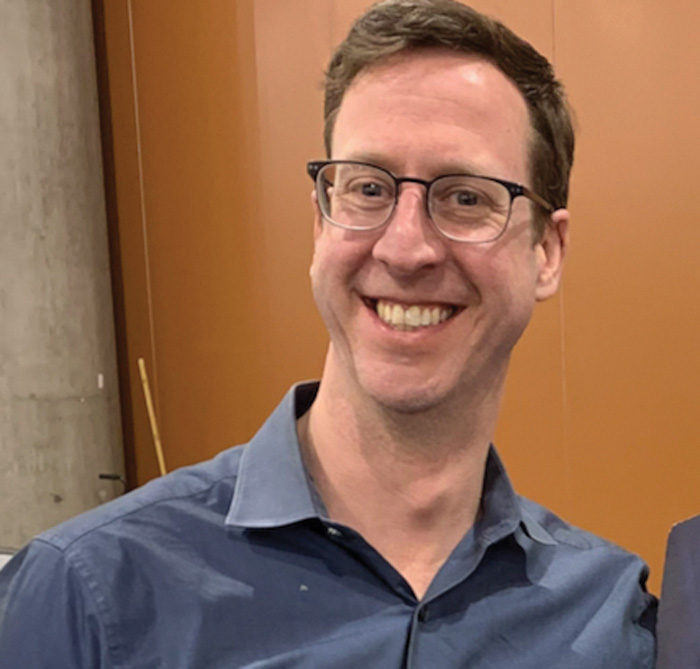
John Hayes is the recipient of the 2021 Sensory and Consumer Sciences Achievement Award, which recognizes excellence within the sensory and consumer sciences field. Hayes is a full professor in the Department of Food Science and director of the Sensory Evaluation Center at The Pennsylvania State University; he also holds graduate appointments in Neuroscience and Nutritional Sciences. Throughout his career, he has been an enthusiastic advocate of the science of food and has made significant academic and research contributions to sensory and consumer science.
What attracted you to the field of food science?
Food Technology asked the 2021 Achievement Award honorees why they decided to pursue a career in the science of food and what they think food scientists need to do to meet the challenges of the future.
“Realizing the growing importance of food processing and distribution in industrialized society.”
—Dong Sun Lee
“I was a biology major that had no career direction. During my undergraduate studies, I worked in several food operations and restaurants. In my senior year I discovered food science in a nutrition course on food preparation and I never looked back. Greatest career on the planet.”
—Eric Decker
“Picked food science as a ‘silly’ bet with a friend in high school since I had no idea what food science was. Turned out to be an awesome bet!”
—Joseph Awika
“When I was very young, I came across kwashiorkor as being caused by poor food intake. And I said to myself: ‘Just that? Then I will study foods instead of doing medicine.’ The rest is history. I became fascinated by all aspects of food.”
—Ruth Oniang’o
“I realized that I wanted to study food science in 11th grade when I toured Cornell University and came across the discipline, which I had never heard about (or read about), even though I was the youngest of three in my family to attend college. I ended up talking to a food science graduate student late on a Saturday afternoon in Ithaca, N.Y. I got back into the car and said to my parents, ‘That’s what I want to study.’”
—Leslie Herzog
“My exposure to the science of food started with my undergraduate thesis research project at Tamil Nadu Agricultural University in India. As a part of the project, we conducted research to fabricate a low-cost mechanical device for making snacks from highly perishable cassava tuber grown by local farmers.”
—V. M. Balasubramaniam
“I actually started my undergraduate work in horticulture. When I took the post-harvest technology and food processing course during my senior year, I was fascinated by the seemingly unlimited opportunities for creativity in the field of food science. That drove me to food science for my graduate school education and my career.”
—Yaguang Luo
What are the biggest challenges facing science of food professionals?
“Integrating new techniques into the complex agri-food systems to improve the safety, health, and nutrition of food products.”
—Xiaonan Lu
“To improve sustainability of food production, processing, packaging, and the supply chain system.”
—Dong Sun Lee
“Providing safe, affordable, and culturally appropriate food and drink for the increasing world population.”
—Joe Regenstein
“To recognize and support food science as a profession rather than just as a job. By supporting and enforcing professional standards, we can elevate the importance of good food science to society as well as to our employers.”
—John Coupland
“Transforming health-promoting foods into mainstream foods to reduce hunger and chronic disease burden.”
—Joseph Awika
“There is a serious need for improved and effective science communications that impact public health without submitting to sociopolitical influences.”
—Aurora Saulo
“For the past decade, academic psychology has been struggling with the WEIRD problem. That is, most research to date has been performed in Western, Educated, Industrialized, Rich, Democratic (WEIRD) samples, and the results may not generalize to the totality of lived human experience. With a few exceptions, I suspect that the food industry is only beginning to grapple with this issue, given that most product development efforts have traditionally occurred in WEIRD countries. Given that most of the population growth in the 21st century will occur elsewhere, substantial efforts [must be made] to build research capacity within these regions.”
—John Hayes
What it will take to reach Zero Hunger?
“Educating the world population about the importance of science and how science, through technology, can improve the food supply and the yield of what is produced, i.e., genetic engineering or irradiation to extend shelf life and reduce waste. It will also take people to understand that increased population will have a devastating impact on many aspects of the world health and environmental equilibrium, including the goal of achieving Zero Hunger.”
—Leslie Herzog
“Addressing food security issues would also address Zero Hunger.”
—Aurora Saulo
“Over 40% of food produced is wasted. Minimizing this waste through food science technologies that increase shelf life can not only decrease food waste but can also make it easier to distribute food to populations that
need it most.”
—Eric Decker
“I doubt that we shall reach Zero Hunger within my lifetime. But we must not tire to address it. It is a scandal of the 21st century, at a time when there is so much food waste, and so much overconsumption. We need more political will than ever before, and more individual commitment. Each one of us must be engaged on this issue. Each one of us can do something and must spell it out.”
—Ruth Oniang’o
“The global community needs to collaborate and work together to model the way on this vital shared vision. Everyone, including countries and their governments, the food industry, agencies, global organizations, and individuals, all need to be working together and engage in this worldwide effort.”
—Robert Gravani
“I think the key is food sustainability.”
—Xiaonan Lu
“Reduce post-harvest loss. Improve distribution and handling systems that enable food to be available where there is an actual need.”
—V.M. Balasubramaniam
“Stop violent conflict, which is a major cause of food insecurity.”
— Jianping Wu
“Broadly, it requires concerted efforts across the globe, and the vision, passion, and actions of the leaders and citizens on earth towards evidence-based policies and technology innovations. Specifically, for food scientists, we need to be the visionaries, leaders, and drivers for the multi-pronged approaches to increase food production and minimize food loss and waste.”
—Yaguang Luo
What is the most important social, environmental, or human rights issue?
“Equity, diversity, and inclusion.”
— Jianping Wu
“Food insecurity along with climate change will, I believe, be the big challenge for food and agriculture in the next 50 to 100 years.”
—Joe Regenstein
“Balancing the wholly understandable desire of consumers in rapidly industrializing countries to increase meat consumption against the climate impact of such increased consumption. I believe this issue should be solved via technology rather than moralizing: instead of telling these consumers they cannot have meat, more research and development on high-quality meat alternatives are needed to help meet this demand in a sustainable way.”
—John Hayes
“In the food world, the need to make the costs of production visible at the point of consumption. The global trade system has made the food we buy plentiful, available, and cheap, but as individual consumers we can’t understand the social and environmental costs of production in remote places.”
—John Coupland
“Climate change, in my opinion, is the most pressing need. As global temperatures warm rapidly, polar ice melts at an alarming rate and ocean levels rise, threatening the habitats of people, animals, and fish. We, as citizens of the world and food professionals, need to raise our voices and take specific actions to reduce these trends.”
—Robert Gravani
Authors
-
Food Technology Staff
Categories
-
Career Development
-
Professional Development
-
Leadership
-
Food Technology Magazine


