
MSU Develops Healthier Potato for Chips, Grocery Tech on the Rise, Specialty Morning Joe

 Emily Little
Food Technology Magazine
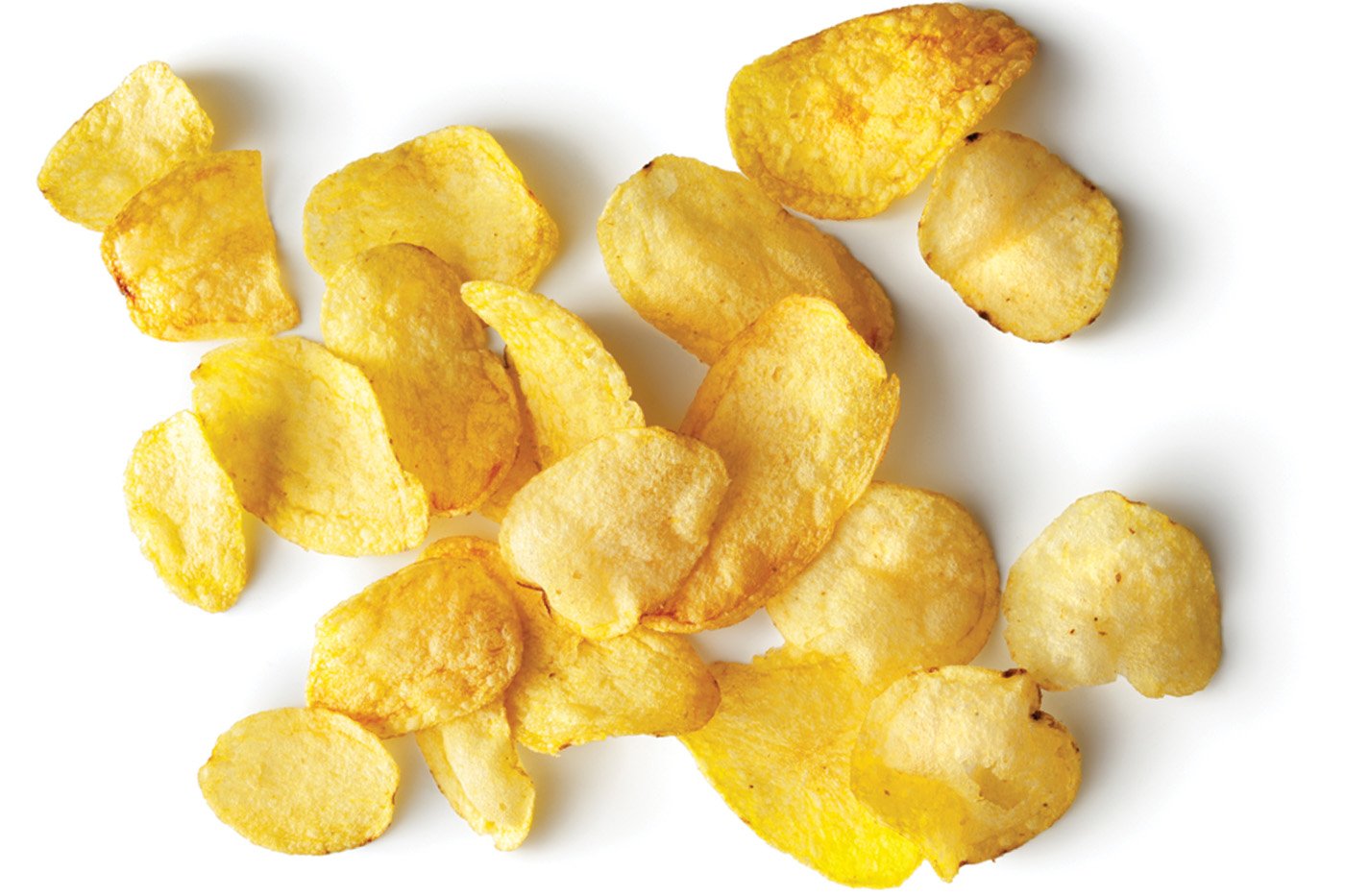
MSU develops healthier potato for chips
A team of researchers at Michigan State University (MSU) has developed a genetically engineered potato that can produce healthier, higher-quality potato chips.
The Kal91.3 potato, bred from the Kalkaska variety, can be stored in cool temperatures for long periods of time without sucrose converting to glucose and fructose. This minimizes the potato’s reducing sugars, which can cause off-color browning and caramelization. The Kal91.3 potato is exempt from regulation by the U.S. Department of Agriculture’s Animal and Plant Health Inspection Service (USDA APHIS), meaning the department determined that the genetically engineered potato does not pose an increased plant pest risk.
The research builds on previous findings at MSU regarding the gene that produces vacuolar acid invertase in potatoes, the enzyme responsible for breaking down sucrose. This enzyme is sensitive to external environmental factors, including temperature.
“I’ve always felt as the potato breeder at MSU that using biotechnology as a tool to improve potatoes would be worthwhile,” said Dave Douches, a professor at the university and director of the MSU Potato Breeding and Genetics Program, in a press release. “We have chipping potatoes that work well and do their job, but I wanted to take this gene and find out whether it could improve a potato that was having a problem with its sugars.”
Modifying the gene that produces vacuolar acid invertase allows the Kal91.3 potato to be stored at 40°F while maintaining its sugar balance. Additionally, this potato has decreased levels of fructose and glucose, which can result in a crispier and healthier chip.
“Not only does the Kal91.3 potato have a high nutrient content, but it also could be grown by using less fertilizers and pesticides, thus reducing the environmental risk and footprint of the potato-growing process,” said Kelly Turner, executive director of the Michigan Potato Industry Commission, in a press release. “Potatoes like Kal91.3 also present opportunities to address climate and weather pattern changes, helping potatoes be more tolerant during periods of drought and other abiotic stresses.”
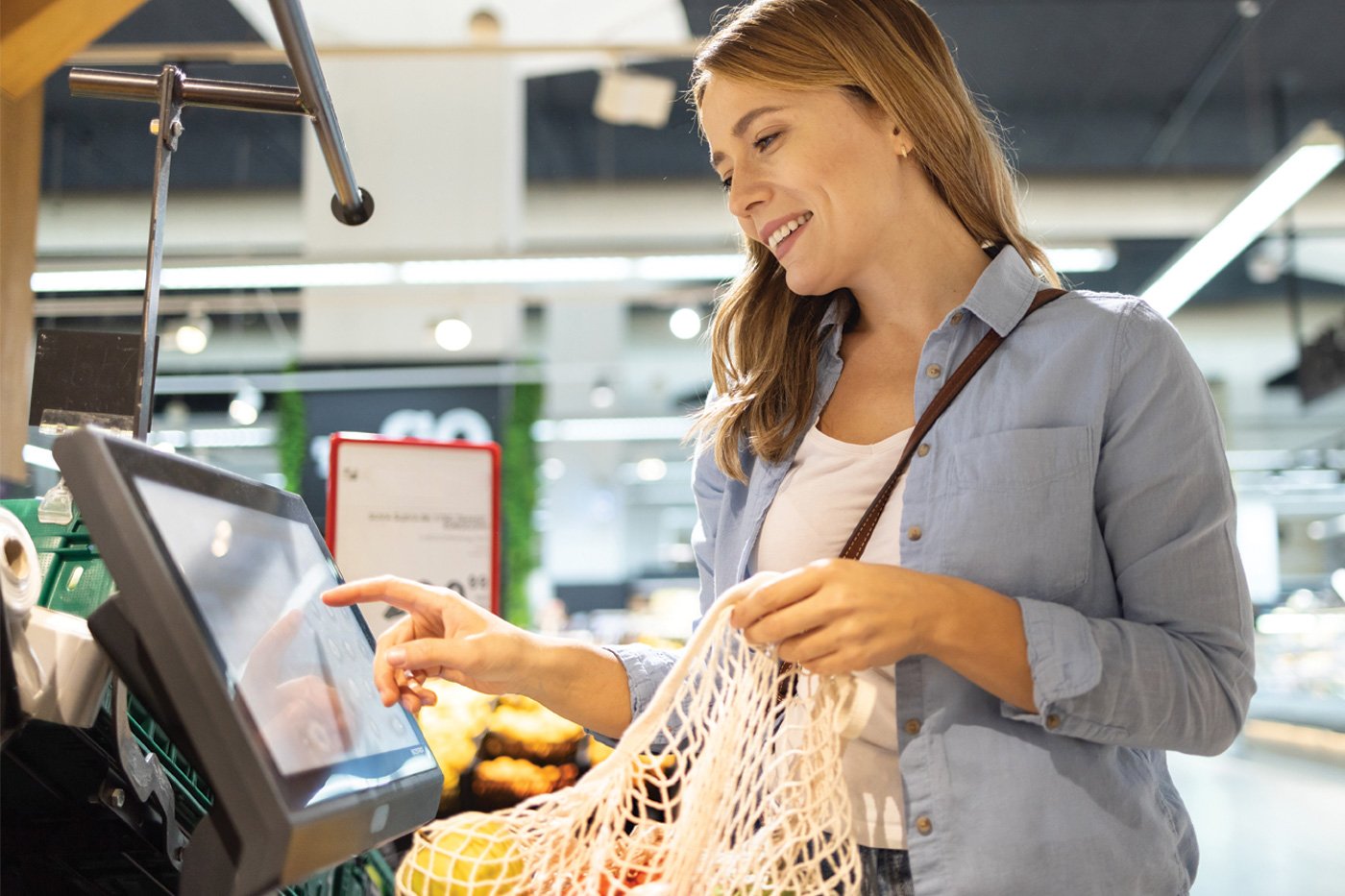
Grocery tech on the rise
Consumers are more willing to try new technology at the grocery store, according to Progressive Grocer’s 2024 Grocery Tech Trends study.
The survey, which was taken by both those working in the grocery industry and consumers, analyzed the new technologies entering the space and customers’ willingness to try them.
According to the report, 77% of respondents said they are willing to try new grocery technologies, including shoppable videos, shopping list apps, in-store QR codes, and meal-planning apps. Nearly half (47%) of respondents said they prefer to use self-checkout with a kiosk when shopping, compared with 40% who prefer traditional checkout with a cashier.
However, despite willingness to try new technologies, 47% of participants said they are concerned that their grocery stores are replacing human employees with technology. About one-third of respondents, or 32%, said they value the balance of both technology and in-store staff.
On the retailer side, the most implemented technologies are online ordering with curbside pickup, online ordering with delivery, digital loyalty programs, and in-store QR codes. Further, 66% of retailers surveyed stated they are planning to increase their technology spending in the next 12 to 18 months. The top technologies that retailers plan to add include electronic shelf labels, smart carts, and anti-theft tech. Inflation is the top obstacle to tech investment.
When assessing the prospect of further technology investment, 71% of retailers surveyed agreed that they feel confident their company is well positioned to succeed in the digital future of grocery, compared with 65% last year.
Microfluidic chip detects foodborne pathogens
A research team from Guangdong University of Technology and Pudong New Area People’s Hospital developed a microfluidic chip for detecting foodborne pathogens in food products.
The chip itself is divided into four sections, each tailored to detect a specific pathogen. When a pathogen is present, it binds to the detection surface and causes an optical change on the chip.
Using this device, the research team tested several common pathogens found in food products at varying concentrations. They found that the chip could effectively detect four foodborne pathogens: Listeria monocytogenes, E. coli, Salmonella, and S. aureus.
“This method can quickly and effectively detect multiple different pathogens, and the detection results are easy to interpret, significantly improving detection efficiency,” said author Silu Feng in a press release.
Not only could the chip detect the four pathogens, but it could also detect them at concentrations significantly lower than those that can cause illness. The limit of detection of the device was 10 colony forming units (CFUs) per milliliter.
The research team plans to continue to develop the chip to make it more applicable in the food industry.

Specialty morning joe
More young Americans are drinking specialty coffee beverages that they view as trendy, according to a new report from the National Coffee Association.
The report, which surveyed nearly 1,800 adults about their coffee habits, shed light on specialty coffee beverage trends. The report authors defined specialty coffee beverages as traditional brewed coffee made with premium whole bean or ground varieties, espresso-based beverages, non-espresso-based beverages, and ready-to-drink coffee.
According to the survey results, nearly seven in 10 respondents reported consuming at least one cup of coffee in the past day, and 45% consumed a specialty coffee beverage in the past day. This represents a percentage point increase of four from 2023 and is the highest level observed in the last four years.
Consumption of specialty coffee is highest among consumers aged 25–39, as 66% of respondents in this range reported drinking a specialty coffee within the past week. The most common forms of specialty coffee consumed are espresso (24%) and cold brew (24%). Additionally, 75% of past-week consumers agreed that drinking cold brew coffee is “cool” or “trendy.”
Most specialty coffee consumers prepare their coffee beverages at home, typically with single-cup brewing machines. However, specialty coffee drinkers are more likely to have their coffee prepared out of the home than conventional coffee drinkers. The report also notes an increase in cold brewing, ready-to-drink coffees in a bottle or can, and instant coffee, likely due to their convenience.
When looking at demographics, 36% of specialty coffee drinkers reside in the South and 25% reside in the West. The mean age of this cohort is 44, and the mean household income is $73,000. The distribution of specialty coffee consumers is fairly even in terms of gender, with about 50% male and 49% female.
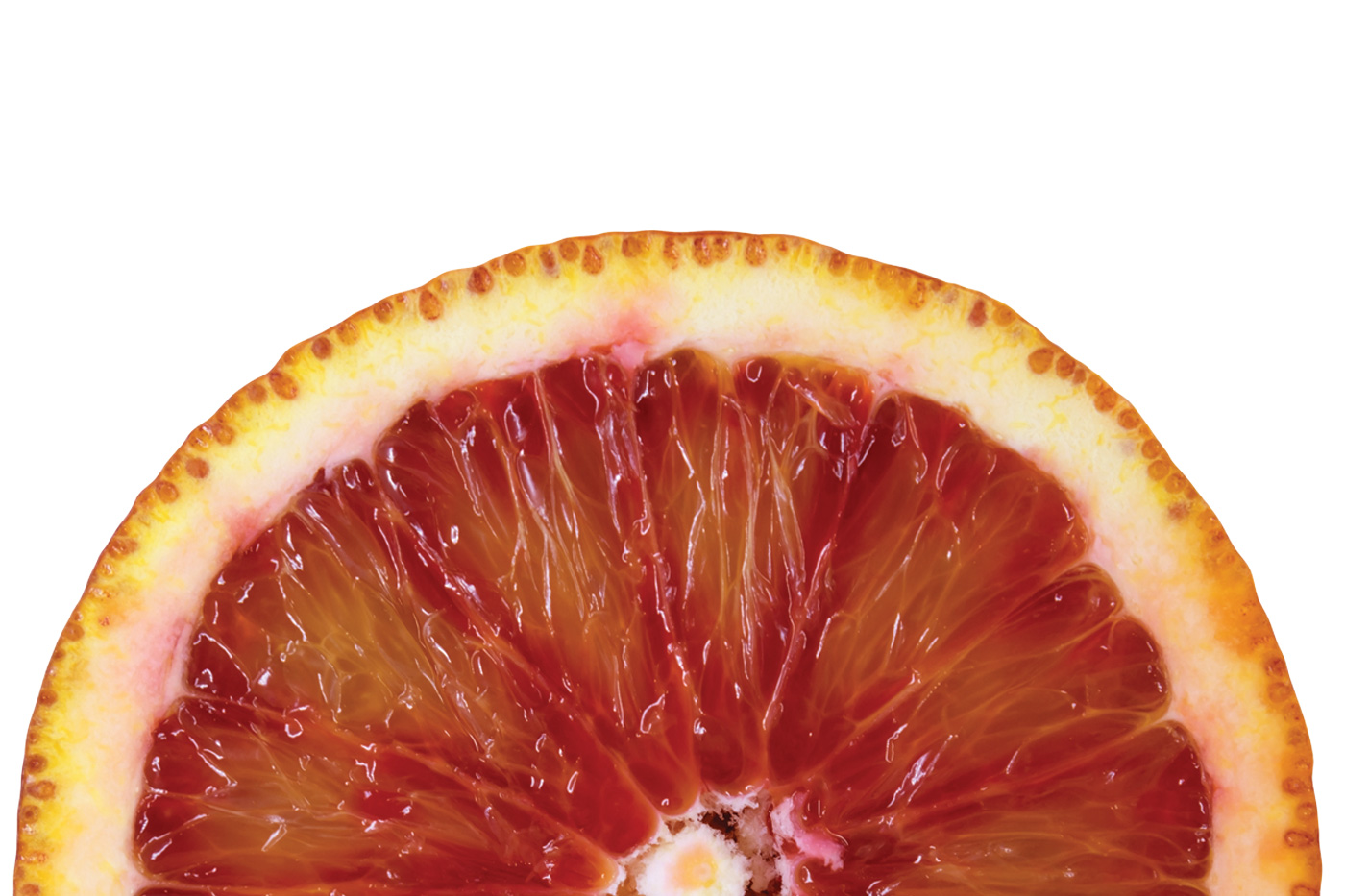
Cold storage boosts blood orange properties
A new study from the University of Florida found that storing blood oranges at cooler temperatures (10°C to 12°C) can boost the fruit’s healthful effects and physical properties.
The study, published in Food Chemistry Advances, examined the chemical composition and physical attributes of blood oranges stored at varying temperatures for 60 days. Specifically, the researchers analyzed the oranges’ levels of anthocyanins (which are known for anti-inflammatory and antioxidant properties), glucose and fructose levels, firmness, and weight.
According to the results of the study, the concentration of anthocyanins increased by 3000% when stored at 12°C and 2950% at 10°C compared with harvest time temperature, and both glucose and fructose levels increased as well. When stored at 6°C and 8°C, the fruit’s firmness and weight were maintained with slightly smaller concentrations of anthocyanins. The researchers concluded that the sweetness and flavor of the blood orange is not inhibited by the accumulation of anthocyanins during storage.
While the study shows the potential for health benefits of blood oranges, lead author Fariborz Habibi says it is unclear if this will make blood oranges a viable crop in Florida’s citrus industry.
“Although blood oranges typically command higher prices than other common varieties, such as navel or Valencia oranges, it is unclear if farmers could substantially increase their per-acre income by adding them to their crop selection and then storing them for internal color development,” he said in a press release. “Improved fruit quality from the storage method presents a promising opportunity for the Florida citrus industry. However, further study is needed before recommending anything to growers.”ft
Hero Image: © Floortje/iStock/Getty Images Plus
Authors
-
Emily Little Associate Editor
Emily Little is associate editor, Food Technology (elittle@ift.org).
Categories
-
Food Business Trends
-
Consumer and Marketplace Trends
-
Omnivore
-
Food Technology Magazine


