
Collaboration + Innovation at IFT FIRST

 Mary Ellen Kuhn
Food Technology Magazine
It would be hard to capture the full scope and scale of IFT FIRST: Annual Event and Expo, which played out for four days in Chicago’s McCormick Place this past July. But here’s a checklist that might help.
- Did it bring together more than 16,000 engaged attendees from 96 countries eager to exchange ideas, make new contacts, and catch up with longtime business partners and friends? Check.
- Did it feature hundreds of sessions focused on timely, relevant science of food insights? Check.
- Were experts from industry, academia, government, and the nonprofit realm on hand to share their perspectives? Check.
- Did it include a dedicated Startup Pavilion and Pitch Competition with $15,000 in prize money? Check.
- Were there special programs and competitions for today’s students/tomorrow’s science of food leaders? Check.
Here’s our recap of some of the highlights.

INNOVATION
How AI Is Accelerating Innovation
IFT FIRST keynote session speakers shared real-world examples of ways in which artificial intelligence (AI) is advancing the work of food and ingredient companies.
- It can identify new functional ingredients amazingly fast. Nora Khaldi, CEO of AI-driven company Nuritas, highlighted the role the company’s AI platform played in the launch of an ingredient called PeptiStrong, which promotes muscle health. “It’s an ingredient that would have taken 30 million years to discover through traditional ways,” Khaldi claimed.
- It can optimize manufacturing processes via digital twins and simulations. “Digital twins replicate entire production lines in a virtual environment, allowing you to test and refine processes before implementation,” said Ramesh Kollepara, vice president and global chief technology officer, Kellanova.
- It can enhance customer engagement. Kellanova already is testing ways in which it can use AI to support customer engagement. One example is Mr. P, the Pringles brand mascot. Using first-party data, Mr. P’s AI-powered persona can engage with customers all over the world through the brand’s website. Mr. P is a whiz at answering customers’ questions, Kollepara said.
I think the artificial intelligence panel discussion was very, very interesting—how it is integrating with consumers and also how the variables with smart technology will influence the food industry to develop new ingredients … or new products.

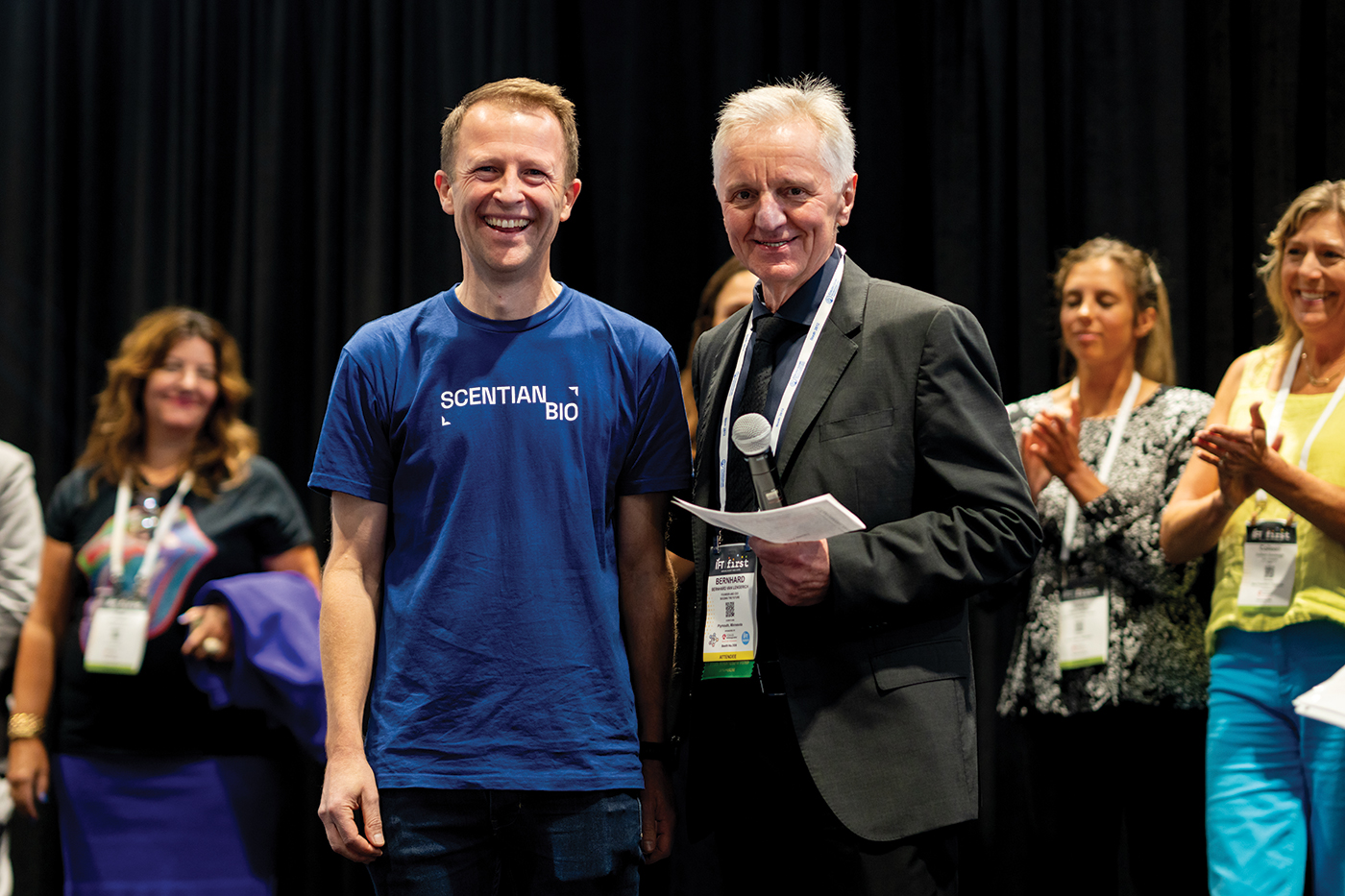
Startup Scentian Bio Wins $10,000 Prize
New Zealand–based tech company Scentian Bio won the grand prize in the IFT FIRST Pitch Competition in which 13 startups vied for top honors. Applying a combination of insect biology and nanotechnology, Scentian makes handheld sensor devices that mimic insect odorant receptors to analyze a sample. Machine learning is then used to interpret the results. Here Bernhard van Lengerich (right), founder of the Seeding The Future Foundation, which sponsored the Pitch Competition, congratulates Scentian Bio CEO Jonathan Good.
Startups NuCicer, an ingredient company that specializes in chickpea flours and proteins, and Chainparency, a blockchain-enabled traceability software company, each received a $2,500 award as a runner-up in the competition.
We started last year in the Startup Pavilion, and now here we are on the Expo floor. IFT FIRST has provided an amazing touchpoint with all of our customers and potential customers.


Students Step Into the Winner’s Circle
Here are some of the winners in IFT FIRST competitions that challenged science of food students. Get more details on student competition winners at content.ift.org/2024-student-winners.
IFTSA & Mars Product Development Competition — Chapman University for SOL — Spice of Life, a vanilla chai-flavored wellness beverage
Developing Solutions for Developing Countries Product Development Competition — University of Costa Rica for HopEnergy, an instant powdered drink designed for migrants passing through Costa Rica
Smart Snacks for Kids Product Development Competition — McGill University for Magic Mud Pot, an alternative to traditional chocolate pudding, designed to be more healthful
American Egg Board Eggcelerator Lab Product Development Competition — Eggspresso, a dried powder that transforms into a high-protein iced coffee beverage when added to ice water, created by Sanket Prakash Vanare and Mackenzie Bui from the University of Georgia, Athens
Graduate Research Video Competition — Ivannova Lituma from Louisiana State University for her research on “Effect of UV-C Light Treatment Against Listeria monocytogenes on Hydroponically Grown Lettuce and Its Effect on Quality.”
Undergraduate Research Competition — Stefhanie Loaiza-Sánchez from the University of Costa Rica for her research on “Prevalence and Inactivation of Salmonella in Microwaveable Frozen Ready-to-Eat (RTE) and Not-Ready-to-Eat (NRTE) Chicken Products.”
College Bowl — University of Wisconsin–Madison
Excellence in Leadership: Graduate and Undergraduate — Graduate Student Winner: Cyprian Syeunda from Texas A&M University; Undergraduate Student Winner: Sebastián Andrés Garzón García from Universidad San Francisco de Quito
Chapter of the Year — Iowa State University

COLLABORATION
Partnering Up for Problem Solving
Confronted with thorny food system challenges, no one group or sector should go it alone. That message emerged repeatedly at IFT FIRST.
Here are three areas where collaboration is critical, according to some of the thought leaders who took the stage in Chicago.
1. Achieving food safety goals. “It is not possible to really make progress in this space without collaboration,” said Jim Jones, deputy commissioner for Human Foods at the U.S. Food and Drug Administration. “We need to be collaborating with our state partners, the industry, and other stakeholders to find solutions that work for more entities than not.”
2. Advancing health equity and nutrition security. The food industry has a role to play in moving “food is medicine” approaches forward, as do government and academia, agreed panelists in a session on nutrition security.
To foster collaboration, the U.S. Department of Agriculture’s (USDA) MyPlate Plan public-private partnership has brought together nearly 150 players across all sectors to brainstorm ideas, Caree Jackson Cotwright, director of nutrition security and health equity at USDA’s Food and Nutrition Service, told a keynote session audience.
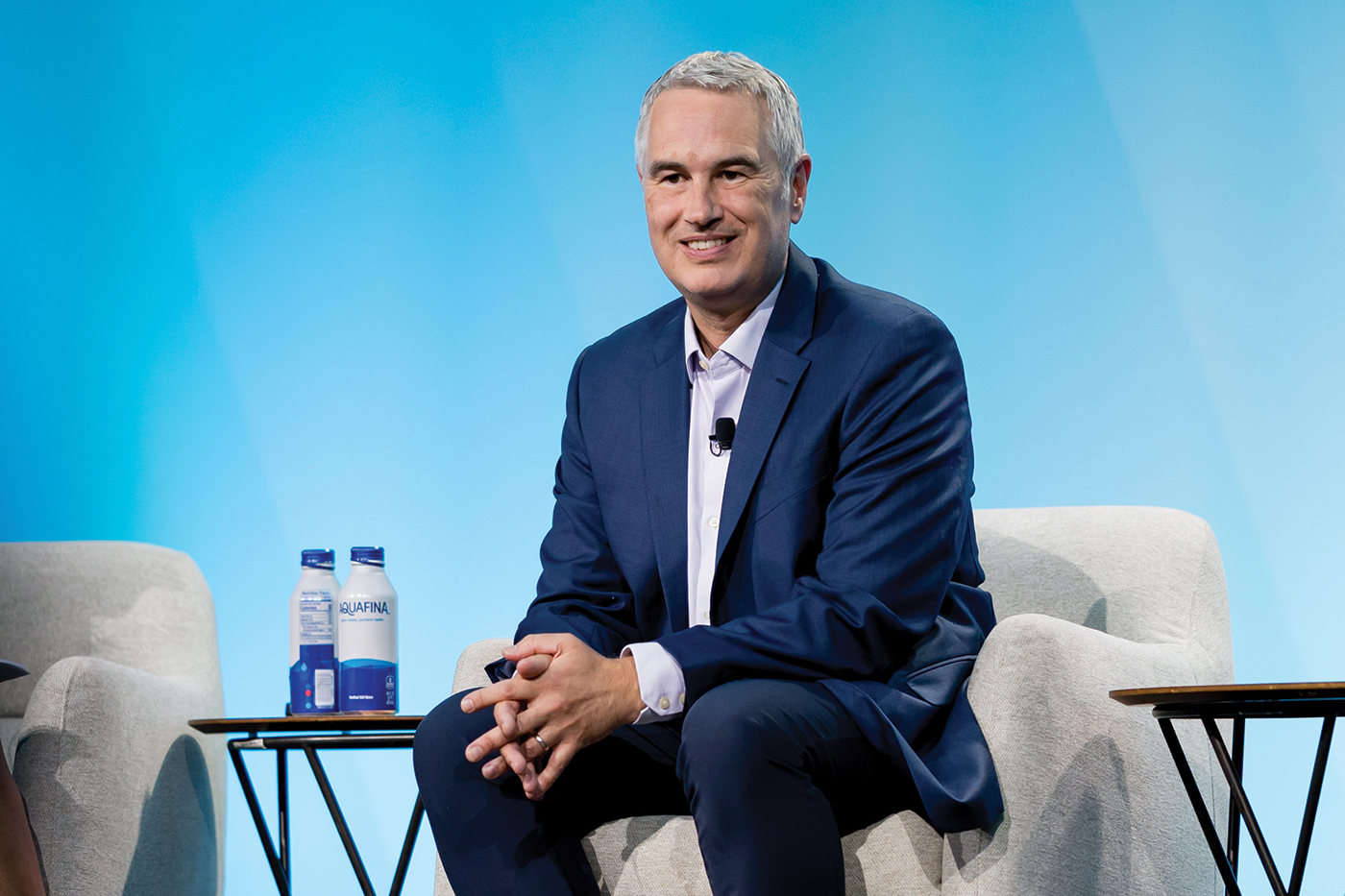
3. Understanding UPFs. The topic of ultra-processed foods (UPFs) can be polarizing, but all sectors need to work together to arrive at a better understanding of the mechanisms by which UPFs affect health, IFT FIRST presenters, including National Institutes of Health Senior Investigator Kevin Hall, agreed.
“It’s amazing to me that more research isn’t being conducted to try to figure out is there a causal pathway,” Hall reflected. … “Is there a mechanism by which things are related? … We need to not just argue about mechanisms but design studies that actually get to the bottom of it.”
Hall said he hopes to begin conversations about collaborative research initiatives with members of the science of food community because he would like to see experts from industry, government, and academia join forces to come up with answers to some of the unknowns about UPFs.
“What we really need to do is meet with food scientists who can engineer foods along different hypothetical pathways,” he continued. “We need multidisciplinary teams of researchers.”
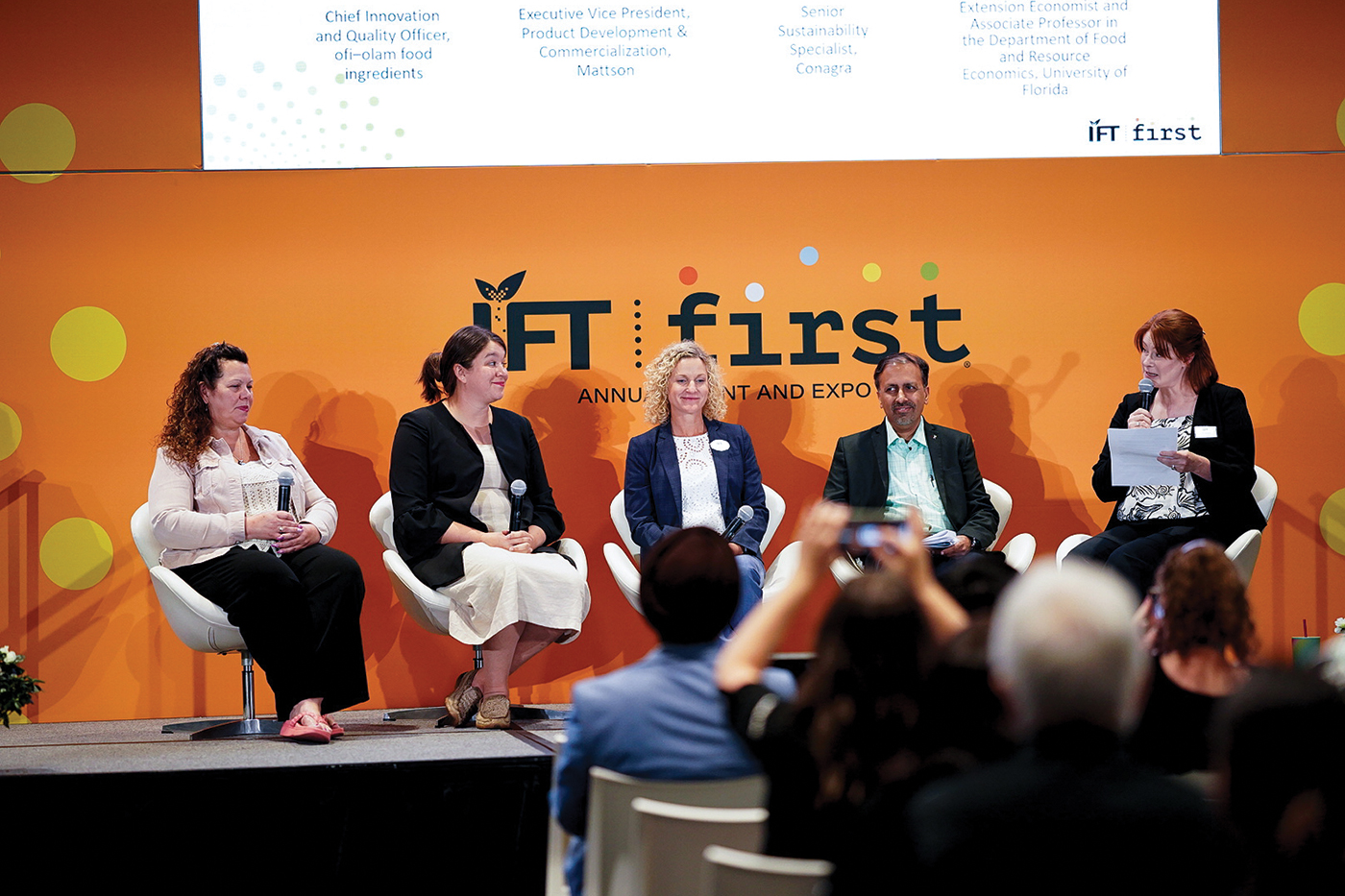
Speakers Share Smart Sustainability Strategies
From the Business FIRST stage to the main stage, climate change and sustainability were in the spotlight at IFT FIRST. And with good reason.
Scientists predict that by the end of this century, 30% of the population will be living in places where it is too hot to grow food, said Sarah Reisinger, chief science and research officer at dsm-firmenich, speaking in a featured session. Ensuring food system sustainability is imperative, Reisinger said, “if we want our children and grandchildren to have a life similar to ours.”
In a Business FIRST session, panelists shared practical examples of ways in which food companies already are working to ensure that their supply chains can weather the impact of climate change.
Partnerships will be critical, panelists said. For example, ofi (olam food ingredients) has partnered with Unilever’s Knorr brand on a project to improve the water supply in drought-stricken California and it teamed with Mondelēz on a project to address the impact of pests and disease on crops, said Kamesh Ellajosyula, president and chief innovation and quality officer.
At Conagra, “we’re constantly looking for agricultural and company partnerships to help grow and optimize the products we’re using,” said Kenzie Bear, the company’s senior sustainability specialist.
And in a keynote session featuring winners of the Seeding The Future Global Food System Challenge, the audience heard from representatives of organizations that are implementing programs to bolster food security while advancing planet-saving practices.
In India, for example, Challenge Grand Prize winner Naandi Foundation is supporting small farmers with guidance on how to sustainably till their lands while also gathering data on individual farms with the goal of promoting continuous improvement.
I think that one thing that should be taken away from it [the Business FIRST panel discussion on careers] is that each generation can provide different insights—whether they are Gen Z or millennial, like myself, or someone who is the [baby] boomer age.

Get Ready for Generation Alpha
At nearly two billion current and future consumers, Generation Alpha (those born or to be born between 2010 and 2025) is the largest in world history. Which means, of course, that effectively targeting Gen Alpha with food and beverage products should be a priority for food companies.
At IFT FIRST, Melanie Zanoza Bartelme, associate director, global food analyst at Mintel, and Mike Kostyo, vice president at Menu Matters, shared their thoughts on reaching this important demographic segment. Some highlights:
Authenticity matters, but mixing it up is fine. “Younger generations know when you’re faking it,” said Kostyo. But Gen Alpha is multicultural, so they’re likely to be receptive to products that don’t conform to traditional approaches, Bartelme added.
Think beyond burgers and pizza. Kids’ palates are more sophisticated than in the past as millennial parents have introduced them to global fare. So bring on the sushi and enchiladas.
Parents like kid-friendly functional fare. Snacks that deliver functional benefits are trending. And prebiotics and probiotics in baby food win points with parents.
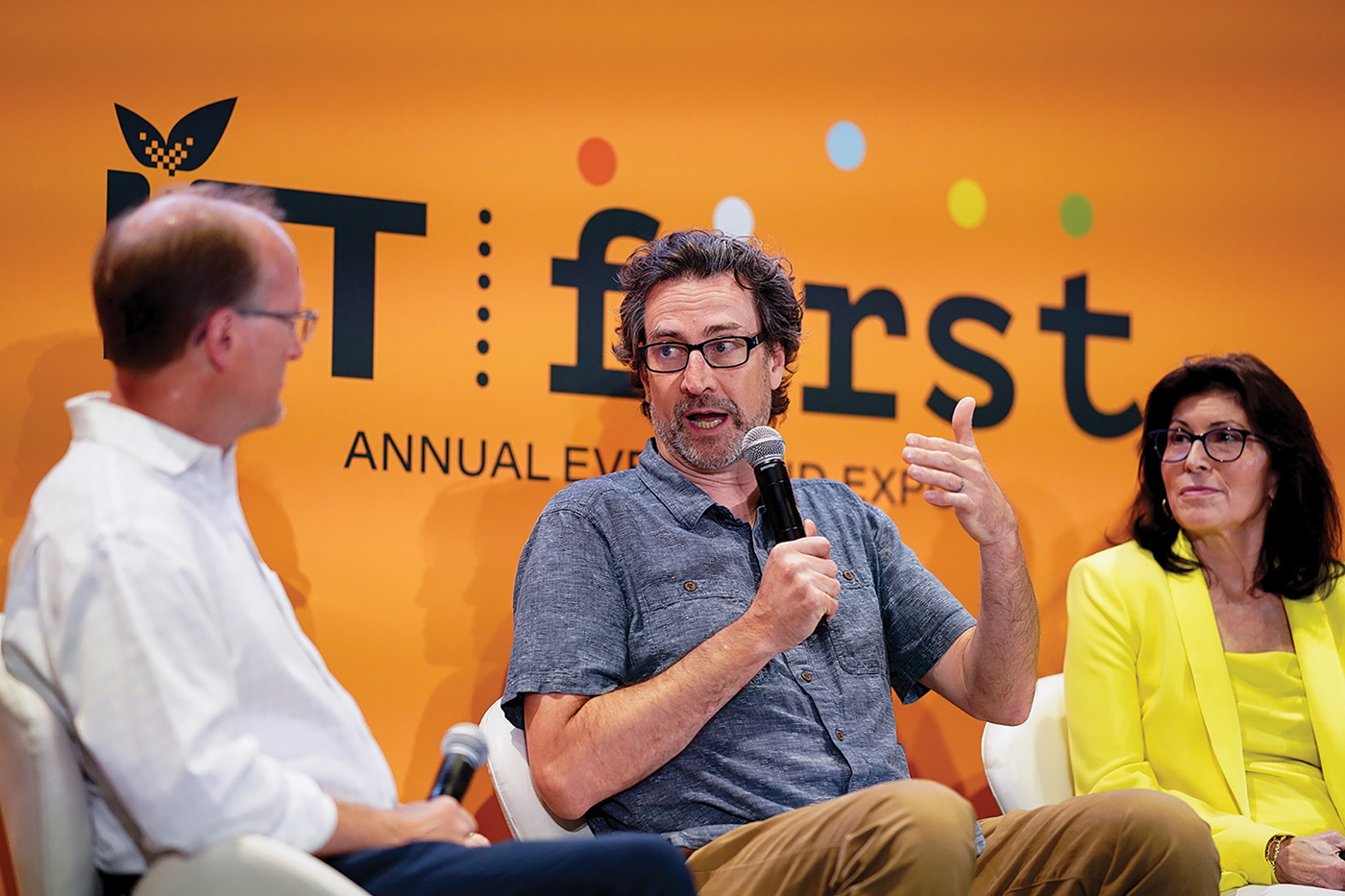
Better Times Ahead for CPG Companies?
Inflation has taken a serious toll on both budget-stressed consumers and CPG companies, which continue to struggle with high inputs costs, agreed panelists in a Business FIRST session. But there may be some brighter news on the horizon.
Panelist Jeff Grogg, founder and managing director at JPG Resources, summed it up like this: “There’s a sea change coming in the industry in terms of investment because VCs (venture capital firms) are now on the clock. They can only sit on that money so long, most of them, and so they’re under pressure to move. I think the dynamics are there.
“We’re going to see some aggregation,” Grogg continued. “So this aggregation will lead to different aggregation where there’s going to be a little more focus on growth in some companies and maybe the smaller companies, if you’re a healthy challenger brand, the wind will be in your sails. … All the brands who aren’t well funded or excellent, they’re failing, so there’s got to be more space on shelves [for high-performing brands].”ft
Even MORE from IFT FIRST
- Highlights from the live reporting by Food Technology editors during event.
- Food Technology editors got to chat with lots of influential members of the food community during IFT FIRST. Read the highlights of our conversations with food system thought leaders, including Jim Jones, Kevin Hall, Caree Jackson Cotwright, and more, in "Continuing the Conversation."
Hero Image: © 2024 Axiom Media Group, all rights reserved.
Authors
-
Mary Ellen Kuhn Executive Editor
Mary Ellen Kuhn, executive editor and assistant director of publications, oversees the editorial content of Food Technology magazine.
Categories
-
Food Business Trends
-
Sustainability
-
Food Safety and Defense
-
Innovation and Insights
-
Innovation
-
Career Development
-
Supply Chain Management
-
Networking
-
Leadership
-
Novel Technologies
-
Food Technology Magazine


