
Going for the Gustatory in Virtual Reality, Bioreactor Breakthrough for Cultured Chicken, and More

FOOD WASTE
© Amelia NF/iStock/Getty Images Plus
Whey forward
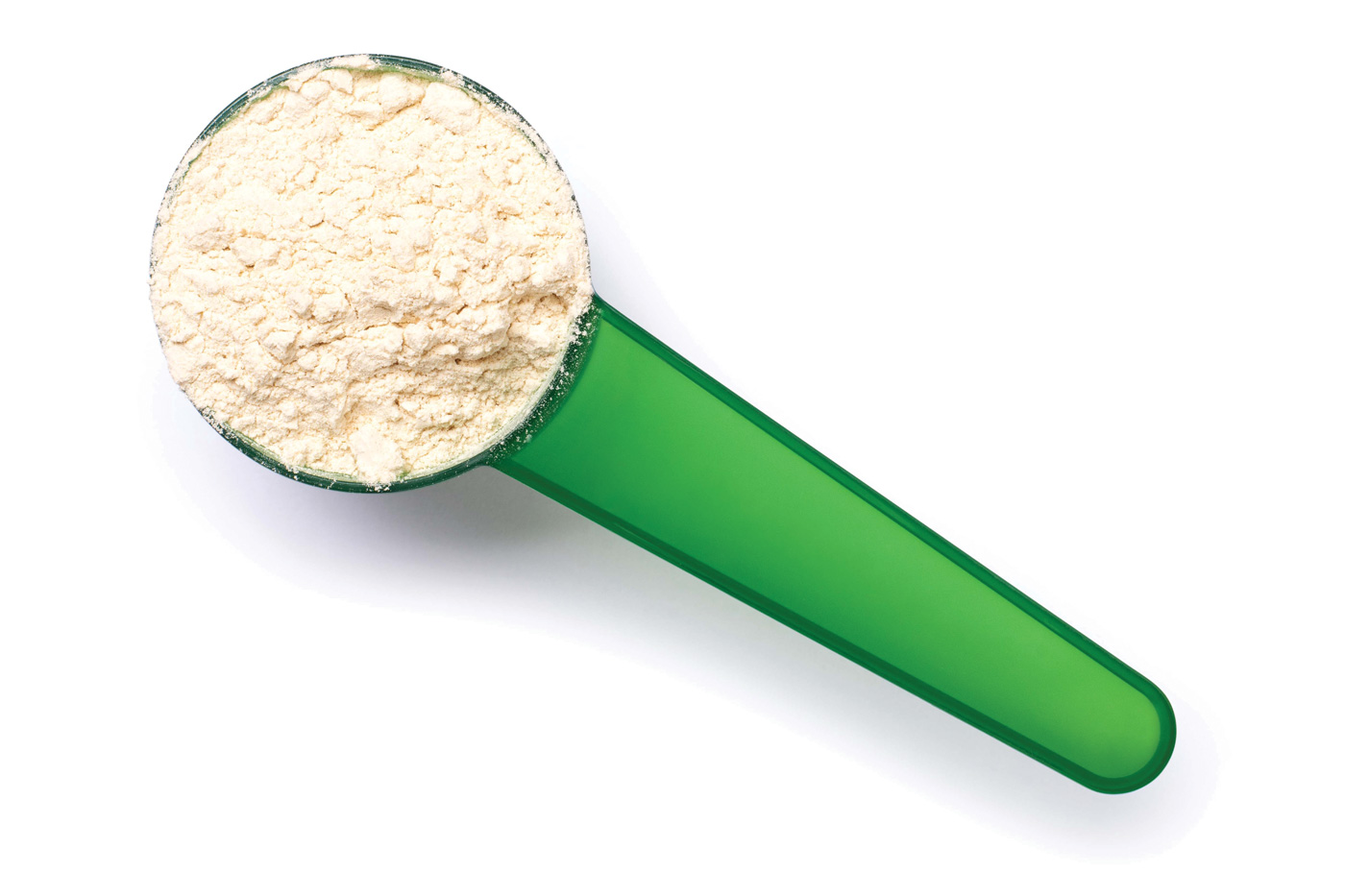
Most whey, a byproduct of cheese manufacturing, goes to waste, but it can be used as a high-value ingredient in other food products, according to researchers at the University of Adelaide in Australia, who authored the briefing report Transitioning to the Circular Economy Through Various Business Models: Lessons For, and From, Australian Cheese Manufacturers. Whey (the liquid remaining after milk has been curdled and strained) can be reused in beer or vodka, protein powders, kombucha, and cooking stocks. The dairy sector contributes nearly 15% of Australia’s food waste, and approximately half of dairy waste is whey, according to the report.
Funded in part by the End Food Waste Cooperative Research Centre in Australia and the Commonwealth Scientific and Industrial Research Organisation, Australia’s science and technology agency, the research project involved interviewing leaders from 42 cheese manufacturers of all sizes across Australia to learn where their whey ends up.
“A key finding of my research is that only a small number of cheese manufacturers, across all production scales, have adopted innovative technologies and business models to upcycle whey into high-value products,” said Jack Hetherington, the report’s lead author and a grant-funded researcher at the University of Adelaide’s Centre for Global Food and Resources, in an article on the university’s website. “The broader sector has been slow to adopt these practices due to a lack of clear incentives, persistent and unique barriers, and an absence of enabling conditions. Despite this, there is significant potential for widespread change in a relatively short period, particularly if collaborative efforts receive greater support.”
The report includes more than a dozen recommendations, for both the supply side and the demand side. One of the suggestions for the supply side is to develop subsidies and/or incentives to improve the commercial viability of whey-based products, such as de-risking and/or co-investing in cold chain, storage, or processing infrastructure. One of the demand-side recommendations is to explore the value proposition of “Upcycled” labeling as part of a broader consumer campaign to influence purchasing decisions.
AGRICULTURE
© Edgie/iStock/Getty Images Plus
Bigger and better eggplants and tomatoes
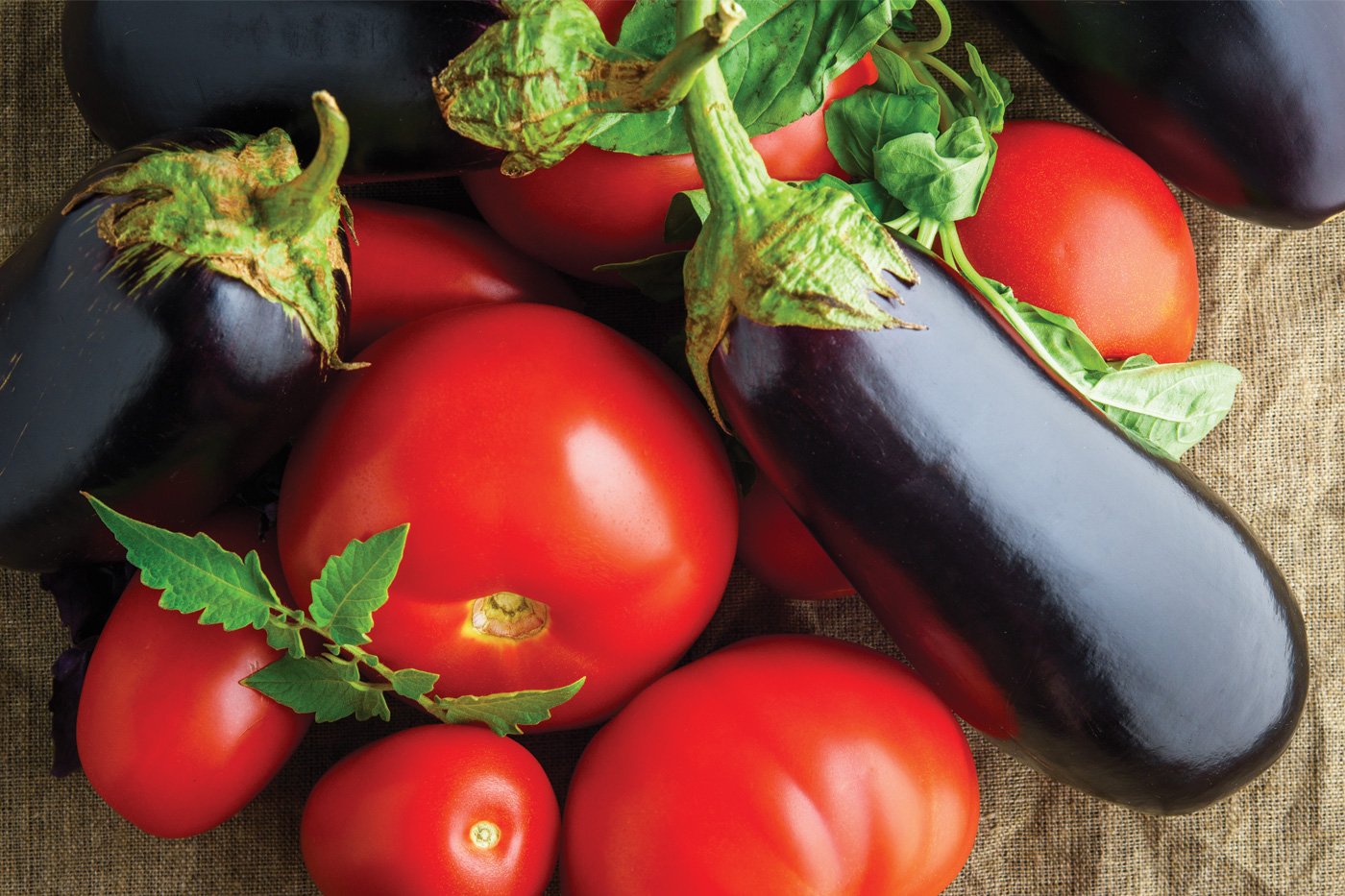
Scientists at Johns Hopkins University—collaborating with researchers at Cold Spring Harbor Laboratory and the Boyce Thomson Institute at Cornell University—have identified and manipulated genes in the Solanum genus of crops (better known as nightshades) to produce significantly larger tomatoes and eggplants. A key goal of this research, published recently in Nature, is to support agriculture and food production in countries where local varieties of these crops are too small for large-scale production.
“Once you’ve done the gene editing, all it takes is one seed to start a revolution,” said Michael Schatz, a Johns Hopkins geneticist and co-author of the study, who is quoted in an article on the university’s website. “With the right approvals, we could mail an engineered seed to Africa or anywhere it’s needed and open up entirely new agricultural markets. There’s huge potential to translate these advances into real-world impact.”
As the Nature article explains, the scientists sequenced the genes of many species within the Solanum genus (a process known as “pan-genetics”) and mapped 150 genes and associated paralogs (genes arising from duplication) affecting traits of agricultural significance, such as flowering time, fruit size, and fruit shape. Selecting for fruit size, the researchers were able to grow larger tomatoes by editing the SaetSCPL25-like gene in tomato plants, after discovering that this gene in African eggplants controls the number of seed cavities in the fruit. The researchers were also able to grow bigger eggplants by applying genetic insights from other Solanum species.
“A transformative opportunity lies in exchanging genotype-to-phenotype knowledge between major crops (that is, those cultivated globally) and indigenous crops (that is those locally cultivated within a circumscribed area) to enhance our food system,” emphasize the study’s authors.
FOOD SECURITY
© Rahman Ali/iStock/Getty Images Plus
Neutralizing fungal firepower
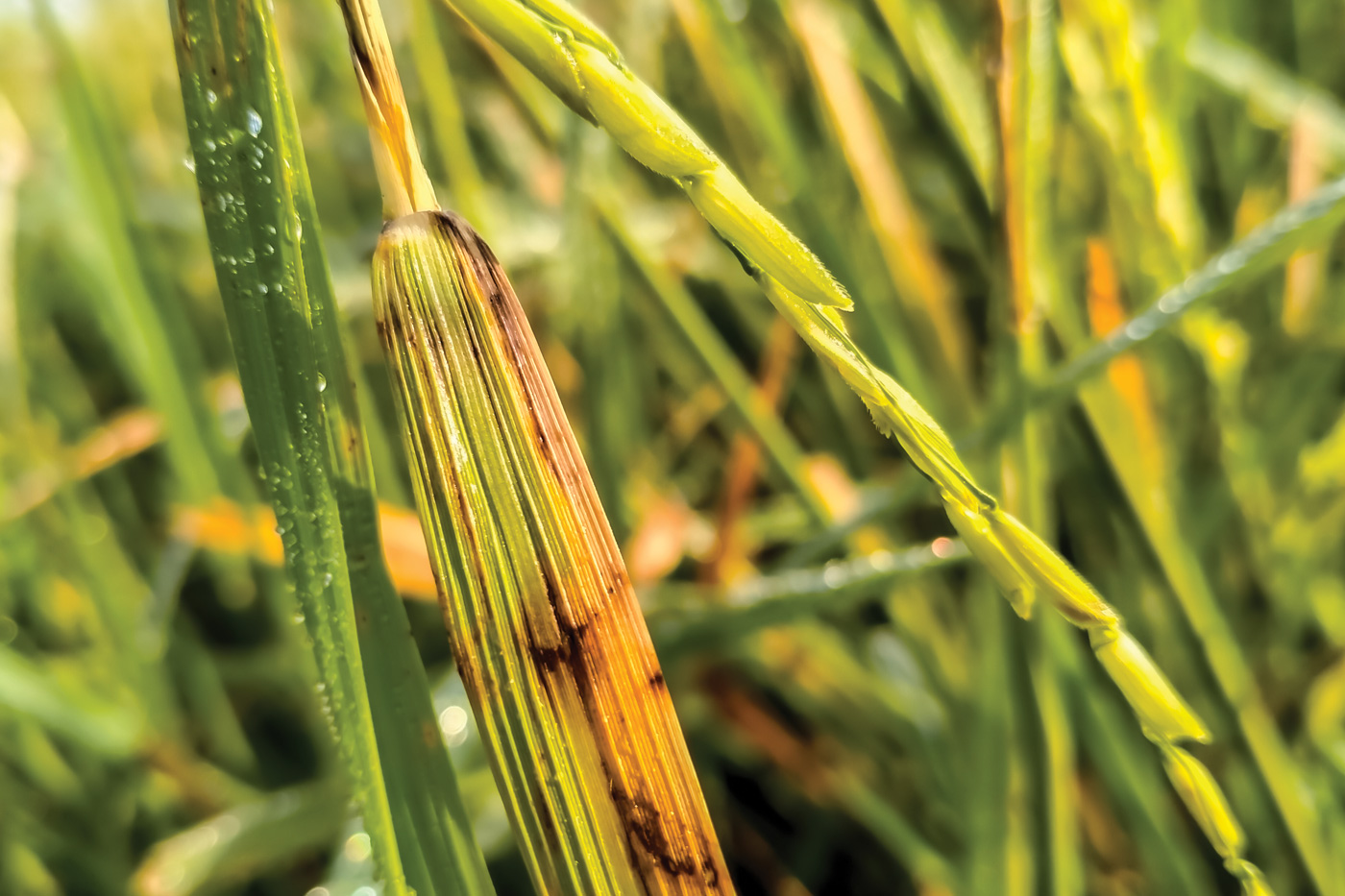
The identification and analysis of a “weapon” used by disease-causing fungi to destroy corn, rice, and other key crops could lead to the development of more resilient food crops and better global food security, according to researchers at the Australian National University, working in collaboration with scientists at RWTH Aachen University in Germany and Louisiana State University. Many fungal pathogens use the enzyme NUDIX (an acronym for nucleoside diphosphate‐x) hydrolase to infect and cause disease in plants, state the authors of the study, published recently in Science. Given that every year, farmers globally lose an estimated 10% to 23% of their crops to fungal disease, genetically engineering crops to deactivate this enzyme and block its function could go a long way toward improving yields and combating worldwide hunger, the researchers emphasize.
“Much of our work focused on the pathogenic fungus Magnaporthe oryzae, which causes rice blast disease,” said study co-author Simon J. Williams, an associate professor in Australian National University’s Research School of Biology, quoted in an article on the university’s website. “Rice is a critically important food staple,” he said, adding that eliminating losses from rice blast could help feed 60 million people each year.
The study explains that NUDIX hydrolase infiltrates plant cells and “hijacks” key molecular pathways, leading the plant to assume it has a shortage of phosphate, a vital nutrient for plant survival. This triggers a starvation-like response in the plant and lets the fungal pathogen elude the natural defense mechanisms of the plant’s immune system. The researchers state that their work has wide applications because many different fungi use NUDIX hydrolase as a weapon against a variety of fruit, vegetable, and seed crops. Besides rice and corn, the affected crops range from mangoes and melons to chickpeas.
TECHNOLOGY
Going for the gustatory in virtual reality
Virtual reality (VR)—a computer-generated simulation of a three-dimensional environment with which someone wearing a special headset and sometimes also gloves with sensors can interact in an immersive way—has heretofore not been able to effectively replicate an experience involving all five senses. Researchers at The Ohio State University (OSU) say that is about to change; the authors of a recent study published in Science Advances have developed a new technology that will transform the VR experience by allowing individuals to taste various food flavors during the immersive simulation.
This “e-Taste” interface combines sensors and wireless chemical dispensers to create the perception of gustation. The sensors are able to recognize the chemicals (such as glucose and glutamate) that represent the five basic tastes of sour, salty, sweet, bitter, and umami. As an article on OSU’s website explains, “once captured via an electrical signal, that data is wirelessly passed to a remote device for replication.”
This breakthrough system uses a two-part actuator: an interface to the mouth and a small electromagnetic pump. “The pump connects to a liquid channel of chemicals that vibrates when an electric charge passes through it, pushing the solution through a special gel layer into the mouth of the subject,” notes the OSU article. The intensity of any taste can be adjusted, based on the length of time the solution interacts with the gel layer. Tastes can also be combined.
Not only will this research lead to the development of better gaming experiences, but it could also help provide scientists with a deeper understanding of how the brain processes sensory signals from the mouth, according to study co-author Jinghua Li, an assistant professor of materials science and engineering at OSU, who was interviewed by the university for the website article.
RESEARCH
©Liudmila Chernetska/iStock/Getty Images Plus
A bioreactor breakthrough for cultured chicken
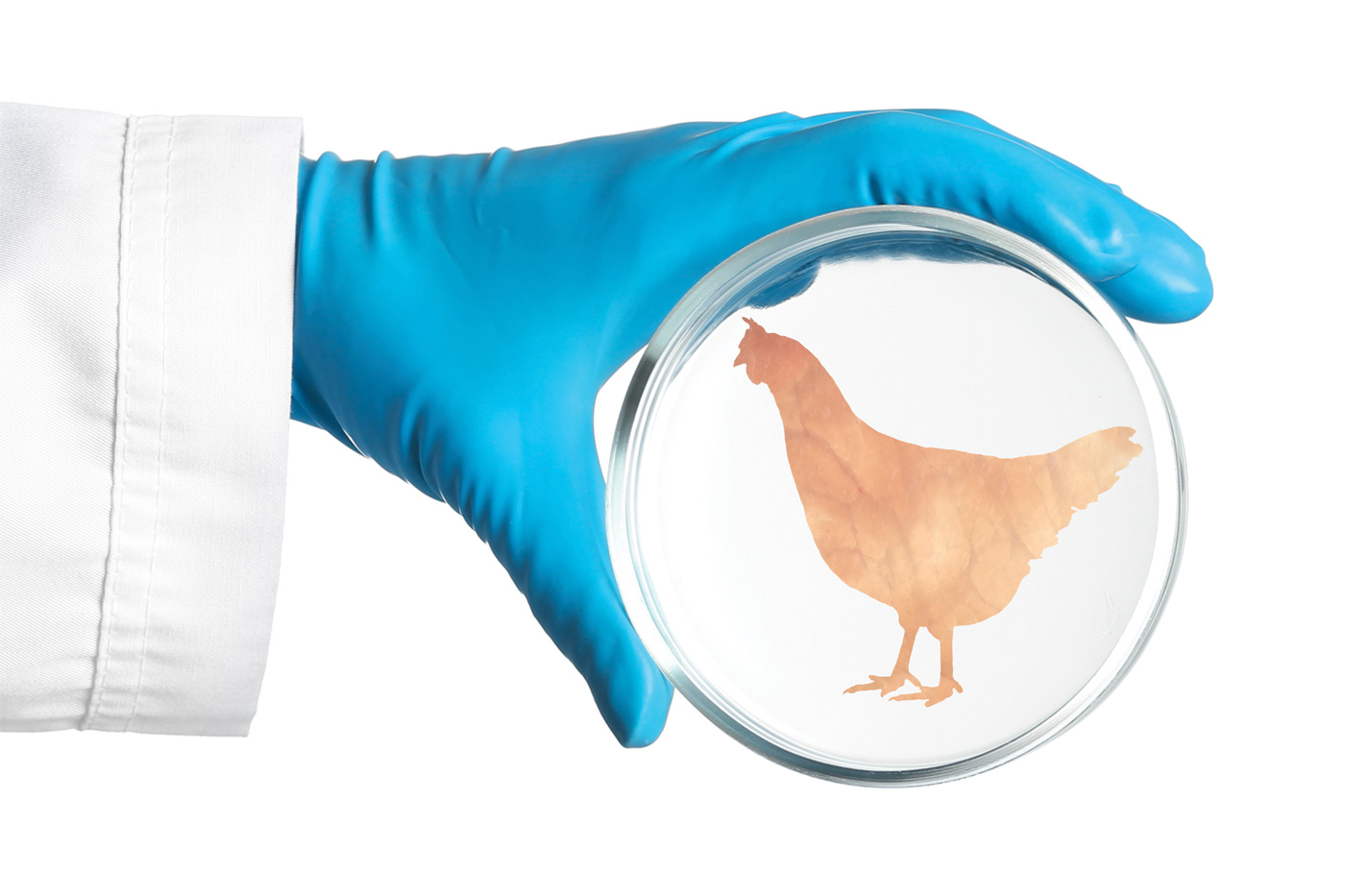
Researchers at the University of Tokyo have developed a method for making more flavorful, better-textured cultured chicken by using a perfusable hollow-fiber bioreactor (HFB), according to an article in Trends in Biotechnology. The HFB includes “an array of closely packed semipermeable hollow fibers that function as artificial circulation systems, ensuring uniform nutrient and oxygen distribution throughout the tissue,” explains the peer-reviewed article published by Cell Press. The bioreactor is also equipped with microfabricated anchors for promoting cell alignment.
“When using active perfusion, biofabricated centimeter-scale chicken muscle tissue exhibited an elevated level of marker protein expression and sarcomere formation throughout the tissue, along with improved texture and flavor,” stated the authors of the study, who emphasize that the technology is scalable and, with full automation, could revolutionize both the cultured meat and tissue engineering fields.
AQUACULTURE
©anderm/iStock/Getty Images Plus
Making the most of mariculture
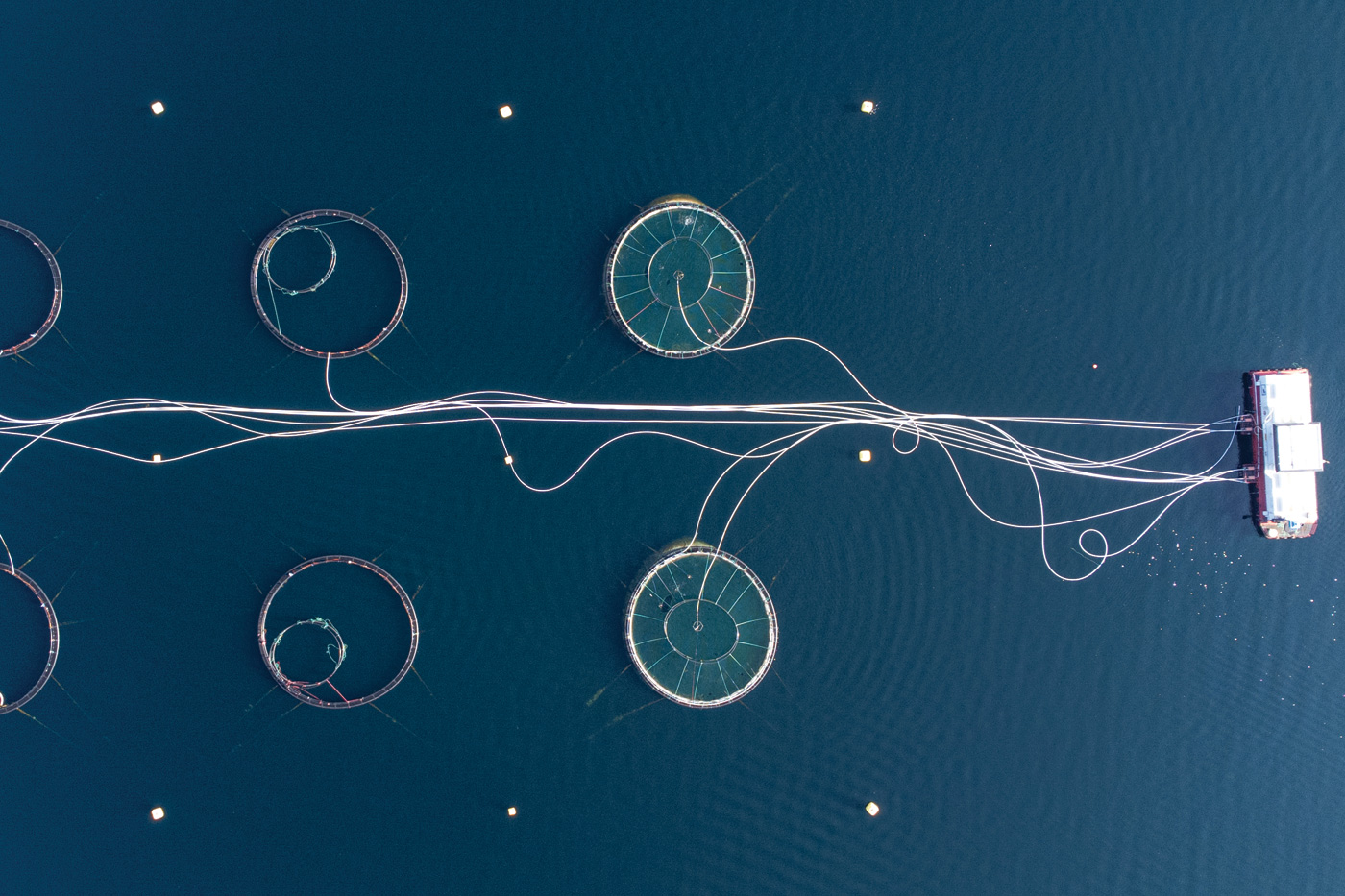
Marine aquaculture, or mariculture, defined as the farming of salt water seafood, offers a great opportunity to help feed the planet, as long as strategic measures are embraced to minimize any adverse impact on biodiversity, according to Deqiang Ma, the lead author of a study published in Nature Ecology & Evolution. “With strategic planning, we can achieve the goal of conserving marine species while meeting the global demand for the expansion of mariculture,” said Ma, a postdoctoral researcher at the University of Michigan School for Environment and Sustainability, in an article on the university’s website.
Ma and an international team of researchers developed a model to evaluate mariculture’s impact on more than 20,000 species of marine fauna. The researchers used the model to establish a baseline for mariculture’s current effects on the populations of those species and then forecast how those numbers would change by 2050 under a range of scenarios, depending on what would be farmed where and what the levels of sea warming and greenhouse gas emissions would be.
The best-case scenario involved maximizing “farm capacity” in areas with the least environmental impact. Under this scenario, “bivalve production could increase by 2.36-fold and finfish could increase by 1.82-fold compared to current production—projections of what is needed to meet global demand—[while] the global mariculture impacts would decrease by up to 30.5%,” Ma said in the University of Michigan news article.ft
Hero Image: © Edgie/iStock/Getty Images Plus
Authors
-
Carolyn Schierhorn
Categories
-
Food Waste
-
Sustainability
-
Cultured Meat
-
Novel Technologies
-
Omnivore
-
Food Technology Magazine


