
Filling the Fiber Gap

-
Learning Objective 1
Learn about the fiber gap in the United States and practical strategies for adding more fiber to the diet for gut health.
-
Learning Objective 2
Gain insight into fiber ingredient trends and new fiber-added product innovations.
-
Learning Objective 3
Discover new research opportunity areas that can help manufacturers with fiber and prebiotic claims development and marketing.
Americans aren’t getting enough fiber in their diets; this is not new news. The Dietary Guidelines for Americans (DGAs) identified fiber as a nutrient of public health concern back in 2005 and since then not much has changed (DGA 2005–2010, DGA 2020–2025). Adult women and men require 25 g and 38 g, respectively, of fiber daily, but on average, data from the National Health and Nutrition Examination Survey shows that men and women consume about 16 g of fiber daily from foods and beverages (USDA ARS 2015–2016). In children, fiber intake data can be more difficult to capture, but published studies show that fiber is low in children who consume a Western diet (Kranz et al. 2012, Hojsak et al. 2022).
Of course, the DGAs recommend consumers eat a wide range of plant foods including whole grains, vegetables, legumes, nuts, and fruit but few of these foods are particularly high in fiber. Most servings of fruits and vegetables contain 1–3 g of dietary fiber per serving. Whole grain servings are higher in fiber than refined grain servings, but still most whole grain servings contain 3–4 g of fiber. Legumes and pulses are concentrated in fiber but also concentrated in starch and calories. Achieving recommended intakes of dietary fiber within a 2,000-calorie diet is difficult, and many consumers choose high-fiber cereals that contain up to 13 g per serving or rely on fiber supplements to get to recommended intakes of dietary fiber. However, with a changing health and wellness landscape, the story extends beyond dietary fiber with new interest in prebiotics, probiotics, postbiotics, and fermented foods, including fermented dairy.
Through the years, there have been major scientific advancements and innovations as a result of complex research that has unraveled the connection between the microbiome and human health. These scientific advancements have opened the door for food, beverage, and supplement manufacturers to develop products with new health benefit areas.
Fiber also has a new place in the American diet, especially for those who are on glucagon-like peptide-1.
New product innovation that includes “biotic” ingredients may increase the need for consumer education. A survey from the International Food Information Council (IFIC) found that over half of those consumers surveyed were familiar with probiotics, but fewer were familiar with postbiotics and synbiotics (IFIC 2022). Familiarity with prebiotics was also relatively low, which suggests that nutrition and scientific education will be key, as companies launch new products into the market.
Needless to say, consumers are increasingly turning to foods, functional beverages, and supplements, because there is interest in supporting gut health and overall well-being. This is exciting and perhaps a new chapter for manufacturers to help consumers meet their unique health and wellness needs.
© LOVE_LIFE/iStock/Getty Images Plus
Fiber Forward
There is a growing awareness of fiber as a key ingredient for gut health and more, but the question is why? When the pandemic hit in 2020, personal wellness peaked and many consumers made it a priority to take control of their own health and that included gut health, due to its connection to the immune system. About four years later, the pandemic receded, but consumer interest in fostering healthier habits remained and fiber was at the forefront. Fiber gets a lot of attention in the health and wellness category because of the vast array of benefits that come from its consumption.
While not all fibers are created equal, many fibers are supportive of gut health, weight and blood sugar management, less cardiovascular disease, and a reduced risk of chronic diseases (Slavin 2013). Fiber also has a new place in the American diet, especially for those who are on glucagon-like peptide-1 (GLP-1) medications. GLP-1 medications can make you feel less hungry and can affect your appetite. With less food intake overall, it is likely you will lose weight, but this may come along with a deficiency in certain nutrients like fiber. GLP-1 medication can also come with some side effects like constipation; including adequate amounts of fiber and fluid in the diet can help with relief.
What many consumers may not know is that GLP-1 is a hormone that is naturally produced in your body in the small intestine and nutrients like fiber can help stimulate the release of the hormone. Feeding the gut with certain types of fiber such as prebiotics, can help stimulate the production of beneficial metabolites that can trigger the release of GLP-1 from the cells in your gut and enhance its action for improving glucose homeostasis and satiety (Mozzaffarian et al. 2025).
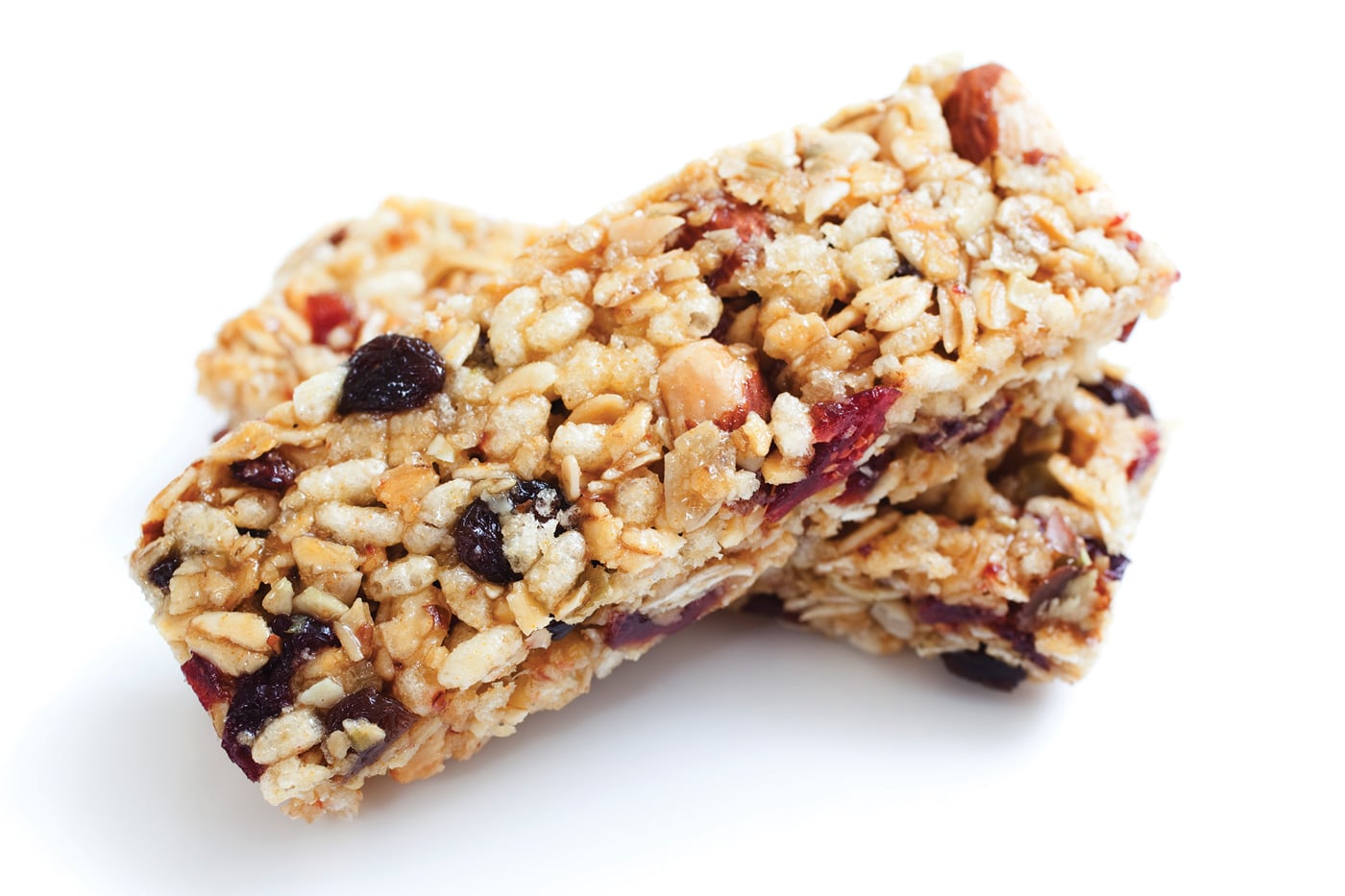
Snack bars, beverages, and baked goods represent the largest categories of products where fiber can be added.
So, what are the fiber-forward strategies that food and beverage manufacturers can incorporate into their product development activities? Snack bars, beverages, and baked goods represent the largest categories of products where fiber can be added. Challenges remain for which fiber to select in these categories, but the wide range of approved dietary fiber makes it possible to add fiber to products to get a “good” or “excellent” source of fiber in many popular foods. Manufacturers are required to list total dietary fiber in the United States, while amounts of soluble and insoluble fiber are optional.
There are no accepted standards for prebiotics, but manufacturers can add prebiotic fiber ingredients and make structure-function claims about how they affect gut microflora. Established fibers—including inulin, galacto-oligosaccharides, partially hydrolyzed guar gum, acacia gum, and others—have many clinical studies that support prebiotic claims. It helps to have clinical studies that support that the prebiotic fibers you are including have been tested at efficacious doses.
According to a recent article, food and beverage manufacturers should consider capturing the market share on GLP-1s and position products that are in line with the consumer GLP-1 experience (NutraIngredients 2025). GLP-1 medication users are navigating a different relationship with food that requires smaller, but more frequent consumption of nutrient-dense foods and beverages. Products with added fiber and high-quality protein can help consumers support their digestive health while meeting protein requirements. Claims in the GLP-1 space are important to communicate to the consumer but manufacturers should understand the regulatory landscape and amount of clinical evidence required to support a robust claim.
Fiber Finds Its Moment
It is an exciting time for dietary fiber and new “biotic” ingredients. Not only do consumers appreciate that dietary fiber is linked to improved immune health, but they also know that dietary fiber lowers serum lipids, moderates blood glucose, and has impressive protective properties for cardiovascular disease, diabetes, hypertension, and weight gain. Nutrition scientists and professionals continue to promote high-fiber diets, appreciating that fiber can be added to popular foods that will increase intake of this important nutrient by all consumers and help bridge the significant fiber gap.ft
Fast Facts on Fiber
Incorporating dietary fiber into a wider range of foods, including snacks, desserts, and beverages, is a growing trend driven by consumer demand for healthier options without compromising taste or convenience. Here are some key benefits and considerations for this trend:
- Meeting daily needs. Many individuals struggle to meet the recommended daily fiber intake, which is 25 g for women and 38 g for men. Fortified foods offer a convenient way to bridge this gap.
- Zero or low-calorie fiber sources. Certain fibers, like soluble fiber from psyllium, are not digestible by the body and thus contribute no calories. This is particularly appealing for those looking to manage weight or calorie intake while still benefiting from fiber.
- Addressing intestinal gas. Some fiber types, especially when consumed in large amounts or by individuals unaccustomed to high fiber diets, can cause gas and bloating. However, certain fiber supplements and fiber-rich foods, such as methylcellulose and psyllium husk (if consumed with enough water), are less likely to produce gas.
- Easy integration. Fiber can be easily added to various food formats, such as:
- Snacks. Energy bites, granola bars, roasted chickpeas, kale chips, and popcorn.
- Desserts. Baked goods, smoothies, chia seed puddings.
- Beverages. Smoothies and specialized fiber-infused drinks.
Hero Image: © Floriana/iStock/Getty Images Plus
Authors
-
Renee Korczak
-
Renee Korczak, Joanne Slavin
Categories
-
Food Health Nutrition
-
Food Ingredients and Additives
-
Dietary Guidelines
-
Functional Foods
-
Fiber
-
Applied Science
-
Food Technology Magazine


