
Advancing Safety in the Seafood Supply Chain

 Blake Harris
Brain Food Blog
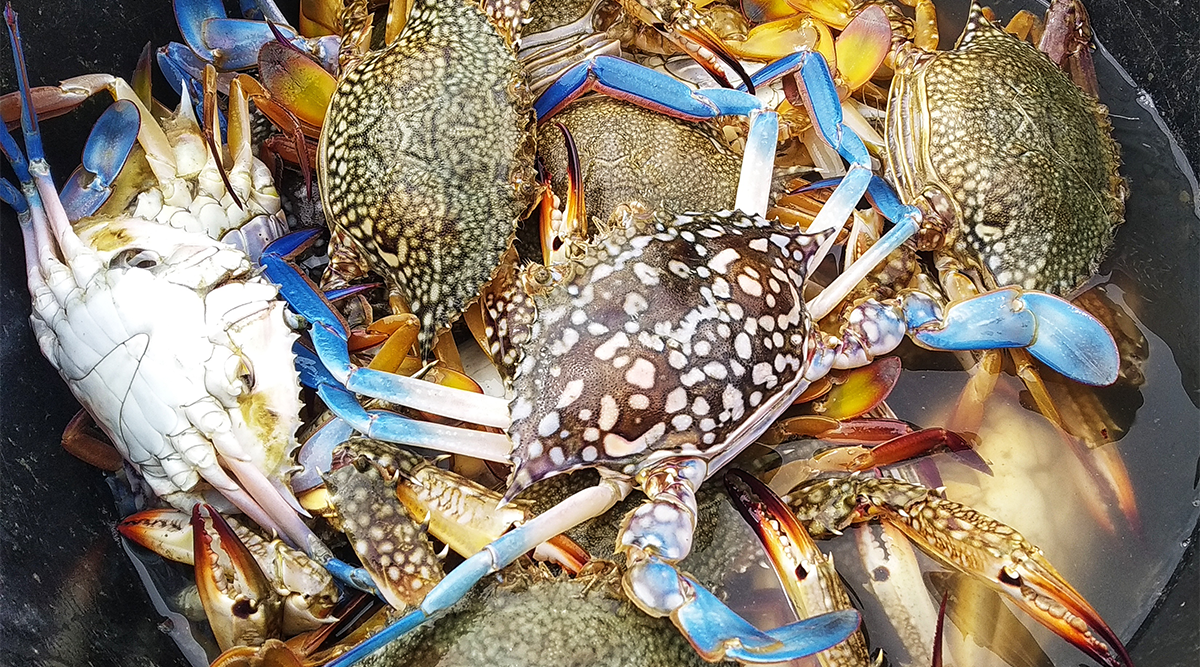
Each year, vast quantities of seafood slip into global markets with no paperwork, no accurate catch records, and no proof of where—or how—they were caught. This illegal, unreported, and unregulated (IUU) fishing costs the global seafood economy up to $36.4 billion annually and represents roughly 20% of all wild-caught fish. The damage goes far beyond lost revenue: IUU fishing depletes marine life, destabilizes coastal economies, and erodes trust in the seafood on our plates.
Addressing this crisis requires more than local enforcement; it demands global coordination and robust traceability systems—the kind championed by the Global Dialogue on Seafood Traceability (GDST). Established in 2017 by the World Wildlife Fund and the Institute of Food Technologists’ Global Food Traceability Center (GFTC), the GDST was created to set a common language for tracking seafood through the supply chain, promoting ethical, responsible, and sustainable practices.
By developing interoperable standards, it aimed to ensure that seafood traceability systems in different countries and companies would all “speak the same language.” This means that information about a fish—where it was caught, how it was processed, and when it was shipped—would be shared, read, and verified across all systems. These standards make it easier to detect illegal catches and provide consumers with reliable, safe seafood.
In 2020, the GDST published the first global seafood traceability standard—a landmark step toward harmonizing data and practices across countries. And now, five years later, the initiative has reached a pivotal milestone: in January, Indonesia, one of the world’s largest seafood exporters, became the first country to commit to aligning its national traceability system, Stelina, with GDST standards.
This alignment is far more than a bureaucratic exercise: it captures critical information at every step—from fishing vessels to processing facilities to export—strengthening supply chain integrity, reducing opportunities for IUU fishing, and setting a precedent for other nations. For global markets, it means more reliable seafood, better protection for consumers, and a level playing field for producers.
I witnessed this momentum firsthand in June when I traveled to Indonesia to attend the Stelina kick-off event, hosted by the country’s Ministry of Marine Affairs and Fisheries. I had the privilege of speaking on a panel addressing the challenges industries face in meeting varying traceability requirements across markets. We discussed how Indonesia’s efforts—and those of other forward-looking nations—can support harmonization, making compliance easier while reinforcing responsible practices.
Consider Europe’s Fisheries Control Regulation as an example. The law mandates vessel tracking, electronic catch reporting, and phased digital traceability, starting with fresh and frozen seafood before expanding to processed products. These rules, applying to both domestic and imported goods, aim to curb IUU fishing while providing consumers with reliable information. Other countries, including the United States, Chile, and Japan, are updating regulations with similar goals.
Indonesia’s commitment to GDST standards comes at a strategic moment. By aligning its traceability system with a globally recognized framework, the country positions its seafood industry to meet diverse market demands while contributing to a future in which traceability is harmonized across borders. For industry stakeholders, the benefits are clear: streamlined compliance, scalable tools, and stronger supply chains. For consumers, it means greater confidence in the safety and legality of the seafood they purchase.
Global seafood markets are interconnected, and challenges like IUU fishing cannot be solved in isolation. Indonesia’s leadership, together with the work of the GDST, demonstrates that harmonized standards are not only essential—they’re possible. By moving toward a unified approach, we can safeguard marine resources, protect livelihoods, and ensure that the seafood on our plates is both safe and sustainable.
Learn more about the Global Food Traceability Center and its research, resources, and customizable services that help organizations implement traceability solutions across the supply chain.
Authors
-
Blake Harris Technical Director of IFT's GFTC
Blake Harris is technical director of IFT’s Global Food Traceability Center.
Categories
-
Food Business Trends
-
Food Safety
-
Food Safety and Defense
-
Food Traceability
-
Supply Chain Management
-
Brain Food Blog


