
Achievement Award Winners | INNOVATION
Celebrating Achievement
For 80 years, IFT has honored achievements in research, applications, and service in and to the fields of food science and technology, dating back to the first presentation of the Nicolas Appert Award in 1942.
IFT is grateful to member jury volunteers and to those who nominate their peers so that they may be recognized for their important work in the science of food. None of this would be possible without them.
To the 2022 Achievement Award recipients–We salute you!

Achievements in Microbial Research for Food Safety in Honor of Gerhard J. Haas
Vivian C. H. Wu, PhD, Research Leader, U.S. Department of Agriculture, Agricultural Research Service
For her innovative research into the microbial aspects of food safety, Vivian Wu is named the 2022 Gerhard J. Haas Achievement Award recipient. Wu’s innovations include the use of aqueous ClO2 and compounds in cranberries and blueberries as antimicrobials, development of advanced biosensors to detect viable foodborne pathogens, and a Thin Agar Layer Oxyrase method for improved recovery of injured foodborne pathogens, as well as research into the interplay between phages and their bacterial hosts to prevent the emergence of foodborne pathogens. These achievements have immensely benefitted the food sector and have significantly impacted food supplies and public health.

Distinguished Career Award in Honor of Carl R. Fellers
Purnendu Vasavada, PhD, Professor Emeritus of Food Science, University of Wisconsin–River Falls
Purnendu Vasavada, the 2022 recipient of the Distinguished Career Award in Honor of Carl R. Fellers, is recognized for his lifelong dedication to developing a worldwide infrastructure to advance science and safety in the food industry. As a university professor and extension specialist, he has effectively communicated scientific information related to food safety, quality, nutrition, and other relevant aspects of the food supply to the profession, governmental and international agencies, and the public. Additionally, he has raised awareness of the importance of the profession among academic and scientific communities, governments, and lay audiences worldwide.
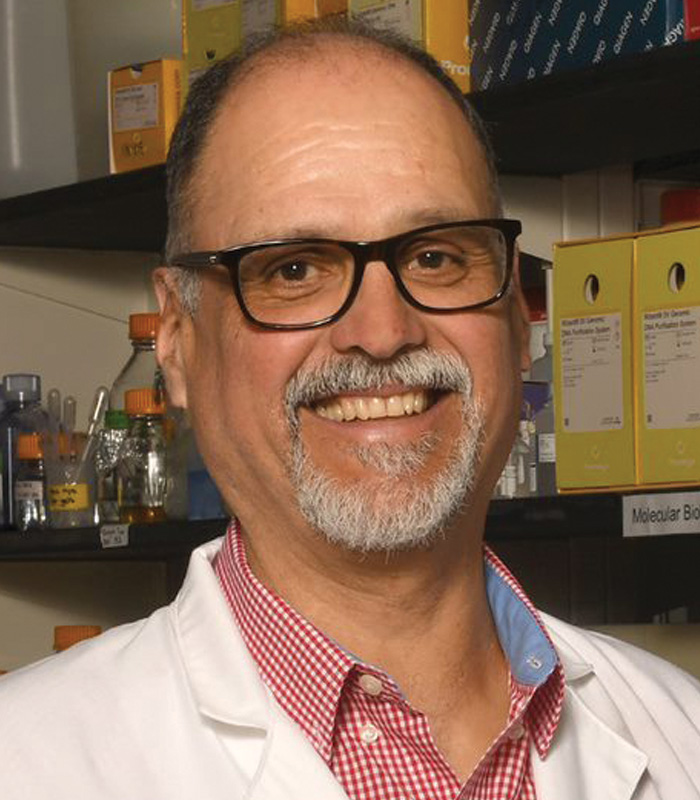
Excellence in Education Award in Honor of William V. Cruess
Rafael Jiménez-Flores, PhD, Professor, The Ohio State University
Rafael Jiménez-Flores, recipient of the 2022 Excellence in Education Award in Honor of William V. Cruess, received nominations from students and colleagues that reflected his mastery of the subject matter, his ability to communicate effectively and enthusiastically, and his ability to inspire and advise students. For example, students love his “storytelling” about “how stuff is being applied in the industry” because “he has lots of current information about the dairy industry.” He has also been recognized as 2017–2018 Food Science Club Professor of the Year by the Ohio State Food Science Club and received the 2019 NACTA Educator Award and the 2003 Milk Industry Foundation/Kraft Outstanding Teaching Award from the American Dairy Science Association.
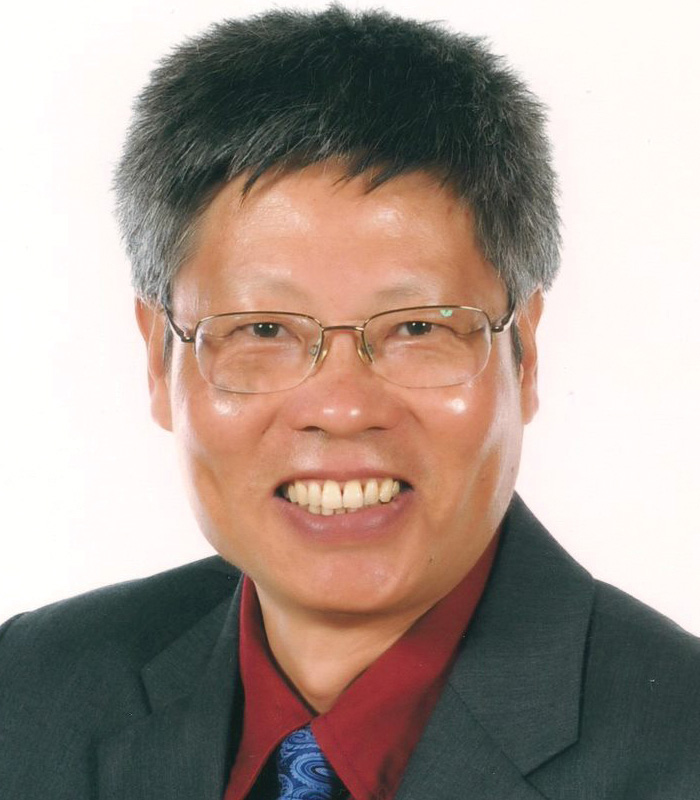
Food Packaging Award in Honor of Don Riester, Rees Davis, and Aaron Brody
Tony Zhonglin Jin, PhD, Research Food Technologist, U.S. Department of Agriculture, Agricultural Research Service
An advanced food packaging researcher and recipient of the 2022 Food Packaging Award in Honor of Don Riester, Rees Davis, and Aaron Brody, Tony Jin has 37 years of professional experience in food engineering, food science, and technology extending across academia, industry, and government roles. His contributions have focused on food safety solutions through the utilization of antimicrobial packaging. Jin’s contributions to food science include 90 peer-reviewed publications, four U.S. patents, 17 book chapters, and over 100 presentations, in addition to numerous national and international collaborations, industry partnerships, and mentorships. He has been an IFT member since 1993.
"IFT marks eight decades of recognizing excellence."
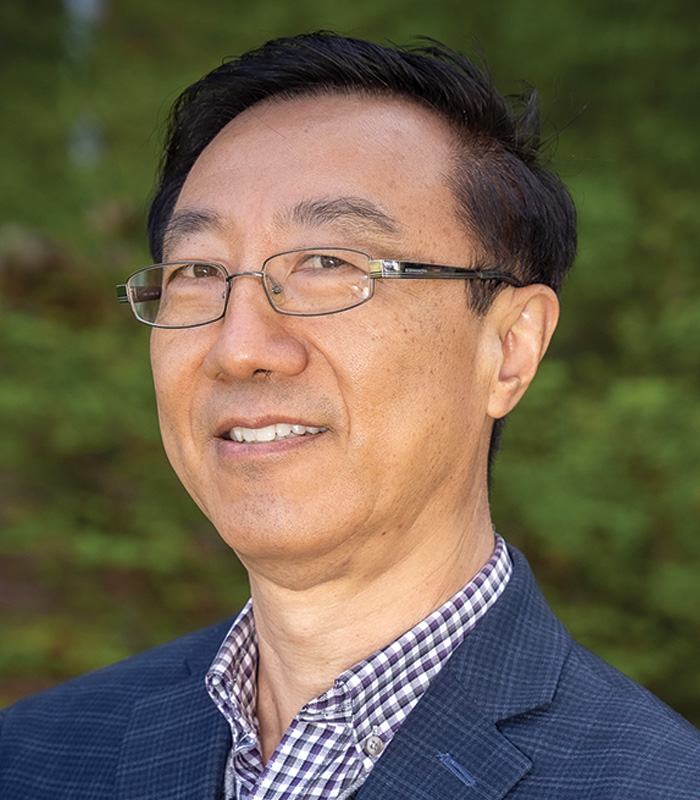
Distinguished Lipid and Flavor Science Award in Honor of Stephen S. Chang
Michael Qian, Professor of Food Chemistry, Oregon State University
Michael Qian has made significant contributions to flavor science by solving flavor and off-flavor problems in the dairy, wine-making, and brewing industries, and is named recipient of the 2022 Distinguished Lipid and Flavor Science Award in Honor of Stephen S. Chang. Qian’s research has been critical in identifying key flavor compounds, including sulfur compounds, particularly the off-flavors in wine. His combination of state-of-the-art analytical and sensory techniques has been effective in identifying flavor components of sensory significance. His work in flavor chemistry has significantly contributed to the understanding of both flavor and off-flavor formation, resulting in major improvements in the quality of food and beverage products for consumers.

Include Award in Honor of George Washington Carver
Tuskegee University Food and Nutritional Sciences Advisory Board
Tuskegee University’s Food and Nutritional Sciences Advisory Board (FNSAB) is the 2022 recipient of the Include Award in Honor of George Washington Carver for its continued dedication to ensuring that students in the Department of Food and Nutritional Sciences (DFNS), through FNSAB scholarships, internships, and mentoring, are provided access not only to the program but to opportunities outside the university that prepare them for future careers in the food and nutritional sciences fields. Every day, Tuskegee DFNS graduates are contributing to the success of organizations across America and the world.

International Food Security Award in Honor of Bor S. Luh
Melvin Pascall, PhD, Professor, The Ohio State University
Melvin Pascall, the 2022 recipient of the International Food Security Award in Honor of Bor S. Luh, is an Ohio State University professor who has compiled an impressive 49-year career contributing to global food and nutrition security. With extensive experience in packaging, food safety, and shelf life, he has been involved in teaching, training, and research in the Caribbean, Africa, Latin America, Europe, and Asia. His innovative approaches to food preservation and safety have made him a respected expert in his field. Pascall is a prolific author with a background in academia, industry, and government. He has received numerous awards and has been recognized as an IFT Fellow.

Lifetime Achievement Award in Honor of Nicolas Appert
Michael N. A. Eskin, PhD, Professor, University of Manitoba
Michael Eskin is the recipient of the 2022 Lifetime Achievement Award in Honor of Nicolas Appert. He has dedicated 56 years of service to the field of food science, continually making outstanding contributions to food biochemistry, including publishing one of the first textbooks to focus on the biochemistry of natural foods. Biochemistry of Foods, published internationally and in multiple languages, has become a classic and standard reference for nearly all food science programs in the United States. Eskin has been widely recognized for his accomplishments, including awards from IFT, the American Oil Chemists’ Society, the University of Manitoba, the Natural Sciences and Engineering Research Council of Canada, and the Royal Society of Canada.
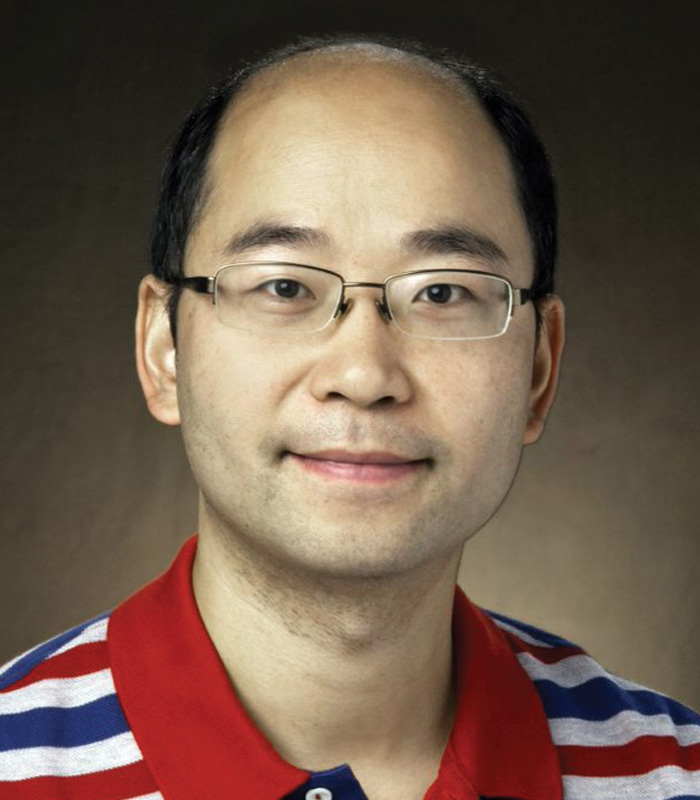
Outstanding Young Scientist Award in Honor of Samuel Cate Prescott
Bingcan Chen, PhD, Assistant Professor, North Dakota State University
Bingcan Chen, an assistant professor of cereal and food chemistry at North Dakota State University, is the recipient of the 2022 Outstanding Young Scientist Award in Honor of Samuel Cate Prescott. Chen’s research focuses on the understanding of structure and function relationships of food ingredients, particularly lipids, proteins, and phenolics, in relation to food quality and flavor. His lab also immobilizes enzymes using food ingredients–based metal organic frameworks for fast analysis. Chen has published more than 120 peer-reviewed articles and six book chapters. Currently, he serves as the chair designate of the IFT Food Chemistry Division.
Research and Development Award
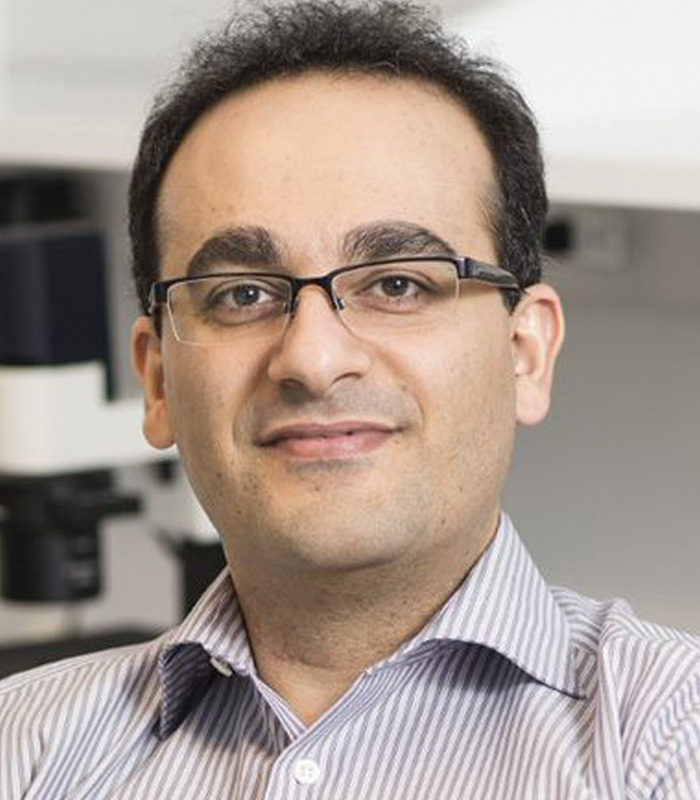
Alireza Abbaspourrad, PhD, The Yongkeun Joh Assistant Professor of Food Chemistry and Ingredient Technology, Cornell University
Alireza Abbaspourrad, recipient of IFT’s 2022 Research and Development Award, has worked extensively on food ingredients and modulation of their interactions, as well as protection and delivery thereof. His research has specifically focused on the development of novel solutions to create food ingredients with improved functionality and nutritional value; novel emulsification technologies to encapsulate, protect, and deliver food ingredients; and novel methods for studying digestion at the microscale and conversion of food waste into value-added products. His innovative, mechanistic, and determined approach to solving scientific and technological challenges faced by the food industry has produced outstanding contributions to the fields of food science, food technology, and nutrition.

Sensory and Consumer Sciences Achievement Award
Gail Vance Civille, Founder and President, Sensory Spectrum
Gail Vance Civille, an inspirational leader who has profoundly influenced the sensory and consumer science community, is named recipient of the 2022 Sensory and Consumer Sciences Achievement Award. Her process for developing sensory protocols, reference scales, and methodologies established the foundation for the sound analytical tools used by many sensory science professionals today. Founder of Sensory Spectrum and the Society of Sensory Professionals, she co-published Sensory Evaluation Techniques, 5th Edition, the most widely used and referenced sensory textbook globally. She developed Spectrum Descriptive Methodology and Analysis, has contributed to numerous ASTM sensory standards, and has taught and mentored sensory students and professionals at several institutions, including but not limited to IFT, the Society of Cosmetic Chemists at Rutgers University, and the University of Illinois.
Collaborative Research Grant in Honor of Marcel Loncin
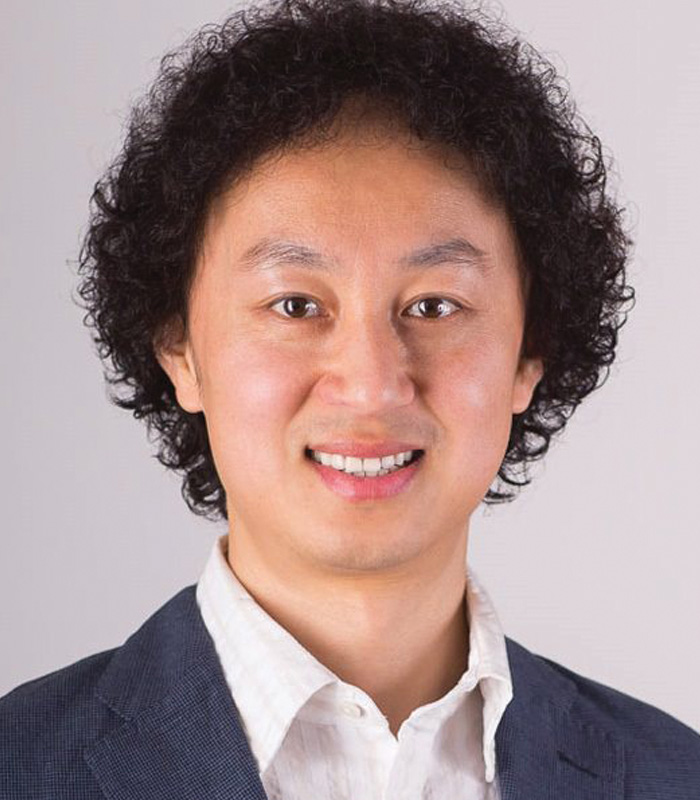
Hang Xiao, PhD, Professor, University of Massachusetts
Hang Xiao, a world-renowned expert on encapsulating nutraceuticals using nanoemulsions, is awarded the 2022 Collaborative Research Grant in Honor of Marcel Loncin. His proposed research, deemed by the awards jury to represent a step toward benefiting human health, aims to improve the bioavailability and safety of pterostilbene, a derivative of resveratrol and a potent anti-inflammatory and anticancer phenolic compound found in blueberries and grapes. The characteristics of nanoemulsion particles and their effect on bioavailability of nutraceuticals will be examined. He will also train a young scientist and a graduate student as part of this research.
How prevalent is consumer misinformation, and what can the food science community do to combat it?
“Consumer misinformation [can] propagate very quickly through social media. The best way to combat this challenge is to train food scientists with a focus on [developing] science communication skills to [educate the] public. This approach would create channels in social media where people can trust [that they are getting] accurate information.”
—Alireza Abbaspourrad
“Misinformation and fear-mongering are the worst enemies of progress. Education and validation of [the] truth of institutions and media need more scrutiny. Nutrition is a science, not an opinion.”
—Rafael Jiménez-Flores
“This is much more important in the age of the COVID-19 pandemic, when misinformation, disinformation, and conspiracy theories are spread by ‘experts’ with dubious political aims. The food science community can be informed and advocate for science-based information [for] lay audiences.”
—Purnendu C. Vasavada
“Consumer misinformation is high. News is easily spread in this digital world, and misinformation is even harder to control and prevent. This is not an easy task, but we, as the food science community, need to continue the education and outreach effort and provide scientifically supported information to educate our consumers and stakeholders.”
—Vivian C. H. Wu
“Flood the marketplace and media with under-standable science and work with consumer groups to identify what is understandable; then aggressively counter false information and conspiracy with sound, understandable science.”
—Gail Vance Civille
What novel technology/food science innovation do you see having the greatest potential to transform the food system?
“Genomic-based testing of food, ingredients, and food plant environments has great potential for assuring food safety and quality.”
—Purnendu C. Vasavada
“I think research on alternative protein sources could have great potential to transform the food system. Animal-based protein sources have too much impact on the ecosystem. New protein sources need to be eco-friendly, sustainable, nutritious, wholesome, and taste good.”
—Michael Qian
“Digitization of the food supply chain and restaurants (blockchain and robotics) and deep neural network architecture (U-Net) to capture food waste and loss. Development of sustainable, nutritious, and appealing plant-based proteins has the potential to transform the food system due to the extraordinary impact on environmental concerns and on equitable access to nutrition around the globe.”
—Tuskegee University Food and Nutritional Sciences Advisory Board
“Food enzyme innovations have the greatest potential for future food innovations, [which] include understanding enzyme active-site dynamics as well as multi-enzyme immobilization and co-localization for cascade reactions in food systems.”
—Bingcan Chen
“I see artificial intelligence (AI) implementation as having the greatest potential. The dramatic growth in data volume, variety, and velocity offers AI application opportunities [which] may provide powerful tools to process the multidimensional information needed for food systems and disseminate results rapidly for efficient decision-making.”
—Vivian C. H. Wu
“The use of cell propagation and tissue culture to generate proteins for human and animal food. An example of this is the use of nitrogen from the air to synthesize protein.”
—Melvin Pascall
“Innovative food packaging technologies such as active or smart packaging with eco-friendly materials have the greatest potential. The application of these cutting-edge technologies can reduce safety risk, improve quality, and reduce waste.”
—Tony Zhonglin Jin
As you look back on your career in the science of food, what is the source of your greatest satisfaction?
“Having the unique opportunity [to] contribute to the successful development of canola oil and to see it become one of the top three edible oils in the world. It changed the agricultural landscape in Canada and provides employment to over 250,000 people worldwide. I am also delighted that my first book, Biochemistry of Foods, written over 50 years ago, is now in its third edition and [is] used in courses throughout the world.”
—Michael N. A. Eskin
“That would be training the next generation of food scientists, who utilize the scientific knowledge we produce in the laboratories to benefit industrial applications.”
—Hang Xiao
“[Having my] research area match [my] personal interest, learning, and career development are the sources of my greatest satisfaction.”
—Tony Zhonglin Jin
“Joining professional associations (e.g., IFT and AOCS) and attending their annual conferences is the source of my greatest satisfaction, as it allows me to meet and learn from others in my field. Through volunteer roles at these associations, I have also gained new skills and built relationships.”
—Bingcan Chen
“Training students to be … independent thinkers, innovative scientists, and developers of technologies that are capable of enhancing our way of life and solving existing problems.“
—Melvin Pascall
“I am pleased that I chose the field of flavor science for my career. It is the area directly associated with consumer acceptance of food. I was able to work on some projects, such as sustainable water use in the production of high-quality wine grapes and other agricultural products with good flavor.”
—Michael QianHow can we increase consumer acceptance of new technologies that will allow us to produce food more sustainably, ethically, and economically? What hurdles need to be overcome?
“The main challenge for novel food technology (and in general all technological advances) is [delivering] enough education and information to the general public. To achieve this, teachers at all levels of education need to be well informed on the truth of the technologies based in science. Sometimes patents and intellectual property get in the way, and this is why scientific meetings and their dissemination are important.”
—Rafael Jiménez-Flores
“Accurately communicate the science and technological advances to consumers. It will require cooperative efforts from academia, the food industry, and government providing credible information to consumers to increase trust and acceptance of new products and technologies. Consumers are heavily reliant on smart devices and social media. We should take advantage of this [by] creating and disseminating customized educational messages (e.g., safety, health, nutrition, and new technologies).”
—Tuskegee University Food and Nutritional Sciences Advisory Board
“Two issues are most important: getting out the proper information through the proper channels and stopping/calling out/disproving false information in the media and online—aggressively.”
—Gail Vance Civille
“The pandemic has made consumers much more aware of the importance of nutrients to human health as well as the environmental impact of processing. Manufacturers will have to develop food products that are nutrient-dense, tasty, and manufactured by greener processes.”
—Michael N. A. Eskin
“Education, providing science-based information, and increasing awareness of consumers about new technologies will help with consumer acceptance. In fact, consumers could be the main driving force behind sustainability if we do better science communication with them.”
—Alireza Abbaspourrad
“I think consumer education is the key, including school education.”
—Hang XiaoAuthors
-
Food Technology Staff
Categories
-
Career Development
-
Professional Development
-
Leadership
-
Food Technology Magazine


