NEW PRODUCT EXPLORATIONS (Online Exclusive)
Expo West Special Report: Probiotic Power and Products That Give Back

In this special Expo West edition of New Product Explorations, we look at a variety of products packed with gut-boosting probiotics and discover some of the ways that companies are using their products to help those in need.
Probiotics Proliferate at Expo West
Probiotics have been the buzz word du jour for some time now. With more Americans concerned about the state of their gut and an increased awareness that gut health may affect their overall health, consumers have been eager to include probiotic-containing products in their diet. According to research from probiotics supplier Ganeden, 59% of healthy Millennials would pay more for food or beverage products containing probiotics, and 86% of respondents with kids are more likely to purchase a product for their children if it has probiotics.
“The market for probiotic-added foods is increasing in popularity and size due to both strain stability and convenience. Food and beverage manufacturers now have access to a stable probiotic strain like GanedenBC30, which survives manufacturing processes that limit the viability of traditional probiotic strains,” explains Mike Bush, Ganeden president and executive board president of the International Probiotics Assoc. “As consumers are eagerly searching for non-supplement options, shelf-stable probiotic food options open up the category and provide much-needed product options to consumers around the world.”
At a food show like Natural Products Expo West, where the focus centers on natural nutrition, it’s probably not shocking that many of the foods on display might contain these gut-boosting bacteria. What was surprising, though, was the range and variety of products that now include a probiotic claim, whether from naturally occurring probiotics achieved through fermentation or those with probiotics added into the formulation. According to Ganeden public relations manager Teresa DeJohn, more than 50 companies at the show incorporated Ganeden’s GanedenBC30 into their products, and others sourced theirs from companies such as Sabinsa. The slideshow above showcases some interesting products boasting probiotics and, in some cases, offers insight into how the probiotic claims are achieved.
Giving Back Through Food: Products with a Purpose
 After actor Ryan Devlin and his friend, fellow actor Todd Grinnell, visited Malawi on a humanitarian trip, the pair “couldn’t unsee” the starving children they’d witnessed in the country’s clinics, and they set out to find a consistent and sustainable way to provide relief for malnourished kids overseas. With support from fellow actors Kristen Bell and Ravi Patel, Devlin and Grinnell created This Bar Saves Lives, a bar product that provides one peanut butter–based meal for a malnourished child for each bar sold. (Founders pictured left to right in photo: Grinnell, Patel, Bell, and Devlin.)
“We eat together,” explains Devlin, and he says that the bars allow consumers to become part of something bigger and help others simply by snacking. While the bar category is a crowded one, offering the added benefit of providing this experiential component has helped the company find white space within the marketplace.
Devlin and his team are not alone in their mission to help others through food. Across categories, mission-driven companies offer this opportunity for conscientious consumption within a range of product types and in a variety of ways.
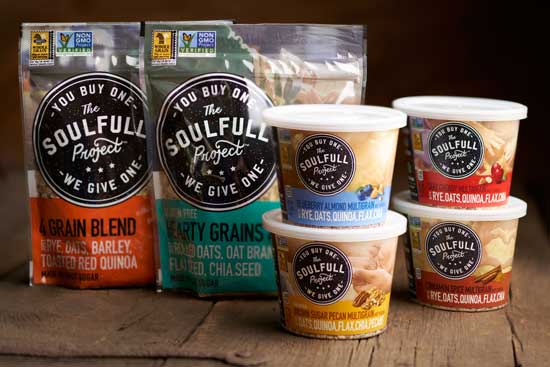 Like This Bar Saves Lives, a number of other companies have embraced the one-for-one model. The Soulfull Project partners with 200 regional food banks to donate one serving of its hot cereal for every one purchased; the company also embarked on 100 volunteer events in 100 days, according to its public relations representative Lisa Horn. At Expo West, the company donated one cereal for every sample it gave out to attendees. Yumbutter also donates one nut butter for every one sold, and King Arthur Flour donates one meal through Feeding America for every one of the Essential Goodness mixes it sells.
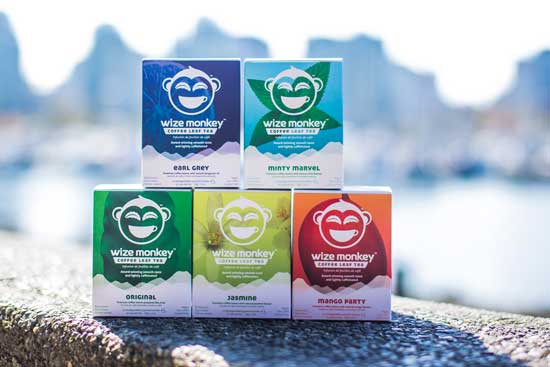 Some companies, meanwhile, are focused on working to improve the lives of people in the countries where their ingredients are sourced. Teapigs’ English breakfast variety is partially sourced from Rwanda, and it makes donations from sales of this variety to a Rwandan orphanage. Wise Monkey, meanwhile, was created to find a way to keep coffee workers employed after the beans are harvested; its coffee-leaf tea offers workers year-round employment and finds a use for the generally discarded coffee leaves. In addition, confectionery company Tony’s Chocolonely draws on a 100% slave-free cocoa supply chain in West Africa for its milk and dark chocolate bars. Its ultimate goal is to lead the way and serve as a model for other chocolate companies to make all chocolate slave-free.
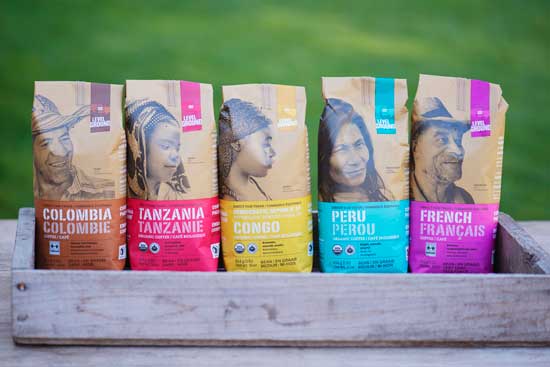 Level Ground Trading is a Fair Trade Federation certified company that trades directly with small-scale farmers in developing countries. Marketing coordinator Robyn Barchen says that the company was “keen to see the principles of fair trade applied to foods we consume every day.” The company pictures the growers it works with on its packaging and shares their stories on its website. Sherpa Power teas are intended to create new farming livelihoods for low-income Nepalis. In addition, Lotus Foods’ More Crop Per Drop program of water-saving rice-growing practices saved about 528 million gallons of water in 2015, reducing the amount of time women were required to spend in the fields by half and freeing them to pursue other activities and improve their lives.
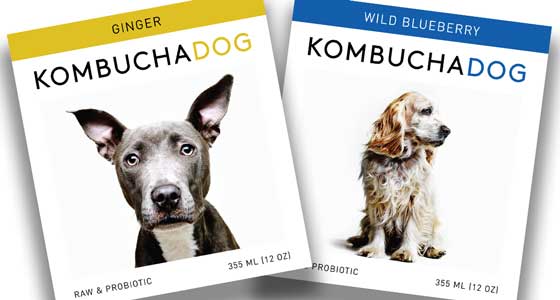 Still other companies have put their focus on helping animals, including bees. Justin’s Naturally Beelicious Maple Almond Butter includes a callout about its pollinator program supporting bee populations, and Ona’s Bizzy Bee kids’ snack bars aim to teach children about the role bees play in growing food. KombuchaDog’s minimalist labels each feature a different rescue dog up for adoption in Los Angeles–based shelters; the company has found homes for 150 dogs so far. Endangered Species Chocolate helps fund the preservation of at-risk species as well as promotes sustainable livelihoods for African cocoa farmers.
This notion of food for change is not limited to smaller companies, either. Kraft Heinz announced in February that it was forming a partnership with Oprah Winfrey to create a line of ready-to-eat foods intended to make nutritious foods more accessible to more people; 10% of profits will be donated to charities aimed at eradicating hunger.
For companies hoping to incorporate this kind of mission into their products, Devlin says these social impact components must be authentic, transparent, and trackable. “Consumers will see through any ‘cause-washing’ that’s just intended to help with marketing. Make it real, and write it into your charter,” he advises. “Allow every business decision to be considered against your social impact cause, and then make sure you’re completing the loop with your customers. Tell the story, share impact reports, and stand by it. If you do that, you’ll likely grow faster and build stronger loyalty than if you didn’t have a cause. It takes work, but it’s worth it."
Expo West Hot Takes
With more than 3,100 exhibitors—the most in Expo West history—the show floor was packed full of products. Here are a few flavor, ingredient, and packaging trends that stood out.
Banana: From baking to snacking, producers in a variety of categories seemed to be bananas for this fruit. Examples: Zuvii green banana flour and mixes, Barnana Banana Brittle, Banana Joe banana chips.
Foods for Function: A range of new product lines included individual varieties intended for different health benefits, such as shiny hair and increased energy. Examples: Bonafide Provisions Drinkable Veggies Bone Broth, Purely Elizabeth functional granola bars, Mighty Leaf Wellness teas.
Line Drawing Labels: This minimalist packaging treatment seems intended to blend transparency and simplicity with a fun hipster vibe. Examples: Lorissa’s Kitchen jerky, Better Booch kombucha, The Natural Citizen smoothie boosters.
Bowls: With convenience still king, companies are offering consumers sophisticated ways to enjoy fun and exotic foods without the prep. Examples: Sweet Earth Korean Japchae Bowl, Mike’s Mighty Good Craft Ramen, EVOL Single-Serve Meals.
Authors
-
Melanie Zanoza Bartelme
Categories
-
Food Product Development
-
Food Technology Magazine