
News Roundup
Grape waste, Stevia sweetness, CRFSFS, UC Davis, gut bacteria, and Issues & Insights
This roundup of food system news highlights research advances.

FOOD WASTE
Grape waste may replace poultry antibiotics
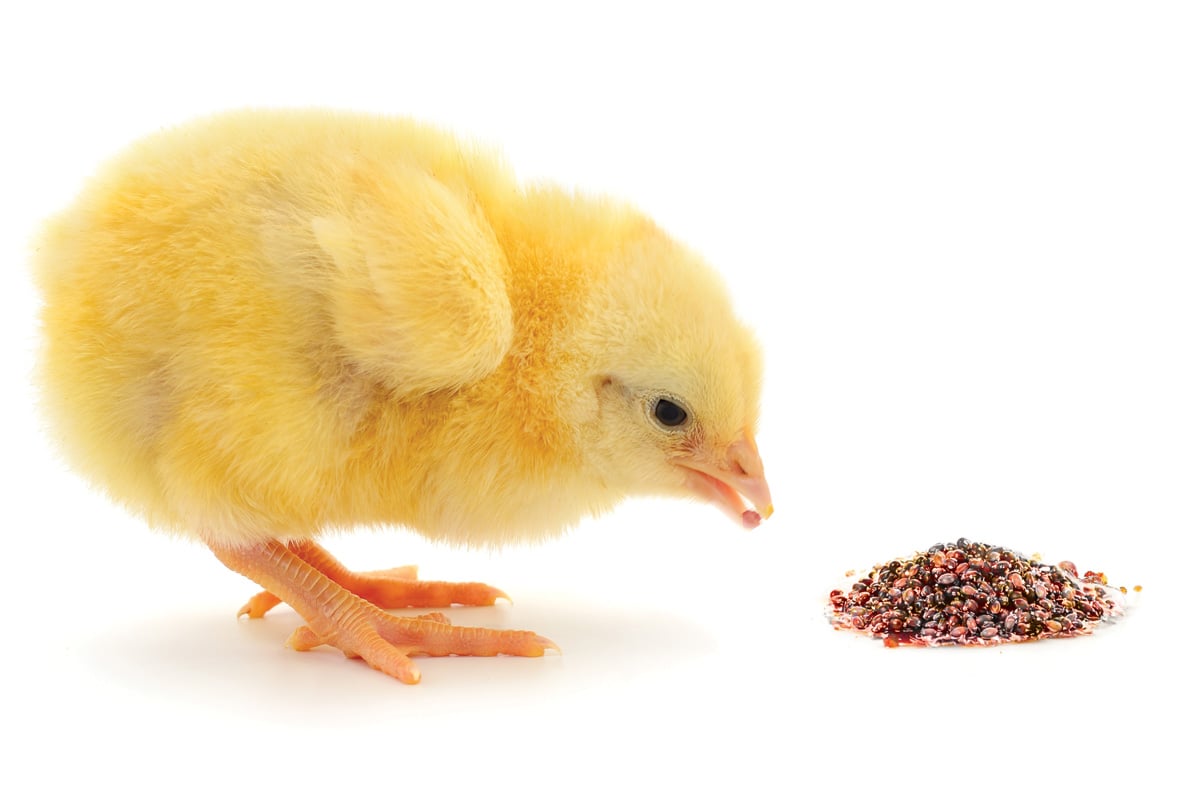
Millions of gallons of wine are produced each year, but after grapes are pressed, wineries are left with mountains of pomace—the skins, seeds, stems, and peels typically treated as waste. New research from Cornell University suggests that this byproduct could become an unexpected tool in reducing antibiotic use in poultry production.
In a study published in npj Biofilms and Microbiomes, Cornell food scientists found that adding just 0.5% grape pomace to broiler chicken feed nearly matched the performance of zinc bacitracin, a widely used antibiotic growth promoter. The findings offer a promising alternative as poultry producers worldwide face growing pressure to reduce antibiotic use because of antimicrobial resistance concerns.
To test the approach, researchers fed young broiler chickens a high-rice-bran diet designed to trigger chronic low-grade gut inflammation, a common challenge in commercial poultry production that can reduce growth and feed efficiency. Birds receiving grape pomace supplementation showed at least 79% greater weight gain than inflamed birds without supplementation and achieved feed conversion rates comparable to chickens receiving antibiotics.
“We’ve been studying this as a functional food ingredient for both humans and animals, and this is a defining moment,” said Elad Tako, associate professor of food science at Cornell, in a press release. “We were able to mitigate low-grade inflammation, which is status quo in the poultry industry.”
The poultry sector has struggled to find replacements for antibiotic growth promoters that can both suppress harmful microbes and reduce inflammation. According to Tako, the need is urgent as countries including those in the European Union, China, and Brazil have already banned such antibiotics.
“There’s not yet a formal ban in the United States, but there’s a significant need because of the threat of introducing antibiotic resistance,” Tako said.
Researchers noted that previous studies using grape pomace often failed because inclusion levels were too high. By lowering the dose, Cornell’s team found a balance that preserved benefits without negative side effects.
Beyond poultry health, the approach could also create a circular economy opportunity by transforming winery waste into a valuable feed additive—potentially helping farmers cut costs while addressing one of agriculture’s most pressing public health challenges.
INGREDIENTS
Stevia sweetness genes identified
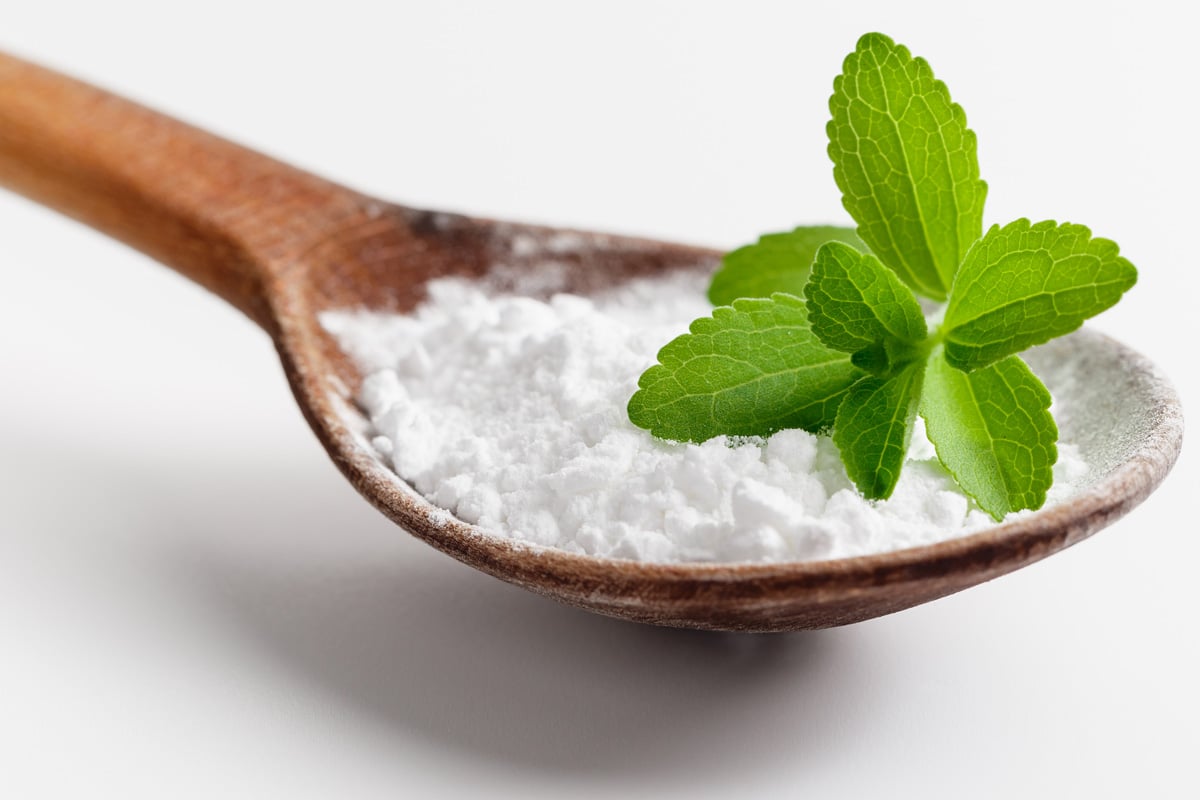
A new genetic study may help explain why some stevia tastes more like sugar while other varieties leave a bitter aftertaste, potentially paving the way for cleaner-tasting natural sweeteners in foods and beverages. Researchers at Japan’s University of Toyama have identified specific genes—and where they are activated within stevia leaves—as key drivers behind the production of premium sweet compounds such as Rebaudioside D and M.
Published in New Phytologist, the study combined a high-quality reference genome with single-nucleus RNA sequencing and imaging mass spectrometry to map how sweetness-related compounds are produced at the cellular level. The research focused on Stevia rebaudiana, whose leaves contain steviol glycosides that can be up to 300 times sweeter than sugar.
“We identified a group of UGT76G glycosyltransferase genes that play a key role in enhancing the sweetness,” lead researcher Tsubasa Shoji noted in a press release. According to Shoji, these enzymes help determine the balance of steviol glycosides linked to sweeter, cleaner flavor profiles.
The team also found that another gene, UGT91D4, is active only in specific leaf cells, suggesting that sweetness depends not only on genetics but also on where genes are switched on. “Thus, the flavor profile of stevia is determined not just by its genes, but by precisely where those genes are activated,” Shoji said.
For the food and beverage industry, the findings could have significant commercial value. By pinpointing the genes tied to better taste, breeders and ingredient developers may be able to create next-generation stevia varieties with cleaner sweetness, reduced bitterness, and greater appeal in reduced-sugar formulations—from beverages to processed foods. The research could also help manufacturers improve product taste while supporting global efforts to cut sugar consumption without sacrificing flavor.
RESEARCH
CRFSFS marks 25 years

One IFT’s leading scientific journals, Comprehensive Reviews in Food Science and Food Safety (CRFSFS), has released a special issue recognizing its upcoming 25th anniversary. The issue, titled “The 25 Most Impactful Reviews from 25 Years of Comprehensive Reviews in Food Science and Food Safety,” highlights the journal’s most influential papers based on citations and readership data.
The collection includes the journal’s 19 most-cited articles of all time, five of the most-cited papers published since 2020, and the most-read research article in CRFSFS history, which has received nearly 250,000 full-text views.
“When CRFSFS launched in 2002 as IFT’s first online-only journal, it included three in-depth reviews,” said Mary Ellen Camire, editor in chief of the journal since 2019. “Since then, it has grown to become one of the top-ranked scientific journals in food science and technology with more than 45 review articles per issue along with an editorial board consisting of 53 highly respected scientists across 20 countries.”
IFT also noted continued expansion across its journal portfolio, including special issues in the Journal of Food Science focused on topics such as aquatic foods, ultra-processed foods, sensory science, and artificial intelligence in food science and nutrition.
For more than a decade, CRFSFS has been ranked in the top five journals in the Food Science & Technology category by Google Scholar Metrics and currently rates a #3 Impact Factor by Clarivate's Journal Citation Reports.
AGRICULTURE
UC Davis opens ag innovation center
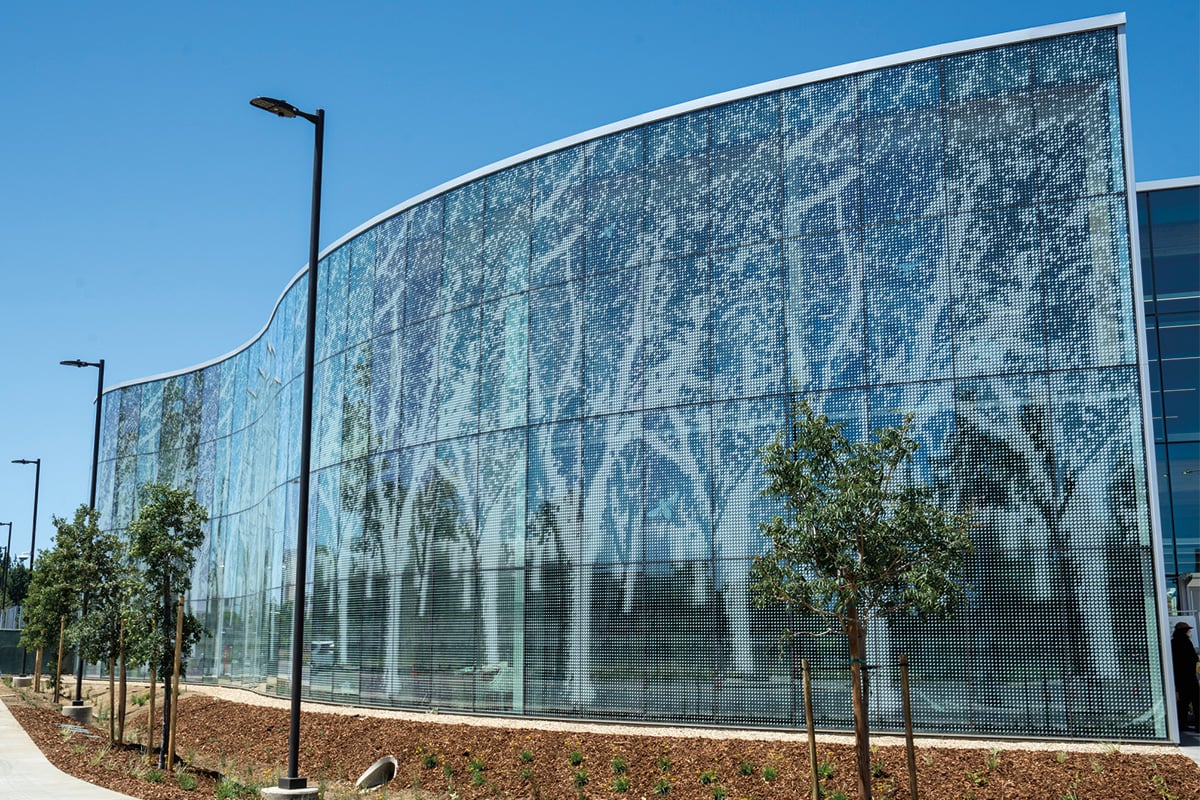
The University of California, Davis, has opened the Resnick Center for Agricultural Innovation, a 34,000-square-foot facility that will allow experts across disciplines to work in a high-tech lab environment. Research focus areas will include making agricultural systems more resilient, maximizing sustainability through water and energy efficiencies, and expanding access to nutritious food. The center was made possible by philanthropic support, including a $50 million gift to UC Davis from Lynda and Stewart Resnick, co-owners of The Wonderful Company, which has a stable of brands including Wonderful Pistachios, POM Wonderful, and FIJI water.
ISSUES & INSIGHTS
3 Questions for Jonathan Kershaw

Brigham Young University Associate Professor of Food Science Jonathan Kershaw is a believer in the power of interdisciplinary collaboration. It’s a perspective he arrived at during his graduate studies at Purdue University.
In fact, Kershaw says, his experience working in an interdisciplinary, multi-campus leadership development program during graduate school opened his eyes to the value of this approach and shifted the trajectory of his career.
“Whereas before I was convinced that food scientists were going to solve the world’s food problems, I realized how many other disciplines are required to really make a difference,” says Kershaw.
In a presentation titled “From Silos to Bridges: What It Really Takes to Do Interdisciplinary Work,” on Tuesday, July 14, at IFT FIRST, will delve into the topic. He also shares some of his thoughts on the topic here.
1) When people talk about breaking down silos in food science and nutrition, what does that actually look like in practice?
Breaking down silos is not just about creating new centers, programs, or funding opportunities, although those things matter. In practice, it means helping scientists and professionals build the skills of collaboration, such as leading with a shared vision, listening with curiosity, and building relationships of trust. It also means normalizing the humility and intellectual honesty required to say, “I don’t fully understand your field yet, but I want to learn enough to work with you well.”
2) What are the biggest barriers researchers and practitioners face when trying to collaborate across disciplines, and how can they overcome them?
I think some of the biggest barriers are often more personal than structural. Interdisciplinary work succeeds when people are willing to put the shared vision ahead of their own agenda. This can be challenging in environments where we are trained to be the expert and defend our own ideas. A solution is to be intentional when beginning collaborations: Look for people who are not just smart, but also generous and curious.
3) What’s one misconception people still have about interdisciplinary work?
A common misconception is that interdisciplinary work happens automatically when you put smart people from different fields on the same project. But being on the same email thread does not mean interdisciplinary work is happening. Effective interdisciplinary work is integrative and transformative, not just additive and transactional. At its best, it results in creating something together that none of the disciplines could have produced alone.
DIET & NUTRITION
Study maps gut bacteria’s path to the brain

A study by Emory University researchers found that a high-fat diet caused gut bacteria to enter the brain in mice, a development that may have implications for human neurological health.
“One of the biggest translational aspects of this study is that it suggests that the development of neurological conditions may be initiated in the gut,” David Weiss, co-principal investigator, said in an Emory University news article. The study findings were published in PLOS Biology in March.
In the study, a group of mice were fed a diet similar to a Western diet (45% carbohydrate and 35% fat content) for nine days. In humans, such diets are known to contribute to a “leaky gut” or intestinal permeability, allowing compounds to escape the intestine.
Microbiome changes in the mice were linked to increased intestinal permeability, which allowed live bacteria to travel from the intestine directly to the brain via the vagus nerve.
Researchers administered antibiotics capable of killing gut microbes to the mice for three days. After that, the mice consumed an engineered bacterium, a barcoded Enterobacter cloacae with a DNA sequence not normally found in these bacteria in nature. When the mice also consumed the high-fat diet, that barcoded strain was later detected in the vagus nerve and brain of the mice.
“This research highlights the need for further study into how dietary shifts have a huge influence on human behavior and neurological health,” said Arash Grakoui, co-principal investigator and professor of medicine, microbiology, and immunology at Emory University.
It might ultimately shift the focus on interventions for brain conditions to feature the gut as a new target of therapy, added Weiss, a microbiologist and professor at Emory’s School of Medicine.
In an encouraging discovery, the researchers found that returning the mice to a normal diet limited the bacterial load in the brain by decreasing gut permeability, suggesting that it is possible to reverse the impact of a high-fat diet on bacteria reaching the brain.
Hero Image: © Olha_stock/iStock/Getty Images Plus
Authors
-

Julie Larson Bricher Editor
Julie Larson Bricher is Food Technology’s science and technology editor and IFT manager, creative content–multimedia (jbricher@ift.org).
-

Mary Ellen Kuhn Executive Editor
Mary Ellen Kuhn is executive editor of Food Technology magazine and director of content and creative services at the Institute of Food Technologists (mkuhn@ift.org).
Categories
-
Science of Food
-
Diet and Health
-
R and D
-
Microbiome
-
Food Technology Magazine
-
Fruits
-
Sustainable Food Systems
-
Omnivore


