
IFT Honors 2021 Class of Fellows

IFT Honors 2021 Class of Fellows
Honoring exemplary contributions through the Fellow designation has been an IFT tradition for more than 50 years. First awarded in 1970, the designation recognizes accomplishments in the areas of scholarly advancement, service to the profession, inspiration of others to excel in the food science and technology field, primary responsibility for the success of a new food product, and/or improvement of the human condition via food science and technology. Whether working in industry, academia, or the regulatory area, IFT Fellows have shaped the science of food in remarkable ways.
IFT Fellows belong to an elite group. To be nominated, an individual must be active in the profession and have been a non-student IFT member for at least 15 consecutive years. All members may nominate candidates, and a group of IFT Fellows serves on a jury to elect the new class of Fellows. In 2021, 11 members were named Fellows.
“Food, the first thing you get from your mother after life and love, is what sustains all of us,” says Kantha Shelke, a member of the 2020 class of Fellows. “The science of food touches all lives, no matter who. To be named a Fellow of IFT by peers in the realm of food science is an honor bar none for me. It comes with a solemn responsibility to renew my resolve ‘to make tasty, nutritious foods a human right, not a privilege.’”
Kudos to the 2021 class of Fellows!
William Aimutis, PhD
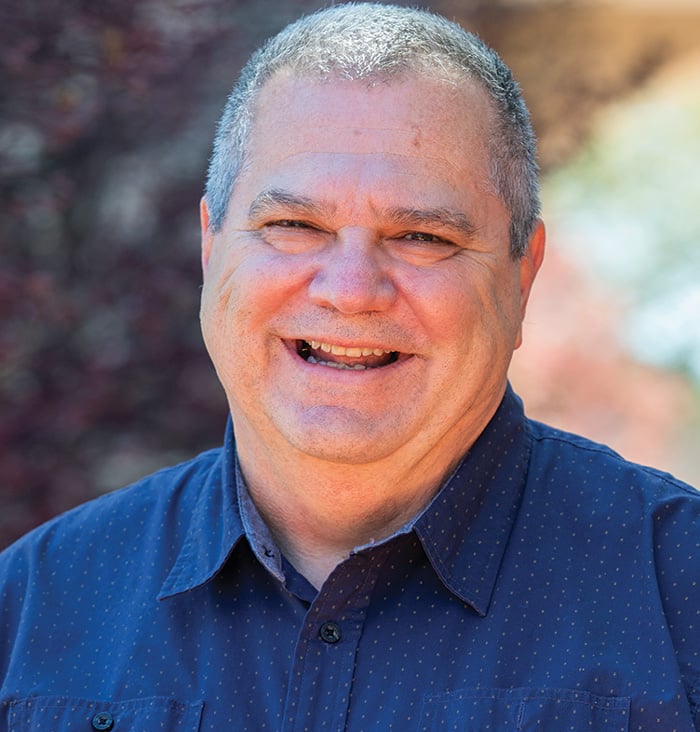
Executive Director of the North Carolina Food
Innovation Lab, North Carolina State University
Bill Aimutis is executive director for the North Carolina Food Innovation Lab managed by North Carolina State University on the North Carolina Research Campus in Kannapolis. His team works with entrepreneurial and multinational companies on plant-based food product development and scale-up in a pilot plant. Prior to his current position, Aimutis was a research fellow and global director of external innovation for Cargill Inc., where he retired in September 2018.
Aimutis received a Bachelor of Science degree in food science at Purdue University and graduate degrees from Virginia Polytechnic Institute and State University in the Food Science Department. He has held several research and operations leadership and management positions in his career. He is a Certified Food Scientist, Fellow of the American Dairy Science Association, and a Distinguished Agricultural Alumnus from both Purdue University and Virginia Tech. Additionally, he was awarded an Outstanding Food Science Award from the Food Science Department at Purdue University, and the Ronald O. Ball Lectureship Award from the University of Alberta. Aimutis serves on several industry advisory committees and corporate scientific advisory and managing boards.
Ajay Bhaskar, PhD, CFS
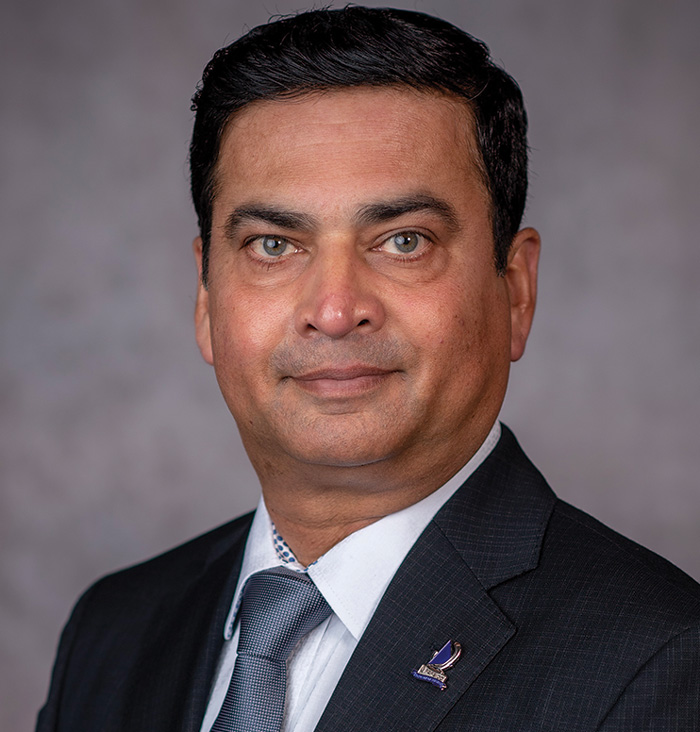
Director, R&D/Breakthrough Innovation/Foods Category, and PepsiCo Fellow, PepsiCo Inc.
Ajay Bhaskar is an R&D director in the Foods Category Function Group and a research fellow at PepsiCo Inc., located in Plano, Texas. For almost three decades, Bhaskar has been relentlessly and passionately driving and delivering deep science and technology in the food industry. For PepsiCo, he has leveraged this passion and capability to unlock opportunities to grow PepsiCo’s snack brands, in addition to solving some of the most complex food science challenges faced by the industry, such as acrylamide mitigation, nutrition renovation, and ingredient functionality and stability. Externally, Bhaskar has been actively involved with professional organizations in his field of expertise; he has published extensively and has been granted numerous global patents. He has also been an active leader within IFT over the past decade, including serving as chair of the Product Development Division and, more recently, as a member of the Editorial Advisory Panel for Food Technology.
Ellen Bradley, CFS
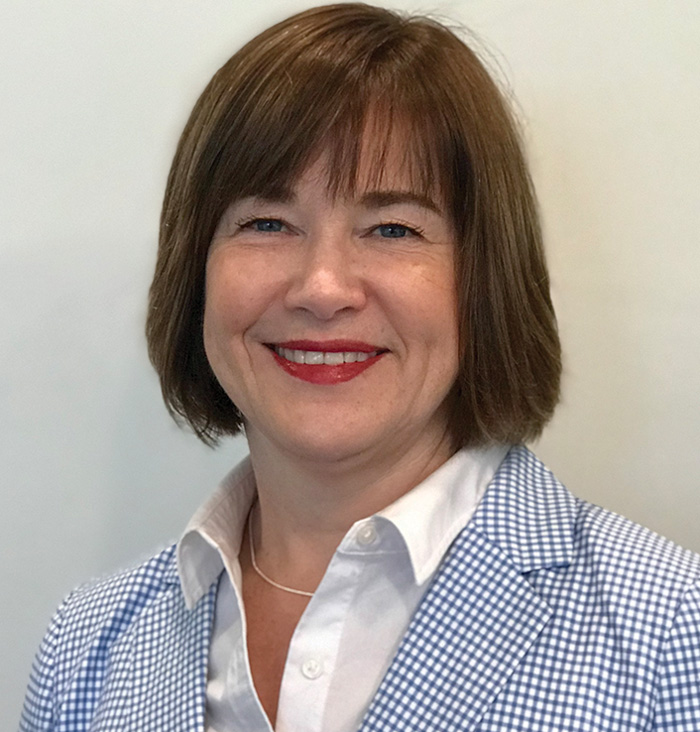
Founder and Principal Food Scientist, River City Food Group
Ellen Bradley has been an active and consistently engaged member of IFT since 1984 and a professional member since 1992. After graduating from Oregon State University, she served IFT in leadership positions locally, regionally, nationally, and globally. Her leadership and volunteerism have had numerous influences on IFT and the science of food community. She has distinguished herself in the science of food arena with outstanding and extraordinary contributions in three main categories: promoting the profession of food science, improving the IFT member experience, and educating food scientists. As an advocate and voice for the profession, she has inspired many to see food science in new ways and inspired many more to pursue careers in food science.
Christina A. Mireles DeWitt, PhD

Director, Seafood Research and Education Center, Professor, Department of Food Science & Technology, and Interim Director, Coastal Oregon Marine Experiment Station, Oregon State University
In advancing food science and technology, Christina A. Mireles DeWitt has conducted innovative research, contributed to new academic and career programs, cooperated in a key role with nine team partnerships among academia/industry/agency, provided leadership and outreach to 10 countries, and is co-editor in chief of a peer-reviewed aquatic food journal. DeWitt has obtained $6.87 million in competitive grants and contracts of which $3.1 million has directly supported her research program. She has provided education to 1,098 undergraduate and graduate students in food science and technology curricula that included the following courses: Introduction to Food Science, Food Analysis, Food Chemistry I and II, Processing Dairy Foods, and Seafood Technology. In addition, she has provided leadership for over 40 workshops/trainings engaging 1,600+ industry and agency stakeholders for improved seafood processing practices. Internationally, she has helped develop over 250 seafood safety trainers in seven countries.
Lisbeth Goddik, PhD
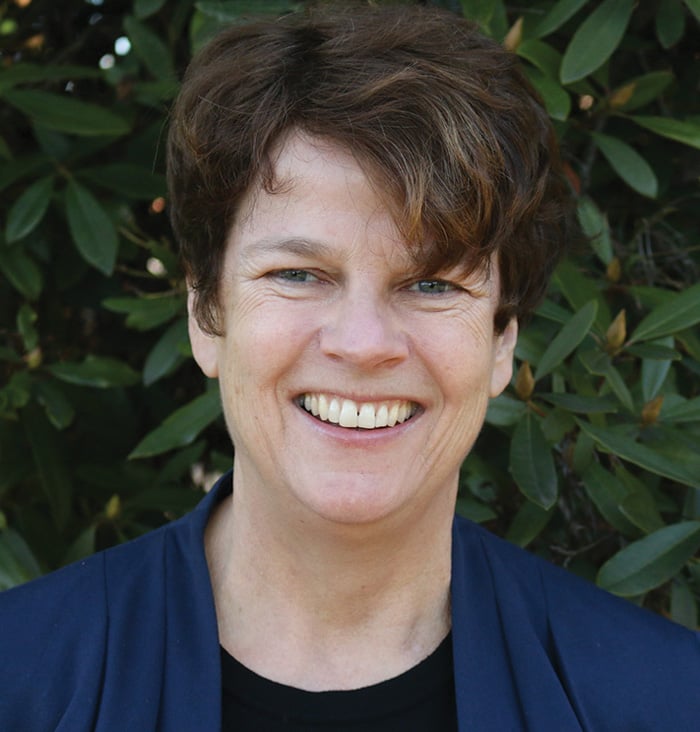
Professor and Department Head, Oregon State University
Lisbeth Goddik started her academic career in 1999 as the Oregon State University (OSU) dairy food processing extension specialist, serving the dairy industry. Over the last two decades, her career has evolved with an ever-greater emphasis on sustainable food systems, moving from regional to national impact. Her initial role as extension specialist included a growing focus on byproduct utilization and economic sustainability; subsequently, she became department head of the OSU Food Science & Technology (FST) Program, overseeing transformative changes. The new curriculum contains courses focused on sustainable food manufacturing along with other aspects of sustainable food systems. FST research and outreach programs are undergoing similar impactful changes. FST is also taking an active role in communicating the science of food to the public, including a monthly seminar series on sustainable food systems for an audience of consumers of food. Goddik holds two endowed professorships sponsored by stakeholders.
Elvira Gonzalez de Mejia, PhD
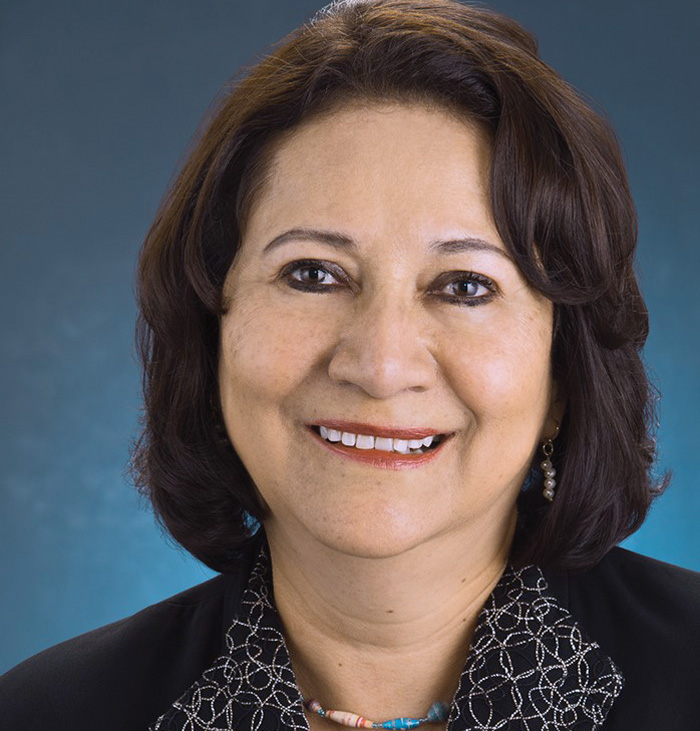
Professor of Food Science and Human Nutrition, Director of the Division of Nutritional Sciences, and Presidential Fellow, University of Illinois
Elvira Gonzalez de Mejia is a highly devoted professional in food science and nutrition education. She has made a remarkable impact on the profession and the IFT membership, particularly her work with the International Division and her active engagement in international research collaborations for over 30 years. Her research in the interphase of food science and nutrition has included a career of inspired academic leadership. She has made significant contributions to research publishing and mentoring and has directed the work of numerous national and international undergraduate and graduate students who now hold influential positions in academia, industry, and government around the world. As a scientist, she has a global reputation in structure-function properties of protein-derived bioactive peptides and phenolic compounds and prevention of chronic diseases. Her lasting impact on the profession and future generations is to ensure a safe, nutritious, and sustainable global food supply with a vision of disease prevention and well-being.
Kevin Keener, PhD, PE
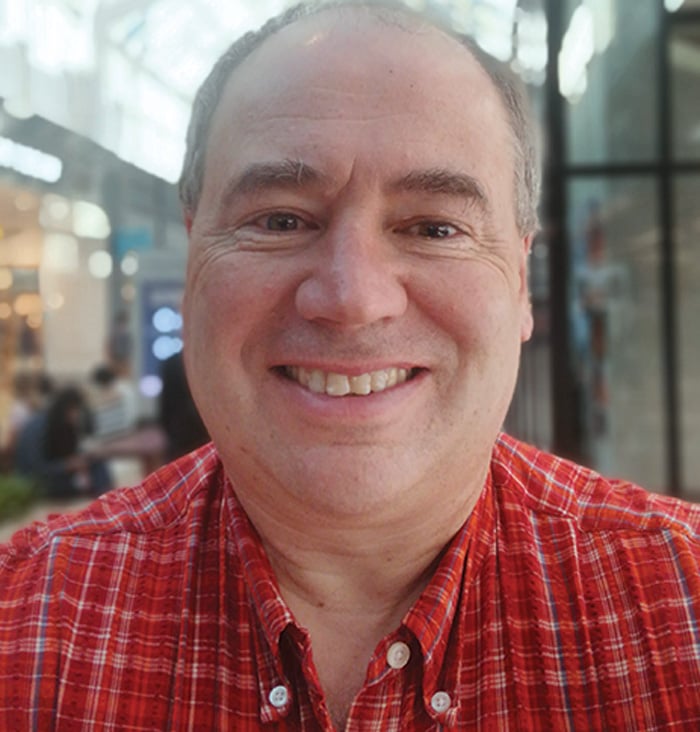
Professor and Barrett Family Chair in Sustainable Food Engineering, University of Guelph
As an expert in food engineering, food safety, food technology, and food regulations, Kevin Keener has had a significant impact on food science and food technology. In addition to providing technical assistance to hundreds of companies and many state and federal government agencies, he has invented several new technologies, including high voltage atmospheric cold plasma, controlled dynamic radiant frying, and cryogenic cooling of shell eggs, with 12 patents issued. Keener has also mentored 15 post-doctoral students, 20 graduate students, and over 100 undergraduate student researchers. He has produced 85 refereed publications, 13 book chapters, 40 technical bulletins, 40 non-refereed publications, and over 100 popular press articles. In over 100 workshops, Keener has provided technical training to thousands of students, industry personnel, and government regulators; workshop examples include Starting a Food Business, FDA Better Process Control School, USDA HACCP, FDA HACCP, food plant sanitation, food regulations, novel food technology, and others.
Monique Lacroix, PhD
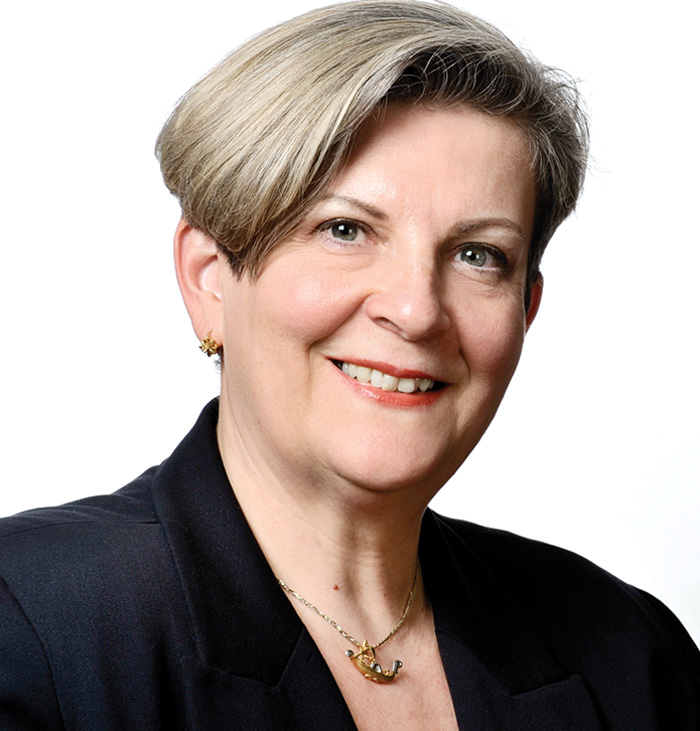
Professor and Director, Research Laboratories in Sciences Applied to Food, INRS-Armand-Frappier Health & Biotechnology Centre, INRS, and Canadian Irradiation Centre, Canada
Monique Lacroix has brought outstanding accomplishments to food science over the past 34 years. She is a distinguished member of numerous expert committees in microbiology and in irradiation at the World Health Organization and at the International Atomic Energy Agency. Her industrial partnership works have resulted in important commercial successes in food quality and safety and have built important new bridges among academia, industry, and government. Her enduring commitment to IFT, the International Association for Food Protection (IAFP), and other organizations has meant that her leadership and mentorship have served as important examples for young scientists.
Her strong research involvements and new innovative technologies in food safety, food waste reduction, and functional foods have contributed significantly to international commercial exchanges and training of highly qualified scientists. Her most outstanding contributions are the development of several combined industrial hurdle treatments, taking into account the structure and function of functional natural extracts and the food composition.
Lisa Mauer, PhD
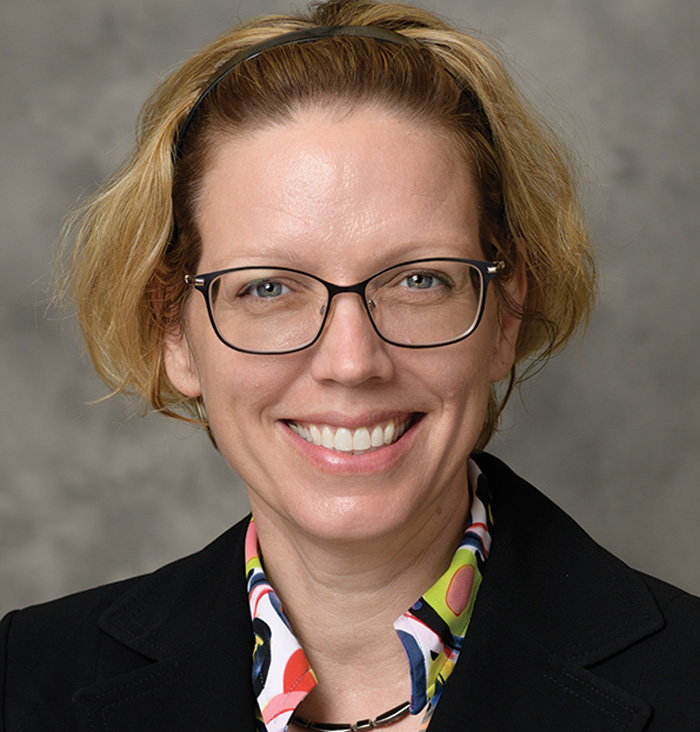
Professor of Food Science, Purdue University
Lisa Mauer is a professor in the Department of Food Science and the Whistler Center for Carbohydrate Research, associate vice provost for faculty affairs, and the director of the Center for Food Safety Engineering at Purdue University. She is a longtime member of IFT, having joined as a student in 1992. Her research focuses on food materials science structure-function questions, emphasizing low and intermediate-moisture products, water-solid interactions (including deliquescence), food ingredient architecture, and micronutrient stability, for which she has received numerous awards, including the IFT Marcel Loncin Prize and the IFT Research and Development Award. Mauer also enjoys teaching, mentoring, and advising students. She is an inducted member of Purdue’s Teaching Academy and the Book of Great Teachers and has been a longtime contributor to IFT’s preconference short courses.
Hilary Thesmar, PhD, RD, CFS

Chief Food & Product Safety Officer & Senior Vice President of Food Safety Programs, FMI - The Food Industry Association
With over 20 years of experience in food science, food safety, and food and agriculture policy, Hilary Thesmar provides leadership for FMI’s retail, wholesale, and product supplier members on food safety training programs, regulatory affairs, recall plans and management, crisis management, research, and overall safety and sanitation programs. She also works with the FMI Foundation on food safety education and research projects.
Thesmar earned a PhD in food technology from Clemson University, a Master of Science degree in human nutrition from Winthrop University, a bachelor’s degree in food science from Clemson, and is also a registered dietitian. Thesmar is a member and volunteer with IFT, the IAFP, and the Academy of Nutrition and Dietetics.
Kumar Venkitanarayanan, PhD
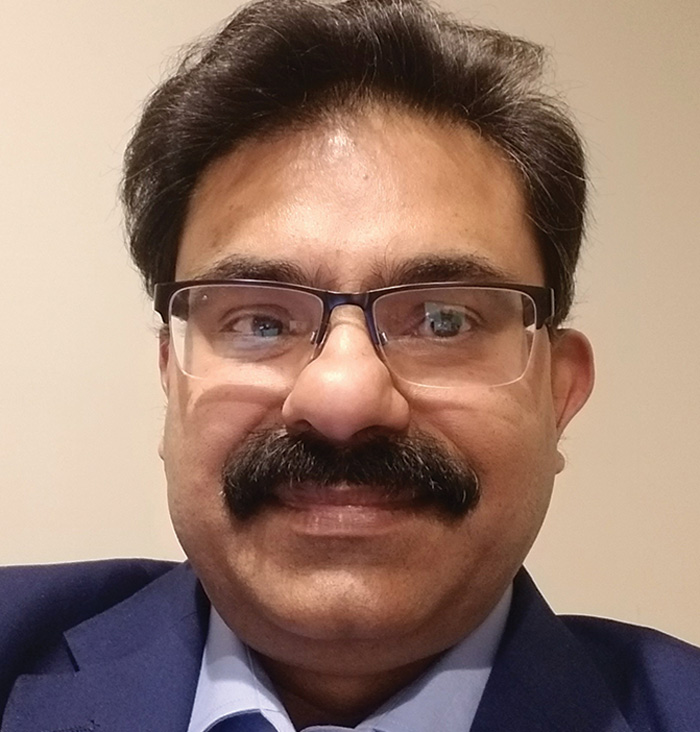
Associate Dean for Research and Graduate Studies, College of Agriculture, Health and Natural Resources, University of Connecticut
Kumar Venkitanarayanan is a professor of food microbiology serving as the associate dean for research and graduate studies at the College of Agriculture, Health and Natural Resources, Univer-sity of Connecticut. Venkitanarayanan is one of the foremost researchers who investigated the potential of several classes of natural plant-derived compounds for improving food safety, especially the safety of eggs and poultry meat, at pre- and post-harvest levels. His research contributed to the development and emergence of several phyto-chemicals as feed ingredients for poultry. Having been successful in securing over $17 million as competitive funding for his research, Venkitanarayanan published 125 peer-reviewed journal manuscripts and 27 book chapters, and characterized five new bacterial genes. He is active in IFT by serving as the secretary of the Food Microbiology Division and as a reviewer of technical research papers and judge in graduate student competitions. He is the recipient of several accolades, including the Evonik Degussa award from the Poultry Science Association, the University of Connecticut Research Excellence and Creativity award, and the Research Excellence award from the College of Agriculture, Health and Natural Resources, University of Connecticut.
How can the science of food community effect meaningful change?
Food Technology asked members of the 2021 Class of Fellows to share their thoughts about how best to meet the challenges of the future and their outlook on some of the most important issues of the day.
“To join hands with stakeholders and move the innovations from the lab to benefit society quickly.”
—Kumar Venkitanarayanan
“I would like to see the food community enhance the sustainability and resiliency of our food systems in the same way we have enhanced the safety of our food systems. The challenges of food safety are met with a community effort. Improvements and breakthroughs for food safety are shared for the benefit of all. We should use this approach to achieve sustainability and resiliency throughout the food system.”
—Christina A. Mireles DeWitt
“Meaningful change must be done through service. Service must be coordinated through government. Thus, to effect meaningful change, IFT must engage government agencies and bring ideas on how to provide service and support to those who lack resources and means to achieve food security on their own.”
—Kevin Keener
“The creation of teams of multidisciplinary researchers in partnership with industry in various spheres of activity and government stakeholders in order to quickly propose actions to ensure the availability and safety of food. The use of social networks is an additional tool to accelerate the sharing of scientific knowledge relevant to problem solving.”
—Monique Lacroix
“We need to get better at communicating with non-scientists. This is especially true within our work environments where decision makers typically are not food scientists. However, it is certainly also true when we communicate with consumers of food. We need to elevate the public’s perception of the food industry.”
—Lisbeth Goddik
“Listen more to the consumer—not just whether they find our products acceptable from a sensory perspective but also which technologies for growing, harvesting, manufacturing, and packaging their products are acceptable. We are seeing significant changes in consumer attitudes about how they shop and what they will tolerate from food manufacturers, but they also have high expectations we will deliver safe products at a reasonable price. What I think this means is we will not be able to always use the best science, manufacturing, or marketing techniques, but we’ll have to deliver differently to the consumer.”
—William Aimutis
What are the biggest challenges facing science of food professionals?
“I think our biggest challenge as food science professionals is communicating sound science in a manner that is understood and trusted by consumers and media.”
—Ellen Bradley
“The biggest challenge is to ensure a safe, nutritious, and sustainable global food supply with a vision of disease prevention and well-being for all.”
—Elvira Gonzalez de Mejia
“Acceptance of science is a huge challenge for all of us. Science education is imperative, and we have to continue to educate and innovate when talking about science.”
—Hilary Thesmar
“A key challenge for food scientists is to quickly adapt based on rapidly changing external pressures and trends. Today, it’s adapting to food processing in the COVID era. However, COVID may be a symptom of climate change. Therefore, our biggest challenge is to reduce the impact of agriculture and food production on the environment and mitigate climate change.”
—Lisbeth Goddik
“Education and valuing scientific expertise in navigating sustainability, safety, security, health, nutrition, environment, technology, and other food-related areas.”
—Lisa Mauer
“As our global population grows over the next few decades, food science professionals will be at the forefront of developing new technologies and products to feed a hungry world in a manner that sustains our natural resources. Food safety will continue to be important, especially as we look at novel ways to utilize new products that may be produced in atypical processes.”
—William Aimutis
What is the biggest change in the science of food since you entered the profession?
“Functional foods/nutraceuticals.”
—Kumar Venkitanarayanan
“I believe the biggest change has been the blending of culinary and food science to create chef-inspired cuisines and topical seasoning flavors.”
—Ajay Bhaskar
“Consumer awareness about food has exploded. Food safety was a niche area and now foodborne pathogens such as Salmonella and E. coli are common terms.”
—Hilary Thesmar
“The development of rapid tests and the use of genomic methods to ensure food safety. The development of different methods of food monitoring, artificial intelligence, and new models to find ways to ensure food security.”
—Monique Lacroix
“When I joined the profession, a focus on integration and increasing food production scale to realize efficiencies was a priority. Now, a vocal minority of consumers, with expendable income, want to control how food is produced. Their visions are varied, but include natural (organic) production and no animal production. Others prefer animal production, where animals are free to roam, a very inefficient production system. These competing views conflict with a need for approximately 50% of the population [with] minimal food dollars who struggle to maintain food security.”
—Kevin Keener
What will it take to reach Zero Hunger?
“Education, accessibility, and affordability.”
—Lisa Mauer
“Technology partnerships are key in today’s global economy. AI-enabled technology and data analytics can help optimize agro productivity based on weather patterns and soil data around the world, whereas e-commerce can help optimize supply chains to meet the needs of rapid urbanization.”
—Ajay Bhaskar
“I think improved partnerships and communications between the people involved with the science of food and those involved with feeding the hungry could significantly enhance opportunities to ensure food for human use is utilized whenever possible.”
—Christina A. Mireles DeWitt
“I would like to see tighter relationships between food manufacturers and food banks. How can we process available raw materials? Can we make value-added products?”
—Ellen Bradley
“Work more directly and effectively with Mexico; this partnership will also have impact on the rest of the Americas.”
— Elvira Gonzalez de Mejia
Authors
-
Food Technology Staff
Categories
-
Career Development
-
Professional Development
-
Leadership
-
Food Technology Magazine


