
Mixing Fun and Function in Kids Foods

The world is changing—today’s adults are choosing to have fewer children and doing so later in life, if they have them at all (Packaged Facts 2016). Over the past decade, the number of households that include children has been declining; now just 28% of U.S. households (35 million) include children younger than 18 (Mintel 2016a).
Still, however, Generation Z—those aged 20 and younger—represent a quarter of the U.S. population, and today’s kids are tomorrow’s shoppers (FONA 2016a). In addition, their parents—mainly Millennials—are willing to spend more money on the foods that match their personal values and provide their kids with healthful, good-for-them options (Packaged Facts 2016). Clearly the market for kids’ food merits some close attention from product developers and marketers.
Fifty-nine percent of Millennials like the products they buy to buy reflect their opinions and attitudes in life, says Tom Vierhile, innovation insights director at Canadean. “Millennial parents want their kids to be like they are, to introduce them to their interests,” including their taste in food, agrees Robin Knight, executive creative director and director of insight and strategy for Creative Consumer Concepts (C3), a family and kids marketing and design agency.
These parental desires, combined with an educated and food-aware Generation Z, have created a market for natural, organic, and free-from food products that provide convenience, portability, and health benefits with tastes and flavors kids enjoy and that parents approve.
Building Better Kids’ Products
Kids and parents are an important target audience across a wide variety of categories, and there are some key drivers that product formulators and marketers must deliver on in order to succeed in the marketplace: better ingredients, functional benefits, playability and excitement, and convenience.
• Choosing Better Ingredients. Natural ingredients, simplified ingredient lists, and more nutritious meals for children are important attributes for new product development in kid-targeted meals (Mintel 2016b), and “companies or brands dedicated to eliminating or reducing unhealthful ingredients will find a strong following of parents,” writes Packaged Facts (Packaged Facts 2016).
“[Healthy] used to mean low-cal and low-fat, and now it’s changed more to what the properties of food are, whether it’s organic, or natural, or artisanal,” says Josh Davenport, senior market analyst at C3. “These are words that we’re seeing a lot more of, certainly with kids in mind.”
In light of this shift, companies are trying to tweak the products they offer to make them better nutritionally, says Vierhile, and many are eliminating artificial ingredients from the beginning when developing new products. Free-from labels “are like a confessional, telling you what they don’t have,” he adds.
In addition, today’s parents are more aware of food and the ingredients in it, says Pamela Oscarson, consumer insights manager at FONA International. “The choices they make about what they are feeding their families are fueled by their overall perception of what is healthy,” she says. “If parents do not trust your company or have a perception about a particular ingredient, it could influence how likely they are to purchase your product.”
Andy Seaberg, R&D director for Plum Organics, agrees. “Millennials are now demanding organic products and full transparency. Increasingly, the young parents we serve want to know how their food is made, where it came from, and how it’s processed so they can feel good about investing their dollars in products and brands they deeply trust,” he says.
This desire for wholesome, whole food may not necessarily be new; healthfulness and substituting “real” ingredients for artificials has been seen across categories for some time. But while adults can understand the reasoning for these changes and may be more willing to accept any potential changes in taste and enjoyment they expect from cleaned-up foods, products marketed to kids must contain ingredients parents want while looking and tasting good to their kids; healthfulness is important, says Oscarson, but getting kids to actually eat the foods can’t take a backseat to including natural ingredients. Luckily, there seems to be a pervasive shift on store shelves to these tasty but better-for-you versions of food and drink staples that span all categories, from juice drinks and fruit snacks to macaroni and cheese and cereals.
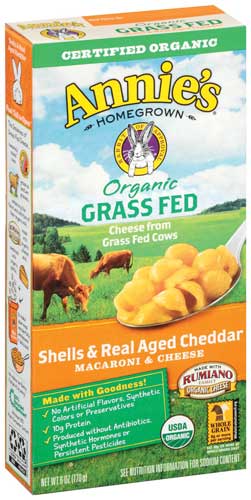 “Macaroni and cheese meal kits are perennial shelf-stable favorites, but new entries touting organic ingredients and removal of artificial flavors, preservatives, and dyes have now infiltrated the shelf-stable meal kits segment,” writes Mintel (Mintel 2016b). The Annie’s Homegrown brand, which has seen a 15.5% increase in macaroni and cheese dollar sales over a year ago, per IRI data for the year-long period ending Dec. 25, 2016, offers a range of mac and cheeses, including those made with gluten-free pasta, quinoa pasta, and cheese from grass-fed milk.
Newcomer Banza uses chickpea-based pasta for twice the protein and eight times the fiber of traditional mac and cheese, and Back to Nature offers varieties that are USDA Organic or made with organic pasta. In addition, cleaner versions of kids’ staples coming from natural channels are inspiring reformulation in traditional brands, says trendologist Kara Nielsen; in 2015, Kraft announced that it had removed artificial colors from its blue box Macaroni & Cheese.
Artificial colors and flavors are also disappearing from snacks. Fruit snacks usage indexes at 152 in households with kids (Packaged Facts 2016), and options touting no artificials include gelatin-free Mott’s Medleys, which are made with fruit and vegetable juice, an ingredient that is being used to reduce sugar in traditionally not-so-healthy foods. Clif Kid Z fruit rope contains fruit puree concentrate, while JELL-O has introduced packaged gelatin snacks made with fruit juices that contain no high fructose corn syrup or artificial sweeteners.
Indeed, sugar is a hot topic, and parents are especially concerned about the levels in foods designed for their kids. “[Parents are] looking at the package and trying to determine what’s natural and what’s added, and manufacturers are going to need to respond to that if they haven’t already,” says Nielsen.
Parents may be concerned about sugar, says Vierhile, but some sweeteners like honey enjoy a health halo among parents. “People are more scared of artificial sweeteners than the real thing,” he observes.
“Honey is one of the few sweeteners out there that appeals to moms and that kids aren’t scared of,” says Keith Seiz, director of strategy for The Arland Group, which represents the National Honey Board.
Madhava Natural Sweeteners’ Kids Organic Honey Water offers the flavor of fruit juice and “healthier hydration that both moms and kids can love,” according to the company. Honey is moving to the front of the label, observes Seiz. When used in whole grain formulations like the breading in Golden Platter Winnie the Pooh Honey Nuggets or in bread products, honey can help reduce the bitterness and make the overall taste more pleasing to kids.
• Foods for Function. With many kids’ foods being formulated without “no no” ingredients, it makes sense that formulators would also consider what could be added to boost the appeal and benefits of these products even more. In some cases, this means switching to whole grains, real fruits and vegetables, and including health boosters like probiotics and vitamins. This trend reaches across food types, from probiotic-rich Lifeway ProBugs Kefir Bites designed for babies to condiments like Welch’s non-GM Concord grape fruit spread, which includes chia seeds for additional fiber and protein.
Children need the right nutrient balance to feel full and achieve their best performance, notes Nielsen, whether that’s maintaining even and lasting focus throughout the school day or competing in a soccer game on the weekend; products intended for this purpose should utilize whole grains and ingredients with a lower glycemic index, include less sugar, and possibly be fortified with nutrients such as omega fatty acids, fiber, and protein, she says.
Speaking of protein, the popularity of this nutrient is evident within kids’ foods, particularly in on-the-go snacks. Chobani Kids Greek yogurt tubes contain 5 grams of protein and 6 grams of sugar per tube, which the company recommends freezing for inclusion in lunches. The New Primal recently expanded its line of meat snacks to include a kids’ version sized perfectly for lunchboxes that are a touch milder than the originals to better appeal to kids’ palates.
Parents are also more aware of the role gut health can play in their children’s health and are actively seeking products fortified with probiotics, with 86% saying probiotics would make them more likely to purchase a product, according to Mike Bush, president of Ganeden and executive board president of the International Probiotics Assoc. “In children, probiotics have already been shown to support the digestive system and most importantly support immune health,” explains Bush. “As probiotics continue to rise in popularity we’ve continued to see an increase in children’s product launches as well as in a variety of food and beverage categories.”
Fiber-filled fruits and vegetables are also good for little tummies, and the stealth health trend of “hiding” veggies helps parents boost their children’s nutritional intake without taking away from the kids’ enjoyment of the products. Some 23% of parents say this aspect is important to their kids’ food purchasing decisions (Packaged Facts 2016). Sneakz Organic chocolate milk shakes hide half a serving of vegetables in each bottle, and Materne’s Fruit & Veggiez GoGo squeeZ pouches contain carrots and sweet potatoes. Kidfresh meals pack up to a half cup of hidden vegetables into each meal, while Green Giant’s new Veggie Tots are a vegetable-rich alternative to tater tots.
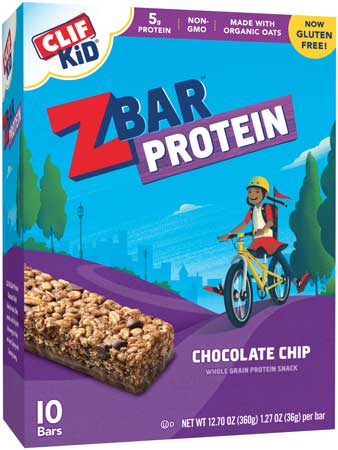 Some foods are embracing their veggie content, though: Clif Kid Zbar Fruit + Veggie bars were created “as a fun way to introduce kids to a variety of fruit and vegetable flavors that expand their palates,” according to a press release; the bars also contain 10–11 grams of whole grains, another element increasingly present in kids’ snacks and meals.
Children can receive benefits from what they drink as well as what they eat. “One of the most overlooked attributes of hydration is cognitive function, especially around concentration and focus,” says Kevin Sherman, CEO of True Drinks and creator of AquaBall, a sugar-free flavored water designed for kids’ hands. Another product, E-hydrate Kids Natural Protein On-the-Go, is a pouch of premium whey blend with electrolytes to which kids simply add water or milk for a quick source of energy and hydration (FONA 2016a).
These products arm parents with good ways to boost their children’s nutrition, but Nielsen is concerned they may not go far enough; she worries that not enough packaged products address the issue of getting kids to recognize and enjoy these nutrients while they are young. “How are we teaching our kids to eat, and is there an opportunity to create better, more complete meals to increase kids’ performance?” she asks.
• Playability and Fun. Kids want foods that are fun, and so do their parents. Kids’ enjoyment of the foods they buy is the second most important attribute for parents, and Packaged Facts writes that “the fun factor is an important aspect of successful product development in this market; whether it’s character licensing, fun shapes, or playability, an element of fun is essential to gain kid approval” (Packaged Facts 2016).
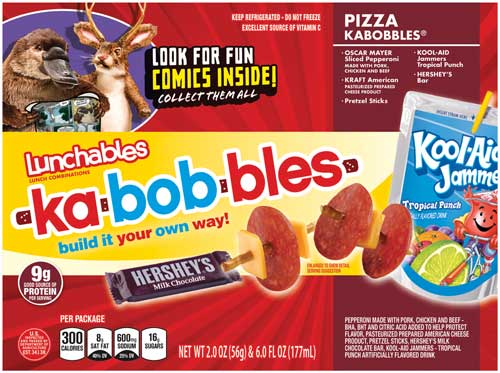 Lunchables appeal to kids because they encourage them to play with their food and personalize the way they put each element together. The Lunchables brand’s sweet spot is among kids aged 6–11, and penetration among households with kids was 42% in 2015, up from 35.1% in 2006 (Packaged Facts 2016). The kits now come in bold, modern snacking varieties such as Extreme Nacho Walking Tacos and Chicken Poppers that should also appeal to teens. For parents concerned about the nutritional quality of traditional lunch kits, Revolution Foods offers its BundleBox, which contains popcorn chicken or hummus dippers and a box on which parents can write a personal note. Kids love dipping because of the customization it offers, adds Sondy Bojanic, account planner for C3.
Brands can also benefit from movie tie-ins and character merchandising (Packaged Facts 2016). Davenport says that kids are more attracted to licensed versions of the same products, noting that kids tend to prefer a SpongeBob SquarePants mac and cheese to an unlicensed one. General Mills has partnered with Disney to include Star Wars licensing on a variety of its products, and across the grocery store, cartoon-covered boxes compete for kids’ attention, even on Trolls-branded Sun-Maid raisins.
Of course, just because a food is fun doesn’t mean it can’t also teach kids something. Foods that aid in kids’ learning and personal development are highly desirable among adults aged 25–34, says Vierhile, and some products seem to have been designed with this in mind. Dick & Jane Baking Co.’s Educational SNA+CKS cookies provide mini lessons on states and capitals, presidents, and English and Spanish words, and Bitsy’s Brainfood’s website says that “healthy bodies and healthy minds are connected and learning to eat smart should be fun.” Its Smart Crackers are “puzzle shaped” to encourage playing, and its Smart Cookies come in alphabet shapes.
These shapes can also be seen in children’s food staple chicken nuggets, which are available in alphabet shapes from Yummy and as whole grain, preservative-free dinosaur-shaped Fun Nuggets from Tyson. In creating fun foods, though, companies should focus on ensuring that they are healthful, too. “Any food can be made playful, whimsical, and fun,” says Nielsen. “Health is the biggest thing.”
• Convenience. Parents are busy. Half of Millennial moms aged 30–34 work full-time, and 29% of homemakers plan to go back to work in the future (Packaged Facts 2015). While these consumers are looking for high-quality, nutritious products, they are also looking for convenient ways to serve that food to their families (FONA 2016b). Parents are drawn to products that can make getting dinner on the table or lunch into the box as easy as possible; when it comes to the latter, portability and convenience are essential, and the rise of pouches, packs, and resealable bags have helped answer this desire for easy-to-pack lunches and snacks that can be eaten quickly and on the go.
The need for convenience is also impacting how parents structure mealtime. Household use of frozen breakfast entrées and sandwiches has increased from 26.2% in 2006 to 35.6% in 2015, and households with older kids are also more likely to use hot breakfast and snack bars, which are easily prepared by older kids and can be eaten on the go (Packaged Facts 2016). As use of these products has increased, healthier and cleaner versions of breakfast classics have appeared. Earth’s Best breakfast line includes licensed Sesame Street characters and is made with whole grains and vitamins for an “on-the-go option [that] is both wholesome and convenient,” according to the company’s website.
At the same time, usage of breakfast cereal has declined; 14% of cold cereal by volume is eaten by children, but this number is falling, perhaps because of its association with sugar (Packaged Facts 2016). Some companies, though, are hoping to regain interest in the category. General Mills announced a revamp of seven of its cereals to remove artificial flavors and colors and rolled out some of these changes in 2016, and Love Grown launched a line of allergen-friendly, bean-based cereals in fun shapes and flavors like Blueberry Vanilla Polar Puffs. Cereal companies should focus on creating better-for-you options, lowering sugar, and adding protein to create a food that parents would be more likely to make part of a balanced breakfast.
Sixty percent of moms spend 30 minutes or less preparing a meal (FONA 2016b), and when it comes to dinner, parents may struggle to find solutions that are easy to make that they can trust their families will enjoy—and that are also nutritious. According to Vierhile, 56% of consumers aged 25–34 say knowing what’s healthy can be confusing. Sixty-one percent of parents in households with children under 18 consider refrigerated meals to be healthier than frozen, and “this suggests additional scope for development of healthy, all-natural chilled meals targeting kids, as well as the parents who purchase these meals” (Mintel 2016b).
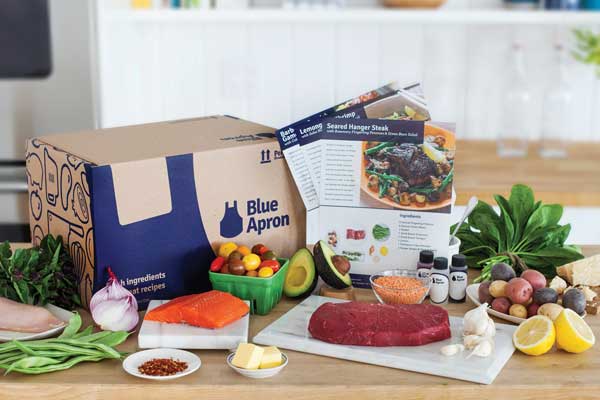 Meal delivery services like Blue Apron are another time-saving solution for families, and they also allow kids and parents to engage in meal prep together, says C3’s Bojanic. There is also an opportunity for delivery services that cater specifically to families with kids, says Nielsen, especially those that can also teach parents and their children what a healthy, balanced meal looks like. Knight adds that there seems to be an opportunity here for an innovative consumer packaged goods company to create its own version of mix-and-match meal kit items that can appeal to individual members of a family while letting them eat together.
Looking Ahead
Parents face a tough proposition when it comes to feeding their kids. They must balance their desire to provide fuel for healthy, strong, and happy kids with those kids’ willingness to actually eat the good-for-you foods they choose—and instill in them the ability to make their own good choices later.
There’s an opportunity to help young people understand what food is and where it comes from, says Nielsen, who notes that she has not seen many companies yet embracing this concept. “As a food professional, I’m concerned about packaging and positioning certain foods to be kids’ foods instead of teaching kids that all foods can be kids’ foods,” she says. “How do kids figure out how to eat real food down the line?”
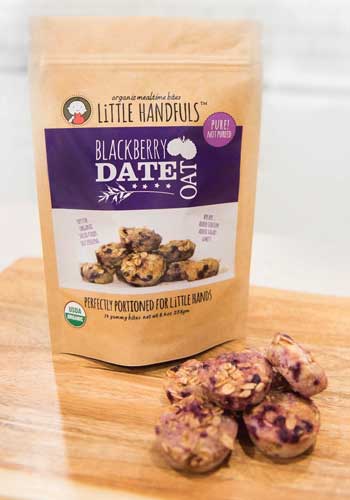 Baby food startup Little Handfuls is trying to do just that; these toddler bites, which resemble mini muffins, were created by two parents who were frustrated that there seemed to be no products available for babies that allowed them to experience the texture of real food. These bites contain visible whole grains and fruits and vegetables, along with herbs and spices. “Why can’t her palate get started early?” asks cofounder Dustin Kochis.
Introducing kids to new flavors within the first 1,000 days of their lives is key to helping children learn to appreciate healthy foods, says Plum Organics’ Seaberg. The company creates products using culinary-inspired recipes designed to “bridge familiar and new ingredients to help introduce new flavors in a safe way that won’t overwhelm picky eaters,” he says.
“There is no one-size-fits-all solution,” concludes Oscarson. “It’s important to understand what’s driving parents toward one product and away from another. As food companies, we have to truly listen to consumers. We should work to understand where our products fit into parents’ lives and how we can help them keep those kids fed, happy, and healthy, too.”
Who Is Generation Z?
Today’s children fall into what’s known as Generation Z, the kids and teenagers age 20 and younger. Generation Z is the first generation to be raised completely surrounded by digital technology, and these young consumers have been exposed to the rest of the world in a way other generations have never known. They are also racially and culturally diverse themselves; Gen Z is 52% non-Hispanic white, the smallest percentage in history, says Robin Knight, executive creative director and director of insight and strategy for marketing and design agency Creative Consumer Concepts. “Things that we call ethnic, these kids call dinner,” she says.
“Gen Z’s diversity will continue to drive food culture trends we already see around the exploration of authentic, global food experiences, and the impacts of this diversity are going to include how they eat,” says The Hartman Group's Melissa Abbott (FONA 2016c). Members of Gen Z are already influencing how their parents, many of whom are food-engaged Millennials, are shopping, says Pamela Oscarson, consumer insights manager for FONA International. “Their palates are expanding from a very young age. They have been exposed to beets, aronia berry, and unique combinations like broccoli and apple without ever having to leave their high chairs,” says Oscarson.
Indeed, Gen Z is driven by taste, according to Technomic, and members of this generation are open to more sophisticated flavors, something manufacturers should keep in mind as they create new foods marketed toward kids (FONA 2016c). They should also be transparent about the ingredients they use and their mission. “GenZ demands information at their fingertips … meaning they expect transparency from the food industry,” notes FONA (FONA 2016c). They are also willing to pay for better ingredients; 31% of Gen Z (and 29% of Millennials) say they are willing to pay a premium for healthy foods (FONA 2016a).
Gen Z is also more engaged with food prep than previous generations. Young adults are interested in cooking as a social activity, though their definition of what cooking is might be different than their grandparents, says Tom Vierhile, innovation insights director for Canadean. Despite their digital prowess, Gen Zers prefer to shop in brick-and-mortar stores, and retailers could better tap into this market by creating new ways to bring interactive engagement around their brands, especially since members of that generation still expect to engage with brands online, the National Retail Federation found in a recent study. They can also create displays showing inspiration for building healthy meals, something that could appeal to Gen Z’s desire for speed, convenience, and customization, as well as the busy schedules of younger members’ parents (FONA 2016c).
Melanie Zanoza Bartelme is associate editor of Food Technology magazine.
Hero Image: © Choreograph/iStock, © Chattapat/Shutterstock, © Epifantsev/iStock/Thinkstock, © slalomp/iStock/Thinkstock, © miu_miu/iStock/Thinkstock, © justinroque/iStock/Thinkstock
Authors
-
Melanie Zanoza Bartelme
Categories
-
Food Business Trends
-
Consumer and Marketplace Trends
-
Food Product Development
-
Food Technology Magazine


