
INGREDIENTS
New Horizons for Ingredients


Clear protein-enriched beverages are possible with a new plant protein ingredient. Photo courtesy of Kerry
The evolution of the food and beverage industry continues as manufacturers innovate to respond to new consumer trends, such as a focus on health and wellbeing, increasing interest in plant-based foods, and exploration of new flavors and textures—all among the top trends for 2020 identified by Innova Market Insights (Innova 2019). These are just a few of the trends that the research company says will help determine what products will be on grocery store shelves in the year ahead and beyond. They’re also driving new ingredient development, and this month’s Ingredients column considers several of the trends and highlights a collection of recently launched ingredients created, in part, to help food and beverage manufacturers bring new products to fruition.
Protein-Fortified Beverage Improvement
More than half of consumers are “protein users,” and this is contributing to the growth in sales of protein-fortified beverages (waters, fruit drinks, and energy drinks) and to the use of plant protein options, according to information from Kerry, which cites its own research and research from Nielsen and Mintel GNPD. A new plant protein ingredient, ProDiem Refresh, from Kerry can enhance low-pH beverages like juices, waters, and energy drinks with protein without the cloudiness that some other protein ingredients produce.
Using certain protein ingredients in low-pH beverages presents challenges, such as problems with stability, solubility, and clarity. Stabilizers can solve these problems, but some manufacturers trying to formulate products that meet consumers’ clean label demands try to eliminate the use of these ingredients.
There are a few protein ingredients that function well in low-pH beverages. Since they are either derived from animals (dairy, collagen) or considered an allergen in certain markets (soy), they are not options for manufacturers developing products for consumers who want plant-based or allergen-free foods.
ProDiem Refresh, a soluble pea protein hydrolysate ingredient, is said to provide functional benefits and serve as a vegan, allergen-free, and non-animal-derived source of protein for low-pH beverages. The company also reports that the ingredient was developed in a way that it provides neutral taste, low viscosity, and excellent stability and solubility.
Other information about protein fortified beverage formulation—this time from Innova Market Insights courtesy of Arla Foods Ingredients— shows that challenges associated with formulating clear protein waters, such as astringent taste and dry mouthfeel, have made food manufacturers hesitant to launch these types of beverages. The data from Innova show that 25% of consumers say flavor is the factor that they pay attention to the most (out of eight total factors) when buying protein drinks. Recently, Arla Foods Ingredients launched Lacprodan ISO. Water, a 100% whey protein isolate ingredient that is said to help manufacturers formulate clear protein water beverages with a better mouthfeel and without off-tastes that some protein ingredients can impart in such applications.
It’s All About Aqua
Not only do color trends affect the fashion, cosmetics, and home decor industries, they also influence the food and beverage and culinary industries. As far as color in the food industry is concerned, expect to see foods and beverages colored in shades of aqua—greens and blues that are evocative of nature, such as the sea and mountains, according to colorings manufacturer GNT.

Trendsetters predict that consumers will see more green- and blue-colored foods and beverages. Photo courtesy of GNT
In addition to being associated with nature, green shades are connected to well-being while blue shades are particularly eye-catching in photos posted to social media. Food manufacturers can use these shades of aqua to bring eye-appeal to several product categories, as noted by GNT in a recent trend report (GNT 2020). One is dairy and dairy alternatives, which, according to the report, “are the perfect blank canvas for creating products that dazzle with color.” In addition, shades of aqua can add a sense of excitement and whimsy to snacks and cereals.
There is also sweet and savory bakery, where the colors are turning up in fillings and decorations such as sprinkles, edible glitter, and colored sanding sugar. At the 2019 International Baking Industry Exposition, several ingredient and bakery companies displayed blue-hued frostings and decorations for cakes, cookies, and doughnuts. One was Dawn Foods, which showcased brightly colored frosted doughnuts, several in shades of blue, and now reports that blue hues are worth exploring in 2020. In the latest issue of its Batter Up publication, the company presents product ideas such as doughnuts frosted in a blue ombre shade and turquoise macarons (Dawn Foods 2020).
Another product category showing an uptick in the number of blue and green products is beverages, both nonalcoholic and alcoholic. The GNT report points out specific beverage products where blue and green are emerging colors. These include smoothies and juices, spirits, and nonalcoholic cocktails.
Not only do color trends affect the fashion, cosmetics, and home decor industries, they also influence the food and beverage and culinary industries.
Finally, there’s no better product category for having fun with color than confectionery. A growing subset of the category that the GNT report highlights is confectionery for adults, with an emphasis on “grown-up, sophisticated flavors” and a focus on health benefits. The report also associates green with health and blue with calm and suggests that manufacturers can create a sense of healthfulness and serenity by using these hues in functional confectionery geared to adults.
Formulators who wanted to color foods in shades of blue and green typically used synthetic colors, but for consumers who scrutinize the use of synthetic ingredients, color manufacturers now offer colors derived from vegetables, botanicals, and the like. GNT produces its EXBERRY blue and green coloring foods from spirulina, algae that contains a colorful pigment called phycocyanin.
Additionally, a blue concentrate of spirulina is blended with a yellow plant pigment to produce green shades.
Smoking Method for Clean Label Smoked Salt
Smoke flavor adds a rich dimension to foods and beverages and can help food manufacturers differentiate their products from competitors’ products. Through research and development and a $2 million investment, SaltWorks developed an innovative smoking process and in November 2019 relaunched its line of All Natural Smoked Salts produced with this new technology.
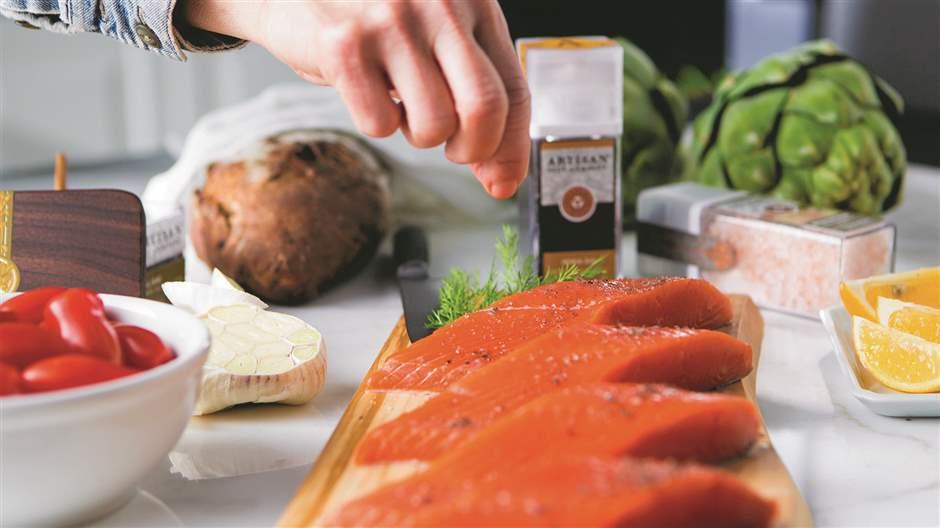
Smoked sea salts give a pop of flavor to seafood. New technology enables the creation of a line of smoked sea salts without the use of liquid smoke or chemical additives. Photo courtesy of SaltWorks
Called Perfect Smoke Technology, the method involves using real food-grade debarked wood and its proprietary ultraclean cold smoking techniques to produce smoked sea salt at its facility in Woodinville, Washington. Because it does not involve liquid smoke, chemicals, flavors, or colors, according to the company, it gives food manufacturers a clean label option to impart a smoky flavor to their products.
A few of the smoked sea salt varieties are Salish Alderwood Smoked Sea Salt, which has an intense campfire aroma that pairs well with grilled salmon, steak, and vegetables; Fumée de Sel Chardonnay Oak Smoked Sea Salt, which has a smoky oak aroma that complements chocolates and caramels; and El Dorado Mesquite Smoked Sea Salt with an aroma reminiscent of traditional Texas barbecue.
SaltWorks held an event in conjunction with the official release of the smoked sea salts where its chefs prepared a range of foods and beverages that featured the salts. Among the offerings were barbecue pulled pork sandwiches and barbecue pulled oyster mushroom sandwiches, flatbread pizzas with smoked sea salt sprinkled on top, ice cream sandwiches, mini bratwursts, and, of course, snack foods like kettle chips, mixed nuts, and popcorn. Bartenders even used the salts to line the rims of glasses filled with a variety of alcoholic mixed drinks.
Purple Corn Extract Powder Colors Foods
Manufacturers are turning to extract powders made from fruits and vegetables for both the functionalities that they offer and the potential to add important nutrients to formulations. One of the newest is Suntava Purple Corn Extract Powder from Healthy Food Ingredients.
An ingredient derived from purple corn can function as a coloring option in some food applications. © ImpaKPro/iStock/Getty Images Plus
The powder provides a natural color option for manufacturers who are looking for ingredients that appeal to consumers seeking foods made without synthetic colors. While the extract powder has a rich purple hue, manufacturers can create foods in various shades of purple depending on the application. A s’more product concept that Healthy Food Ingredients developed featured a lilachued marshmallow made with Suntava Purple Corn Extract Powder.
The ingredient is rich in antioxidants; the anthocyanin content in the powder is standardized to a minimum level of 3.5%, according to the company.
The extract powder, which functions in different types of bakery products, snack foods, and beverages, joins several other Suntava Purple Corn ingredients, including flour, grits, and meal. The powder is produced through a 100% water extraction process from whole purple corn kernels from corn grown in the United States, according to the company.
Boost Fiber Claims With Fruit Fiber Ingredient
Fiber plays important roles in gut health, but getting people to eat the recommended amount can be a challenge. Taura Natural Ingredients introduced a new ingredient in late 2019 that it hopes will help fill the gap. Its JusFruit Fibre+ ingredient promises to provide the benefits of fiber without negatively affecting texture and taste of finished products.
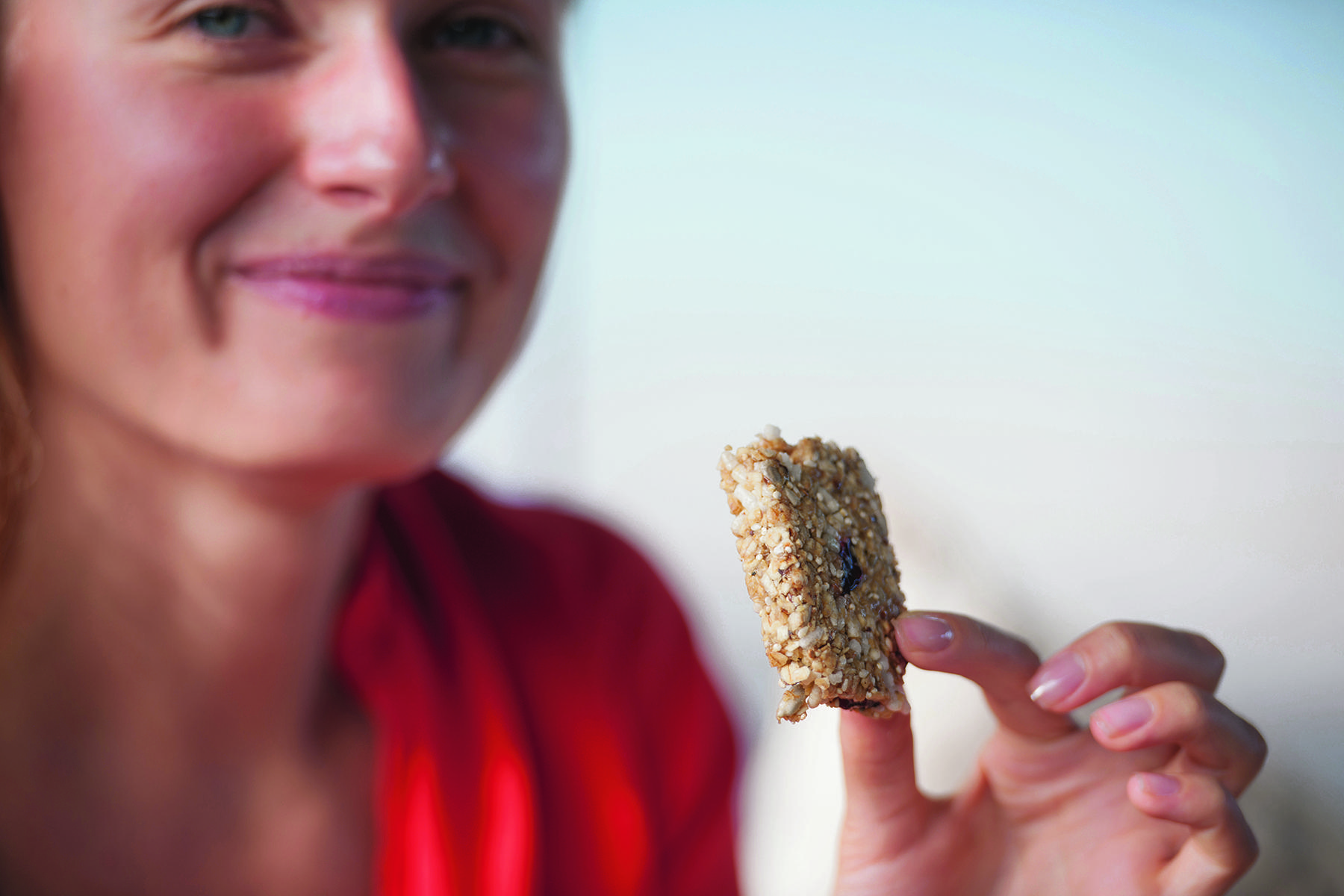
Improvements to texture and enhanced fiber amounts are promised with a newly developed fiber ingredient derived from fruit. © ShotShare/iStock/Getty Images Plus
Taura Natural Ingredients uses its URC process to produce the preservative- and allergen-free JusFruit Fibre+ with added fiber. JusFruit Fibre+ comes in paste and inclusion (in sizes from 3 mm to 30 mm) formats, or it can be used as a standalone snack. Another benefit the company promotes is that manufacturers can formulate with the ingredient to achieve sugar reduction of up to 15% compared to traditional fruit inclusions. What’s more, 20 grams of the ingredient contain 5 grams of fiber, according to the company.
High fiber is one of the top claims for new bakery and snack product launches, and there has been a 12.8% increase in snack product launches with a high fiber claim since 2016, according to Taura Natural Ingredients, citing data from Mintel’s GNPD Top 10 Health Associated Claims in Europe (2016–2018). The data from Mintel also show that consumers are becoming increasingly aware of the health benefits of fiber. Not only are the JusFruit Fibre+ ingredients perfect for use in snack and bakery products, they also function in confectionery and cereal products.
Plant Protein Growth Continues
Food trend analysts agree that plantbased protein will continue to be top of mind for consumers in 2020. Ingredient manufacturers are developing new plant protein ingredients from a variety of sources to meet the needs of manufacturers formulating protein-fortified products of all types.
One such ingredient company is Applied Food Sciences, which recently introduced CoffeeProtein, an organic protein extract from green coffee beans. Some plant protein ingredients can impart a bitter taste to foods or have solubility issues, depending on the type of food or beverage in which they are used. CoffeeProtein, on the other hand, has an excellent sensory profile, including a smooth texture when used in ready-todrink beverages, according to the company. What’s more, the company reports that the ingredient is considered a “whole food protein” rather than an isolate, so it contains important nutrients, such as fiber and antioxidants. CoffeeProtein is also said to be free from gluten, lactose, egg, nuts, and soy.
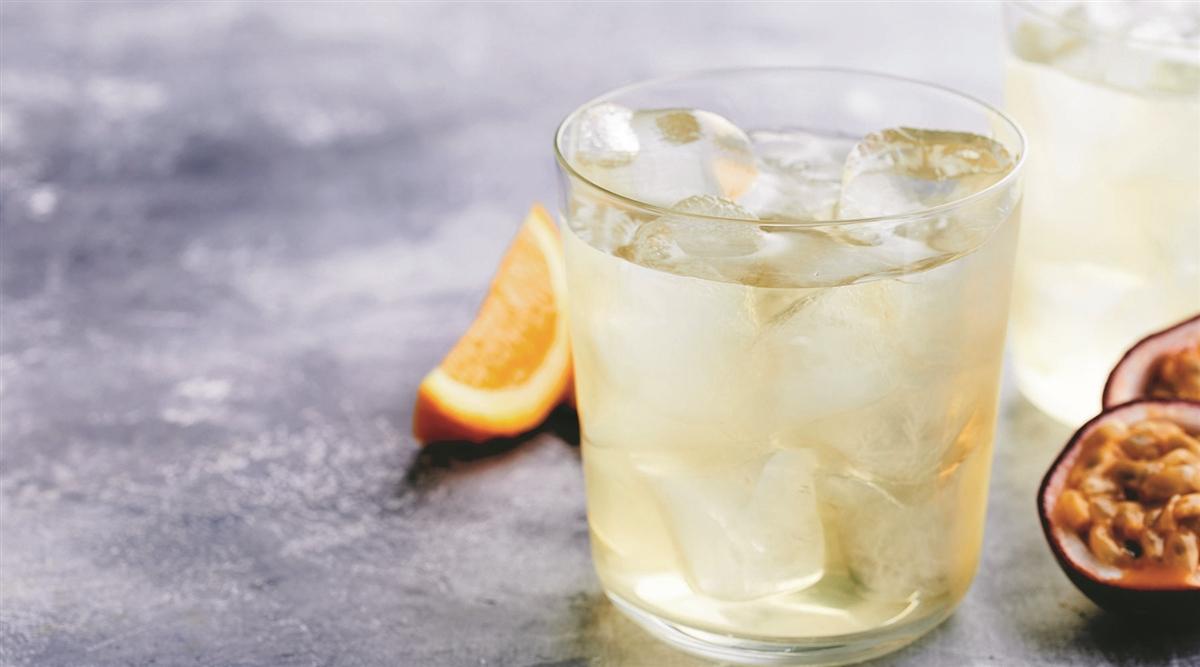
Scientists are exploring a range of plant sources—even green coffee beans—for the next plant protein. © duckycards/ iStock/Getty Images Plus
In other plant protein news, Roquette in December 2019 launched two new plant-based textured proteins derived from peas and fava beans, giving food developers new options for their plantbased food formulating efforts. The new ingredients—NUTRALYS TP-C from peas and NUTRALYS TF-C from fava beans— were born out of several years of research that Roquette has conducted on next generations of plant-based proteins. Part of that work included identifying the most effective and sustainable sources of plant proteins (yellow pea and fava bean are environmentally friendly, according to the company).
Roquette optimized NUTRALYS TP-C and NUTRALYS TF-C to have acceptable taste and texture performance in food products, specifically in meat and fish alternatives. These particular products are having a moment in consumer packaged goods and restaurant food options. The tastes and textures of these alternative meat and fish products—as well as their nutritional profiles—are extremely important qualities that determine if they will be a success.
The company in December served 100% plant-based burger patty and fish stick alternatives made with NUTRALYS TP-C and NUTRALYS TF-C at the 2019 Food Ingredients Europe show. The two ingredients join a range of other NUTRALYS plant protein ingredients that manufacturers can use to add protein to and improve the overall texture of different food products.
Waste Product Leads to New Ingredients
Barry Callebaut recently released new ingredients based on a lesser-known part of the cacao pod that it promises will help food manufacturers, bakers, and chocolatiers bring flavorful dimensions to their products.
The inside of the cacao pod is lined with a soft flesh and contains the beans used to make chocolate and a sweet pulp that surrounds the beans. In typical chocolate and cocoa ingredient production, much of the pulp is discarded. Barry Callebaut developed its Cacaofruit Experience ingredients from this pulp, which it says can be used in bakery, frozen desserts, juices, smoothies, snacks, and chocolate. The taste of the pulp ingredients can range from fruity to zesty with a light acidity, depending on the application, according to the company. It also reports that Mondelez International has debuted one of the ingredients (concentrated cacao pulp extract, according to Nutrition Facts labels) in its CaPao Cacaofruit Smoothie Balls and CaPao Cacaofruit Jerky Strips.
The thick white pulp that surrounds cacao beans is a source of functional ingredients that can be used in chocolate and other food products. Photo courtesy of Barry Callebaut
The company also introduced WholeFruit Chocolate, which is made from cacao beans (just like traditional chocolate) and ingredients made from 100% of the sweet pulp. There are two varieties. The first is WholeFruit Bold, and the ingredient declaration in the United States is “unsweetened chocolate, cacaofruit sugar, fructose (from cacaofruit pulp), dry cacao fruit juice concentrate,” according to the company. The second is WholeFruit Velvety, which contains milk. What’s more, the WholeFruit Chocolate ingredients contain 40% less sugar than most other dark and milk chocolates and are higher in fiber and protein, according to Barry Callebaut.
Next month’s Ingredients section will feature ingredients in the fats and oils category.
Enzyme for High-Fiber, Lower-Sugar Dairy
Changing consumer preferences are pushing dairy manufacturers to innovate when developing new products. Some of the trends in dairy include lactose free, low sugar, and high fiber. DuPont Nutrition & Biosciences in late 2019 released DuPont Danisco Nurica lactase, which allows dairy food and beverage manufacturers the ability to tweak the sugar, fiber, and lactose contents of the products to meet these claims. A traditional lactase breaks down lactose into glucose and galactose, but the Nurica lactase goes further and helps transform the galactose into galactooligosaccharides prebiotic dietary fibers, according to the company. This results in a total sugar reduction of up to 35% and the formation of dietary fiber. The company conducted application trials and reports that the Nurica lactase did not affect the acidification process, texture, or taste.
Exploring Regional Chinese Cuisine
Chinese cuisine has long been a favorite global cuisine of Americans. Now there is a growing interest in regional Chinese cuisines, with 58% of consumers saying that they would like to see more food options dedicated to a specific region of China offered, according to the latest trend research from SupHerb Farms and Technomic (SupHerb 2019). Here are a few ingredients used in some of the regional Chinese cuisines that the report notes.
• XO sauce, a blend of red chile pepper, ham, and dried scallops and shrimp, is used in Cantonese cuisine.
• The very hot tien tsin pepper is bright red in color and gives foods from Hunan and Sichuan cuisines a burst of heat.
• Qiaotou is a vegetable similar to green onion often used in sour-flavored dishes in Fujian cuisine.
• Popular in Sichuan cuisine, Sichuan peppercorn has a mild heat and a bit of lemon taste. Most exciting though is that when you eat Sichuan peppercorn, it creates a tingly numbness on the tongue.
Spicy Foods Heat Up
The popularity of spicy foods continues to surge, with more than half of global consumers in 2019 choosing spicy options when dining out compared to 43% in 2017, and 50% of consumers choosing spicy food when eating at home, according to a new report by Kalsec (Kalsec 2019). The research digs deeper into regional differences in spicy food and ingredient preferences in key markets around the world. For instance, the report notes how the perceptions of pungency levels (i.e., mild, medium, and hot, as they refer to heat level) differ across markets. It also provides product developers with insights into trending applications and product formulation opportunities. One insight is that consumers around the world are willing to try spicy/salty combinations, spicy/sweet combinations, and spicy/tangy combinations. Another is that the collective group of consumers from 12 markets around the world that were surveyed named sauces, meat/ poultry/fish, and snacks as the top three categories that they would be most likely to try with a spicy option. Drilling down into each market showed some differences in consumer preferences. For example, only 9% of the collective group of consumers named desserts as a food that they would be most likely to try with a spicy option, but more than 40% of consumers in India did.
Mix It Up With Mushrooms
Mushrooms are a popular food and ingredient, enjoyed for their umami and earthy flavors, health benefits, and texture that serves quite well as an alternative to meat. There are even several types of mushrooms recognized as adaptogens. Adaptogens—plant substances thought to manage stress and induce a sense of well-being—are a trending ingredient to watch, according to research compiled by market research firm Mintel (Mintel 2019). Wixon’s trendspotting project for product development— Wixon Innovates—notes the growing popularity of mushrooms, specifically some of the so-called adaptogenic mushrooms like reishi, shiitake, maitake, chaga, lion’s mane, turkey tail, and cordyceps. Adaptogenic mushrooms are turning up in beverage products like tea and juice, and information from Wixon points to bakery, grain-based products, and others as applications that can feature the mushrooms.
Lemony Twist
To add layers of flavor to traditional lemonade, Citromax recently debuted a line of readyto- use lemonade bases in Lemon Lime Lemonade, Hibiscus Lemonade, and White Peach Lemonade. A key quality of the lemonade bases that the company points out is that the lemons are processed on the day that they are harvested to ensure freshness. The company maintains a vertically integrated planting, harvesting, and processing business.
R E F E R N E C E S
Dawn Foods. 2020. “Ready to Make a Splash?” Batter Up. 5(1): 6.
GNT. 2020. Trend Report: Shades of Aqua. GNT, Mierlo, the Netherlands. exberry.com/ shadesofaqua.
Innova. 2019. “Top Ten Trends 2020.” Webcast, Nov. 7. Innova Market Insights, Arnhem, the Netherlands. foodingredientsfirst.com/ webinars/top-ten-trends-2020.html.
Kalsec. 2019. Spicy Perceptions: Hot and Spicy Food Industry Insights. Kalsec, Kalamazoo, Mich. kalsec.com.
Mintel. 2019. U.S. Flavor and Ingredient Trends 2019. Mintel, Chicago. mintel.com.
SupHerb. 2019. Trending Now: Regional China. SupHerb Farms, Turlock, Calif. supherbfarms. com, and Technomic, Chicago, technomic.com.
Hero Image: 2018
Authors
-
Karen Nachay
Categories
-
Culinary and Ingredient Trends
-
Food Product Development
-
Food Ingredients and Additives
-
Formulation
-
Food Technology Magazine


