
Rethinking Carbohydrates
The authors explore emerging science, formulation strategies, and labeling considerations to help innovators design carbohydrate-containing foods that deliver performance, appeal, and health benefits.

Learning Objectives
-
Understand the concerning position of carbohydrates on the new USDA Food Guide Pyramid.
-
Gain insight into carbohydrate ingredient trends and new functional product innovations.
-
Learn the latest research on carbohydrates and health and regulatory challenges to address consumer interest in healthy carbohydrates.
Carbohydrates are more than just a source of energy—they play a complex role in metabolism, satiety, and overall health. Advances in nutrition science are revealing how different carbohydrate types, structures, and processing methods impact blood glucose response, digestive health, and consumer perceptions. For food product developers, understanding the latest research on glycemic index, resistant starch, and fiber functionality can unlock opportunities for creating products that meet both nutritional goals and market demands.
Carbohydrate Primer
Carbohydrates include sugars and starches and are the predominant calorie source in most human diets, including grains, vegetables, fruits, dairy, legumes, and nuts (Slavin and Engstrom 2024). Dietary fiber, a class of nondigestible carbohydrates, is an essential nutrient for its role in chronic disease prevention (Shulz and Slavin 2021). Sugars are intrinsic in fruit and milk products. Sugars are also added to foods during processing and preparation or at the table. These “added sugars” sweeten the flavor of foods and beverages and improve palatability. Sugars are also used in food preservation and for functional properties such as viscosity, texture, and body and browning capacity. In 2020, the U.S. Food and Drug Administration (FDA) began enforcing Added Sugars labeling, distinguishing between Total and Added Sugars on the Nutrition Facts panel. Only total sugar can be measured chemically, so added sugar is a calculated value.
Starches are made up of many glucose units linked together and are found in grains, legumes, and vegetables. Most starches are broken down to sugars by digestive enzymes in the body, but some starches are resistant to digestive enzymes. These resistant starches function like dietary fiber, passing intact through the upper gastrointestinal tract and then fermented in the large intestine by colonic microflora. This fermentation process produces short-chain fatty acids that can be absorbed for energy but also have health benefits. Fibers include both “dietary fiber,” the fiber naturally occurring in foods, and “functional fiber,” which are isolated fibers that have positive physiologic effects in human trials. Accepted physiological benefits include lipid lowering, glucose control, laxation, blood pressure improvements, enhanced mineral absorption, weight control, and others.
Recommendations
Historically, carbohydrate staples are at the base of the U.S. Department of Agriculture (USDA) Food Guide Pyramid and should provide 45%–65% of total calories. The most recent USDA Food Guide Pyramid in the United States suggests that carbohydrates should be limited and protein increased, although this is not supported by new research findings (USDA Dietary Guidelines for Americans 2015-2030). Other recommendations in the new Dietary Guidelines for Americans (DGAs) are also challenging for food manufacturers. There is additional pressure to reduce intake of added sugars, while use of alternative sweeteners is limited. Alternative sweeteners are an important tool to reduce added sugar intakes to less than 10% of calories, so new regulations on “healthy” and “highly processed” may help determine the path forward for following the latest DGAs.
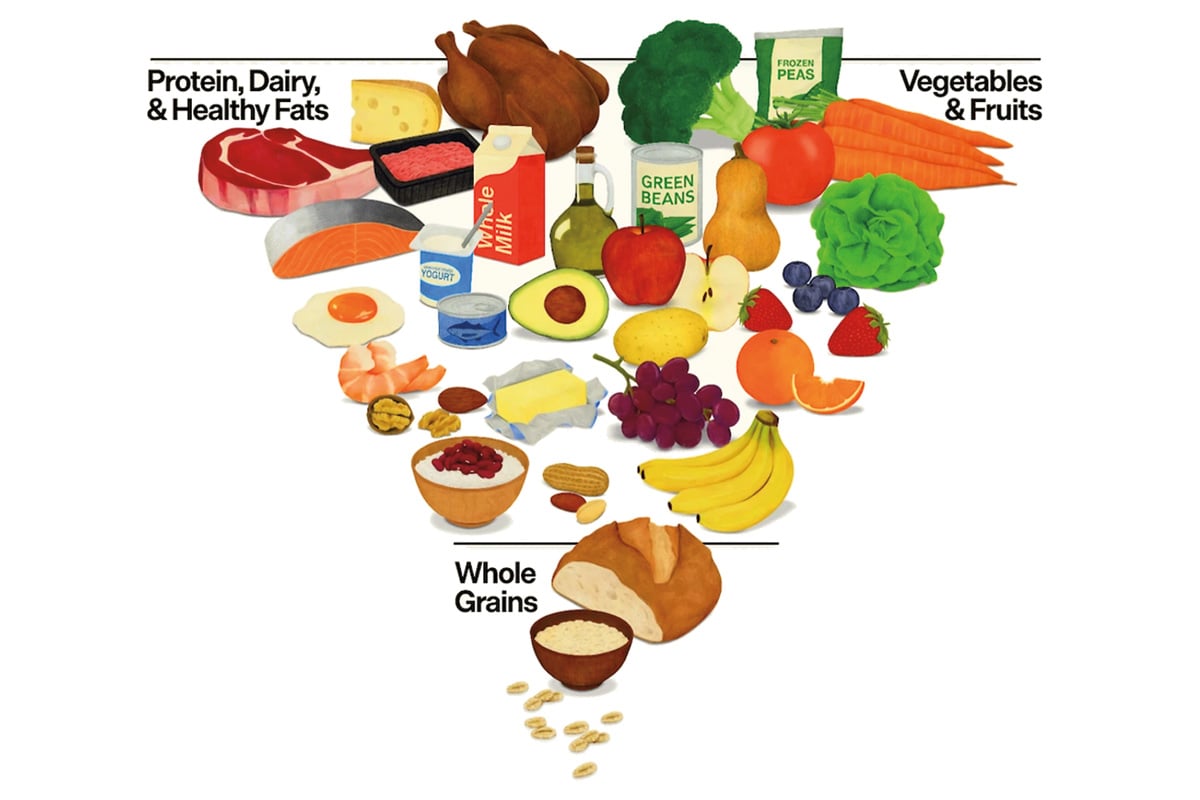
Despite serving as the primary energy source for much of the global population due to their abundance and affordability, carbohydrates are often linked to the obesity epidemic and subsequently demonized. Carbohydrates are one of the most sustainable food groups for climate health and there is universal movement to more plant-based dietary patterns to help mitigate climate change. Currently accepted positive carbohydrate quality indices include plant food, whole grain content, and dietary fiber, while negative health outcomes are linked to high intakes of added sugar and foods that have a high glycemic index.
Carbohydrates are one of the most sustainable food groups for climate health.
More recently, negative health aspects have been linked to highly processed foods, which are often high in carbohydrates. Yet, carbohydrate staples such as grains and dairy products are both enriched and fortified, resulting in these foods containing important nutrients of concern such as dietary fiber, potassium, vitamin D, and calcium.
Dietary Fiber and Beyond
The DGAs identified fiber as a nutrient of public health concern in 2005, and dietary fiber intakes continue to be about half recommended levels. Dietary fiber is listed on the Nutrition Facts panel and 28 g of dietary fiber is the currently recommended amount in a 2,000 kcal diet. Data from the National Health Nutrition Examination Survey show that men and women consume about 16 g of fiber daily from foods and beverages (USDA-ARS 2018). Moving from a chemical to a physiological definition for dietary fiber creates challenges, with new FDA rules in 2016 requiring functional fibers to show a physiological benefit in human subjects before being accepted as a dietary fiber.
Plant foods and dietary fiber have been recommended in food guidance since 300 BC, yet most consumed foods in the United States are low in dietary fiber (Timm et al. 2023). Most servings of fruits and vegetables contain 1–3 g of dietary fiber per serving. Whole grain servings are higher in fiber than refined grain servings, but still most whole grains servings contain 3–4 g of fiber. Legumes and pulses are concentrated in fiber but also concentrated in starch and calories. Reaching recommended daily dietary fiber intakes within a 2,000-calorie diet is difficult and many consumers choose high-fiber cereals that contain up to 13 g per serving or rely on fiber supplements to achieve recommended intakes of dietary fiber.
The story extends beyond dietary fiber with growing interest in prebiotic fiber, probiotics, postbiotics, and fermented foods (Slavin 2013). Consumers are increasingly hearing about the remarkable processes that occur in the colon and are seeking ways to obtain functional benefits without the extra calories and intestinal gas that may accompany greater consumption of carbohydrates. Helping consumers meets their dietary fiber needs without added calories, digestive discomfort, and inconvenient formats has revolutionized the incorporation of dietary fiber into snack foods, desserts, and beverages.
While Americans have more work to do in terms of getting adequate amounts of fiber in the diet, food and beverage manufacturers are innovating new products that contain fiber and prebiotics to help fill the fiber gap while offering consumers new health benefits.

Fiber’s Expanding Role
Awareness of dietary fiber has expanded beyond digestive health to include its roles in metabolic, cardiovascular, and even cognitive function. Social media trends such as “fiber maxxing” have reinforced consumer interest, highlighting fiber’s immediate effects on bowel function while also elevating its perceived connection to broader health outcomes, including immune support. As a result, consumers are increasingly seeking practical ways to incorporate more fiber into daily diets.
Historically, human diets likely provided substantially higher fiber intakes—estimates suggest up to 100 g per day—along with a range of bioactive compounds that may contribute to chronic disease prevention. Today, fiber continues to draw attention within the health and wellness space due to its wide-ranging physiological benefits.
Although not all fibers exert the same effects, many support gut health, improve glycemic control, aid in weight management, and are associated with reduced risk of cardiovascular and other chronic diseases. Fiber is also gaining renewed relevance among individuals using glucagon-like peptide-1 (GLP-1) receptor agonists. These medications suppress appetite and reduce overall food intake, which may increase the risk of inadequate fiber consumption. In addition, gastrointestinal side effects such as constipation are common; adequate intake of fiber and fluids can help mitigate these effects.
Beyond its functional role in digestion, fiber may also influence endogenous hormone regulation. GLP-1 is a hormone produced in the small intestine that plays a key role in glucose homeostasis and satiety. Certain fermentable fibers, particularly prebiotics, support the production of short-chain fatty acids and other metabolites by the gut microbiota (Mozzaffarian et al. 2025). These metabolites can stimulate GLP-1 secretion, potentially enhancing its physiological effects on appetite regulation and metabolic health.
Advancing Fiber Applications
What do food and beverage manufacturers need to consider when formulating with fiber? Snack bars, beverages, and baked goods remain the primary categories for fiber fortification. Although selecting the appropriate fiber ingredient can be challenging, the broad range of approved dietary fibers enables manufacturers to formulate products that qualify as a “good” or “excellent” source of fiber across many popular formats. In the United States, total dietary fiber must be declared on the Nutrition Facts label, while disclosure of soluble and insoluble fiber remains optional.
No standardized regulatory definition currently exists for prebiotics, but manufacturers can incorporate prebiotic fiber ingredients supported by structure-function claims related to gut microbiota modulation. Established ingredients—including inulin, galacto-oligosaccharides, partially hydrolyzed guar gum, and acacia gum—are backed by clinical evidence demonstrating prebiotic effects. Substantiation at efficacious doses remains critical for supporting claims and ensuring regulatory compliance. Emerging opportunities are also expanding into new claim areas, including support for endogenous processes such as GLP-1 secretion.
Dietary fiber remains a high-interest ingredient category, driven by strong consumer awareness of its health benefits. In addition to supporting digestive health, fiber is associated with improved lipid profiles, glycemic control, and reduced risk of cardiovascular disease, diabetes, hypertension, and weight gain. For manufacturers, incorporating fiber into widely consumed foods offers a practical strategy to help address the persistent gap between recommended and actual intake levels while delivering products that align with both health and market demands.
Future of Carbs
Consumer interest in concepts such as glycemic index and net carbohydrates continues to grow, driven in part by the increasing use of continuous glucose monitoring devices. In general, high–glycemic index foods are starch-rich staples—such as rice, potatoes, tortillas, and pasta—while sugars containing both glucose and fructose often produce lower glycemic responses. This creates challenges for dietary guidance, which has traditionally emphasized these staple foods because of their affordability, accessibility, and cultural significance. As a source of calories, these foods remain less expensive than proteins and fats and continue to play a central role in global diets.
Across cultures, staple foods form the foundation of dietary patterns. Potatoes in Ireland, pasta in Italy, tortillas in Mexico, rice throughout Asia, and bread in France illustrate how these foods anchor traditional eating habits. In the United States, enriched and refined grain products—often categorized as ultra-processed—also serve as important sources of essential nutrients, including folic acid, B vitamins, and iron. Without fortification, these nutrients are frequently under consumed.
Looking ahead, dietary recommendations must balance emerging metabolic insights with longstanding cultural, economic, and nutritional realities. Carbohydrate intake should be tailored to individual needs while remaining sensitive to cultural dietary patterns and food affordability.
Hero Image: © whitebalance.space/E+/Getty Images
Authors
-
Ella Swoverland
Ella Swoverland is pursuing her MS degree in nutrition in the Department of Food Science and Nutrition, University of Minnesota–Twin Cities (swove013@umn.edu).
-
Joanne Slavin Professor
Joanne Slavin, PhD, is a professor in the Department of Food Science and Nutrition at the University of Minnesota, Twin Cities, and served as a member of the 2010 Dietary Guidelines Advisory Committee (jslavin@umn.edu).
Categories
-
Food Health Nutrition
-
Dietary Guidelines
-
Functional Foods
-
Fiber
-
Carbohydrate
-
Food Technology Magazine
-
Ingredient Trends
-
Applied Science


