
Why Biodiversity Is Essential to the Future of Food

 Abbey Thiel
Brain Food Blog
When Abbey Thiel looks at a plate of food, she doesn’t just see calories or cuisine—she sees a story about diversity, or the lack of it. In today’s global food system, that story has become alarmingly uniform. Despite the explosion of brands and flavors in grocery aisles, about 75% of the world’s food supply still comes from a dozen plants and five animal species. It’s a narrow foundation for something as vital as feeding humanity.
As a food scientist, Thiel views biodiversity not as a buzzword but as biology in action—the very process that helps ecosystems thrive and adapt. A diverse mix of crops, microbes, and livestock species makes food more secure, nutritious, and sustainable. It helps soil rebuild, pollinators return, and farmers weather climate shocks.
To Thiel, supporting biodiversity is both science and strategy: a way to future-proof our food system while nourishing people and the planet. Here’s her take on five ways that biodiversity brings value to the food system.
1) It protects the global food supply.
Relying on a handful of crops makes the entire system more vulnerable to pests, disease, and climate shocks. By cultivating a more biodiverse food system, we can really get ahead of food insecurity. If you grow different crops or species, you reduce the risk that something bad happens to just those main crops—and therefore people go hungry.
2) It improves nutrition and gut health.
Many diets meet calorie needs but lack essential micronutrients. Incorporating traditional or underutilized crops adds a broader mix of vitamins, minerals, and phytonutrients. Dietary diversity also supports the gut microbiome. Your gut health impacts your immune system, digestion, and disease prevention. When you have a more varied diet, you get a wider array of fibers and bioactive compounds that help beneficial microorganisms in your gut.
3) It restores environmental balance.
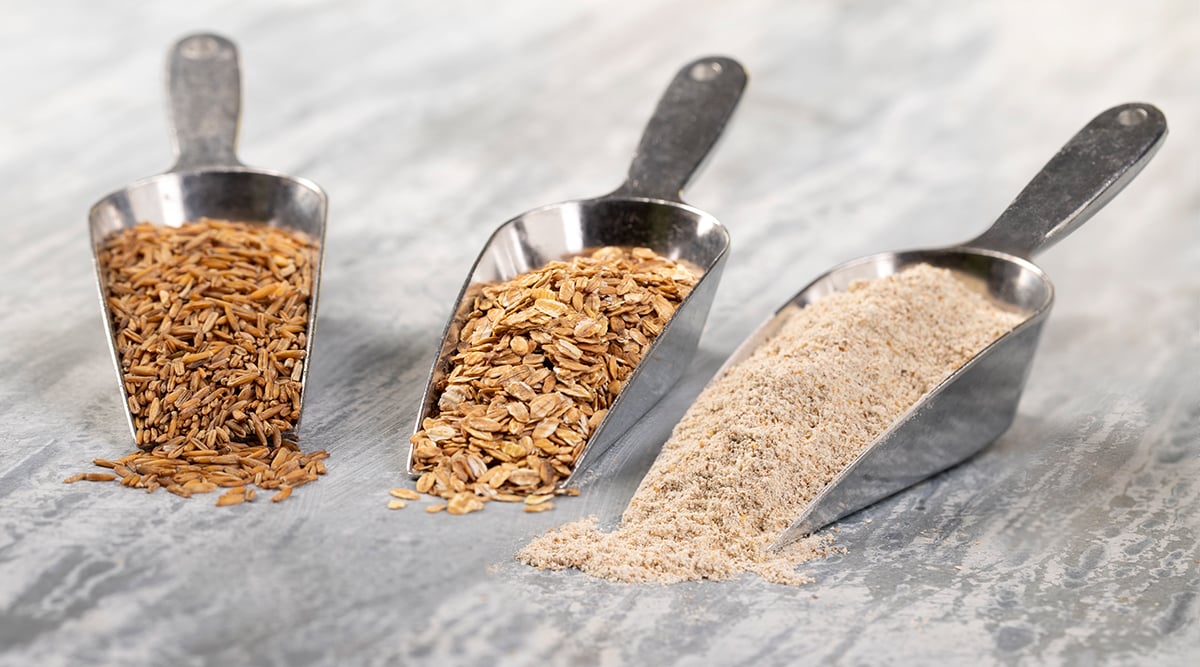
Monoculture farming may be efficient, but it depletes soil nutrients and reduces biodiversity. Diverse cropping systems improve soil structure, reduce erosion, and sustain pollinators. Kernza, a perennial grain developed by The Land Institute, is an example. You don’t have to replant it every year, and it makes this huge root system—about 10 feet into the ground. It helps with soil erosion, filters water, and cultivates an ecosystem below the plant.
4) It drives innovation through science and technology.
Emerging tools are helping companies measure and manage biodiversity. Agtools, led by CEO Martha Montoya, uses real-time data—from climate patterns to labor disruptions—to identify viable crops and de-risk supply chains. Meanwhile, France-based Planet-score works with more than 350 companies to rate foods on environmental performance, and about 60% to 80% of the score is based on biodiversity. Planet-score looks at crop rotation, pesticide use, soil health, and land management.
5) It supports farmers and local economies.
In the Netherlands, the startup Springtail is promoting climate-adaptive grains like sorghum and heritage wheat that thrive with fewer inputs. In the United States, Kernza’s deep-rooted growth improves soil while offering farmers a new revenue stream. And Kuli Kuli Foods partners with smallholder farmers to grow Moringa oleifera, a drought-resistant tree rich in nutrients. Kuli Kuli Foods is taking this unknown crop and introducing it to U.S. consumers through Moringa lattes, gummies, and energy bars. It’s a fun approach that connects biodiversity to everyday foods.
“We need to invest in crops that can heal the environment.”

Building Biodiversity
Thiel emphasizes that change can’t happen in isolation. “There needs to be more funding and collaborative research,” she says. “The system is set up for the default—monoculture crops—and it’s cheaper to keep doing what we know. But we need to invest in crops that can heal the environment.” Farmers, processors, and food companies must work together to bring biodiverse ingredients to market and ensure there’s demand to sustain them, she emphasizes.
After researching and interviewing innovators across the globe, Thiel says she remains hopeful. “At the farm level, in research labs, and in product development teams, the change is underway,” she says. But lasting progress will require supportive infrastructure, incentives, and policy shifts that reward biodiversity as a strength, not a risk.
For consumers, the path is simple: choose diversity. Products made with millet, sorghum, or teff help create demand for alternative crops that sustain ecosystems and livelihoods alike. As Thiel puts it, “Go beyond eating the five big crops. Try something new—it helps create a demand for those types of products.”
Learn more
Explore the Food Technology feature, “Cultivating Biodiversity,” by Abbey Thiel to see how researchers, companies, and farmers are rethinking the future of food.
You can also hear a conversation with Thiel on Episode 70 of the Omnivore podcast, available wherever you get your podcasts, starting October 27.
Hero Image: Jason Alexander Photography Photo courtesy of The Land Institute
Authors
-
Abbey Thiel Food Scientist
Abbey Thiel, PhD, is a food scientist and food science communicator who created her own YouTube series, Abbey the Food Scientist, to explain complex scientific topics in engaging ways. Her professional life includes working as a research project manager for Wageningen University, as a lecturer for the University of Wisconsin–Madison, and as a consultant, in addition to freelance science writing. She has a PhD and BS degree in food science from the University of Wisconsin–Madison.
Categories
-
Sustainability
-
Agriculture
-
Food Ingredients and Additives
-
Grains
-
Brain Food Blog


