
Cool Beans

With a 5% compound annual growth rate (CAGR) in tracked global launches from 2019–2023, products made with legume ingredients have got bean counters’ pulses racing, reports Innova Market Insights.
“All pulses are on the rise, and their growth is expected to continue in the coming years, driven by the increasing demand for plant-based proteins,” says José Luis Díez Atienza, managing director of Spanish firm Autor Foods, which produces canned precooked pulses. “The potential of pulses extends beyond their traditional uses; there are vast possibilities for developing new products by combining pulses with other ingredients.”
The worldwide edible beans market is projected to top $17 billion in 2024, climbing to more than $21 billion at a nearly 3% CAGR from 2024–2031, according to research firm Verified Market Research. The Asia Pacific region dominates with approximately 40% of the 2023 edible beans market share, supported by India as the largest global producer and consumer of pulses.
Peas and beans were the top two pulse and bean ingredients in 2019–2023 food and beverage launches tracked with pulses and bean ingredients, says Innova Market Insights, and many different emerging pulses and beans are also showing growth. “For example, Bambara bean and butterfly peas had a CAGR of 52% and 50%, respectively, in the past five years, although they are growing from a small base (with less than 50 launches in 2023),” says Lu Ann Williams, global insights director at Innova Market Insights.
While the growing popularity of plant-based diets is helping to fuel the North American edible bean market, U.S. food and beverage launches tracked with pulses and bean ingredients have declined, with a CAGR of -4% from 2019–2023, according to Innova Market Insights. “There could be many reasons for the decline in innovation within this space, such as the COVID-19 pandemic, but also that we are seeing a decline in burgers, ground meat, and meatball substitutes in which pulses and bean ingredients are applied for their protein content,” says Williams.
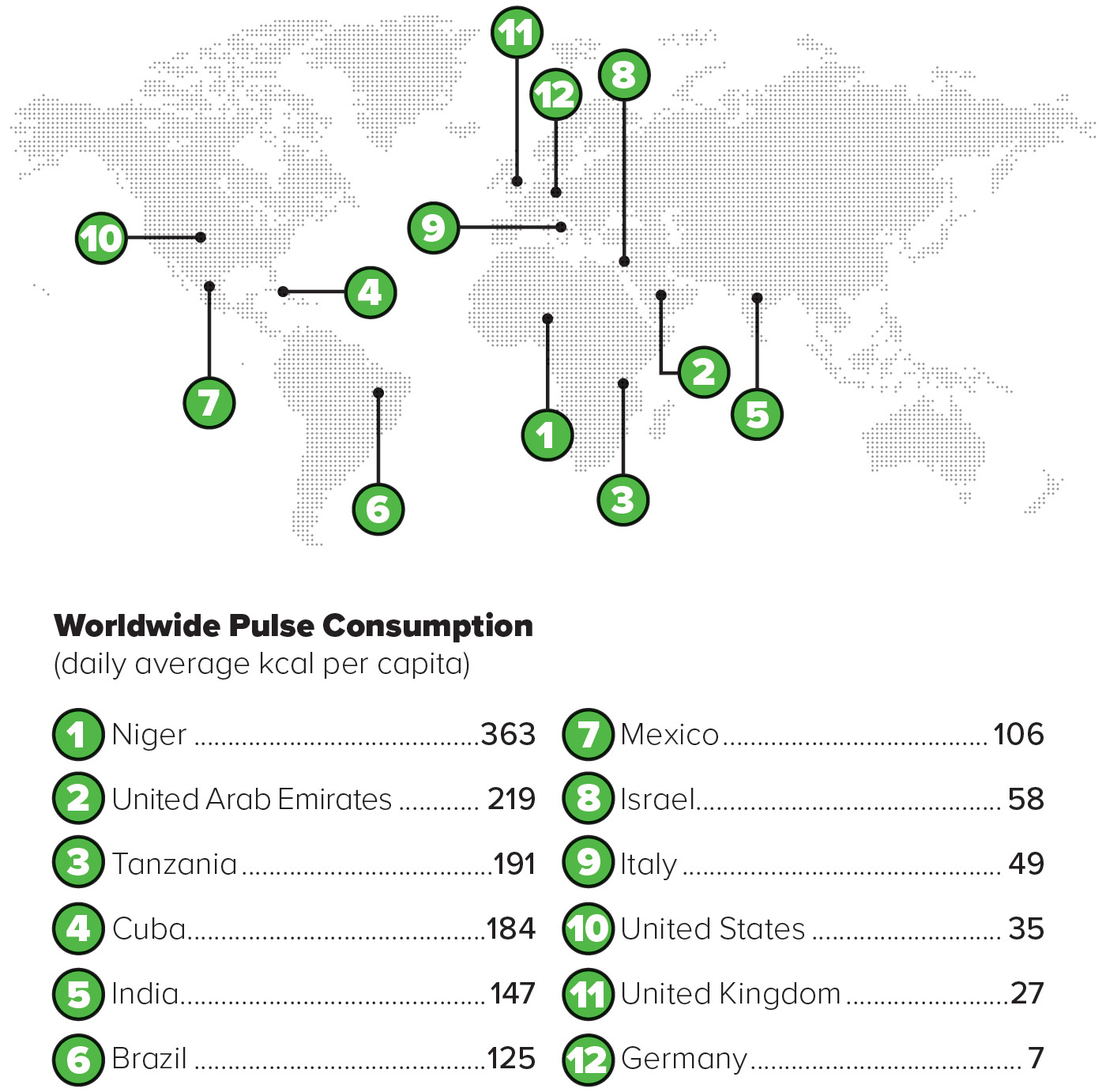
Source: Food and Agriculture Organization of the United Nations, 2018
Legumes and Pulses Glossary
Bean—edible seed or seedpod of certain plants (usually grain crops) in the legume family Fabaceae
Black bean—shiny black bean with dense, meaty texture; also black turtle bean
Chickpea—smooth-coated, tan-colored round bean with buttery texture and slightly earthy flavor; also kabuli chickpea, garbanzo bean
Common bean—see Phaseolus vulgaris
Cranberry bean—oval-shaped bean with mottled tan and red skin, known for creamy texture and chestnut-like flavor; also Roman bean
Desi chickpea—small black, green, or speckled bean with rough coat; also Bengal gram
Edamame—immature green soybean with a sweet taste
Fava bean—round or oval flattened green bean with tough, clear coat; also broad bean, faba bean
Great Northern bean—oval-shaped, slightly flattened bean with thin, white to light cream-colored skin and mild, delicate flavor
Kidney bean—red, light red, white, or speckled bean shaped like a human kidney
Legume—leaf, stem, pod, fruit, or seed of plant in the Fabaceae family
Lentil—lens-shaped seed of edible legume plant Vicia lens in colors including yellow, red-orange, green, brown, and black; also daal
Lima bean—flat, crescent-shaped beige or green bean with mild flavor and creamy texture; also butter bean
Lupin bean—yellow bean with thick seed coat, commonly served pickled; also lupini bean
Navy bean—slightly flattened, oval-shaped white or off-white bean with mild nutty flavor, named for its use by the U.S. Navy since the mid-1800s; also haricot bean
Pea—green or golden yellow seed or pod of the flowering Pisum sativum species
Peanut—oval seed of legume plant Arachis hypogaea grown as a ground crop; also groundnut, goober, pindar
Phaseolus vulgaris—herbaceous plant in the legume family Fabaceae, grown for edible dry seeds or green, unripe pods; also common bean
Pinto bean—beige-colored bean with reddish-brown specks, similar to pinto horse coloring
Pulse—dried edible seed from legume plant that grows in a pod
Pulse flour—powder of milled and ground edible legumes
Soybean—round bean of legume species Glycine max that can be white, brown, black, or green and has little taste; also soya bean
Vicia bean—see fava bean
Vigna—genusof plants in the legume familyFabaceae that includes adzuki beans, black grams, cowpeas, and mung beans
Sources: Britannica.com, Encyclopedia of Cultivated Plants: From Acacia to Zinnia, Epicuredelight.com, Healthline, Liveeatlearn.com, North Dakota State University, The Spruce Eats, Wikipedia
Healthy Growth for Bean Snacks
Edible bean-based snacks such as chips, puffs, and crackers are poised for expansion, driven by demand for nutritious, innovative snacks, reports Verified Market Research. Despite the current flat growth rate in global bean-based snack and snack mix launches, Innova Market Insights predicts that manufacturers are likely to increase the variety of snacks made with alternative bases such as legumes.
The lupin bean (lupini), traditionally eaten as a pickled pick-me-up, is making snacking inroads in North America through products like Brami’s pickled lupini in Sea Salt & Vinegar, Garlic & Rosemary, Mediterranean Medley, Hot Calabrian Pepper, and Chili & Lime flavors. Chocho Beans, meanwhile, is marketing a South American lupin known as chocho marinated in sea salt and vinegar.
Chickpea Flour Power
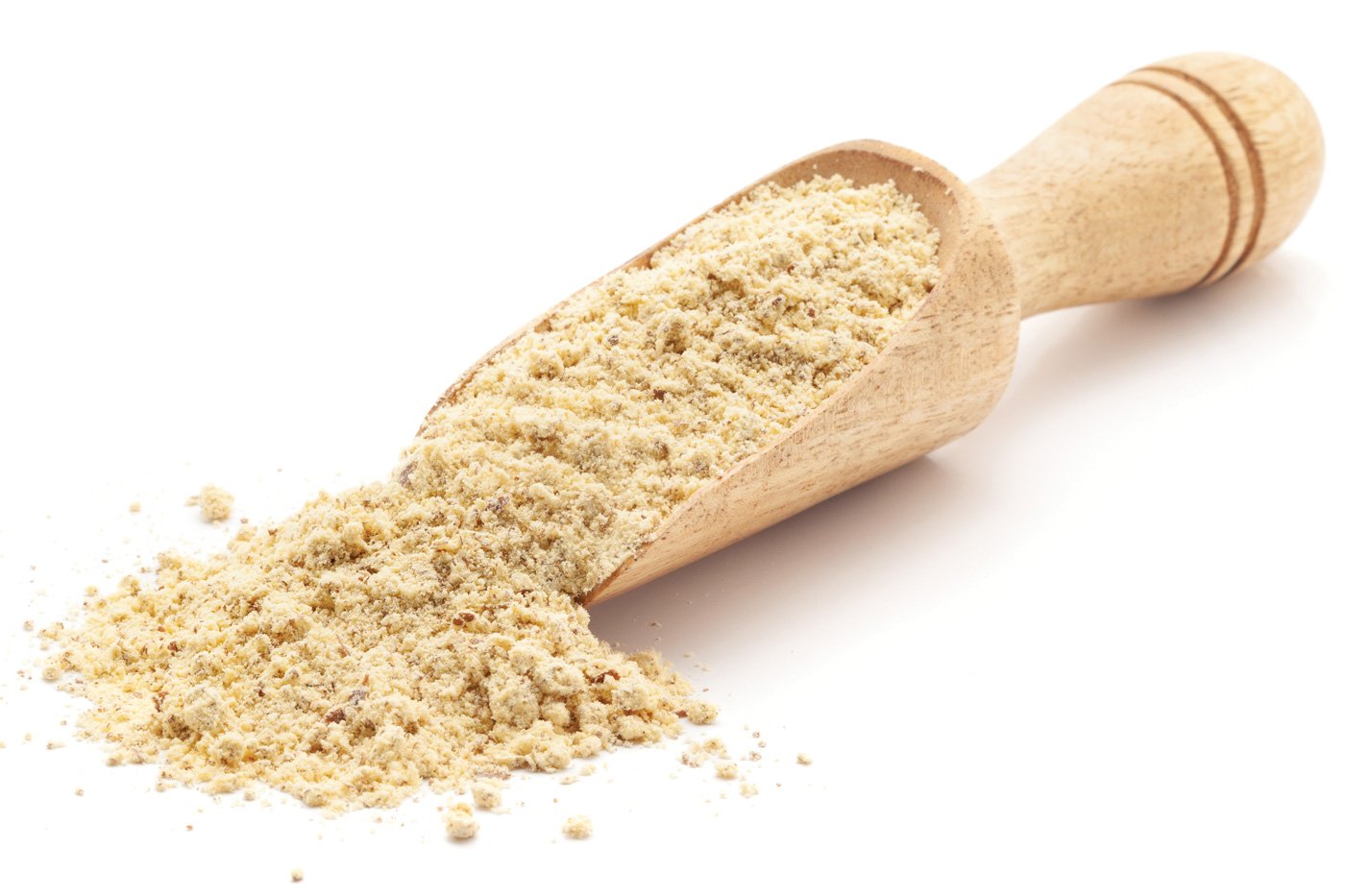
© ziprashantzi/iStock/Getty Images Plus
- Leading the way among pulse flours globally, chickpea flour is projected to generate nearly $2.6 billion in revenue in 2024, according to Future Market Insights, with a 7.1% CAGR during the next decade.
- Bakery and confectionery foods, followed by extruded products, are top segments for products made with chickpea flour, while pet foods are an emerging market. Plant-based snack company HIPPEAS launched two new South of the Border–flavored snacks, Mexican Street Corn and Churro Chickpea Puffs, in July.
- Chickpea flour is the fastest-growing ingredient among new product launches with pulses and bean ingredients, with a CAGR of 12% from 2019–2023, reports Lu Ann Williams, global insights director at Innova Market Insights. Last fall, Banza rolled out frozen Protein Waffles formulated with chickpea flour at Whole Foods Market in Homestyle, Blueberry, and Chocolate Chip varieties.ft
To Learn More
To view the full article with infographics , please download the pdf or view in the Dec24/Jan25 Food Technology Digital Edition.
Hero Image: © FotografiaBasica/E+/Getty Images Plus
Authors
-
Elizabeth Brewster Writer
Elizabeth Brewster is a freelance writer based in Evanston, Ill. (lib500@comcast.net).
Categories
-
Food Business Trends
-
Consumer and Marketplace Trends
-
Protein
-
Food Categories
-
Culinary and Ingredient Trends
-
Food Product Development
-
Food Ingredients and Additives
-
Legumes and Pulses
-
Applied Science
-
Food Technology Magazine
-
Vegetarian


