
IFT Honors 2024 Class of Fellows

 Emily Little
Food Technology Magazine
Ten individuals from across the world were honored as members of the 54th class of IFT Fellows during the 2024 IFT FIRST Annual Event and Expo. These members were chosen by a jury of peers and were selected in recognition of career excellence, significant service, leadership, and contributions to IFT and the profession.
“The stellar individuals we’re honoring today have made substantial contributions to the science of food during their careers,” IFT 2023–2024 President Sean Leighton said during the Fellows Recognition Forum at IFT FIRST.
Food Technology asked members of this year’s class of Fellows a series of questions about their careers and their views on the future of the food system. Some of their thoughts follow.
Learn more about the 2024 IFT Fellows here or scroll down for an abbreviated list.
Congratulations to the 2024 class of IFT Fellows!
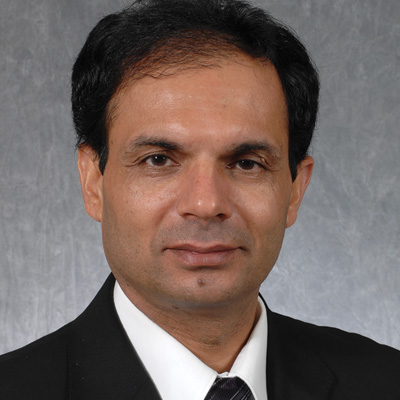
What are the greatest challenges facing the food system?
“The greatest challenges the food system faces are food waste, health concerns, and trade. Approximately one-third of all food produced for human consumption is lost or wasted each year, contributing to greenhouse gas emissions; the prevalence of diet-related diseases is on the rise; and the globalized nature of the food system has led to increased dependency on long-distance transportation, making the system vulnerable to disruptions in food supply chains.”
—Shyam Sablani
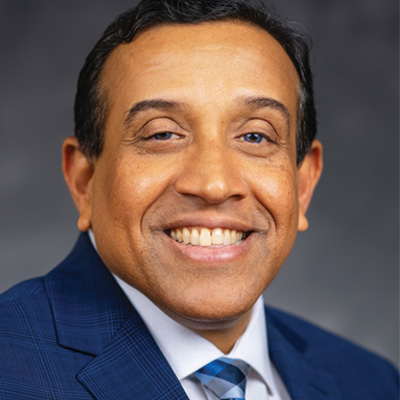
What advances or innovations in the science of food will do the most to help future-proof the food system?
“We must persist in leveraging and advancing proven technologies to combat microbial pathogens, ensure food quality and authenticity, and detect potential adulteration. With notable shifts in consumer preferences, exploration into nonthermal platform technologies like electron beam processing remains crucial to bolstering food safety, quality, security, and the valorization of food waste. Industry decision-makers should heed the mounting consumer acceptance and demand.”
—Suresh Pillai
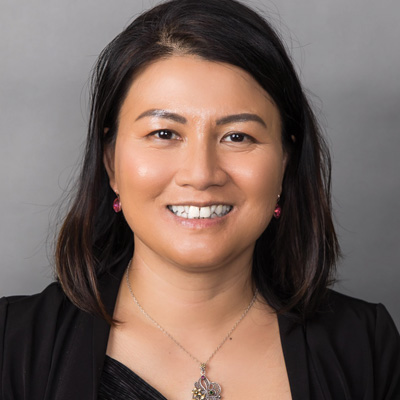
“Interdisciplinary research is crucial to advance innovations in the food system. Future-proofing the food system requires a collective effort to ensure successful transition to clean energy and smart planning and implementing of food clusters that could seamlessly integrate all aspects of the supply chain (from paddock to plate), in addition to increasing the efficiency of our food production and distribution.”
—Cordelia Selomulya

What aspects of membership in IFT have provided the most value to you over the course of your career in the science of food?
“My membership in IFT has brought me vast exposure to people involved in all aspects of food research and food production. The people I have met and worked with have come from industry, academia, and government. I feel honored to have worked with some of the brightest people in the entire world of food.”
—Darryl Sullivan

“IFT’s greatest benefit to me is in its membership—to have immediate and intimate access to some of the finest technologies and innovators in the industry. With every meeting I have attended, I have returned home to introduce new ideas into my own research and outreach.”
—Mary Ann Lila
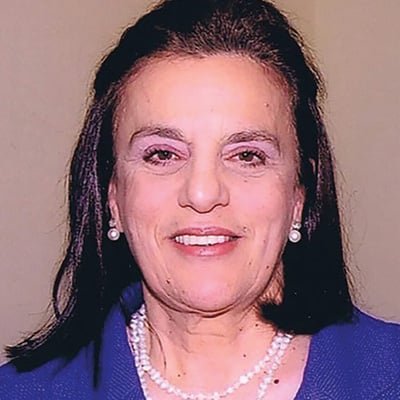
What does achieving the IFT Fellows designation mean to you?
“It is a reward of what I have done in my professional career. I will continue to promote food science, to show that I am worthy of this honor. I will always wear my IFT Fellow pin.”
—Phrosso Enconomidou Hadjilucas
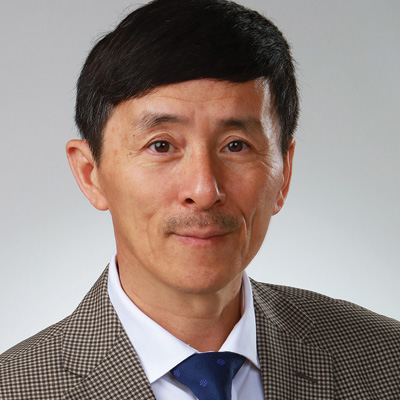
Reflecting on your career to date, what personal achievements bring you the most satisfaction?
“To be recognized by peers around the world for my innovative research in high-intensity ultrasound technology, which advances our understanding of how food systems—from macro to micro scales—interact with acoustic energy to ensure food safety, enhance food quality, and promote sustainable production, is an incredible honor.”
—Hao Feng
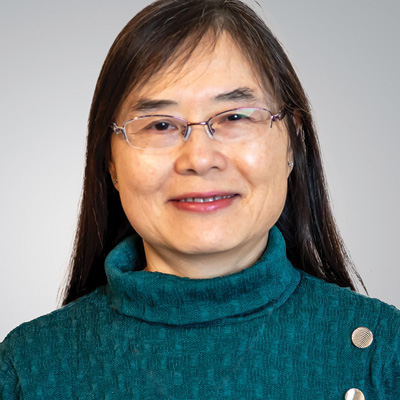
“Throughout my 30-plus years’ professional career in seafood science and technology, innovative integrated approaches for research, teaching, extension, and outreach have brought me the most satisfaction in my professional career. The integrated approaches have enabled me to conduct timely and relevant science- and research-based extension and outreach programs recognized by local community, national, and international professions.”
—Catherine (Chengchu) Liu
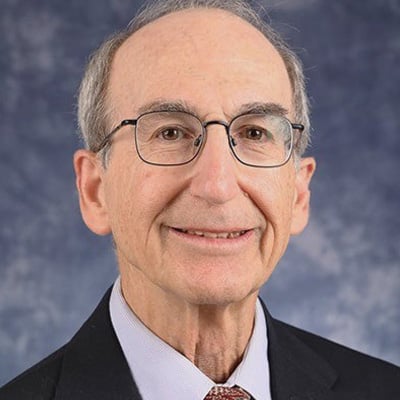
What is the biggest change in the science of food since you entered the profession?
“The biggest change is that we now have a truly global economy, which has impacted food manufacturing and distribution worldwide and has made the supply chain of ingredients more complex. For example, the war in Ukraine created a shortage of sunflower oil, which had a global effect on manufacturers that relied on this ingredient. A single food product may contain ingredients that come from many different countries.”
—Mark A. Kantor

“Many novel technologies and innovations have been developed and transformed into food. On top of that, I see artificial intelligence (AI) implementation as the biggest change. The dramatic growth in data volume, variety, and velocity offers AI application opportunities. Artificial intelligence may offer powerful tools to process the multidimensional information needed for food systems and disseminate results rapidly for efficient decision-making.”
—Vivian C. H. Wu
2024 IFT Fellows
Hao Feng, PhD
Blue Cross Blue Shield Endowed Professor of Urban Food Systems, Professor of Food Bioprocess Engineering, North Carolina A&T State University
Phrosso Enconomidou Hadjilucas, PhD
Adjunct Lecturer in Food Science, University of Nicosia, Cyprus
Mark A. Kantor, PhD
Nutrition Scientist, U.S. Food and Drug Administration, Center for Food Safety and Applied Nutrition
Mary Ann Lila, PhD
Professor, Food Bioprocessing and Nutrition Sciences, North Carolina State University
Catherine (Chengchu) Liu, PhD
Seafood Technology Specialist, Extension Professor, University of Maryland Sea Grant Extension Program
Suresh Pillai, PhD
Professor, Texas A&M University
Shyam Sablani, PhD
Professor, Washington State University
Cordelia Selomulya, PhD
Associate Dean, Faculty of Engineering, University of New South Wales, Australia
Darryl Sullivan
Chief Science Officer, Eurofins Scientific
Vivian C. H. Wu
Research Leader, Agricultural Research Service, U.S. Department of Agriculture
Hero Image: Robb Davidson
Authors
-
Emily Little Associate Editor
Emily Little is associate editor, Food Technology (elittle@ift.org).
Categories
-
Innovation
-
Career Development
-
Leadership
-
Food Technology Magazine


