
Asian Flavor Notes

As restaurant diners worldwide explore an ever-widening array of Asian cuisines, increasingly their palates are primed for more adventurous Asian options at the grocery store too.
About 12% of all restaurants in the United States serve Asian food, according to Pew Research Center, and Credence Research projects the global Asian foodservice, online delivery, and retail market will top $233 billion by 2030, a 7% compound annual growth rate (CAGR) from 2022 to 2030. Chinese cuisine currently dominates this market, but Korean, Vietnamese, and Filipino cuisines all ranked high in the National Restaurant Association survey What’s Hot 2025. Korean restaurants, foods, beverages, and flavors are growing rapidly in the United States, reports Circana, with a 10% jump in the number of Korean restaurant locations for the year ending August 2024.
“Asian cuisine continues to be a source of new flavor experimentation for consumers, as part of the growing awareness and appeal of global cuisine in general,” says Mark Webster, vice president, sales and marketing, T. Hasegawa USA. Consumers say they associate Asian cuisine with flavor variety and with being healthy, according to recent Mintel research.
Asian flavors that pack heat are also benefiting from global consumers’ surging tastes for hot and spicy foods. North America and Europe, for example, are emerging as significant markets for Korean gochujang, according to Verified Market Reports, which predicts the condiment’s $600 million global market will see a 7.5% CAGR from 2024 to 2030.
Beverages are the sweet spot for many unfamiliar Asian flavors, says Webster. “A lot of Asian flavors are being introduced to Western consumers through the sweet beverage category,” he says. “Sweet fruit flavors that are mainstream in Asian cuisine are only recently becoming well-known in North America, such as yuzu citrus and lemongrass.”
Asian Flavoring Glossary
Artificial flavor—any substance whose function is to impart flavor and that is not derived from a spice, fruit or fruit juice, vegetable or vegetable juice, edible yeast, herb, bark, bud, root, leaf or similar plant material, meat, fish, poultry, eggs, dairy products, or their fermentation products
Chili crisp—Chinese cuisine–originating hot sauce with fried chili pepper and other aromatics infused in oil; also chili crunch
Distillate—liquid extracted from a food product by heating and condensing vapor
Essential oil—volatile substance obtained by distilling or expressing plant material from a single botanical form and species
Flavor—entire range of sensations perceived when eating or drinking, including taste, smell, and physical traits experienced in the mouth
Flavor extract—solution that contains essential flavor components of a complex material, produced by pressing or extracting the source ingredient flavor into a liquid base, usually alcohol
Flavor palette—range of different flavor ingredients that impart different tastes, smells, and physical traits
Flavor profile—set of volatile compounds that render the characteristic taste and smell to an ingredient
Flavorist—specially trained scientist who designs flavor combinations
Gochujang—spicy Korean fermented bean paste with red pepper powder, soybean powder, and rice flour
Kimchi—fermented Korean dish of seasoned vegetables, often made with napa cabbage or Korean radish; also kimchee, gimchi
Masking compound—ingredients that can lessen or reduce the intensity of a particular flavor extract
Matcha—bright green, finely ground green tea powder
Miso—Japanese seasoning paste made by fermenting soybeans with salt and Aspergillus oryzae fungus (koji)
Natural flavor—essential oil, oleoresin, essence or extractive, protein hydrolysate, distillate, or any product of roasting, heating, or enzymolysis, which contains the flavoring constituents derived from a spice, fruit or fruit juice, vegetable or vegetable juice, edible yeast, herb, bark, bud, root, leaf or similar plant material, meat, seafood, poultry, eggs, dairy products, or their fermentation products, whose significant function in food is flavoring rather than nutritional
Oleoresin—extract, typically from natural food or flavoring raw materials, that combines an essential oil and resin compounds
Sriracha—Thai hot sauce made from a paste of chili peppers, distilled vinegar, pickled garlic, sugar, and salt
Umami—savory or meaty taste derived from glutamate, guanylate, and inosinate found in meat and vegetables
Sources: Britannica, Flavor and Extract Manufacturers Association, Michigan State University, Spoon University, U.S. Food and Drug Administration, Wikipedia
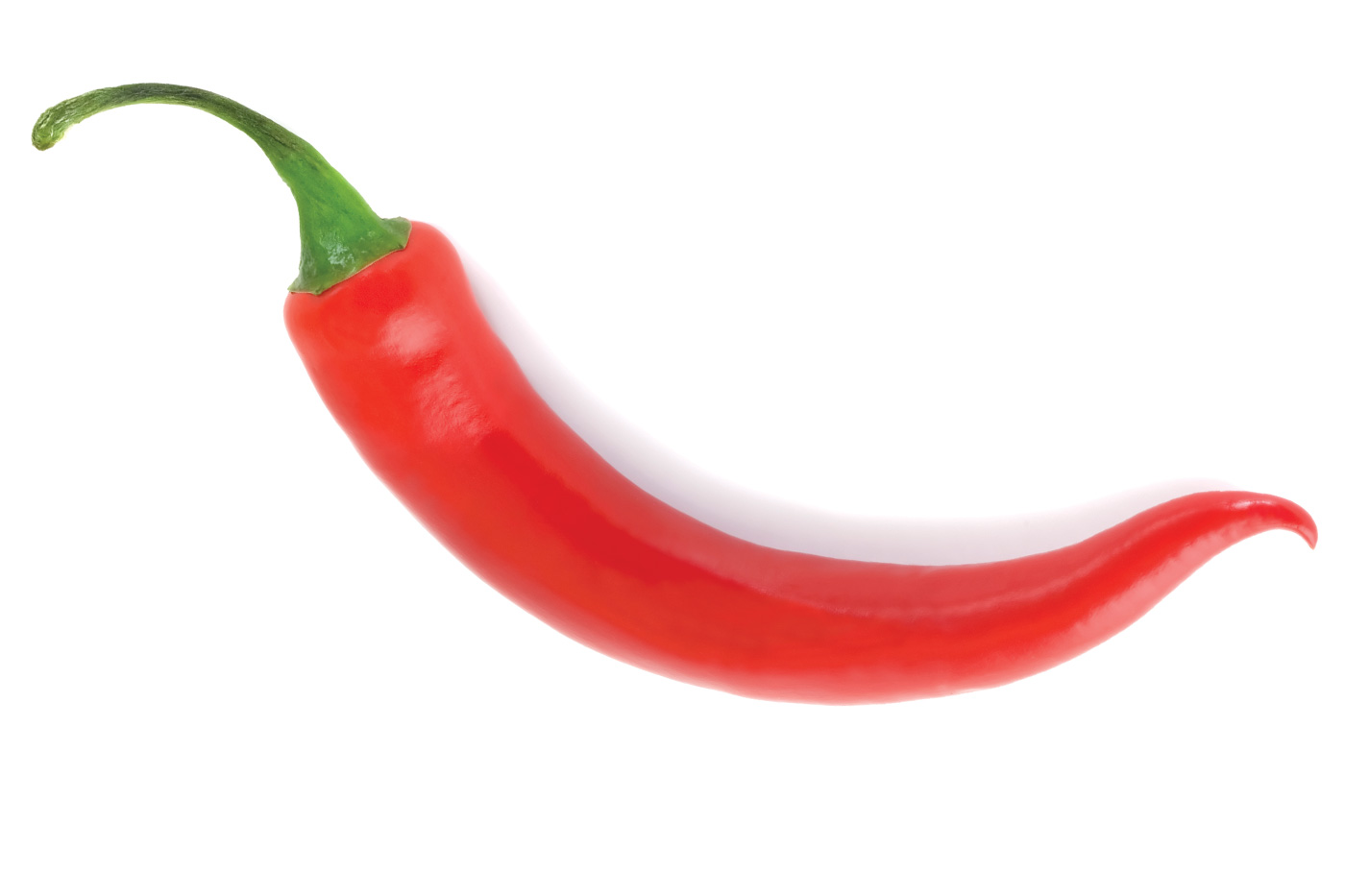
#SpicyIsHot
- Hot Asian flavors are hot: Smoked chili, Korean spicy chicken, Thai satay beef, sambal, Sichuan mala, tom yum, ghost chili, sriracha, gochujang, yuzu pepper, and Chinese five spice are trending, according to the 2024 Kerry Taste Charts.
- The biggest growth opportunity for Asian cuisine is expanding popular high-heat spicy flavor profiles into additional food categories such as dry seasonings for salty and protein snacks, according to Mark Webster, vice president, sales and marketing, T. Hasegawa USA.
- Global product launches with Korean gochujang skyrocketed 26% from 2020 to 2024, reports Innova Market Insights, while those with sriracha jumped up 11%.
© Shamil/iStock/Getty Images Plus
Purple Reign
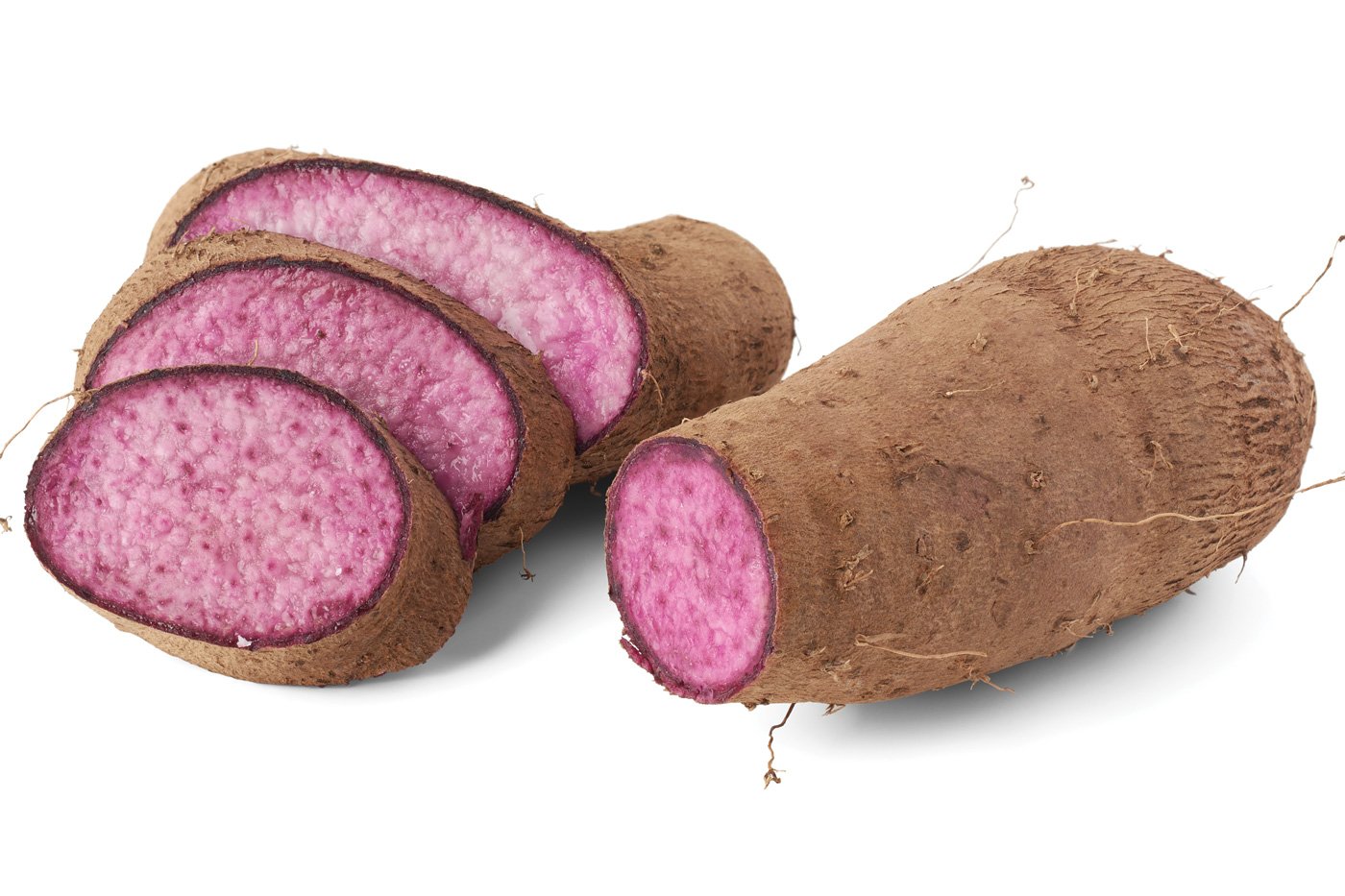
Global product launches featuring ube flavor were small but mighty during the past five years with a 22% growth rate, according to Innova Market Insights.
The pastries and cakes category accounted for one in five new products made with the bright purple yam native to the Philippines, and food companies continue to expand the market with imaginative offerings. Lifeway Foods Taro Ube Latte Organic Kefir and Birch Benders Ube Mochi Pancake & Waffle Mix debuted last year, while retail giant Costco added Okami Ube Flavor Bao Buns earlier this year.
Foodies and culinary influencers also have latched on to the violet-hued ube, driving awareness of the photogenic tuber on social media in everything from milkshakes to doughnuts to pretzels.ft
To Learn More
To view the full article with infographics , please download the pdf or view in the July 2025 Food Technology Digital Edition.
Hero Image: © Kesu01/iStock/Getty Images Plus
Authors
-
Elizabeth Brewster Writer
Elizabeth Brewster is a freelance writer based in Evanston, Ill. (lib500@comcast.net).
Categories
-
Food Business Trends
-
Consumer and Marketplace Trends
-
Culinary and Ingredient Trends
-
Food Product Development
-
Flavors
-
Food Ingredients and Additives
-
Applied Science
-
Food Technology Magazine
-
Seasonings
-
Spices


