

Top 10 Food Trends
Fancier favorites, substantial snacks, and functional product solutions are among the keys to market success in the transitional year ahead.
 A. Elizabeth Sloan
Food Technology Magazine
Periods of economic restriction and uncertainty have long reset consumer priorities, preferences, and practices in the food and beverage industry, and 2026 will be no exception.
As of January, nearly two-thirds of consumers were still extremely (31%) or very (30%) concerned about high food prices at grocery stores, according to data from FMI, The Food Industry Association. Circana projects that U.S. food and beverage sales volume growth will be slightly negative to flat in 2026 (-1% to 1%). Datassential expects real restaurant sales growth of 1.1% this year. Dollar sales of private label food and drink reached an all-time high for the year ending Dec. 28, 2025, per the Private Label Manufacturers Association.
Frustrated by life’s limitations and instability, consumers want it all—culinary excitement, global intrigue, improved physical and mental health, restaurant-quality fare, convenience, and fun. And they want it with minimal risk and for a fair price.
In this climate, experimentation has moderated. Sales of products with extreme and/or hot and spicy flavors have cooled. Groundbreaking culinary trends are currently more likely to come from retailers than restaurants. Cash-strapped Gen Zers can’t be expected to serve as the long-awaited magic bullet to send sales soaring.
Health moves to the front burner during tough times, but consumers’ interest in purchasing healthful products may be diminished by their price consciousness. And food and beverage product developers must contend with a rapidly changing food system landscape—everything from growing adoption of GLP-1 lifestyles, a new edition of the Dietary Guidelines for Americans (including an inverted food pyramid), and mounting consumer concerns about ultra-processed foods.
It’s time to rebalance consumer and industry expectations. Products that are both familiar and functional will be key to success in the current market. Here’s a look at 10 trends that are shaping consumer behavior in 2026. Recognizing their impact will help product developers and marketers successfully navigate the months ahead.
1. Next Gen-Comfort Foods
With one-quarter of consumers overall and 40% of Gen Z consumers saying they don’t have the money to experiment, savvy marketers are favoring the familiar and reimagining classic comfort foods, according to FMI. When FMI asked consumers about their in-home meal preparation preferences, comfort food led the list of priorities across generations, cited by 55% of those surveyed, followed by fast preparation time.
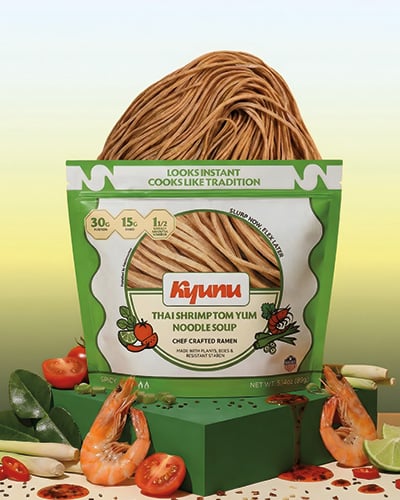
Formulated with plant-based proteins, chef-crafted KYUNU Noodle Soups tick the boxes for Asian authenticity, comfort, and nourishment. Photo courtesy of KYUNU
Personal comfort food preferences vary by demographic segment—from sandwiches and stews among baby boomers to Mexican handhelds and Asian noodles for younger adults. KYUNU Noodle Soup is billed as “chef crafted” and comes in varieties including Thai Shrimp Tom Yum and Taiwanese Pork and Shrimp Danzai.
FMI reports that about one-third of younger consumers are concerned about making mistakes in meal preparation, which suggests the importance of keeping things simple and offering reasonably priced fresh prepared foods.
Nine of 10 shoppers look for U.S. regional influences when buying prepared foods, according to FMI. Mrs. Wages Original Mississippi Style Spice Sauce and Da Kine Hawaiian BBQ sauces add authentic regional flavors to menu items.
Pairing branded signature favors also adds product excitement. Ortega Cheez-It Flavored Taco Shells are a good example of that approach. Likewise, creative flavor combinations can open up new daypart market opportunities: Catalina Crunch Apple Turnover Protein Cereal has appeal as both a snack and a cereal, for example.
For comfort-seeking restaurant diners, Applebee’s serves its O-M-Cheese Burger with queso and cheddar cheese in a sizzling skillet and Taco Bell offers snack-sized Cheesy Dipping Burritos with a choice of sauce.
2. Quality Counts
Highlighting unique, high-quality product upgrades is a sure way to grab customer attention. Half of food shoppers say they find the deli-prepared foods at their store to be only “somewhat appetizing,” according to FMI. In the organization’s research, six in 10 consumers said that they are looking for more minimally processed products with no artificial ingredients.
The American Frozen Food Institute reports that one in five frozen product buyers look for the type, quality, and/or preparation technique of the meat when buying a frozen entrée. Flagging the fat content in a product, noting high-quality preparation techniques such as sous vide, and adding “protein toppers” are tactics with the potential to increase value in the meat and poultry category.
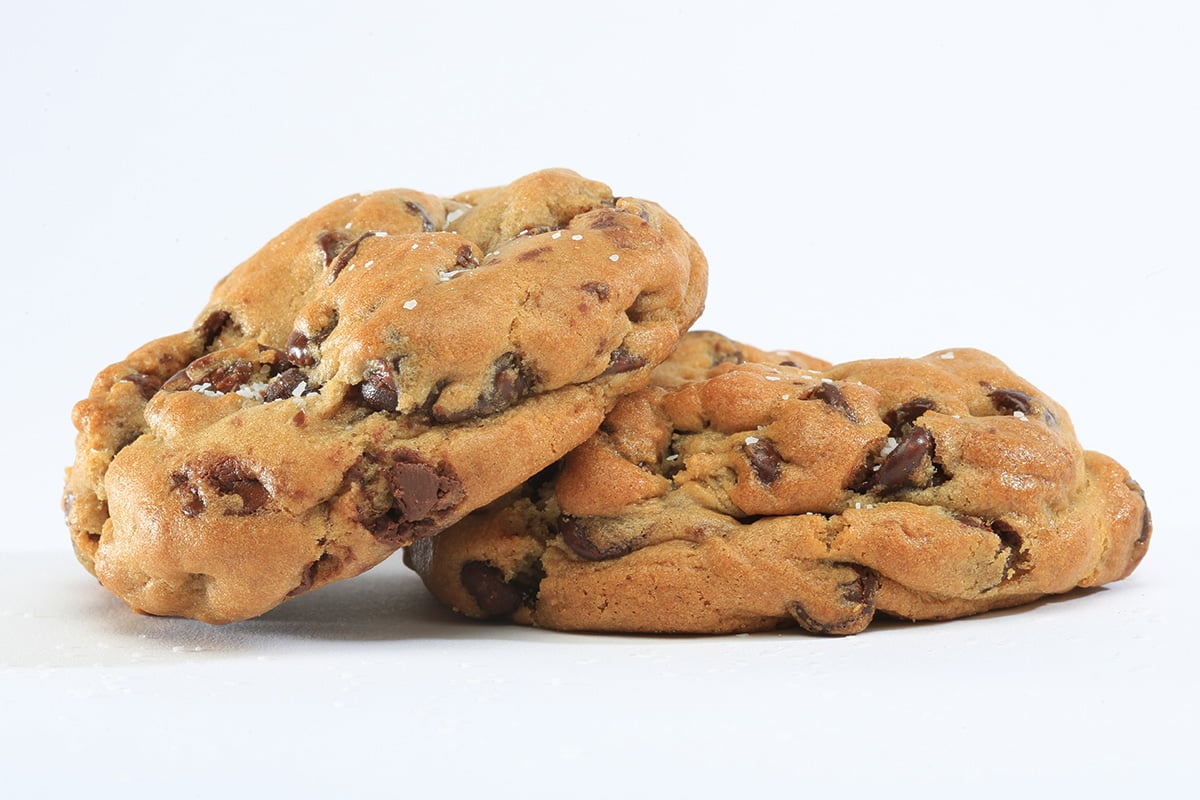
Made with Belgian chocolate, Bake-at-Home OG Dough Balls from Bite Me! Cookies are sold online; the company also supplies its cookies for sale by grocery retailers, including Whole Foods. Photo courtesy of Bite Me! Cookies
Take-and-bake options are associated with high product quality. Top Seedz introduced Bake-At-Home Seed Crackers in a Sea Salt variety. Frozen cookies remain the fastest-growing frozen food category, per Circana. Bake at Home OG Dough Balls from Bite Me! Cookies ship frozen for at-home baking.
Foodservice customers also have quality concerns. Nearly half (46%) of consumers in an Alvarez & Marsal December 2025 restaurant survey said they stopped visiting a fast-food restaurant because the quality recently went downhill. The National Restaurant Association (NRA) found that more than seven in 10 consumers would order more French fries, salads, pasta, or steak for takeout or delivery if the quality were improved.
When defining a healthy food, half of consumers surveyed by Alvarez & Marsal say it must be cooked in a healthier way; 40% cited cleaner ingredients; and 30% pointed to fewer calories per serving.
3. Recipes for Healthy Aging
With 124.4 million U.S. adults aged 50 and older in 2025, and 63 million of them over age 65, according to U.S. Census Bureau data, responding to the needs and preferences of this health- and wellness-focused demographic segment is a smart strategy.
Nearly eight in 10 adults aged 50-plus believe certain foods, beverages, and ingredients can provide healthy aging benefits and that a diet that is healthy overall is the best path to greater longevity, according to HealthFocus. More than one-third of those aged 65-plus now choose foods and drinks specifically for their healthy aging benefits—a number that has jumped 8 points in recent years, HealthFocus reports.
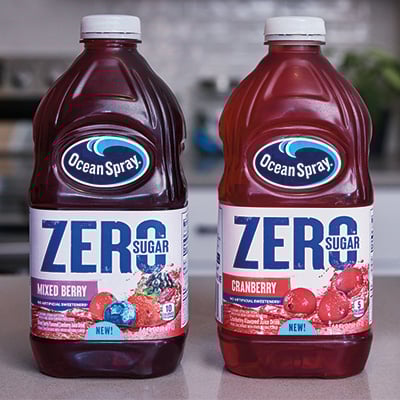
Sweetened with stevia, Ocean Spray ZERO Sugar Juice Drink is available in two flavors, the brand’s traditional Cranberry flavor and Mixed Berry, a new addition to the portfolio. Photo courtesy of Ocean Spray Cranberries
Food products that deliver benefits related to heart health, strong bones, weight management, general healthy aging, blood sugar levels, satiety, specific medical reasons (i.e., colds or urinary tract infections), energy, healthy joints, and immunity are important to those aged 65-plus, according to HealthFocus.
Older consumers are significantly more likely than younger adults to be focused on reducing fat, adding fiber, cutting back on animal products, and adding whole grains to their diets. Their number one priority continues to be reducing sugar, which 57% say has become more important to them in the past year, according to HealthFocus. OREO Double Stuf Zero Sugar Chocolate Sandwich Cookies, which launched in January, and Ocean Spray ZERO Sugar Cranberry Juice Drink will be right on target for some health-minded seniors.
Generally, those aged 65-plus are less interested in specific ingredients and nutrients than their younger counterparts. However, they are more interested than consumers overall in whole grains, fiber, calcium, vitamin D, vitamin C, and protein. They are significantly less interested in more niche ingredients like matcha, and botanicals. Those aged 65-plus are most concerned about retaining mental sharpness and their normal level of activity as they age, per HealthFocus. Thus, ingredients and formulations that support cognitive function and muscle mass will emerge as priorities for older adults.
4. New Global Ports of Entry
Chinese, Japanese, and Korean cuisines continue to dominate U.S. Asian food trends, while Thai, Filipino, and Vietnamese cuisines are the fastest growing on U.S. restaurant menus, according to Datassential. Asian offerings now appear on one-third of fast-food menus, and consumers in U.S. Southern markets are embracing Asian fare at a rapid pace.
Thai basil, gochujang, yuzu, black garlic, miso, peanut and Korean BBQ sauces, Japanese curry, and fish sauce are among the ingredients moving mainstream, Datassential reports. Regional Asian (e.g., Szechuan and Northern Thai), Korean fusion, premium dumplings, and sashimi are pockets of growth Datassential has identified.
Nori Tsukudani Simmered Seaweed Paste is perfect for at-home sushi/sashimi preparations. Kevin’s refrigerated Sichuan Chicken Green Bean Stir-Fry dinner is free of soy and ready in seven minutes. Miracle Noodle offers a gluten-free Japanese Curry Ready Meal with plant-based noodles.
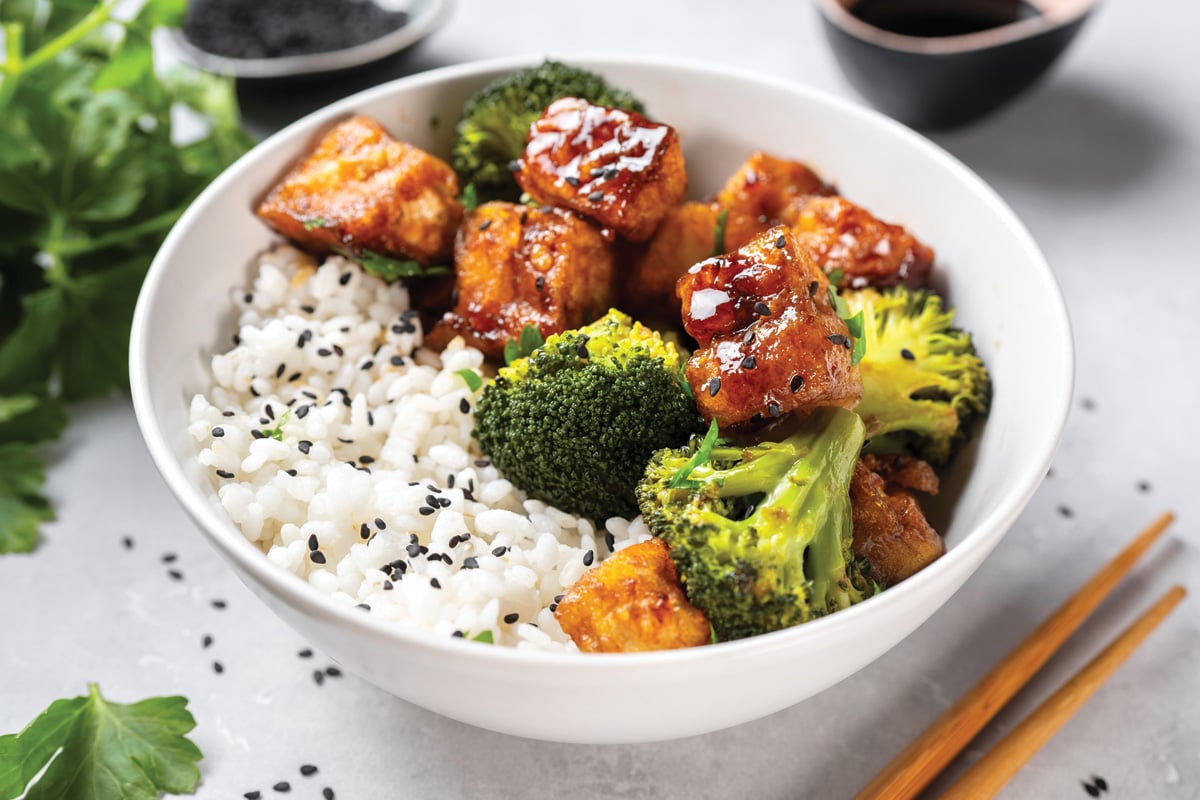
More and more consumers are fans of Asian cuisine, including bowl meals. © Yummy pic/iStock/Getty images Plus
Datassential points to Mediterranean and Japanese fare as the healthiest global cuisines. Watch for more fermented ingredients (kimchi, miso, tempeh), plant-forward Asian proteins, gluten-free Asian products, and more seasonal Asian offerings on the foodservice front. Expect Korean BBQ and hot pot interactive cooking concepts to get more attention along with do-it-yourself Asian Bowls, per Datassential.
FMI reports that more than seven out of 10 shoppers look for fresh prepared Mexican foods at retail, half of shoppers seek Japanese or Mediterranean products, and more than four in 10 look for Caribbean, Thai, Cuban, Korean, or sushi products.
Look-alike forms of global favorites remain an effortless way to woo cautious consumers. Think Japanese hane-style gyoza, snack-sized Polish pierogis and latke, or Mediterranean pizza.
5. Snacks as Meals
Two-thirds (64%) of consumers say they’re increasingly likely to replace traditional meals with snack items during the course of the day, according to the NRA. Generationally, the breakout is 72% of millennials, 70% of Gen Z, 64% of Gen X, and 51% of baby boomers.
Research by FMI shows the percentage of consumers who snack at various dayparts and breaks it out as follows: early morning, 16%; midmorning, 25%; afternoon, 43%; after dinner, 29%; and late night, 23%.
Yogurt, yogurt drinks, dried meat snacks, natural cheese cubes, crackers, healthy snack bars, appetizers, snack rolls, and frozen handheld products are among the categories driving snack volume growth, according to Circana. The 2025 Grubhub survey reports a major consumer shift toward home delivery orders of hot, protein-centric convenience foods, including taquitos, chicken rollers, and hot dogs.
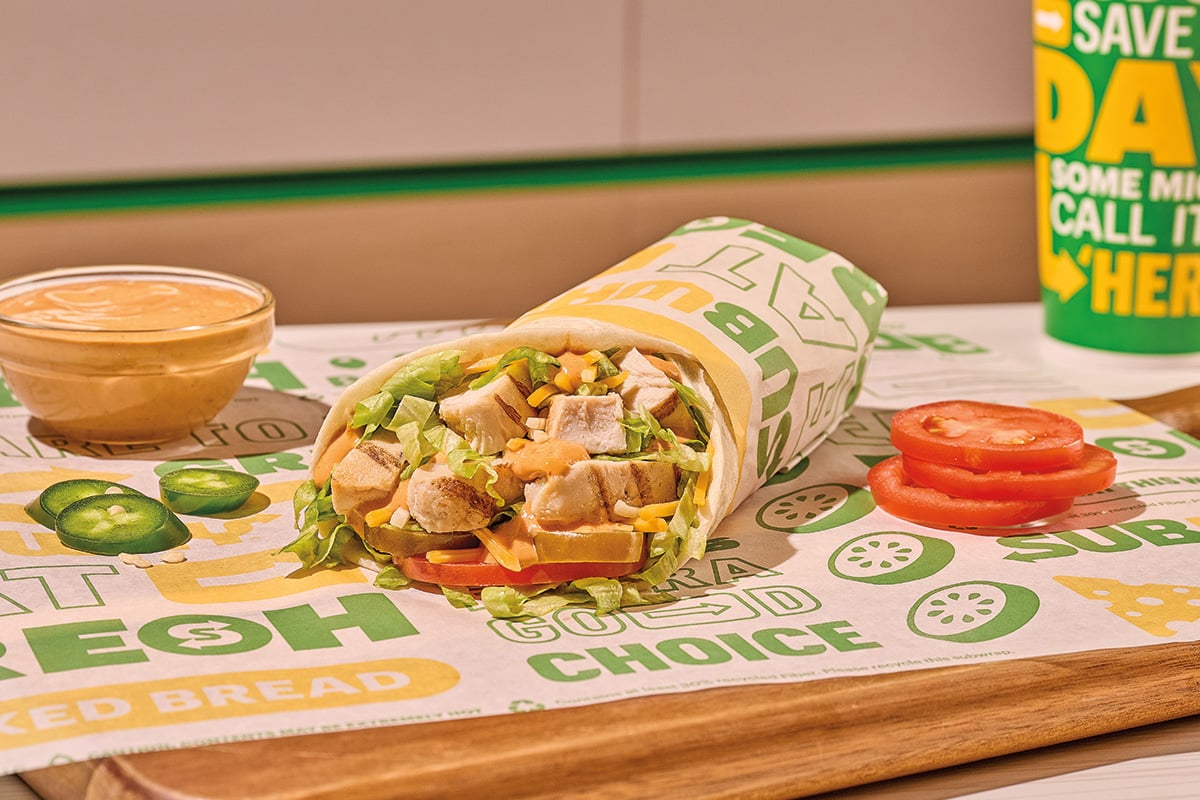
Subway debuted its snackable Protein Pockets early this year, adding to their appeal with a $3.99 price point. Photo courtesy of Subway
Snacks were the fastest-growing restaurant daypart last year, per the NRA. And according to the Alvarez & Marsal restaurant survey, 58% of respondents said that grabbing a quick snack or a small bite was a key reason for their visits.
A look at recent snackable CPG and foodservice product rollouts shows an emphasis on protein content. Chipotle Mexican Grill’s High Protein Cup with Adobo Chicken delivers 32 grams of protein per four-ounce serving. Subway’s Protein Pockets grab-and-go mini meals in varieties like Baja Chicken include protein, a tortilla, vegetables, and sauce and supply more than 20 grams of protein.
The Coffee Bean & Tea Leaf rolled out Protein Lattes alongside its Mexican Chocolate winter beverages. Caribou Coffee’s 2026 menu additions include the Denver Breakfast Bowl with eggs, potatoes, ham, and cheese and 16 grams of protein and the Fiesta Breakfast Bowl with 12 grams of protein.
Etelka describes its new Cottage Cream, available in Original Recipe and Hungarian Vanilla varieties, as a protein-rich “European cousin of cottage cheese.” A four-ounce bag of Beest Crunchy Jerky Trail Mix that includes jerky, cheese crisps, and roasted almonds supplies 660 calories and 52 grams of protein.
6. Special Occasion Opportunities
Get-togethers for special events like the Super Bowl, limited-time offerings at restaurants and retail, and seasonal and holiday-specific product flavors present opportunities for incremental sales gains for food and beverage marketers.
In 2025, the Super Bowl was the most watched television program in U.S. history with 137.7 million viewers. Numerator reported that last year nearly half of Super Bowl fans said they planned to purchase soda and chips to enjoy during the game, 39% planned to serve wings, and 31% were planning to have pizza.
The 250th birthday of the United States, the FIFA World Cup 2026, Super Bowl LX, the Winter Olympic Games, and the 2026 Special Olympics USA Games are among the events that will create timely marketing and sales options for companies this year—everything from endorsements by athletes to opportunities to promote regional fare.

Cake tops the list of food products served by those entertaining at home. © Ruth Black/iStock/Getty Images Plus
Circana reports that U.S. consumers collectively observe roughly six billion special occasions annually. Home entertainers are most likely to have cake on the menu, followed by pie, pork, pizza, ice cream, potatoes, red meat (including burgers), and mixed cuisines, Circana reports. Hosts are twice as likely to prepare global food and 25% more likely to serve fish and seafood when entertaining than on everyday occasions, according to Circana.
In 2026, expect sales growth for appetizer/dipping sauce samplers, charcuterie boards, and do-it-yourself snack kits like Crackerology’s Sweet S’mores Kit and Pretzelmaker’s Big Box of Bites, which features pretzel bites with six dipping sauces.
Limited-time offerings (LTOs) will remain a powerful draw in the year ahead. According to the Alvarez & Marsal survey, 40% of consumers are most likely to try a new restaurant item if it’s available for a limited time and even more likely to do so if it’s a “twist on the familiar.”
Desserts, nonalcoholic beverages, appetizers and sides, and sandwiches are the categories with the most frequently introduced LTOs, per Datassential.
7. One-Step Seasoning
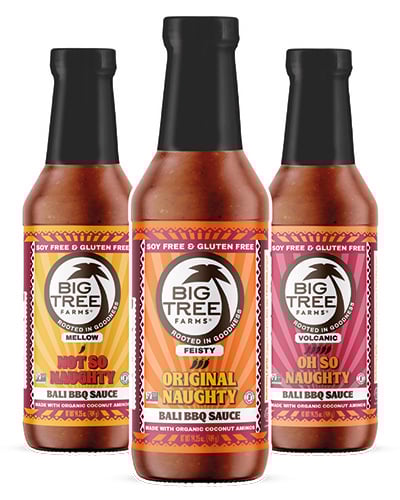
Made with ingredients sourced from Indonesia, Bali BBQ Sauces deliver a combination of sweet and spicy flavor notes. Photo courtesy of Big Tree Farms
Seasonings, spreads, and sauces that streamline at-home meal preparation are an on-target response to consumers’ ongoing appetite for convenience.
Juicy Special Cajun Seafood Marinade Seasoning by The Juicy Crab spices up seafood preparation and also may be used on everything from popcorn to French fries, according to the company. For poultry prep, Dangold offers Kickin’ Chicken Finger Lickin’ Spice Blend. The NRA’s What’s Hot 2026 Culinary Forecast cites chili-lime, gochujang, and ghost pepper as some of the year’s trending protein seasonings.
Tillamook County Creamery teamed with KEWPIE to create a limited-edition spread that blended butter, mayonnaise, and spices and was positioned as a way to elevate grilled cheese sandwich-making. Lifeway Probiotic Kefir Butter is a spreadable, cultured European-style butter intended for use in baked goods, sauces, and toppings. AGA Smör Mushroom Butter received a gold medal in the 2026 Specialty Food Association sofi Awards competition.
Ingredients formulated for specific recipe applications, such as Polly-O New York–style pizza cheese shreds, plant milk–based Taco Blend Seasoned Shreds from Miyoko’s Creamery, or Pikliz Spicy Haitian Slaw from Food with Roots, are grabbing home chefs’ attention.
Mystic Gold, Oriental Fusion, and Andean Heat sauces from Kusi Foods are chef crafted to deliver authentic Peruvian-style flavor to cuisine. Big Tree Farms introduced a lineup of Bali BBQ Sauces formulated with organic coconut blossom nectar in Not So Naughty, Original Naughty, and Oh So Naughty varieties.
Award-winning flavored condiments include Kosterina Cucumber Lemon Balsamic Vinegar and New Caanan Farms Olive Rosemary Dijon Mustard. Broth products positioned as healthful include Two River Mushroom Broth with lion’s mane and shiitake mushrooms and Māla Girl Superpowders for making broth.
8. Prescription Nutrition

Saffron is expected to have a big year as a nutraceutical ingredient. © FabrikaCR/iStock/Getty Images Plus
Trends in the condition-specific supplement industry signal crossover opportunities for food and beverage marketers. According to SPINS, mood support, hangover remedies, liver support, longevity and healthy aging, and GLP-1 support are the new areas breaking through in the supplement arena for the 52 weeks ending Oct. 5, 2025. Interest in supplements for weight loss beyond GLP-1 support, cleanse and detox benefits, colds and flu, joint health, and allergy and respiratory benefits are losing steam, creating opportunities for food and beverage products that deliver these benefits.
The number of consumers making food and beverage choices for specific medical purposes, such as colds and flu, has increased to 46%—up 10 points over the past few years, according to data from HealthFocus.
SPINS flags six potential breakout nutraceutical ingredients for 2026: saffron (mood support, cognitive health, menopause); acetyl L-carnitine (energy support, weight management); NMN (healthy aging, cellular health, cognitive health); colostrum (gut health, immune health); shilajit (cognitive health, energy, muscle recovery); and sea moss (nutrient density, gut health, weight management).
On the whole food side, SPINS highlights pumpkin, kale, and sweet potatoes as the ingredients expected to be most sought after this year. Finally, SPINS predicts continued momentum for ingredients positioned to deliver mood and mind health benefits—ashwagandha, magnesium, GABA, and theanine for mood and magnesium L-threonate, citicoline, L-theanine, and lion’s mane for cognition.
9. Snackable, Functional Beverages
Younger consumers are driving beverage category trends, including beverages as snacks and interest in multifunctional beverage benefits, according to SPINS.
Ready-to-drink (RTD) coffee sales were up by 5% for the yearlong period ending Nov. 2, 2025, with Gen Z and millennials contributing 47% of sales, per SPINS. Global coffee flavors are moving into the RTD category, exemplified by products like Beanhut Vietnamese Latte.
SPINS reports that younger beverage shoppers are especially skeptical of sugar and sugar substitutes, calling out artificial sweeteners, high-fructose corn syrup, and sugar alcohols as ingredients they want to avoid.
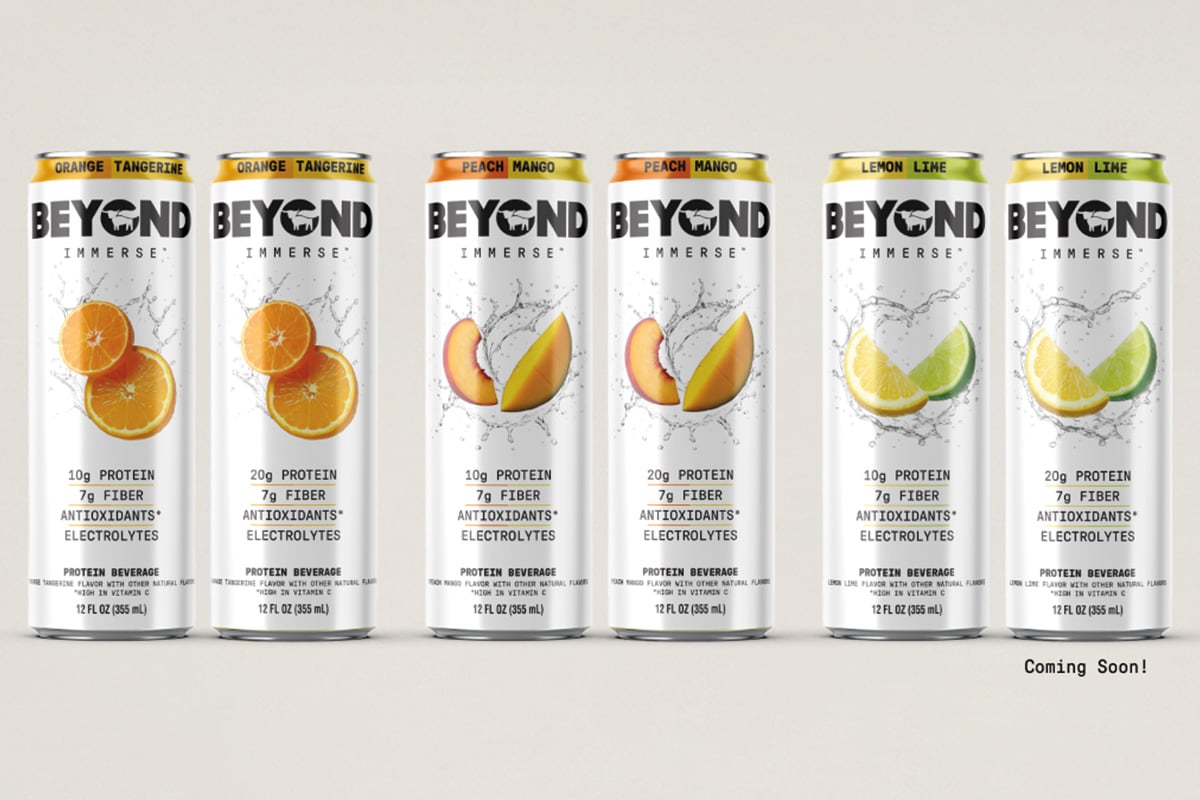
Beyond Meat touts the muscle health, gut health, and immunity benefits of its new Immerse beverage available in Peach Mango, Lemon Lime, and Orange Tangerine flavors. Photo courtesy of Beyond Meat
Products to support digestive health, mood, and immunity formulated with probiotics, protein, and adaptogenic ingredients are gaining ground in the soda sector. Clean Simple Eats Clear Protein Soda is formulated with 20 grams of whey protein and zero sugar. Hydration-forward soda concepts include Strive Soda Tropical Recharge, which delivers 180 mg of electrolytes.
Släcka Watermelon Margarita sparkling beverage claims to support “craving control” thanks to its formulation with 5-hydroxytryptophan, which the company says contributes to “satiety signaling.” Cranberry Lime Adaptogenic Sparkling Water from Sēkwl contains lion’s mane and cordyceps mushroom ingredients.
Protein content is another hot-button benefit in the beverage category. TruMoo Zero offers 50% more protein than regular chocolate milk with no added sugar. Danone’s Silk brand launched Silk Protein formulated with 13 grams of plant protein and 3 grams of fiber. Beyond Meat branched out into the beverage category with the rollout earlier this year of Beyond Immerse, a plant-based drink made with pea protein, fiber from tapioca, antioxidants, and electrolytes.
10. Baking in Convenience
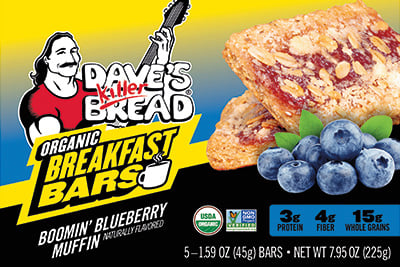
Dave’s Killer Bread Boomin’ Blueberry Muffin Organic Breakfast Bars contain 15 grams of whole grain and 190 calories per bar.
While health, wellness, and functional nutrition are current market priorities, baked goods and treats still resonate with consumers, and key drivers in this area are freshness and convenience. Heat-and-eat products formulated to taste bakery fresh with minimal prep time will deliver on both.
Frozen Papa Mountain Bread Rolls come in varieties including Cheddar & Parmesan and Chili Lime and can be baked up in just five to seven minutes. Europastry offers easy-to-prepare hand-tied bread knots in Cinnamon Apple and Savory Garlic flavors.
AnyTime! Orange Rolls from Rhodes are frozen and come packaged in a disposable baking pan for next-level convenience. Frozen tear-and-share Cinnamon Pull-Apart Monkey Bread from Bridgford Foods can be served straight from the microwave.
Comfort fare never goes out of style in the bakery category, but savvy product developers keep it current with new twists. BYTE’M Brownie Bites come in Classic, Cookies ‘N Cream, and S’mores varieties. Hometown Food Co. rolled out eye-catching Pillsbury Moist Supreme Pistachio Cake Mix and Whipped Pistachio Frosting this spring.
Makers of baked goods and desserts haven’t overlooked the importance of global flavor inspiration. Cumin Spinach and Golden Curry are among the flatbread varieties in the Arya Roti lineup. Del Real Foods offers refrigerated Churro Caramel Tamales. Frozen San Diablo Take & Bake Churros! feature a dulce de leche filling and can be prepared either in an oven or an air fryer. Datassential reports that nearly two-thirds of consumers are interested in trying Basque cheesecake, and 13% have already done so.
Finally, protein also has a place in the baked goods category. Premier Nutrition launched Protein Muffin Mixes in traditional baking mix form as well as Protein Muffin Cups, with the former supplying 13 grams of protein per muffin and each cup product delivering 15 grams of protein. Dave’s Killer Bread Organic Breakfast Bars tout the fact that they deliver 3 grams of protein and 4 grams of fiber per bar.
Hero Image: © Olesia Shadrin, alvarez, ClarkandCompany, bhofack2, mtreasure, ollo, gbh007, GoodLifeStudio, EzumeImages/iStock/Getty Images Plus
Authors
-
A. Elizabeth Sloan President
A. Elizabeth Sloan, PhD, is CEO and president of consumer trends consultancy Sloan Trends Inc. and a longtime contributing editor of Food Technology magazine. A veteran of work in industry, media, and public relations, Sloan received a PhD in food science and technology from the University of Minnesota.
Categories
-
Bakery
-
Food Ingredients and Additives
-
Snacks
-
New Product Development
-
Functional Foods
-
Diet and Health
-
Food Technology Magazine
-
Dressings
-
Frozen Foods
-
Sauces
-
Culinary Trends
-
Market Trends


