
3 Questions for Sungeun Cho, New CRISPR Research, and More

MARKETPLACE

© Thomas Faull/iStock/Getty Images Plus
More consumers are saying no to alcohol
When New Year’s Eve celebrants raised a glass for a toast as 2026 dawned, it’s likely that many of the beverages they enjoyed were nonalcoholic.
Just 54% of U.S. adults now say they drink alcohol, according to a Gallup Poll conducted this past summer. The 2025 figure was down from 58% in 2024 and is the lowest level in nearly 90 years of Gallup tracking. Gallup reports that prior to the most recent poll, the rate of nondrinkers has been under 60% fewer than 10 times, including a one-time low of 55% in 1958.
Gallup found that adults younger than 35 have the lowest level of alcohol consumption at just 50%. A majority of Americans (53%) say that drinking in moderation (defined as one or two drinks a day) is bad for one’s health.
Interviews with food industry trend trackers, coupled with responses to the 2026 IFT Consumer Trends Survey, suggest that the move away from drinking alcohol will continue in the year ahead.
“The rise in GLP-1s and weight maintenance, competition with cannabis products, and general changes in social behaviors in younger demographics will further reduce alcohol consumption,” InsightsNow CEO Dave Lundahl predicted in comments shared as part of the IFT survey.
“The low/no alcohol category is skyrocketing,” said Amy Marks-McGee, founder of marketing firm Trendincite. “The younger demographic, such as millennials and Generation Z, seek connection without the need for alcohol and without the hangover.
“‘Hangxiety’ (the portmanteau of hangover and anxiety) has been rising, described as ‘the heightened anxiety, regret, and emotional distress that accompanies alcohol recovery,’” Marks-McGee added.
2025 research from ingredient company MANE confirms the trend among younger adults toward avoiding or reducing alcohol intake. “MANE’s recent consumer survey found that 31% of 21–34–year-olds alternate alcoholic and nonalcoholic beverages in a sitting,” reported Samantha Forgham, vice president of consumer insights with the company. “Younger consumers also are more open to nonalcoholic products, with 53% of 21–34–year-olds saying they like to have nonalcoholic options in certain situations,” Forgham added.
For more on the 2026 consumer outlook, see the article What Consumers Want in 2026. For a look at the latest trends in nonalcoholic beverages, see Ingredients Illustrated.)
RESEARCH
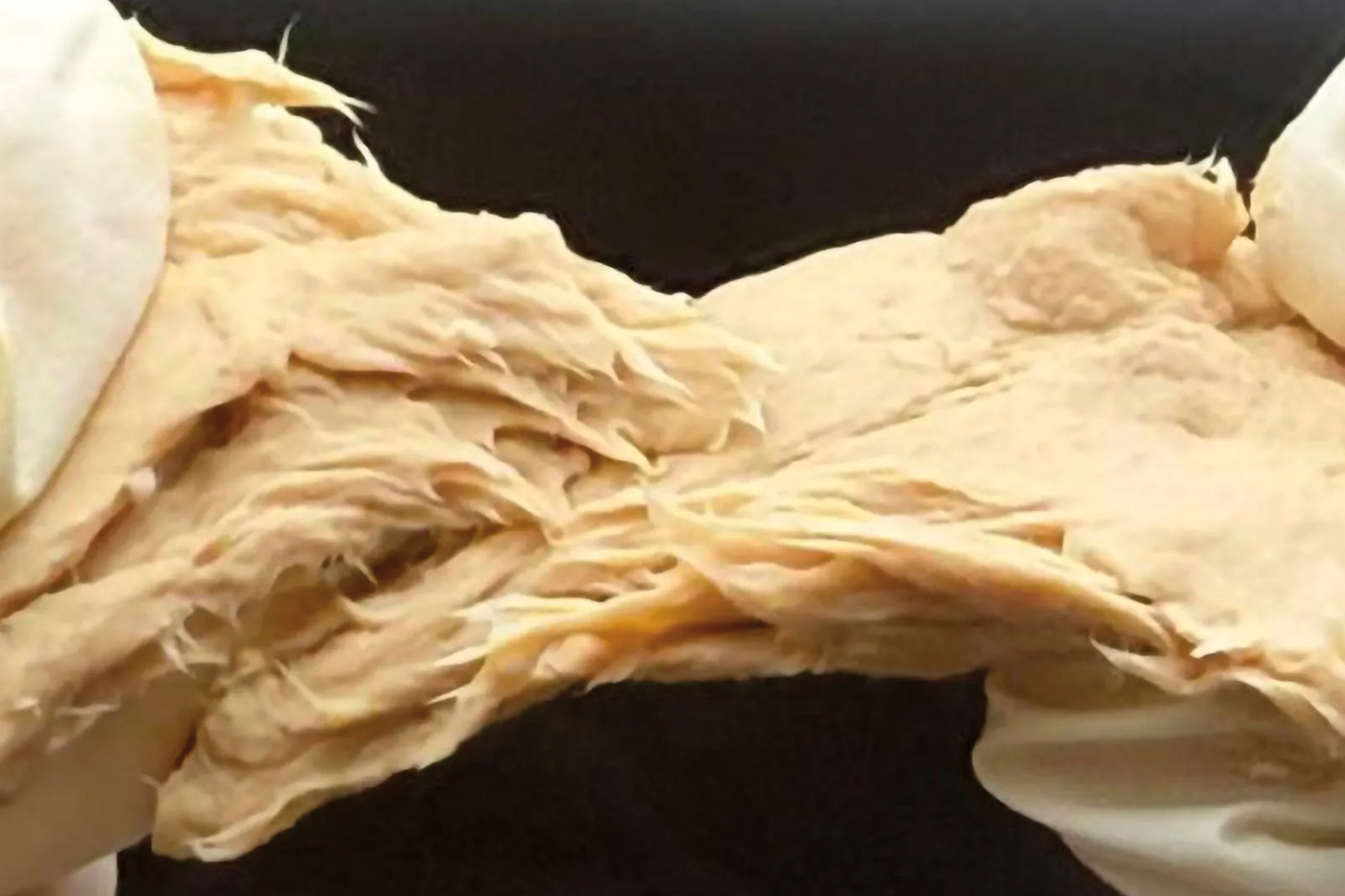
Photo by Xiao Liu
CRISPR turns fungus into eco-protein
Researchers have used CRISPR to engineer a fungus that produces protein efficiently and slashes its environmental footprint by as much as 61%, according to a study in Trends in Biotechnology. The research, published by Elsevier subsidiary Cell Press, demonstrates that the modified strain achieves these gains without introducing any foreign DNA.
The team, led by Xiao Liu of Jiangnan University, China, edited key genes in Fusarium venenatum, a mycoprotein source already approved in the United States, China, and the United Kingdom. “We successfully made a fungus not only more nutritious but also more environmentally friendly by tweaking its genes,” Liu commented in a press release.
The edits targeted enzymes involved in cell-wall formation and energy metabolism, resulting in a thinner cell wall for easier digestion and a strain that uses significantly fewer nutrients. The engineered version—dubbed FCPD—produced protein 88% faster while requiring 44% less sugar than the original.
Environmental modeling across six countries showed striking reductions in impacts regardless of the local energy grid. Overall greenhouse gas emissions fell by as much as 60%, and land use and freshwater pollution dropped sharply compared with chicken production.
“No one had really considered how to reduce the environmental impact of the entire production process,” co-author Xiaohui Wu noted in the press release.
© Olga Yastremska/iStock/Getty Images Plus
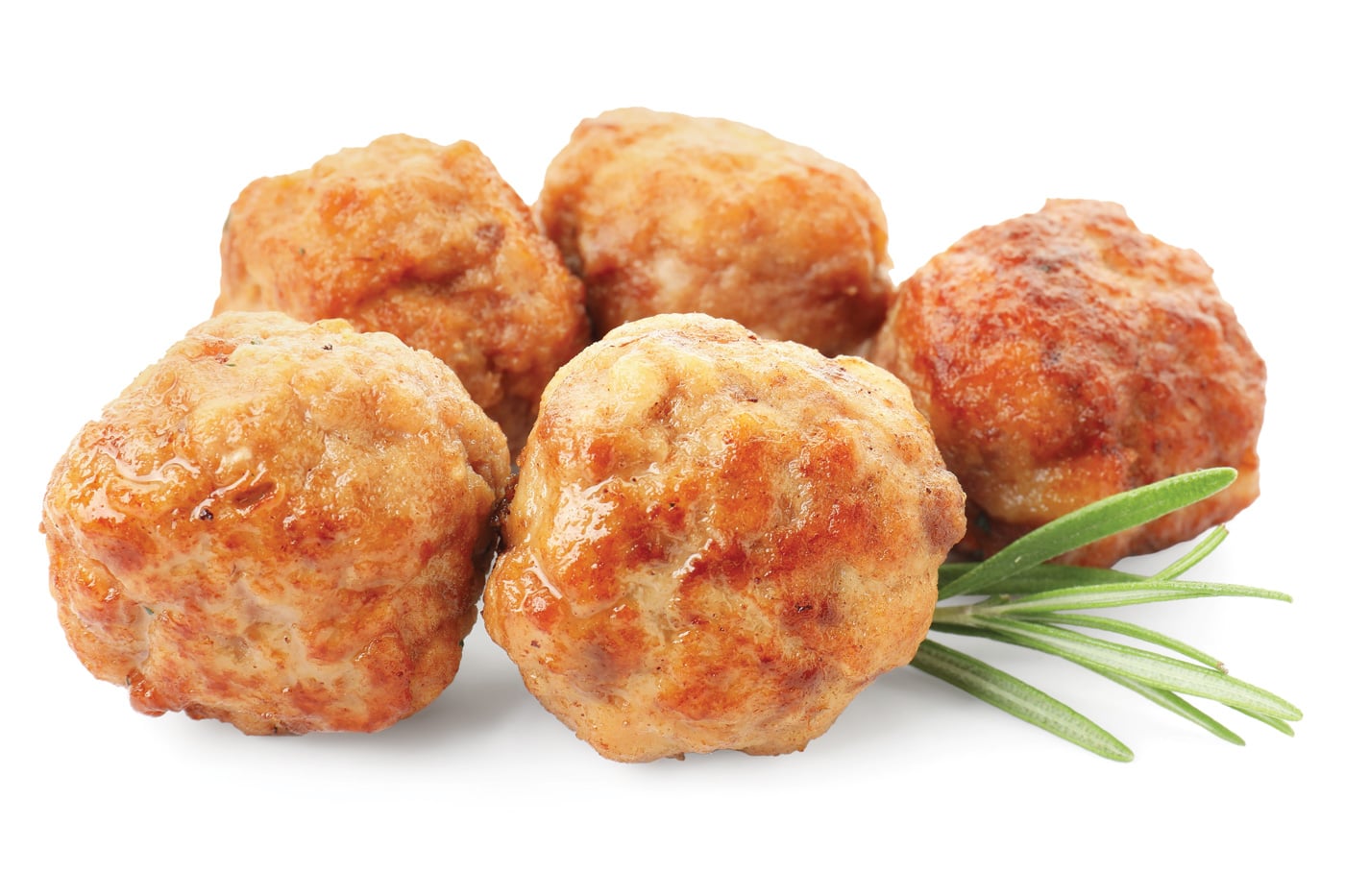
Leveraging apple pomace to boost fiber and texture in meatballs
A study by Cornell University scientists found that incorporating apple pomace—the fiber-rich byproduct of juice and cider processing—into beef meatballs can increase dietary fiber and enhance texture without reducing sensory appeal.
In the study, published in September in the journal Food Science & Nutrition, beef meatballs were fortified with 10% and 20% apple pomace and evaluated for physicochemical and sensory characteristics. Both formulations showed significantly higher fiber content and lower fat compared with the control. While increasing levels of apple pomace slightly darkened color and reduced hardness, consumer panels reported no significant differences in taste, juiciness, or overall acceptability.
Led by doctoral student Peter Gracey in the laboratory of associate professor Elad Tako, the research also points to broader sustainability and economic opportunities. Apple pomace, which accounts for up to 30% of fruit mass in juice and cider production, could provide a new revenue stream for New York’s apple industry—the nation’s second largest—and reduce disposal costs and methane emissions by diverting organic waste from landfills. The ingredient’s natural antioxidant activity may also extend shelf life in finished products.
The work adds to a growing body of research exploring the use of fruits, vegetables, and other plant-derived ingredients—such as dried plums and mushrooms—as natural meat extenders that improve nutrition, moisture retention, and sustainability in traditional meat products.
SUSTAINABILITY
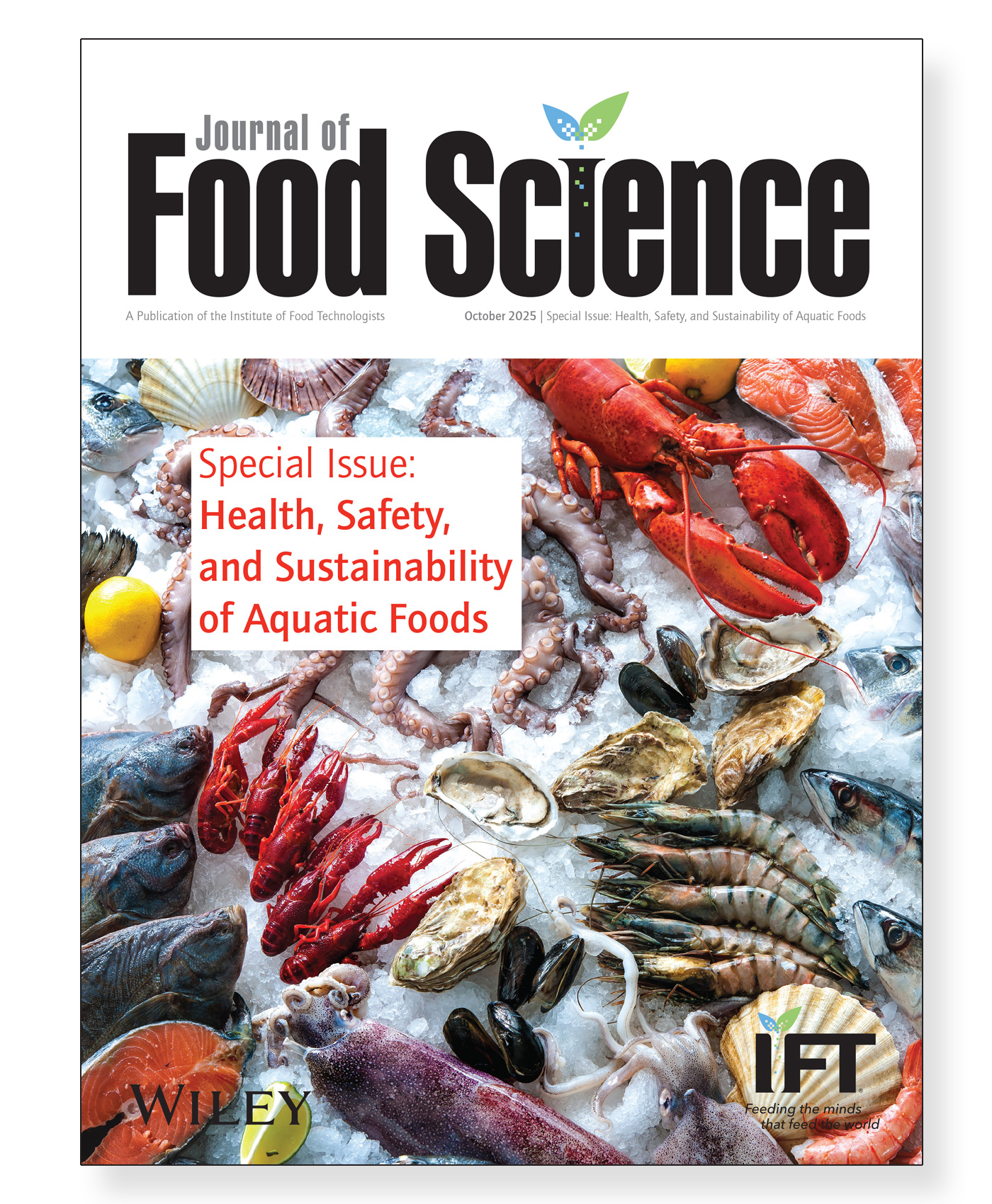
Catching the wave of aquatic science
A recently published special issue of the Journal of Food Science—“Health, Safety, and Sustainability of Aquatic Foods”—makes a compelling case for why aquatic foods must play a bigger role in the future food system. Presented by IFT’s Aquatic Food Products Division, the issue brings together cutting-edge research that shows how aquatic foods can power healthier diets, support environmental sustainability, and strengthen global food security.
As demand for nutrient-dense and climate-smart food grows, aquatic foods stand out for their high-quality proteins, omega-3 fatty acids, minerals, vitamins, and bioactive compounds, the editors note in the introduction. They also offer a pathway to reduce the environmental footprint associated with red meat while expanding access to nutritious foods for vulnerable populations. The editors suggest that elevating aquatic foods is simultaneously a health strategy and a sustainability solution.
The issue explores new approaches to improving safety and quality through advanced monitoring for environmental toxins and pathogens, as well as updated hygiene and processing practices. Studies highlight traditional preservation methods and modern tools such as high pressure processing that protect flavor and nutrients.
To access the Journal of Food Science special issue please visit https://content.ift.org/0126-jfs-special-issue.
Sustainability innovations are covered, particularly efforts to convert processing byproducts like bones, shells, and trimmings into valuable ingredients for feed, supplements, pharmaceuticals, and biodegradable packaging. These advances support a circular bioeconomy that reduces waste and boosts profitability.
Research featured in the issue spans microencapsulated probiotics that enhance oyster safety, antifungal cashew leaf extracts that extend tilapia shelf life, improved seaweed protein extraction, seafood authentication techniques, and seaweed fermentation strategies that elevate flavor.
COMMUNITY

© Auburn University Photographic Services 2025
3 Questions for Sungeun Cho
As an assistant professor in the Department of Poultry Science at Auburn University, Sungeun Cho is always thinking about ways to bring food science to life for her students. To do that, she leans into connecting scientific concepts to real-world experiences.
“I aim to engage students by focusing on topics that are most relevant in everyday life,” Cho said in a press release from Auburn announcing her selection as the 2025 recipient of the Provost’s Office Alumni Undergraduate Teaching Excellence Award. Award recipients may be nominated by students, alumni, department heads, or deans.
Before joining the Auburn faculty in 2019, Cho directed the Sensory Lab at Michigan State University and worked at the University of Arkansas Sensory Science Center.
Here are her responses to the three questions Food Technology posed.
1) What are the skills that you think are most important for current food science students to develop to prepare them for their careers?
Developing critical thinking, problem-solving abilities, and other soft skills such as teamwork, time management, and interpersonal communication are important because these skills enable students to navigate complex situations, collaborate effectively, and apply scientific knowledge in real-world contexts. In addition, learning to use artificial intelligence (AI) thoughtfully and responsibly is a necessary skill for everyone as AI becomes increasingly integrated into coursework, professional environments, and the skills demanded by future careers.
2) How do you integrate real-world learning applications into your teaching methods?
Food science is a wonderful discipline for real-world learning because we engage with food every day. In my Introductory Food Science course, students make lollipops and rock candy to explore sugar crystallization, and they bake cookies without butter or baking soda to examine the roles of fats and leavening agents. We also use miracle berry (which turns sour taste sweet, such as making lemon taste like lemonade) and Gymnema sylvestre tea (which suppresses sweetness, making sugar taste like sand) to help students learn how they perceive taste.
3) What do you enjoy most about your role at Auburn?
What I enjoy most about my job is witnessing my students’ growth and success. Seeing students grow in the classroom, perform well during internships, and ultimately succeed in their chosen careers is deeply rewarding.ft
Hero Image: © Olga Yastremska/iStock/Getty Images Plus
Categories
-
Sustainability
-
Food Sciences
-
Food Product Development
-
Food Ingredients and Additives
-
Proteins
-
R and D
-
Omnivore
-
Aquatic Foods
-
Food Technology Magazine


