

Color-Changing Packaging, Communicating About Food Chemical Safety, and More News
Catch up on new developments shaping food and food science, including color-changing packaging, clearer communication about chemical safety, GLP-1-related food choices, quick commerce, and new insights into food cravings and health.
PACKAGING
Smart packaging shows its true colors
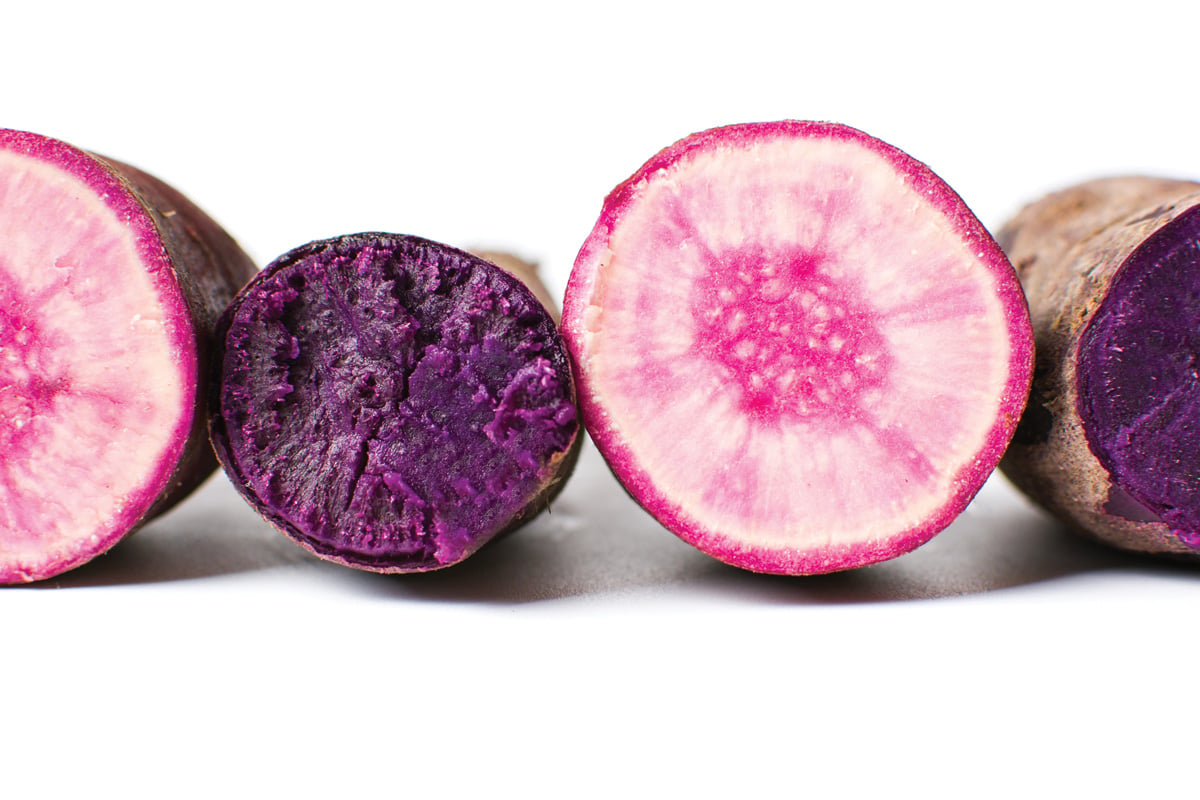
A color-changing, self-healing packaging material developed by researchers at Kyushu University could give food manufacturers and consumers a visible indication of spoilage while also helping food stay fresh longer.
The researchers created a soft hydrogel film containing anthocyanins, the natural pigments responsible for the colors of foods such as purple sweet potatoes and red cabbage. Anthocyanins change color in response to pH, making them potentially useful freshness indicators: As bacteria break down proteins in meat, they release alkaline compounds that raise pH.
A key challenge has been keeping the pigments stable enough for packaging applications. The Kyushu team addressed that problem by anchoring anthocyanins extracted from purple sweet potatoes onto UiO66-NH₂, a metal-organic framework (MOF) with high thermal and chemical stability. The MOF protects the pigments from degradation caused by oxygen, light, and heat while preserving their sensitivity to pH.
In tests with pork, the material changed continuously from purple-red to yellow-green as spoilage progressed, providing a visible freshness signal. The hydrogel also extended pork shelf life by about 12 hours compared with untreated samples, according to the researchers.
The packaging offers another unusual feature: self-repair. When the hydrogel was cut and pressed back together, the damage became nearly invisible within minutes and the packaging recovered 99% of its tensile strength within two hours.
“In conventional packaging, any crack is permanent and becomes an entry point for bacteria,” said Kyushu University professor Fumihiko Tanaka in a press release. “This material bonds back together on its own. The wound heals, and so does its ability to protect what’s inside, which makes it more durable and reliable in practical use.”
The team is now exploring a smartphone app that could help manufacturers, logistics providers, and consumers assess food quality using the material’s color changes.
The research was published in Chemical Engineering Journal.
SAFETY & QUALITY
Experts urge clarity in communicating food chemical safety

In an era when social media posts can turn the mere presence of a chemical in food into a cause for alarm, a recently published paper in IFT’s Comprehensive Reviews in Food Science and Food Safety (CRFSFS) offers a timely refresher on a fundamental principle of toxicology: “the dose makes the poison.”
Researchers from Abbott Nutrition, ADM, and Cargill examined common misconceptions surrounding food chemical safety, including the frequently blurred distinction between hazard—a substance’s potential to cause harm—and risk, which considers dose and exposure.
The authors warn that misinformation, disinformation, and accurate information presented without proper context can fuel consumer confusion and distrust. Simply detecting a chemical in food, they emphasize, does not establish that it poses a meaningful health risk.
The review calls for scientists, regulators, industry, and science communicators to use consistent terminology and communicate risk more clearly and transparently to help consumers distinguish evidence-based food safety science from online fearmongering.
Read the open access paper, “Principles of Food Safety and Toxicological Risk Assessment: Refining Hazards, Risk Management Communication, and Common Misconceptions,” in the July 2026 issue of CRFSFS.
HEALTH
How GLP-1s alter consumer food decisions
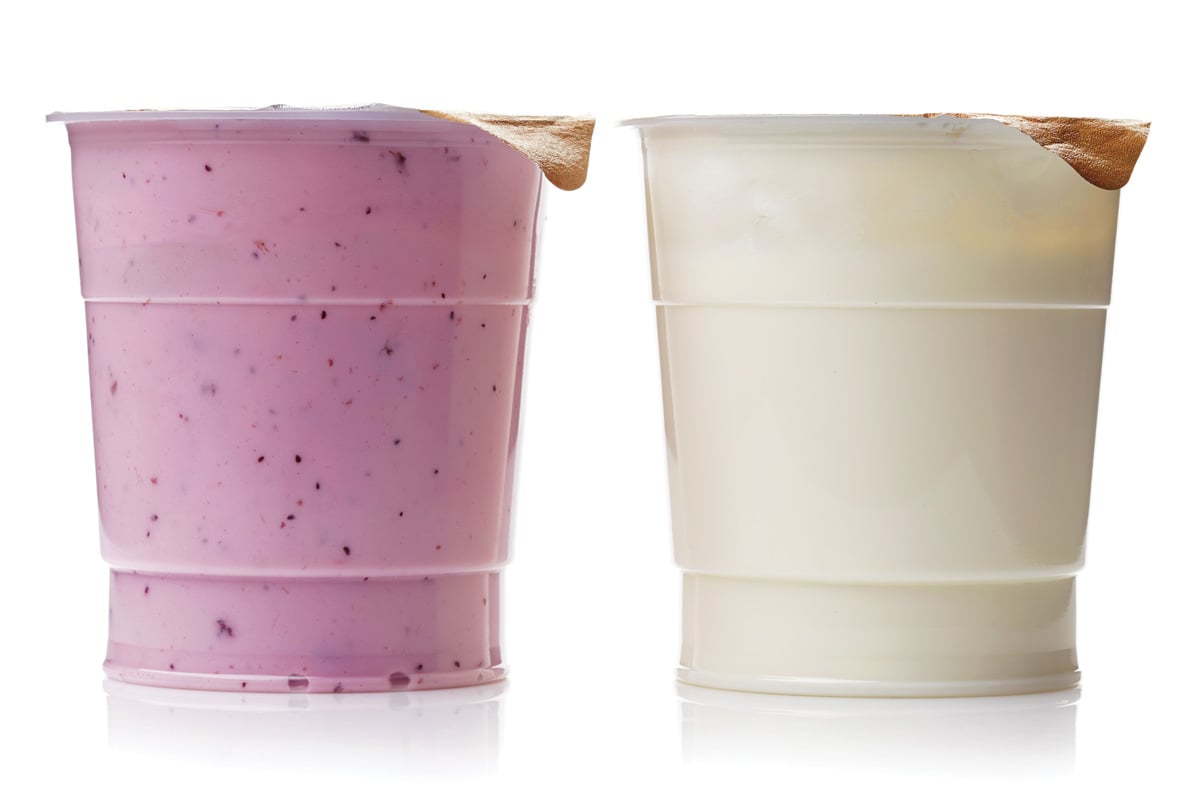
As GLP-1 medications become more widely used, their influence is extending beyond health outcomes and into everyday food choices. A new analysis from predictive cultural discovery platform Nichefire found growing consumer interest in foods that help manage appetite, deliver nutrition in smaller portions, and support digestive comfort, creating new opportunities for food and beverage companies. Here are three key takeaways from the Nichefire analysis.
1. Food noise is becoming a product consideration. Nichefire forecasts consumer interest in “food noise” to grow by about 75% in the year ahead. People describe relief from constant thoughts about eating, followed by a stronger preference for foods that make meals easier to manage. Familiar options with realistic portions can earn repeat purchases because they reduce effort and uncertainty.
2. Smaller portions need to deliver more value. Consumer interest in protein needs associated with GLP-1 use is forecast to grow by about 55% in the coming year. Interest in GLP-1 meal preparation and grocery routines is forecast to rise by about 60%. Consumers are stocking mini meals and dependable protein sources they know they can finish. This creates room for smaller packs, snack-sized meals, and products that deliver meaningful nutrition in a modest portion.
3. Digestive comfort influences product choice. Consumer interest in GLP-1 side-effect management and hydration routines is forecast to grow by about 30% to 35% in the next year. Broths, yogurt, crackers, protein shakes, and electrolyte drinks often appear as fallback options for GLP-1 users. Portion size and texture can determine whether a product becomes part of a regular routine.
For food companies, the opportunity is to help people eat well when appetite, tolerance, and timing vary from day to day.
Nichefire tracks qualitative and quantitative signals around consumer discourse, intentions, and what influences them (from sources like social media, news, search, web traffic, and more) to develop a real-world picture of consumer interest as it forms and then uses patterns from millions of past trends to forecast which cultural shifts are about to take off and how far they’ll go.
The GLP-1 trend analysis was framed around 186 Nichefire trend topics that spanned five areas: functional foods, diets and fitness, GLP-1 food behaviors, health and wellness hacks, and diet-cycle and lifestyle systems.
RETAIL
Consumers increasingly turn to fast delivery for grocery needs

What began as a niche convenience offering has rapidly evolved into a nationwide fulfillment network that is changing how consumers shop for groceries, according to a new report from global management consulting firm Kearney. The report, Quick Commerce: A Strategic Outlook, projects that the U.S. quick commerce market will grow 38% between 2025 and 2030, reaching an estimated $80 billion. Quick commerce refers to delivery services that bring products to consumers in less than an hour, with some providers targeting delivery times of 30 minutes or less.
According to Kearney’s June 2026 survey of 1,000 U.S. consumers, 19% of respondents had used a sub-30-minute delivery service in the previous 30 days, while 34% had used some form of less-than-one-hour delivery. The study found that consumers increasingly seek immediate fulfillment when an urgent need arises, shifting purchasing behavior away from traditional planned shopping trips.
Major retailers and delivery platforms have accelerated investments in the space. Walmart, Amazon, Instacart, DoorDash, Uber Eats, and Sam’s Club now offer rapid delivery options across large portions of the United States, expanding access to groceries and other household essentials.
Kearney’s research also suggests that quick commerce users behave differently than other shoppers. They are more likely to buy impulsively, purchase smaller quantities more frequently, and exhibit lower loyalty to specific retailers. Speed often outweighs brand preference when consumers need items quickly.
“Consumers increasingly make purchase decisions when the need arises, not during a weekly planning cycle,” Katherine Black, partner in Kearney’s consumer practice and lead for food, mass, and drug, said in a press release. As rapid delivery becomes more widely available, retailers may find themselves competing less on physical proximity and more on their ability to meet consumers’ expectations for digital immediacy.
RESEARCH
Decoding the impact of food cravings on health
Common genetic variants in taste and smell receptor genes affect individual food preferences and intake, potentially offering a new way to gauge how foods impact health, a study by an international team of researchers has found.
“Long-term, randomized controlled trials are simply not feasible in nutrition, and the findings of observational studies—such as a recent study that found vitamin E supplements lower heart disease risk—are often not replicable through large-scale clinical trials,” Danielle Reed, chief science officer with the Monell Chemical Senses Center, noted in a press release. “We used Mendelian randomization—genetic analysis—to address this challenge,” continued Reed, a study coauthor.
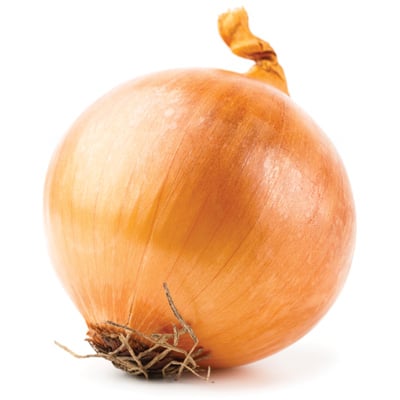
The team’s research process included tapping into data from a study of nearly 500,000 British adults to identify hundreds of genetic variants across 117 taste and smell receptor genes, which were associated with preferences for 96 different foods. After further filtering, the researchers ultimately identified one olfactory receptor gene linked to liking for onions.
From there, they found that people with the genetic variant associated with greater onion liking had average lower systolic and diastolic blood pressure as well as a roughly 14% reduced risk of developing type 2 diabetes.
Reed pointed out that onions are rich in quercetin and other compounds known to have anti-inflammatory and cardiovascular benefits, which provides a plausible biological explanation for the findings.
“What we’ve built is essentially a new way of asking whether a food is genuinely good for you,” Reed summarized.
Led by scientists at Monell, the National Institutes of Health, the University of Queensland, the University of Bristol, and the QIMR Berghofer Medical Research Institute, the research was published recently in BMC Medicine.
Hero Image: © Creative-Family/iStock/Getty Images Plus
Author
-
Food Technology Staff
Categories
-
Food Health Nutrition
-
Omics and Genomics
-
Obesity and Weight Management
-
Shelf Life
-
Active and Intelligent Packaging
-
Food Technology Magazine
-
Food Toxicology
-
Omnivore


