
Fats and Oils in Foods Explained
In this article, the author discusses the nutritional, functional, and processing roles of fats and oils in foods, explores emerging technologies and market trends, and examines how evolving consumer preferences are shaping the edible oils industry.

Learning Objectives
-
Understand the nutritional, functional, and processing roles that fats and oils play in foods, from providing energy and essential fatty acids to contributing flavor, texture, and mouthfeel.
-
Learn about the wide range of edible fats and oils available to consumers and food manufacturers, including emerging technologies such as oleogels, encapsulation, and interesterification.
-
Gain insight into how health trends, clean label preferences, sustainability concerns, and innovations in oil processing are shaping the future of the edible oils industry.
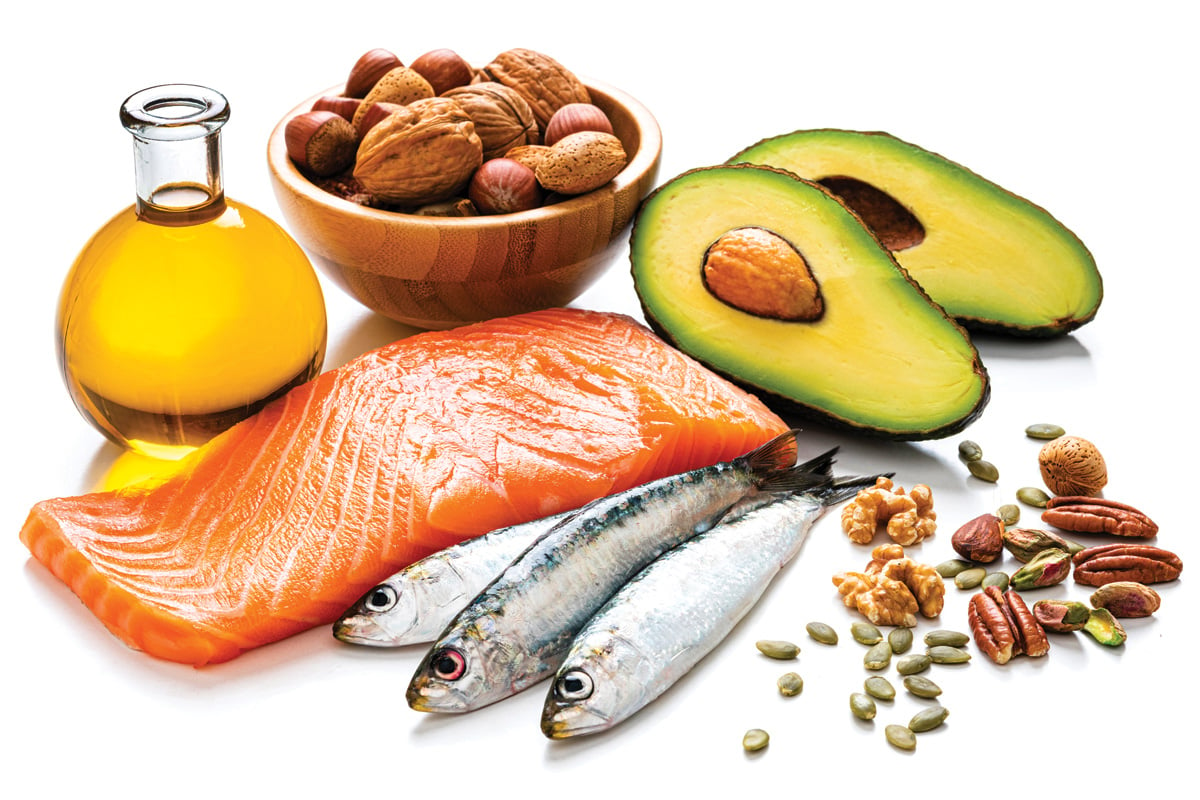
Take a walk through your favorite grocery store and look at all the choices available to you in the fats and oils section. There are oils from many different sources: peanut, walnut, hazelnut, safflower, cottonseed, sunflower, canola, rapeseed, avocado, olive, soybean, grapeseed, sesame seed (toasted and untoasted), coconut, tallow from beef, lard from pigs, duck fat, blended vegetable oils, and even ghee. These fats and oils include products labeled organic and non-GMO. About the only fat one will not find here is butter, which is in the dairy case.
Included among these oils and fats are those processed using cold or expeller pressing and others that are refined, bleached, and deodorized (RBD). Cold- and expeller-pressed oils produce clean label products and may be certified organic, which are desirable characteristics for many of today’s consumers. Transparency in the food supply and production is another important consideration for customers, which compels manufacturers to invest in certified organic and sustainably sourced edible oils.
Fats and oils are complex mixtures of compounds whose composition varies depending on their source. In addition to triglycerides and mono- and diglycerides, oils extracted from plant seeds may contain gums, emulsifiers such as lecithin, free fatty acids, chlorophyll, antioxidants, and carotenes. These components influence not only the nutritional value of fats and oils but also their functionality in food applications. As a result, fats and oils play a wide range of roles in both nutrition and food processing, making them important ingredients for food manufacturers and foodservice operators alike.
Fats and Human Health
Fats and oils are the most concentrated source of energy in the human diet, providing 9 kcal/g compared with 4 kcal/g for both proteins and carbohydrates. While this makes fats an efficient source of energy, excessive consumption of high-fat foods may contribute to obesity and other health concerns. Yet, as an old friend who taught sensory science often said, “fat tastes good,” which helps explain why consumers are naturally drawn to foods rich in fat.
Beyond supplying energy, fats play several essential roles in human nutrition. Certain fatty acids, such as polyunsaturated linoleic acid, are considered essential because the body cannot produce them on its own. Fats also serve as carriers for fat-soluble vitamins, including vitamins A and E, helping the body absorb these important nutrients. In fact, documented cases have shown that extreme no-fat or very low-fat diets can compromise health.
Fats and oils are the most concentrated source of energy in the human diet.
Not all fats are viewed equally from a nutritional standpoint. Omega-3 fatty acids, found in fish such as salmon and trout, and oleic acid, abundant in olive oil, are generally regarded as beneficial components of a healthy diet. Olive oil, for example, is a hallmark of the Mediterranean diet. Conversely, diets high in saturated fats from animal sources or trans fats produced through hydrogenation are often associated with negative health outcomes.
Some edible oils, including olive oil and grapeseed oil, also contain naturally occurring antioxidants that may offer additional health benefits. One word of caution, however: Cold- and expeller-pressed oils may contain residual proteins from the source material. Individuals with allergies to seeds or grains, such as soy, should exercise caution when consuming these oils. Properly processed RBD oils, however, generally do not contain allergenic proteins and may be consumed safely by most individuals.
Flavor and Function
Fats and oils do more than contribute richness and mouthfeel to foods—they are also important sources and carriers of flavor. In some cases, the fat itself is prized for its taste. One example is schmaltz, a traditional delicacy found in Germany and Austria. Produced by rendering pork belly, schmaltz is essentially bacon fat containing small pieces of bacon and is often used as a flavorful spread.
The versatility of fats and oils as flavor carriers is evident in the growing variety of infused oils available to consumers and food manufacturers. Products flavored with garlic; citrus fruits such as lemon, lime, mandarin, and blood orange; peppers such as jalapeño; herbs, including basil, thyme, chives, and rosemary; and ingredients such as coconut can be found in the oils section of most grocery stores. These oils can be used in cooking, salad dressings, marinades, and a wide range of foodservice and industrial applications.
Fats and oils do more than contribute richness and mouthfeel to foods—they are also important sources and carriers of flavor.
In addition to enhancing flavor, some infused ingredients contribute naturally occurring antioxidants that may help improve oxidative stability and extend shelf life. This dual functionality makes flavored oils attractive ingredients for both product developers and consumers seeking clean label options.
Oils can also be incorporated into foods in encapsulated form to improve stability, functionality, and shelf life. Encapsulation technologies are commonly used for ingredients such as omega-3 fatty acids, protecting them from oxidation and moisture while enabling their use in powdered formats. These encapsulated oils are widely used in functional foods, dietary supplements, and beverage applications.
Texture and Structure
One of the principal uses of edible oil is in baking, providing bakers with the ability to manipulate ingredients to produce myriad products with different mouthfeels and flavors. Baking fats function as shortenings, reducing binding between proteins and fats, thus shortening the time it takes to consume baked goods. Fats also contain emulsifiers such as lecithin, which bind both oil and water. Fats and oils also enhance mouthfeel, in essence lubricating baked and other foods.
New technologies are providing food processors, especially bakers, with new alternatives to traditional shortenings. Among the most promising are oleogels, which transform liquid oils into solid or semisolid structures using oleogelators such as waxes or monoglycerides, allowing them to replace saturated or hydrogenated fats in baked goods, spreads, and confectionery products. Another approach is interesterification, a process that rearranges fatty acids on a glycerol backbone to modify properties such as melting point and crystallization, creating functional fats without hydrogenation. Interesterified fats are widely used in products ranging from cookies, crackers, cakes, and icings to dairy fat replacers, pie crusts, popcorn, flatbreads, and tortillas.
Frying Performance
The selection of a frying oil depends on several factors, including product quality, cost, stability, and market positioning. Historically, many fast-food operators fried French fries in beef tallow because of the flavor it imparted, but concerns about saturated fat consumption led the industry to adopt alternative oils. Because foods absorb the oil in which they are fried, oil composition is an important consideration.
Snack foods such as potato chips and nuts are typically fried in oils with lower levels of polyunsaturated fatty acids, particularly linoleic and linolenic acids, which are more susceptible to oxidation. As a result, high-oleic sunflower oil and low-linolenic canola oil have become popular choices for both food processors and foodservice operators. These oils are derived through breeding and selection of sunflower and rapeseed varieties to enhance oxidative stability and frying performance. High-oleic oils are also commonly used in formulated food products where extended shelf life is important.
Looking Ahead
Despite periodic debates about specific fat sources or processing methods, fats and oils remain indispensable to both human nutrition and food manufacturing. They provide essential fatty acids, serve as carriers for fat-soluble vitamins, contribute flavor and mouthfeel, and perform critical functions in applications ranging from baking and frying to emulsification and encapsulation.
Innovation in the fats and oils sector continues to accelerate. Technologies such as supercritical CO₂ extraction, improved cold-pressing methods, oleogel systems, and plant breeding are helping manufacturers develop products that better meet consumer expectations for nutrition, sustainability, and clean label appeal. At the same time, interest in specialty oils such as avocado, flaxseed, coconut, and grapeseed is growing as consumers seek foods that align with their health and wellness goals.
As consumer preferences continue to evolve, so too will the fats and oils industry. New ingredients, processing technologies, and product formats will undoubtedly emerge, but the fundamental roles of fats and oils in foods will remain unchanged. Whether they are providing energy, carrying flavor, enhancing texture, or enabling new product innovations, fats and oils are far more than ingredients—they are essential building blocks of the foods we eat every day.
Are Seed Oils Bad for You?
Edible oils are derived from many different sources, including a wide variety of seeds. In recent years, however, seed oils have become the subject of growing criticism, particularly oils such as canola (aka rapeseed), corn, cottonseed, grapeseed, soybean, sunflower, safflower, rice bran, and peanut. These oils are widely used by food manufacturers and foodservice operators for frying and as ingredients in processed foods. Consumers also use them for baking, salad dressings, and cooking.
Much of the criticism centers on how these oils are processed. Many commercial seed oils are refined, bleached, and deodorized (RBD) to produce a stable, neutral-flavored product. Refining removes free fatty acids, phospholipids, and other impurities. Bleaching removes pigments and compounds that can accelerate oxidation. Deodorization uses steam to strip away volatile compounds that may affect flavor and aroma.
Critics argue that these processing steps also remove naturally occurring antioxidants, phenolic compounds, and other beneficial components. Because RBD oils are commonly used in many packaged foods, they are often associated with the broader concerns surrounding ultra-processed foods. Some critics also point to the relatively high levels of omega-6 fatty acids found in certain seed oils and suggest that excessive consumption may contribute to inflammation when dietary fatty acid intake is not balanced.
So, are seed oils bad for you? The answer is more nuanced than many headlines suggest. As with most fats, moderation is important. It is also important to recognize that not all seed oils are the same. Some are produced using cold-press or expeller-press methods, which preserve more of the oilseed’s naturally occurring compounds. These minimally processed oils are often valued for flavor and nutritional quality, although they are generally less suitable for high-temperature cooking.
Consumers and food scientists should avoid painting all seed oils with the same brush. Both processing method and intended use matter.
Hero Image: © fcafotodigital/E+/Getty Images
Author
-
Richard Stier Food Scientist
Richard F. Stier is a consulting food scientist with international experience in food safety (HACCP), food plant sanitation, quality systems, process optimization, GMP compliance, and food microbiology (rickstier4@aol.com).
Categories
-
Nutrition
-
New Product Development
-
Functional Foods
-
Fats and Oils
-
Nuts and Seeds
-
Food Technology Magazine
-
Ingredient Trends
-
Applied Science


