
Home-Centric Eating Creates Market Opportunities

 A. Elizabeth Sloan
Food Technology Magazine
With U.S. food prices 31% higher in late 2024 than they were in 2019, according to Circana, it’s not surprising that consumers aren’t thrilled about the cost of filling their grocery carts. That said, however, changes in eating patterns and demographic shifts are delivering new pockets of opportunity for food and beverage companies, especially for marketers of beverages, snacks, and specialty fare. And in general, there continues to be a strong market for products consumers employ for at-home meal and snack preparation.
The number of consumer eating occasions continues to rise in the United States, up 17% versus 2019, according to Circana data. The vast majority (86%) of eating occasions are sourced from home—87% for breakfast, 81% for dinner, and 76% for lunch. As of the third quarter of 2024, retail/in-home food/drink accounted for 60.2% of U.S. food dollars and foodservice/away from home accounted for 39.8%, per Circana. For 2025, Circana forecasts grocery retail unit sales growth of 0%–1% and dollar sales growth of 2.5%–3.5%.
At retail last year, premium product unit sales sales grew by 2%, with unit sales of superpremium products up by 4%, Circana reports. Premium products accounted for more than 30% of the snack bar and sports drink categories, and more than 20% of dried meat snack, bottled water, eggs, and yogurt sales for the year ended Oct. 6, 2024, per Circana. In addition, dollar sales of natural products increased across nearly every department last year and are projected by SPINS to reach close to $320 billion for 2024.
Kitchen Aid for Home Cooks
Six in 10 food shoppers prepare dinner at home at least five times a week, a level not seen since 2000, according to FMI, The Food Industry Association. According to Circana’s National Eating Trends 2024 survey, poultry is the most frequently eaten main dinner dish, followed by global cuisine, red meat (including burgers), pasta, soup/chili/stew/ramen, sandwiches, pizza/pizza snacks, mixed dishes (not global), fish/seafood, and pork.
Just over half (54%) of home dinners now combine cooking from scratch with semi-prepared foods, up from 51% of dinners made that way in 2023, according to FMI. Meals made fully from scratch fell from 38% in 2023 to 36% in 2024. Perhaps most important, 36% of dinners include a heat-and-eat item, as do 32% of lunches, 18% of breakfasts, and 3% of snacks, per Circana.
Four in 10 shoppers buy fresh deli prepared foods for dinner at least once a week, 35% do so for lunch, and 22% for breakfast, according to FMI.
For 2024, sales of prepared cooked meats, up 12.8%, led unit growth in the $50.9 billion deli prepared food sector, according to research firm 210 Analytics. Also in this sector, fresh pizza unit growth climbed by 8.0%; salads, +5.4%; appetizers, +4.3%; soups/chili, +4.2%; side dishes, +3.9%; and entrées, +3.7%.
More than half of shoppers say they want more fresh prepared side dishes, healthier entrées, and holiday/seasonal choices, FMI reports. Nearly half of frequent prepared food users have children at home, per FMI. Targeting more deli prepared products to families with children is a missed opportunity.
Among less familiar cuisines, prepared food users are most likely to purchase Japanese, Mediterranean, Caribbean, Thai, Cuban, and Korean fare, FMI says. Four in 10 Gen Zers want more heat-and-eat street food/food truck items, per FMI.
Home delivery meal kit leader HelloFresh added three lines of heat-and-eat ready made meals, which require no additional preparation.
Frozen products that do triple duty as a snack, meal component, or appetizer are right on target.
Frozen foods that help consumers create exciting culinary experiences at home, such as Birds Eye Meal Starters, Alexia Parmesan Truffle Broccoli, and Dolly Parton’s Homestyle Macaroni & Cheese, are grabbing the spotlight in the $13.9 billion frozen meal/entrée sector, according to Conagra Brands’ Future of Frozen Food 2025 report. Indian, Cajun, and Japanese are the fastest-growing globally inspired frozen meals, according to Conagra Brands.
Frozen products that do triple duty as a snack, meal component, or appetizer are right on target. Lakeside Foods debuted frozen breaded green beans formulated for air fryer or conventional oven preparation, and Bertolli Toasted Three Cheese Ravioli is air fryer ready. Sales of air fryer–friendly frozen foods reached $6.1 billion for the year ended Oct. 10, 2024, per Conagra Brands. Frozen OH!Tatoes Fully Baked Idaho Potatoes take just four minutes to heat up in a microwave.
Big unit sales gains in 2024 for frozen processed chicken (+7.4%) and frozen potatoes/onion rings (+4.8%), as well as refrigerated pizza (+18.3%), point to consumers trying to mimic fast food restaurant favorites at home, according to Circana.
Frozen meat/poultry substitutes were among the biggest losers in the frozen case, with unit sales down 12.9% for 2024, per 210 Analytics. Nondairy cheese dollar sales fell 7% to $98 million, while sales of plant-based refrigerated milk were up 4.7% to $2.5 billion, per Circana.
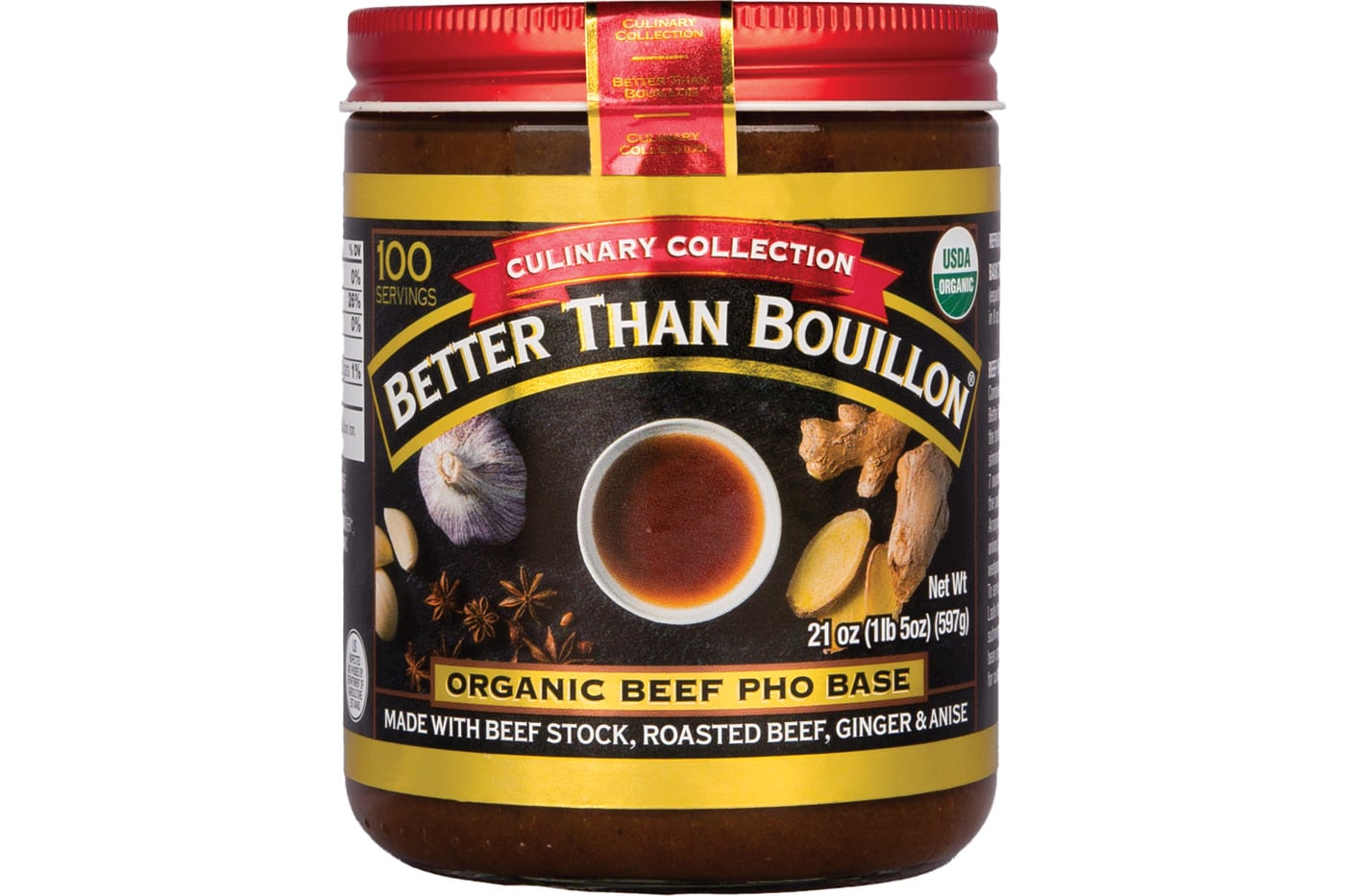
Organic Beef Pho Base is a new addition to the Culinary Collection in the Better Than Bouillon product lineup. Photo courtesy of Summit Hill Foods
A number of center-store product categories recorded solid unit sales growth in 2024. Unit sales of dried beans were up by 5.6%; pasta, +4.5%; shelf-stable seafood, +2.5%; and spaghetti sauce, +2.4%. Unit sales of shelf-stable Asian foods grew by 3.0%, and shelf-stable Mexican foods unit sales were up by 1.9%, according to Circana. Unit sales of barbecue sauce (+6.2%), dipping/finishing sauces (+5.0%), spices/salts/extracts (+4.8%), sandwich spread (+2.9%), syrup (+2.5%), and dried seasoning/sauce mixes (+2.1%) have also kept pace with the rise in home cooking, per Circana.
Product introductions in this area include Seafood Boil Marinade and Sauce from Kelchner Food Products, Todo Verde Al Pastor Taco Seasoning, and Hidden Valley Ranch Cheez-It Condiment & Dressing. Campbell’s Spicy Condensed Soup line adds a kick to a variety of easy homemade meals. Summit Hill Foods added Organic Beef Pho Base to its Better Than Bouillon lineup. Kraft Heinz debuted A.1. Steakhouse Butter, which blends butter, A.1. Steak Sauce, and fresh herbs.
Strong unit sales gains in ready-to-drink coffee, coffee creamers, and milk substitutes suggest many consumers are preparing their coffee shop favorites at home. Unit sales gains in frozen fruit, coconut milk, and pomegranate juice suggest more do-it-yourself smoothies are being prepared at home, per Circana.
Specialty kitchen appliances focusing on dessert and snack preparation are gaining popularity. Think ice cream and yogurt makers, popcorn poppers, shaved ice machines, and chocolate fountains.
In addition to products for meal preparation, three categories represent strong market opportunities in the year ahead: beverages, snacks, and premium/specialty products. Here’s a look at trends in these three areas.
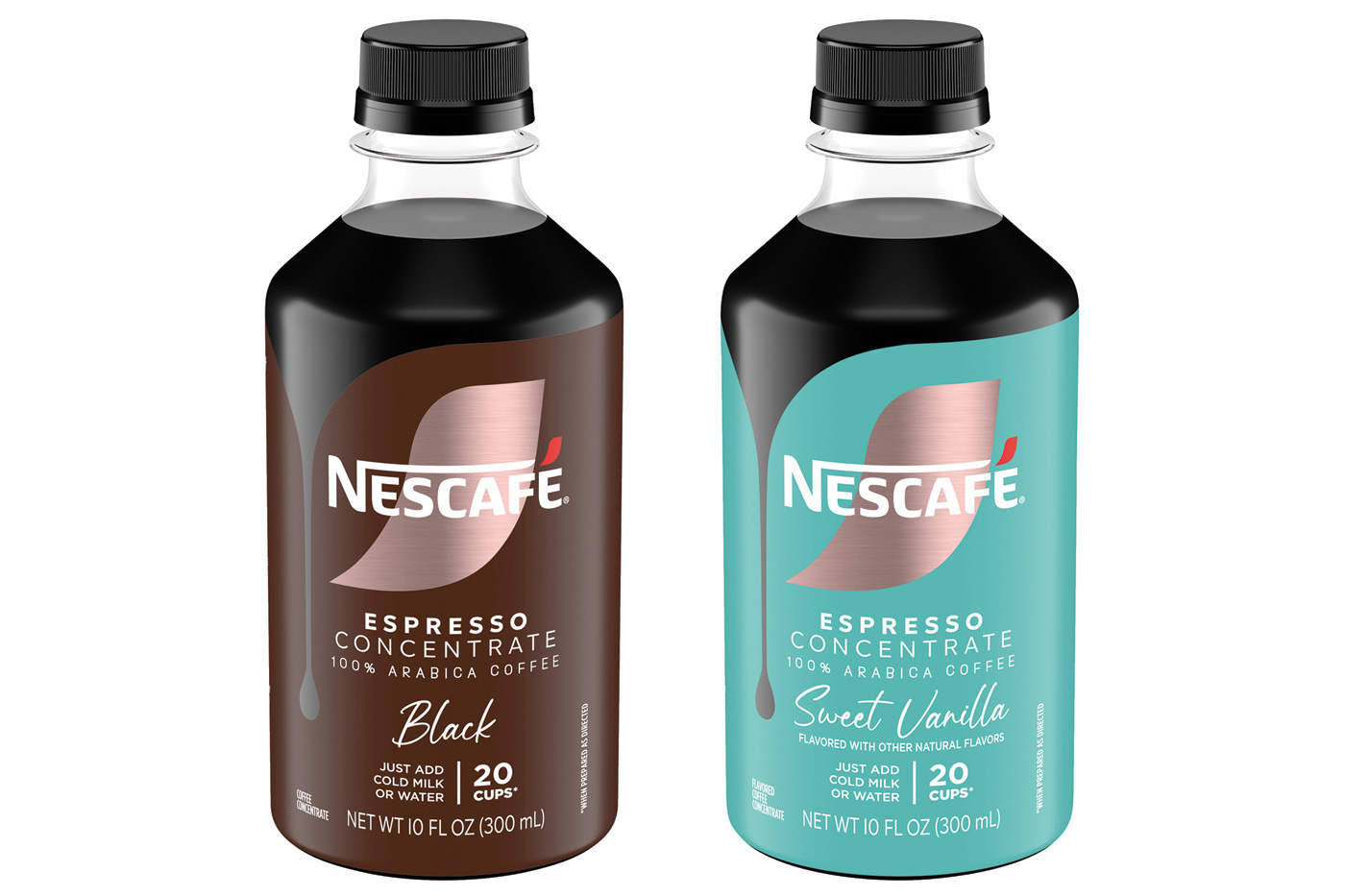
NESCAFÉ Espresso Concentrates allow coffee lovers to prepare café-style iced coffee at home.
Drink Up
With U.S. per capita beverage consumption jumping from 1,482 drinks per person in 2023 to 1,500 in 2024, the $483 billion nonalcohol/alcohol drink sector is an explosive market opportunity, per Circana.
Energy drinks, reduced-calorie/low-sugar beverages, bottled water, sports drinks, and functional beverages posted strong growth in 2024. Unit sales of powdered milk jumped 14.1% at retail in 2024, juice/drink concentrates were up by 13.6%, and canned juices were up by 5.0%, Circana reports.
Within the functional beverages segment, products with immunity claims posted the largest unit sales gains between 2021 and 2024, followed by products with claims related to high protein, energy, prebiotics/probiotics, and digestion, per Circana. Unit sales of beverages with a weight control claim were up 10% last year, sales of products with a hydration claim grew by 8%, and sales of products touting skin benefits increased by 3%, Circana reports.
Cold brew and specialty global coffee and tea varietals (e.g., Korean Sweet Corn Latte) are up-and-coming coffee trends, per Datassential. Fewer than 1% of restaurants had cold brew coffee on the menu in 2024. Liquid espresso concentrates in Black Coffee and Sweet Vanilla varieties joined the NESCAFÉ lineup last year. Recoup Prebiotic Sparkling Bever- ages formulated with electrolytes and ginger are Regenerative Organic Certified.
Circana reports that energy/sports drinks and frozen drink/smoothies account for 3% and 6%, respectively, of total restaurant beverage servings. New protein lattes from the Peet’s Coffee chain deliver 20 grams of protein per medium-size beverage serving.
Although interest in no- and low-alcohol beverages is gaining traction in 2024, they currently account for less than 5% of total beverage sales, per Circana.
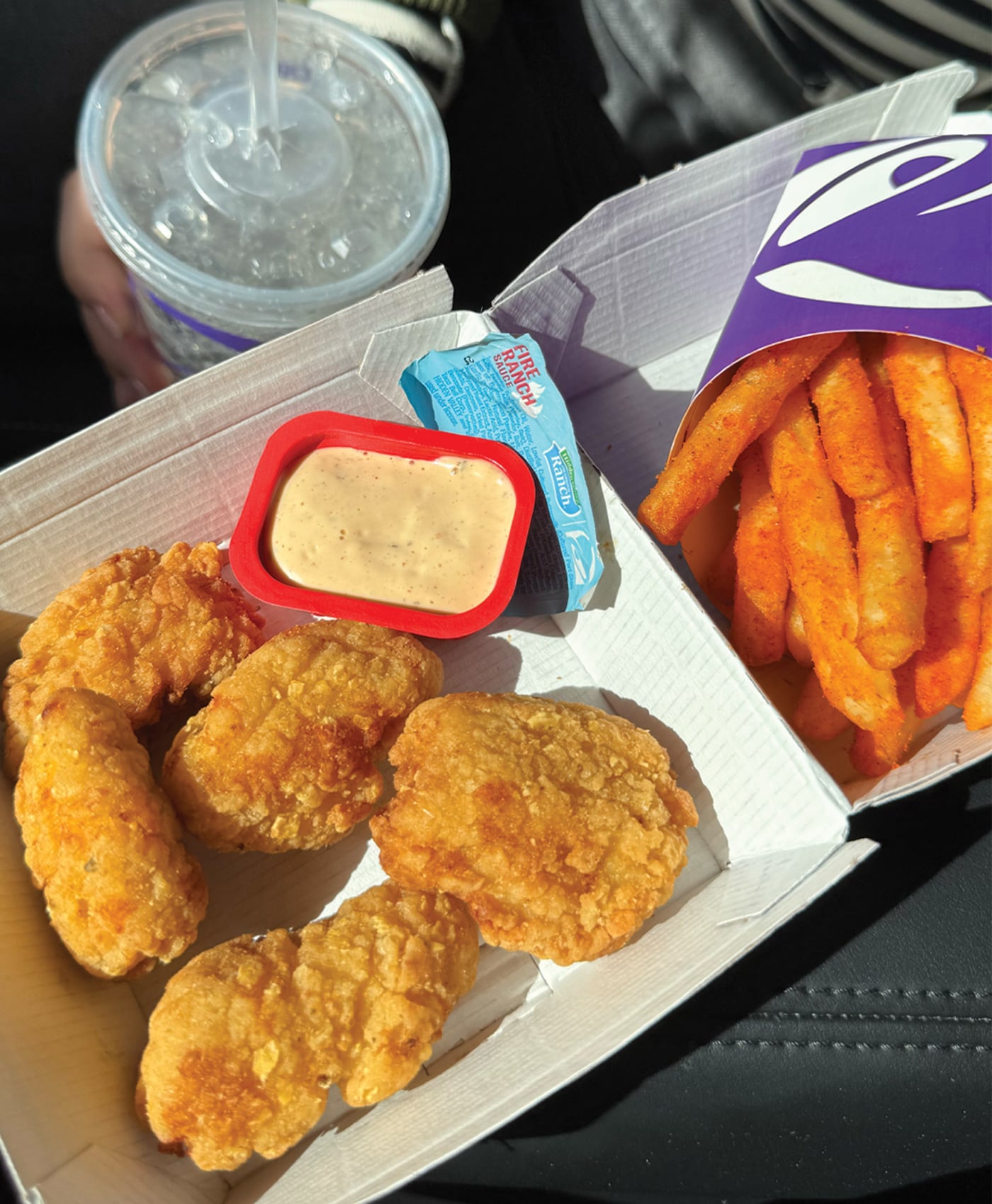
Served with Taco Bell’s Crispy Chicken Nuggets, new Hidden Valley Fire Ranch Sauce blends the flavor of Taco Bell Fire Sauce with that of Hidden Valley Ranch. Photo courtesy of Taco Bell
Snack Time
Half of U.S. consumers snack more than three times per day, up 8% over the past two years, according to Circana. Six in 10 of those aged 18–44 snack that frequently. Among those who snack three or more times daily, the occasions where snack consumption is increasing the fastest include morning, followed by late evening and early morning.
According to a report from ingredient company FlavorSum, consumers most want energy, health, and satiety from their morning snacks, while indulgence drives late night snacking.
Snacking occasion restaurant traffic is strong, according to the National Restaurant Association. The Bojangles chain added a limited-edition Bo-Berry Cobbler dessert cup to the menu early this year. Taco Bell debuted Crispy Chicken Nuggets with dipping sauces, including Hidden Valley Fire Ranch Sauce.
Mini poppable products, tiny bites, and handheld products are hot snack trends. Pepperidge Farm added a variety of sweet flavors, including Vanilla Cupcake and Strawberry Shortcake, to its Goldfish Grahams lineup. Dave’s Killer Bread introduced a line of Snack Bites in varieties such as Bold Buffalo and PB & Chocolate.
Sales of frozen appetizers/snacks reached $4.4 billion for 2024, according to the Conagra Brands report. Bao buns (+58%) were the fastest-growing frozen street food, followed by tacos (+54%), samosas (+32%), empanadas (+31%), and dumplings (+18%), per Conagra Brands. Frozen seafood bite sales grew 50% year-over-year for the past two years, and chicken nugget sales grew by 21% in that time frame, according to Conagra Brands. Prebiotic snacks like Nature’s Garden Fruichias fruit snacks are moving into the marketplace. Cracker-like Bright Side Crisps are made from upcycled fruit and vegetable pulp.
Cottage cheese (+12.8%), specialty cheese (+6.1%), dips (+6.1%), yogurt (+5.6%), whipped topping (+5.3%), eggs (+4.5%), cream/creamers (+3.8%), and natural cheese (+2.5%) led unit sales gains in the dairy case for 2024, per 210 Analytics.
Little Spoon’s YoGos Greek organic yogurt smoothies for kids include 4 grams of protein, fruit, vegetables, and probiotics. The new Premier Protein Indulgence line of shakes features dessert flavors Like Decadent Dark Chocolate and Salted Caramel Truffle.
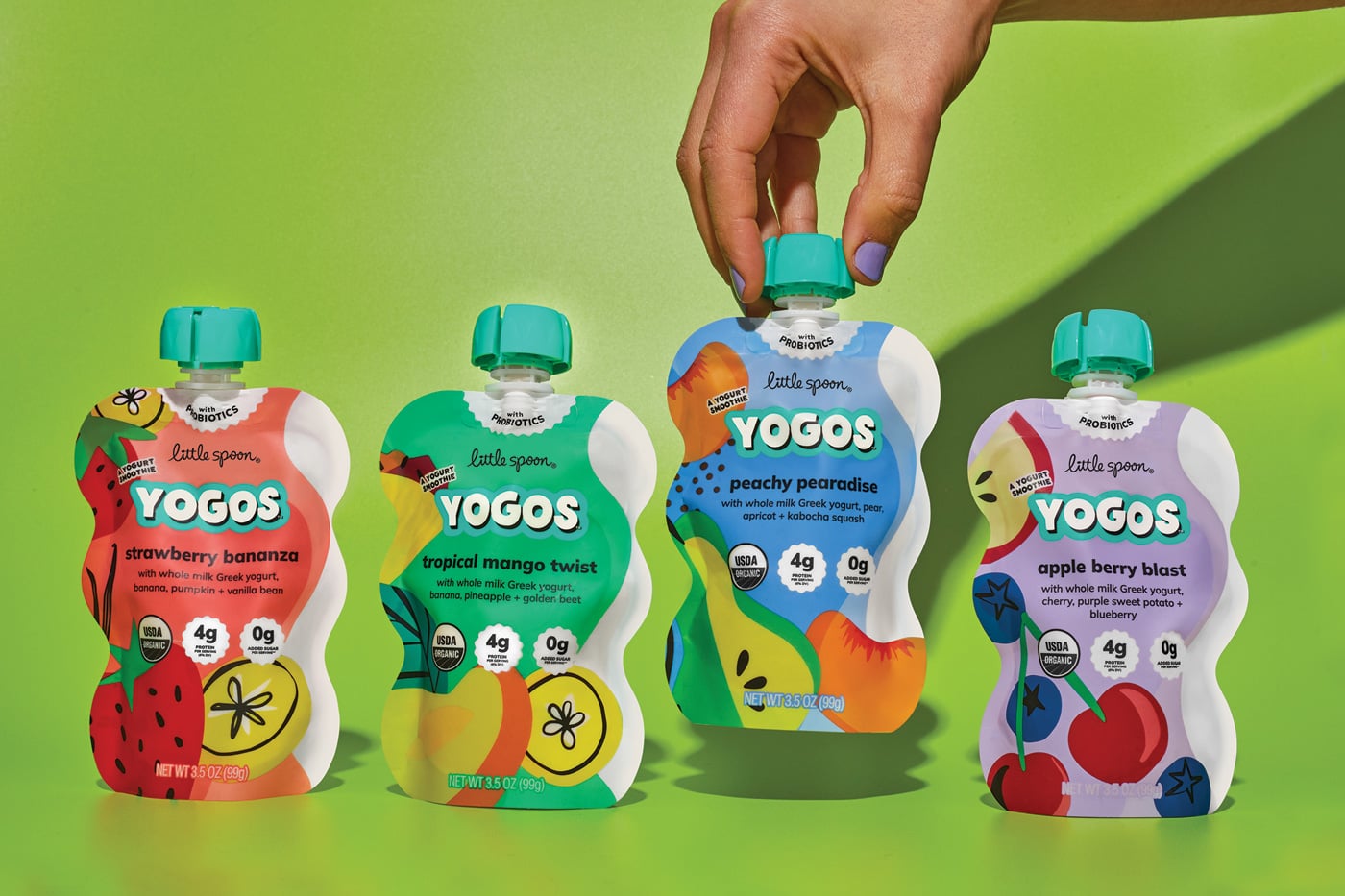
Little Spoon serves up “squeezable snack time” with its new YoGos yogurt smoothies in pouches, which are formulated using whole milk Greek yogurt and added probiotics. Photo courtesy of Little Spoon
Prioritizing Premium
Consumers of all income levels enjoy creating special eating experiences and treating themselves. Eight in 10 high-income households, three-quarters of middle-income households, and two-thirds of low-income households are continuing to try and recreate restaurant meals at home, according to FMI.
Specialty food sales are projected to top $231.3 billion in 2025, up 5.5% from the prior year, according to the Specialty Food Association’s State of the Specialty Food Industry Report.
Snacks are the largest specialty food category by dollar sales, followed by cheese, refrigerated/frozen entrées, snacks and sides, bread/baked goods, coffee/hot cocoa, meat, poultry, seafood, confectionery, ice cream/novelties, water, condiments, and dressings and marinades.
In 2024, shelf-stable flours were the fastest-growing specialty food category with sales of over $500 million, followed by tortilla/corn chips, pasta sauce, frozen novelties, sparkling water, spices/seasonings, refrigerated beef, shelf-stable fruit, packaged rice/grains, and plant-based creams/creamers, per the Specialty Food Association. Belly Brand Foods broke new ground with its Classic Banana Bread baking mix enhanced with collagen.
Entertaining at home accounted for nearly 6 billion consumer eating occasions last year, according to Circana. Cake, followed by pie, pork, pizza, ice cream, potatoes, red meat (including burgers), and mixed cuisines are most likely to be served. Hosts are twice as likely to prepare global foods and 25% more likely to serve fish and seafood when they are entertaining compared with when they are preparing everyday meals.
Watch for more high-protein food and beverage product introductions in the specialty sector in 2025.
Unit sales of deli trays for entertaining jumped 24.2% in 2024 and products for holiday meals were up by 8.1%, per 210 Analytics.
Watch for more high-protein food and beverage product introductions in the specialty sector in 2025. According to SPINS, products with 15 or more grams of protein have topped the $4.9 billion mark in sales and high-protein categories are enjoying 9.3% annual growth.
Baked goods are performing well. Breads, croissants, muffins, and brownies/bars were the top unit sales gainers among bakery products sold in the store perimeter in 2024, 210 Analytics reports. In the bakery aisle, croissants posted double-digit unit sales growth, followed by doughnuts, muffins, and cookies, per 210 Analytics.
In 2024, unit sales of frozen breads and doughs jumped 3.6%, per Circana; unit sales of refrigerated tortillas grew by 3.1%. After baby food (+54.9%), frozen cookies (+29.2%) were the fastest-growing frozen item in unit sales, albeit from a relatively small base. Absolutely Gluten Free introduced absolutely! Gluten Free frozen cookie dough in three varieties; each package yields a dozen cookies.ft
What's Happening at Foodservice
© kckate16/istock/Getty Images plus
Total foodservice traffic was down by 2% through the third quarter of 2024 versus the same period in the prior year. Full-service restaurant traffic was down by 3%, and quick-service restaurant traffic was down by 2%. Traffic at fast-casual eateries—up by 3% for the same period—was a bright spot, per Circana/Quest.
In November, half of consumers reported eating dinner in a restaurant in the past week, one-third had lunch at a restaurant, and one in five had breakfast, according to the National Restaurant Association (NRA)—slightly fewer than in 2023.
Dinner accounted for 33.9% of restaurant traffic; lunch, 28.7%; morning, 21.0%; and p.m. snacks, 16.4%. Restaurant traffic increased at breakfast and p.m. snack occasions versus 2019, per NRA.
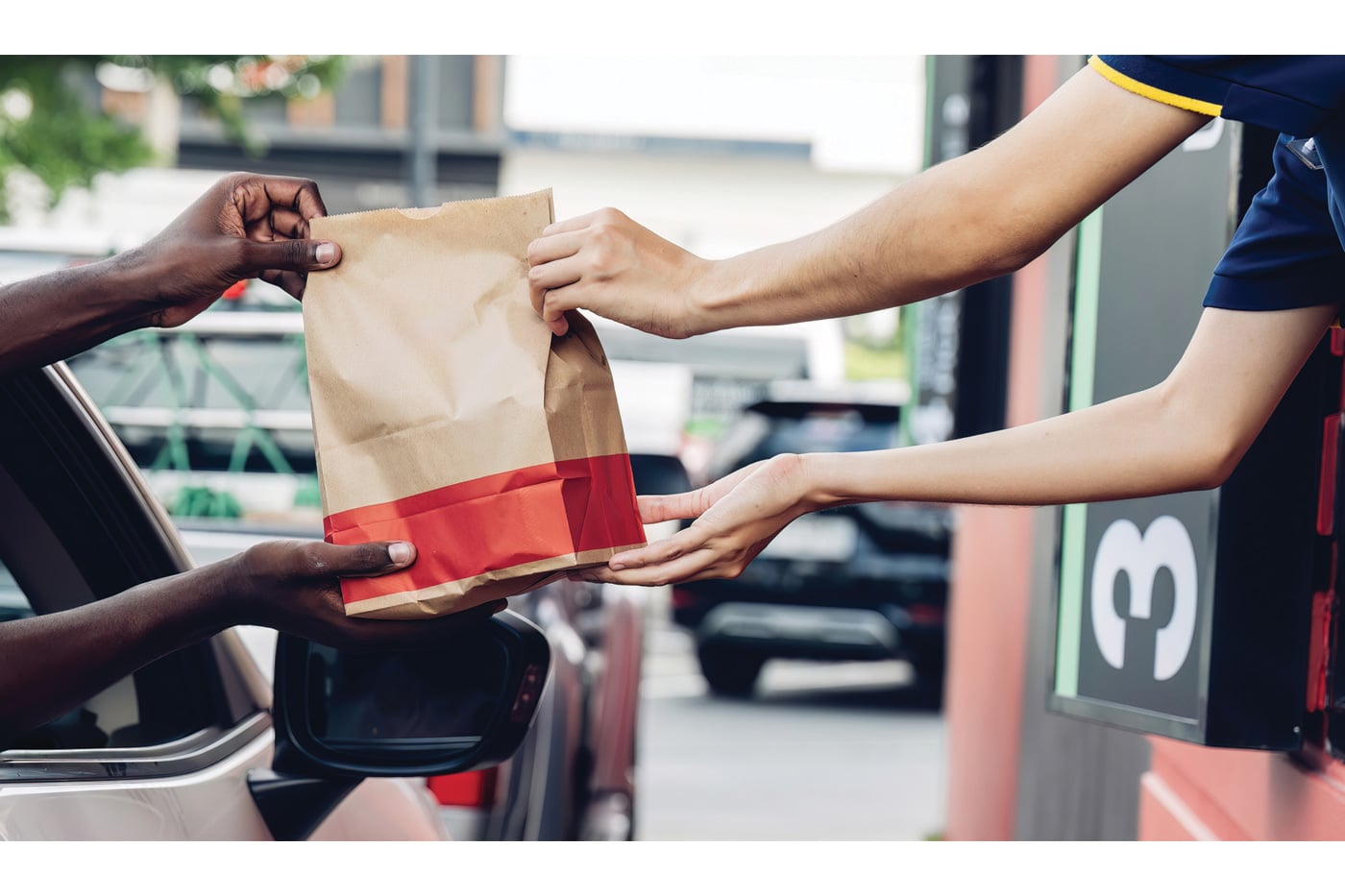
In November of 2024, 80% of restaurant patrons opted for off-premises dining, including 40% for lunch and 30% for breakfast. Carryout accounted for 30% of traffic, down 2% from 2020; drive-through, 36%, +10%; and delivery, 9%, +6%.
With 38% of restaurant operators planning to increase their menu development in 2025, according to Datassential, innovative foodservice products that help cut labor costs (e.g., Dole Chef-Ready Cuts prepared fruits) represent a strong market opportunity. Foodservice specialty products unit sales jumped 11.3% last year, according to the Specialty Food Association.
Sustainability and local sourcing, followed by cold brew, Korean cuisine, hot honey, Vietnamese cuisines, hyper-local beer and wine, fermented/pickled foods, wellness drinks, creative spritzers, and value deals all made the NRA’s list of hot culinary trends for 2025.
Healthy kids’ menus, limited-time-only menus, beverage tasting flights, and convenience proteins (e.g., products in individual serving packs, proteins suitable for sous vide preparation) were also cited as 2025 business builders.
Hot honey, matcha, miso, chili pepper varietals, yuzu, guava, and Sichuan spices are all trending flavors/condiments. Honey, seeds, vinegars, pineapple, tamarind, and saffron are often cited on lists of popular ingredients.
Wingstop‘s new sauce option, Pacific Glaze, is inspired by Thai, Chinese, and Singaporean cuisines. Mango lemonade, four cheese, passion fruit, smoky BBQ, and sweet cream are among the fastest-growing terms on chain menus over the past four years, per Datassential.
Sweet empanadas, Japanese souffle cheesecake, Caribbean coconut rum cake, Austrian Sacher torte, and Mexican conchas and tres leche cake are among the specialty bakery items getting attention. Watch for soft globally inspired breads, such as Japanese milk bread or Hong Kong sweet bread, to have a growing presence on menus.
Hero Image: © The Good Brigade/digital vision
Authors
-
A. Elizabeth Sloan President
A. Elizabeth Sloan, PhD, is CEO and president of consumer trends consultancy Sloan Trends Inc. and a longtime contributing editor of Food Technology magazine. A veteran of work in industry, media, and public relations, Sloan received a PhD in food science and technology from the University of Minnesota.
Categories
-
Bakery
-
Beverages
-
Food Technology Magazine
-
Frozen Foods
-
Refrigerated Foods
-
Market Trends


