
Gauging the Health Halo Effect

-
Learning Objective 1
Understand the concept of the health halo effect and how the inclusion of bioactive compounds can influence consumer perception of the overall healthfulness of a food product.
-
Learning Objective 2
Learn to look beyond front-of-package claims and assess the full nutritional profile.
-
Learning Objective 3
Explore the gap between marketing claims and scientific reality.
The “health halo” is a powerful psychological effect that leads consumers to believe certain foods are healthier than they are, simply because of appealing claims on the label. This phenomenon strongly shapes purchasing behavior, often encouraging individuals to overconsume or choose products based on marketing rather than nutritional merit.
Words and phrases that evoke wholesomeness, such as “organic,” “good source of protein,” “low-fat,” “natural,” “rich in antioxidants,” and “antiaging,” among others, can create an instant sense of healthfulness, even when the product may be high in salt, sugar, calories, or artificial additives. As a result, perception often overrides reality, steering consumers toward well-branded but nutritionally questionable choices, highlighting the need for critical label reading and informed decision-making.
The Bioactive Boost
Functional foods are rapidly gaining global prominence, driven by the rising demand from health-conscious consumers who are integrating them into their daily diets. This growing interest reflects a broader shift toward preventive health and nutrition.
The global market for functional foods and beverages is projected to reach $586 billion by 2030, underscoring their expanding influence on modern dietary habits and health and wellness trends.
The global market for functional foods and beverages is projected to reach $586 billion by 2030.
As a result, functional foods enriched with bioactive compounds have become a key focus in both scientific research and consumer markets, bridging the gap between nutrition and health promotion. A diverse array of bioactive compounds and functional ingredients is increasingly being utilized in the development of functional foods. These include polyphenols such as resveratrol, curcumin, oleuropein, quercetin, ellagic acid, anthocyanins, and flavonoids; structural carbohydrates like β-glucans and dietary fiber; plant-derived compounds like carotenoids and phytosterols; and microbial components such as probiotics, prebiotics, and postbiotics. Additionally, functional lipids including omega-3, omega-6, and conjugated fatty acids are also widely incorporated.
Unlike macronutrients and micronutrients, which are vital for sustaining life, bioactive compounds influence metabolic pathways, modulate gene expression, and interact with gut microbiota, offering a wide spectrum of physiological benefits. However, the growing awareness of these benefits has also fueled the so-called health halo effect, where products boasting these bioactives are often perceived as inherently healthy, regardless of their overall nutritional profile. This perception, while grounded in science to some extent, can mislead consumers into overestimating the healthfulness of certain foods that may still be high in salt, sugar, fat, or additives.
Marketing ‘Healthy’ Foods
As food marketing grows more persuasive, product labels increasingly drive perception, allowing the health halo effect to influence how consumers judge food quality. Packaging design, strategic use of health-related buzzwords, and implied health claims can skew perceptions, leading individuals to believe certain foods are healthier than they truly are.
By exploiting cognitive heuristics, these marketing strategies lead consumers to misjudge nutritional quality, underestimating calories, overlooking unhealthy ingredients, or ignoring appropriate portion sizes. Scientific studies have shown that consumers often eat larger portions of foods labeled as “healthy,” under the mistaken belief that they are low in calories or more nutritious, sometimes resulting in a net higher caloric intake. This misalignment between perceived healthiness and actual nutritional quality underscores the importance of critical food literacy. As interest in bioactives grows, it becomes even more vital to differentiate between science-backed health benefits and marketing-driven perception.
Science or Spin?
As bioactive-rich foods become more popular, there is also a growing risk that complex scientific findings will be simplified or exaggerated to promote products and boost sales. The market is flooded with products boasting bold health claims, often based on preliminary or selectively interpreted scientific findings. While many bioactive compounds such as curcumin, resveratrol, catechins, and omega-3 fatty acids have demonstrated promising biological effects through in vitro studies and in animal models, the translation of these effects into consistent, clinically relevant outcomes in humans is far more nuanced.
Curcumin, the principal bioactive compound in turmeric, is often highlighted for its potent anti-inflammatory and antioxidant properties—claims that are substantiated by numerous in vitro and preclinical studies. However, curcumin exhibits poor bioavailability in humans due to its rapid metabolism, low solubility, and limited absorption. To enhance its therapeutic potential, it must be co-administered with bioavailability enhancers such as piperine (an alkaloid present in black pepper) or incorporated into advanced delivery systems such as nanoemulsions or liposomes. Despite these limitations, curcumin continues to be aggressively marketed across a wide range of consumer products, from beverages to breakfast cereals, often with overstated or unsubstantiated health claims that exceed the bounds of current scientific evidence.
Spirulina, a blue-green algae, is another trendy ingredient loaded with proteins, B vitamins, iron, and antioxidants like phycocyanin. It is praised for its potential in immune support and detoxification. However, concerns about heavy metal contamination in poorly regulated sources and a lack of robust clinical trials mean its benefits are still under investigation.
In the era of functional foods and wellness branding, certain bioactive compounds have achieved near-celebrity status in the global marketplace. However, the disconnect between science and marketing can mislead consumers, raising false expectations or encouraging excessive consumption of certain “superfoods” in place of a balanced diet. It also highlights the critical need for regulatory oversight, evidence-based communication, and consumer education to bridge the gap between health promises and scientific reality.
While the health halo effect boosts consumer appeal, balancing taste, convenience, and nutrition without synthetic additives remains a hurdle.
The Clean Label Revolution
The clean label trend is gaining mounting interest as consumers seek minimally processed, additive-free, and natural foods. Functional foods with bioactive compounds such as curcumin, resveratrol, and omega-3 fatty acids are often marketed with health halos through buzzwords such as “superfood,” “immunity booster,” and “antioxidant-rich.” These ingredients offer added health benefits, such as anti-inflammatory effects or immune support, which align with the demand for naturally functional foods like probiotic yogurts or prebiotic fibers. However, the challenge lies in ensuring the stability and bioavailability of these bioactives in clean label products. While the health halo effect boosts consumer appeal, balancing taste, convenience, and nutrition without synthetic additives remains a hurdle. As the clean label trend grows, product innovation is crucial to ensure the scientific benefits of bioactive ingredients are effectively communicated and integrated into consumer-friendly formulations.
Navigating Health Claims
As consumer interest in functional foods grows, regulatory frameworks play a crucial role in ensuring that health claims and functional ingredients are scientifically validated and not misleading. While many countries have established guidelines for health and nutrition claims, significant gaps persist not only in consumer understanding but also in regulatory oversight. Many consumers are unaware of what these claims truly mean, making them vulnerable to misleading marketing. Compounding the issue, not all food manufacturers strictly adhere to these regulations, and in many cases, robust monitoring systems are lacking.
This regulatory gray area allows products to carry persuasive labels that imply health benefits, even when the actual nutritional profile tells a different story. Different countries have varying levels of stringency in the regulations related to health claims. For example, the European Food Safety Authority requires robust clinical evidence before approving health claims. In Asia, regulatory frameworks for functional and health foods are evolving. For instance, Japan has implemented the Foods for Specified Health Uses system, while South Korea regulates functional foods under the Health Functional Foods Act.
These regulatory systems aim to protect consumers from exaggerated or unproven claims, especially when marketing bioactive-rich products. With terms like “immune-boosting,” “heart-healthy,” and “antiaging” commonly used, evidence-based communication becomes vital, not just for ethical marketing but also to maintain consumer trust and public health integrity.
The term “healthy” on food packages has not always meant what consumers think it does. In 1994, the U.S. Food and Drug Administration (FDA) introduced criteria for labeling foods as “healthy,” primarily based on outdated metrics like total fat content and a few required nutrients. However, as nutrition science progressed, shifting focus from isolated nutrients to overall dietary patterns, the old definition quickly fell out of sync with modern health advice. A turning point came in 2015 when KIND, a popular snack bar brand, was warned by the FDA for using the “healthy” label on products that exceeded fat limits even though they were made with nutrient-dense ingredients like nuts and seeds. The public backlash was swift and loud, sparking widespread discussion about what “healthy” really means.
In response, the FDA launched a comprehensive review of the term “healthy” and in 2022, it proposed a new definition as a major step toward addressing misleading food labels by updating the definition of what qualifies as “healthy.” Under the revised criteria, foods that are inherently nutrient-dense such as fruits, vegetables, whole grains, fat-free and low-fat dairy, seafood, lean game meats, eggs, legumes, and nuts and seeds automatically meet the “healthy” claim when they contain no added ingredients other than water. This regulatory shift helps curb the misuse of the term “healthy” on foods that rely on marketing buzzwords rather than genuine nutritional merit, reinforcing the need for clearer, science-backed labeling in an era where consumers are increasingly influenced by health halos.
Consumer Awareness
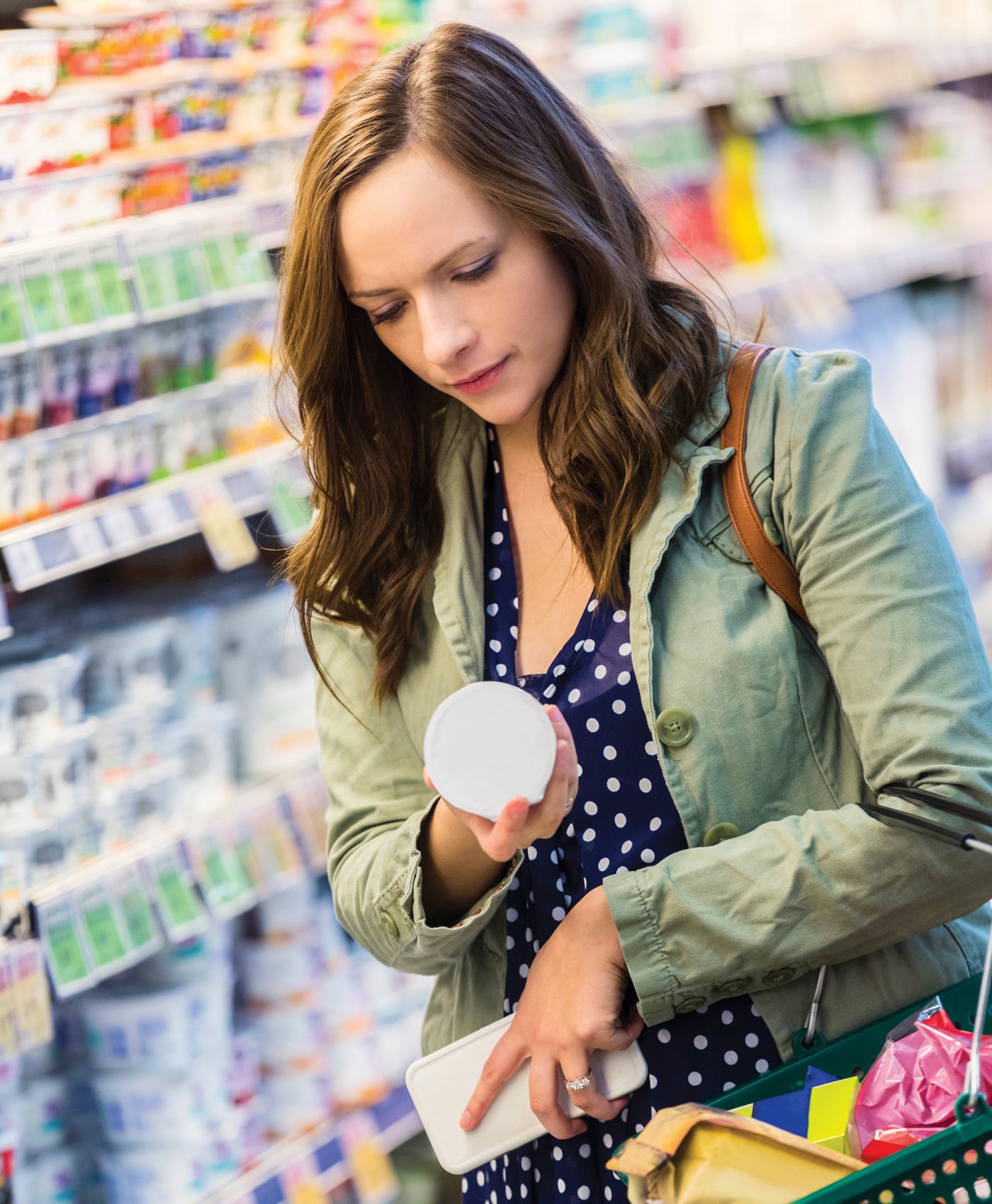
To make truly informed dietary choices, it is important to move beyond front-of-package claims and critically assess the full nutritional profile. This includes examining serving sizes, total sugars, fat content, sodium levels, and the overall ingredient list. A product labeled “fortified with antioxidants,” for instance, might still contain excessive added sugars or unhealthy fats. Additionally, consumers should be aware that the presence of a beneficial compound does not guarantee meaningful health effects, especially if included only in minimal amounts. Educating individuals to understand nutrient values in the context of daily requirements and to question the actual efficacy of functional claims is essential. By cultivating this awareness, people can navigate health-driven marketing with greater confidence and make choices that genuinely support their well-being.
Future Trends
The future of bioactive-driven foods is poised to align closely with cutting-edge science and evolving consumer values. One major trend on the horizon is personalized nutrition, where bioactive compounds are tailored to individual genetic, metabolic, and lifestyle profiles. This approach promises to maximize efficacy and reduce the one-size-fits-all model of functional foods. Additionally, the rising interest in microbiome-targeted foods, those that support gut health through prebiotics, probiotics, and postbiotics, is driving the next wave of innovation. Meanwhile, sustainability-oriented bioactives derived from upcycled agricultural waste or sustainably sourced natural ingredients reflect a growing commitment to planetary health alongside human well-being.
Despite these exciting developments, it is essential to strike a balance between hype and health. Not all products touted as “bioactive-rich” are created equal, and more research is needed to validate health claims in real-life dietary contexts. Consumers, researchers, and industry leaders must collaborate to promote transparency, evidence-based formulations, and responsible marketing. In doing so, the food industry can deliver on its promise of nourishing both people and the planet without falling into the trap of exaggerated claims or fleeting trendsft
Hero Image: © syolacan/E+/Getty Images
Authors
-
Subajiny Sivakanthan PhD
is a senior lecturer in food science with an emphasis on lipids research at University of Jaffna, Sri Lanka. She holds a joint PhD from Queensland University of Technology, Queensland, Australia and the University of Peradeniya, Sri Lanka (ssubajiny@univ.jfn.ac.lk).
Categories
-
Food Business Trends
-
Food Health Nutrition
-
Food Product Development
-
Innovation and Insights
-
New Product Development
-
Applied Science
-
Food Technology Magazine


