
Plant Protein Powers Up

Once a substitute, now a star, plant-based protein ingredients are powering a multibillion-dollar global market. Even as sales have declined slightly in the $8.1 billion market for U.S. retail plant-based foods, according to SPINS data, the global hunger for plant-based protein ingredients in both vegetarian and non-vegetarian products continues to grow. With a projected compound annual growth rate of 8.5%, the worldwide $20.3 billion plant-based protein ingredients market will hit $46 billion by 2035, reports Future Market Insights, dominated by soy, pea, and wheat protein.
Isolates account for more than 40% of market share, and pea and soy isolates in sports nutrition and ready-to-drink beverages are driving growth in the U.S. market. For wheat protein ingredients, Innova Market Insights identifies breads, cakes, pastries/sweet goods, and instant noodles as the top new product launches from 2020 to 2024.
The variety of protein ingredients powering plant-based food and beverage products continues to expand, says Lu Ann Williams, global insights director at Innova Market Insights. “Suppliers are exploring more diverse protein sources, including different pulses and seeds,” says Williams. “Flaxseed and lentil are on the watch list, while fava bean and vegetable proteins are trending.”
“[Fava] beans are an emerging growth opportunity, as they boast neutral taste, light color, and high protein content,” agrees Nikhita Mansukhani Kogar, principal scientist, plant-based meat, for the Good Food Institute. “We have seen several initiatives to expand [fava] bean protein isolate lines as a result.” Burcon’s FavaPro launched in August 2025, and new isolates from Roquette, Bunge, and Wide Open Agriculture debuted in 2024.
Innovative advanced food technologies also are opening new possibilities for plant-based protein ingredients, adds Antje Räuscher, who heads the ProVeg Incubator for alt-protein startups. “Technologies like AI [artificial intelligence], precision processing, and enzymatic treatment are helping companies extract proteins [and other ingredients] from byproducts like spent grain, fruit pulp, or vegetable peels,” says Räuscher.
Plant-Based Protein Ingredients Glossary
Fava bean—round or oval flattened green bean with tough, clear coat; also broad bean, faba bean
Pea protein—protein extracted from yellow split peas, which have a high protein content and mild flavor
Protein concentrate—protein refined to contain approximately 70% to 85% protein by weight, usually in powdered form
Protein hydrolysate—mix of oligopeptides, peptides, and free amino acids produced by hydrolysis of a protein
Protein isolate—protein refined to contain approximately 90% or more protein by weight
Rubisco—ribulose 5-bisphosphate carboxylase/oxygenase, an enzyme stored in all green leaves of plants
Seitan—food product made from wheat gluten that mimics the look and texture of meat; also wheat meat, gluten
Soy protein—protein isolated from dehulled, defatted soybean meal
Tempeh—soybeans fermented into cake form
Textured vegetable protein (TVP)—defatted soy flour product produced from protein-rich seed meal
Tofu—coagulated soy milk curds pressed into white blocks of varying softness
Wheat protein—water-insoluble complex protein fraction separated from wheat or wheat flour
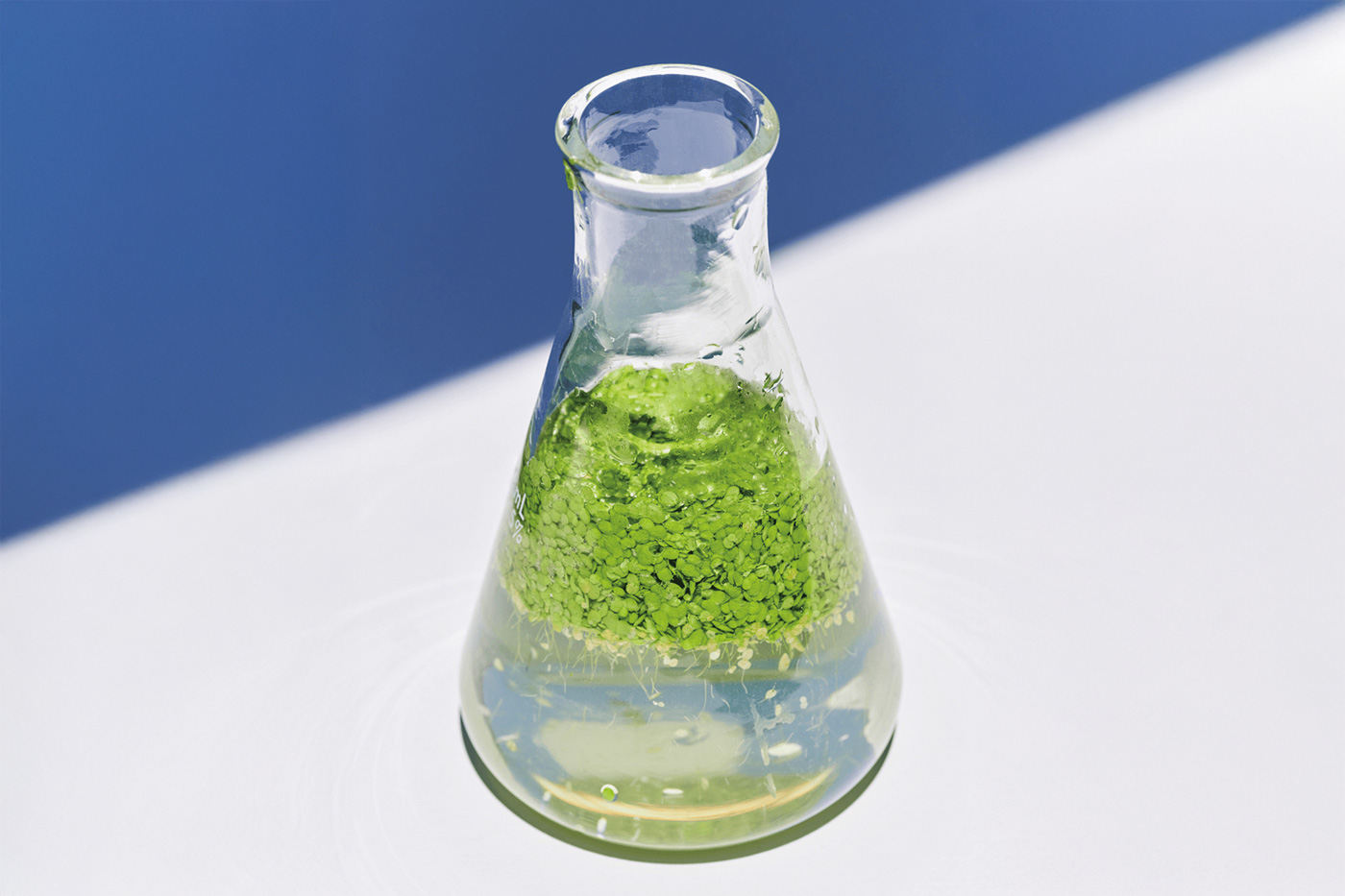
A New Leaf
An enzyme stored in every green leaf on Earth, rubisco (ribulose 5-bisphosphate carboxylase/oxygenase) is a plant-based protein ingredient with limitless potential, say its supporters. Most commonly grown commercially in alfalfa and kale, rubisco is on the rise:
New Zealand-based Leaft Foods recently patented technology enabling it to extract rubisco in large quantities.
Israeli startup Day 8 is planning a U.S. launch of its rubisco protein powder made mainly from banana leaf waste within a few years.
California’s Plantible Foods is working to scale up production of Rubi Protein from duckweed (Lemna), a freshwater aquatic plant, after partnering with ICL Food Specialties last year to produce a binding solution for vegan meat and seafood formulations.
To Learn More
To view the full article with infographics, please download the pdf or view in the November 2025 issue of Food Technology's Digital Edition.
Hero Image: © Smederevac/iStock/Getty Images Plus
Authors
-
Elizabeth Brewster Writer
Elizabeth Brewster is a freelance writer based in Evanston, Ill. (lib500@comcast.net).
Categories
-
Food Product Development
-
Proteins
-
Food Technology Magazine
-
Plant Based
-
Vegetarian
-
Applied Science


