
Heat-Resistant Potato Crop; Proposed Climate Tax, and More

AGRICULTURE
© NSA Digital Archive/Getty Images; © DonNichols/Getty Images
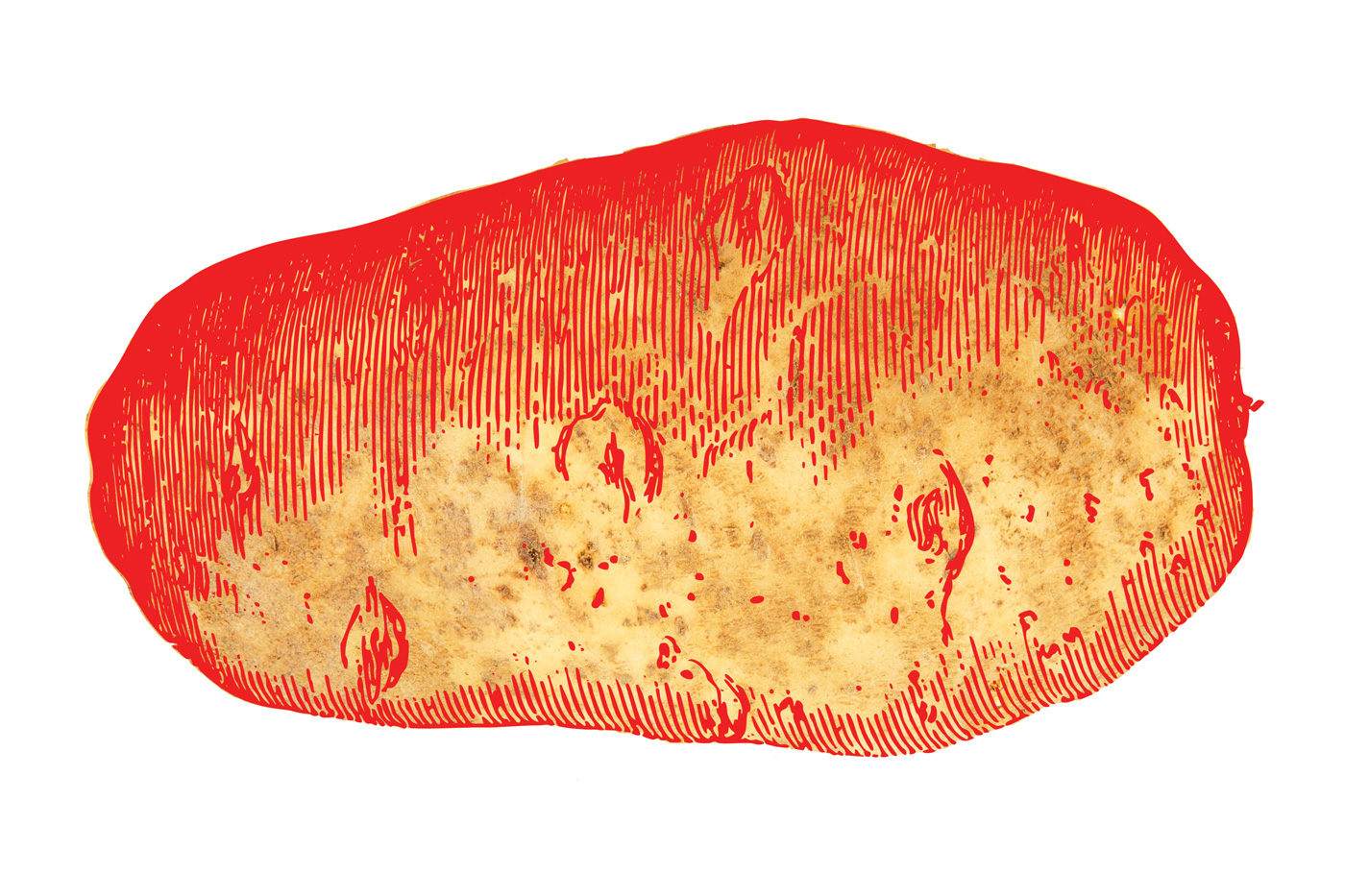
Tenacious tubers thrive in high heat
A research team from the University of Illinois at Urbana-Champaign has genetically modified potatoes to be more resilient to global warming. Published in Global Change Biology in December 2024, an article on the team’s field trials describes a 30% increase in tuber mass under high-heat conditions.
“We need to produce crops that can withstand more frequent and intense heat wave events if we are going to meet the population’s need for food in regions most at risk from reduced yields due to global warming,” said Katherine Meacham-Hensold, the university’s scientific project manager for Realizing Increased Photosynthetic Efficiency (RIPE), in a news article on the university’s website. An international research initiative funded by the Bill and Melinda Gates Foundation, RIPE aims to improve the efficiency of crop photosynthesis to help address world hunger, which is being exacerbated by climate change.
Photorespiration is an inefficient, energy-wasting aspect of plant metabolism that occurs when RuBisCO (Ribulose-1,5-bisphosphate carboxylase/oxygenase)—a key enzyme in photosynthesis that normally catalyzes the conversion of carbon dioxide into glucose and other energy-rich molecules—reacts with oxygen instead and produces glycolate. Under ideal conditions, the production of this toxin occurs approximately 25% of the time, but it happens more frequently in high temperatures. Photorespiration “takes away from food production as energy is diverted to metabolizing the toxin,” explained Meacham-Hensold, who holds a doctorate in plant sciences from Australian National University and the Commonwealth Scientific and Industrial Research Organisation. “Our goal was to reduce the amount of wasted energy by bypassing the plant’s original photorespiratory pathway.”
RIPE team members had previously demonstrated that the addition of two new genes (coding for glycolate dehydrogenase and malate synthase) into a model plant’s genetic network enabled leaf chloroplasts (the compartments responsible for photosynthesis) to metabolize glycolate efficiently, saving energy that the plant would use for growth. The recent study led by Meacham-Hensold focused on potatoes, the most important non-grain food crop globally. Over two growing seasons—including one in which temperatures rose above 95°F for four straight days, surpassing 100°F twice, and then approached 100°F again after a short reprieve—the “chloroplast-localized synthetic glycolate metabolic pathway” (known as AP3) in the potatoes enhanced tuber biomass without compromising quality.
Penalties proposed for high-carbon agricultural products
An article by the Potsdam Institute for Climate Impact Research, published in the January 2025 issue of Food Policy, contends that a climate tax on greenhouse gas (GHG)–intensive food products would be an effective way to reduce agriculture’s carbon footprint. However, the researchers acknowledge that such a tax would be regressive (having more impact on individuals who spend a greater share of their income on food), so measures to offset resulting inequities would be necessary. Calculating that more than €8.2 billion could potentially be raised annually from the tax, the researchers propose redistributing the revenue to lower-income households to ease their financial burden from the resulting higher prices.
The purpose of the climate tax—the rate varying by each agricultural product’s carbon dioxide–equivalent (CO2e) emissions—would be to encourage sustainable consumption, according to the research institute, which advises but is not part of the German government. Agriculture is responsible for 8% of Germany’s GHG emissions. The study’s authors conclude that emissions in this sector could be reduced by 22.5% (or more than 15 million tons of GHG emissions annually) if the “social cost of carbon” were reflected in food prices.
Through complex mathematical calculations, the researchers devised sample pricing schemes that identify what they consider to be appropriate relative CO2e taxes for each of the following products, listed here in descending order of GHG emission intensity: beef, sheep and goat meat, butter, cheese, pork, cream, poultry, eggs, yogurt, and milk.
Under the researchers’ highest-revenue-generating taxation plan, beef, for example, would be taxed at €4.36 per kilogram, while butter would be taxed at €2.45 per kilogram and yogurt at €.26 per kilogram. The authors also developed detailed consumer demand models showing that German households would tend to buy food that is less carbon intensive if a climate tax were imposed.
COMMUNITY
Remembering Richard Benson
Richard Benson, a longtime treasurer and dedicated member of the British Section of IFT, passed away on November 14, 2024. Managing director of ingredient supplier F.R. Benson & Partners, he was honored by IFT as an Outstanding Volunteer for the British Section on multiple occasions.
DIET & NUTRITION
© Diana Taliun/Getty Images
Neolithic nourishment
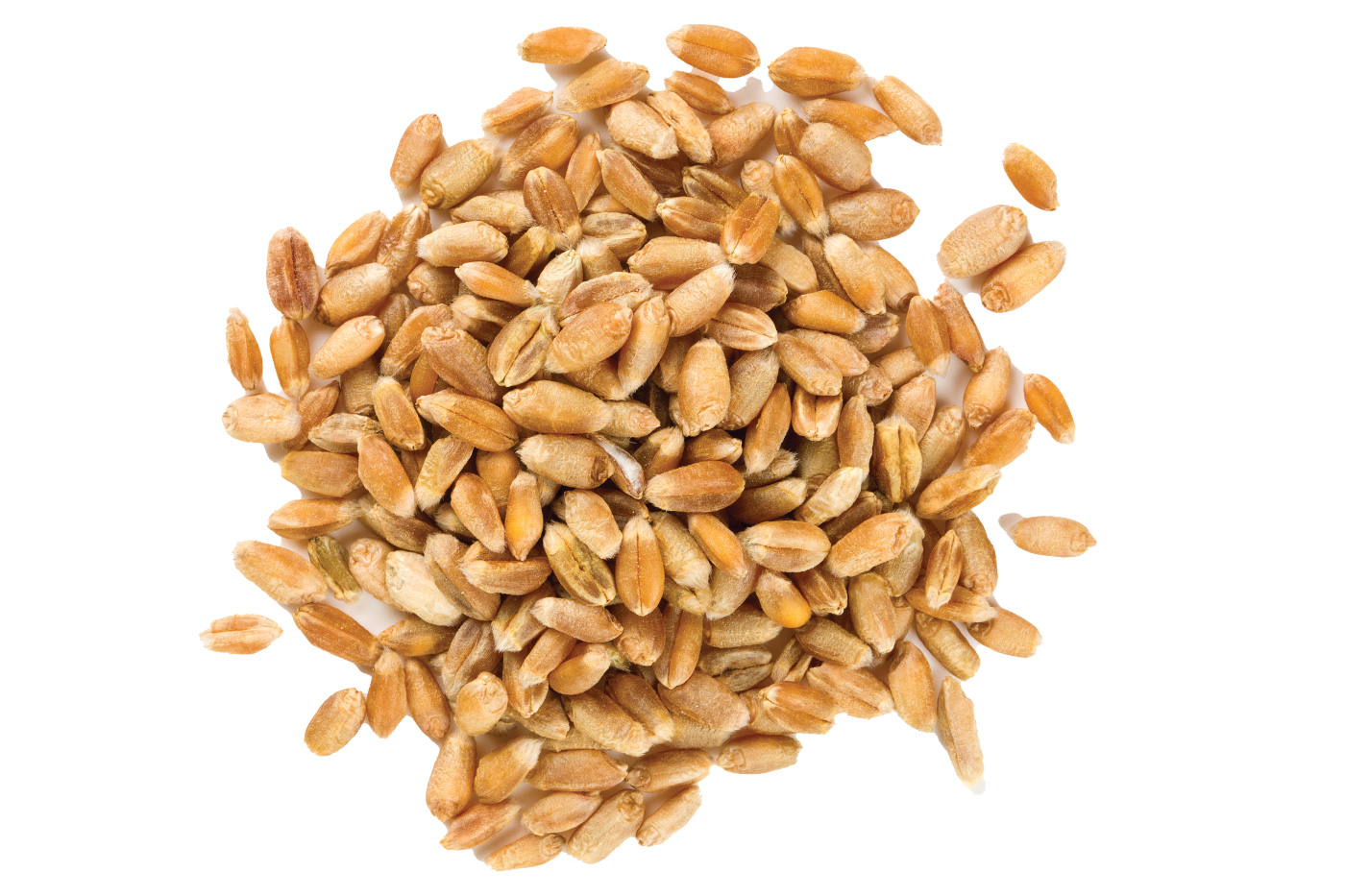
The diet of Neolithic farmers in Scandinavia likely consisted of gruel and water (calling to mind the early 19th century workhouse meals of the Charles Dickens’ character Oliver Twist). Archaeologists excavating the remains of a settlement on the Danish island of Funen that dates back 5,500 years came to this conclusion after analyzing grinding stones and grains from early cereals.
Published in the December 2024 issue of Vegetation History and Archaeobotany, the study analyzing this early Neolithic Funnel Beaker Culture dispels a previous hypothesis that those prehistoric farmers made unleavened bread.
© peeterv/E+/Getty Images
One for the road
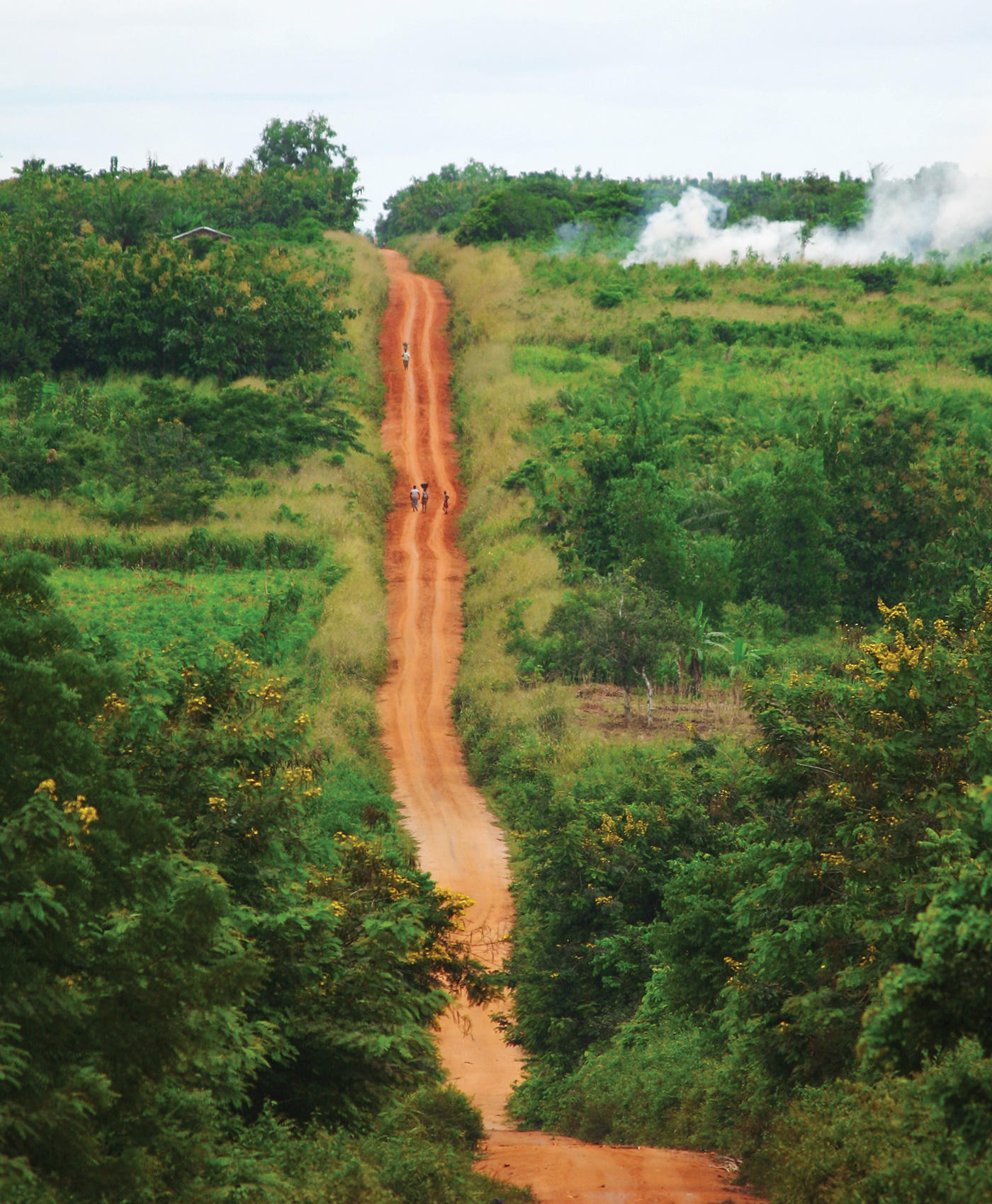
Historically, scientists have championed crop diversity among small farmers as a way to reduce hunger and malnutrition in low- and middle-income countries. The thinking has been that local access to a variety of foods would enable community members to have a balanced diet. A new study by researchers at the University of Bonn in Germany questions this assumption, however.
Published in Nature Food, the article notes that greater crop diversity in local farmers’ fields had only a minor impact on the diets of populations in six African countries: Ethiopia, Malawi, Niger, Nigeria, Tanzania, and Uganda. The availability of good roads, facilitating access to regional food markets, has a more profound positive effect on dietary diversity and nutrition, the authors conclude.
HEALTH
© hh5800/Getty Images
Rice Rx
Researchers in Japan have genetically manipulated Kitaake rice to help combat the country’s prevalent form of “hay fever,” caused by an allergic reaction to cedar pollen. Conducted by the National Agriculture and Food Research Organization (NARO), the research project has been underway for more than 20 years but is now “finally progressing toward clinical application,” reports The Asahi Shimbun, one of Japan’s leading daily newspapers. The research “builds on the idea that instead of causing further distress, regularly consuming rice with a small number of allergens that cause hay fever would reduce sensitivity to it over time and suppress allergy symptoms,” states the article, which was published on Jan. 1, 2025. Some challenges remain, however, related to consistency in yield and allergen concentrations. It could still be several years before this rice-based allergen immunotherapy becomes available.
RESEARCH
© Clara Bastian/Getty Images
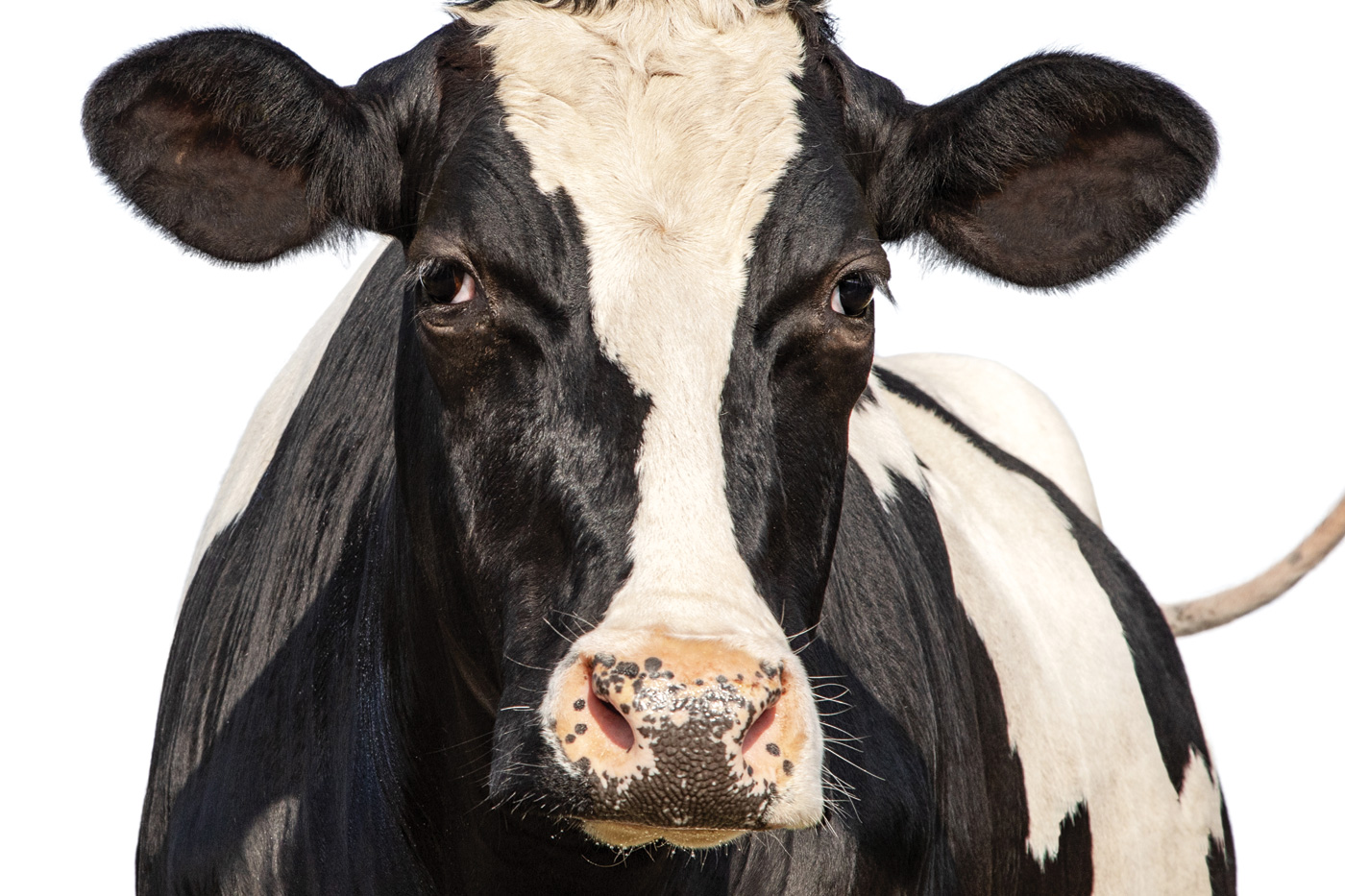
Bovine brain trust
Funded by a four-year, $1.15 million grant from the U.S. Department of Agriculture’s National Institute of Food and Agriculture (NIFA), a multi-institutional research project is underway to test self-learning dairy technology to personalize and, if all goes well, optimize the feeding of dairy cows. As reported on the website of the University of Idaho, the university’s College of Agricultural and Life Sciences is participating in the project, which combines automatic feed dispensers with existing automatic milking systems.
A cloud-based, data-driven electronic monitoring system enables the following scenario: When a cow, under its own volition, enters a stall outfitted with a robotic milker, food pellets are automatically dispensed. (This food supplements the cow’s normal rations delivered at the dairy feed bunk.) The automation technology adjusts the dispensing of the food pellets “based on nutritional models, herd management software data, feeding software data, and records from the robotic milking system about milk production and milk components,” states the University of Idaho news article.
Normally, dairy cattle are given feed rations based on the needs of an average cow. This is inefficient and costly, according to Izabelle Teixeira, an assistant professor and University of Idaho Extension dairy specialist involved in the research project. She uses the analogy of giving everyone in a large group of adults a medium-sized shirt. The shirts will fit approximately one-third of the group members but will be either too small or too large for about two-thirds of them. Likewise, giving dairy cows the same rations means that some are underfed at the expense of milk production, while others are overfed, which results in excess feed costs and higher nitrogen levels in dairy waste. “Our expectation is [that] feeding each cow in a proper way is going to save money, help the environment, and boost production,” Teixeira said in the article.
The self-learning feeding technology will be tested at four commercial dairies. Other research partners include Virginia Tech University, the University of Nebraska, Colorado State University, the University of Tennessee, and Emory University.
SAFETY AND QUALITY
© Svetlozar Hristov/Getty Images
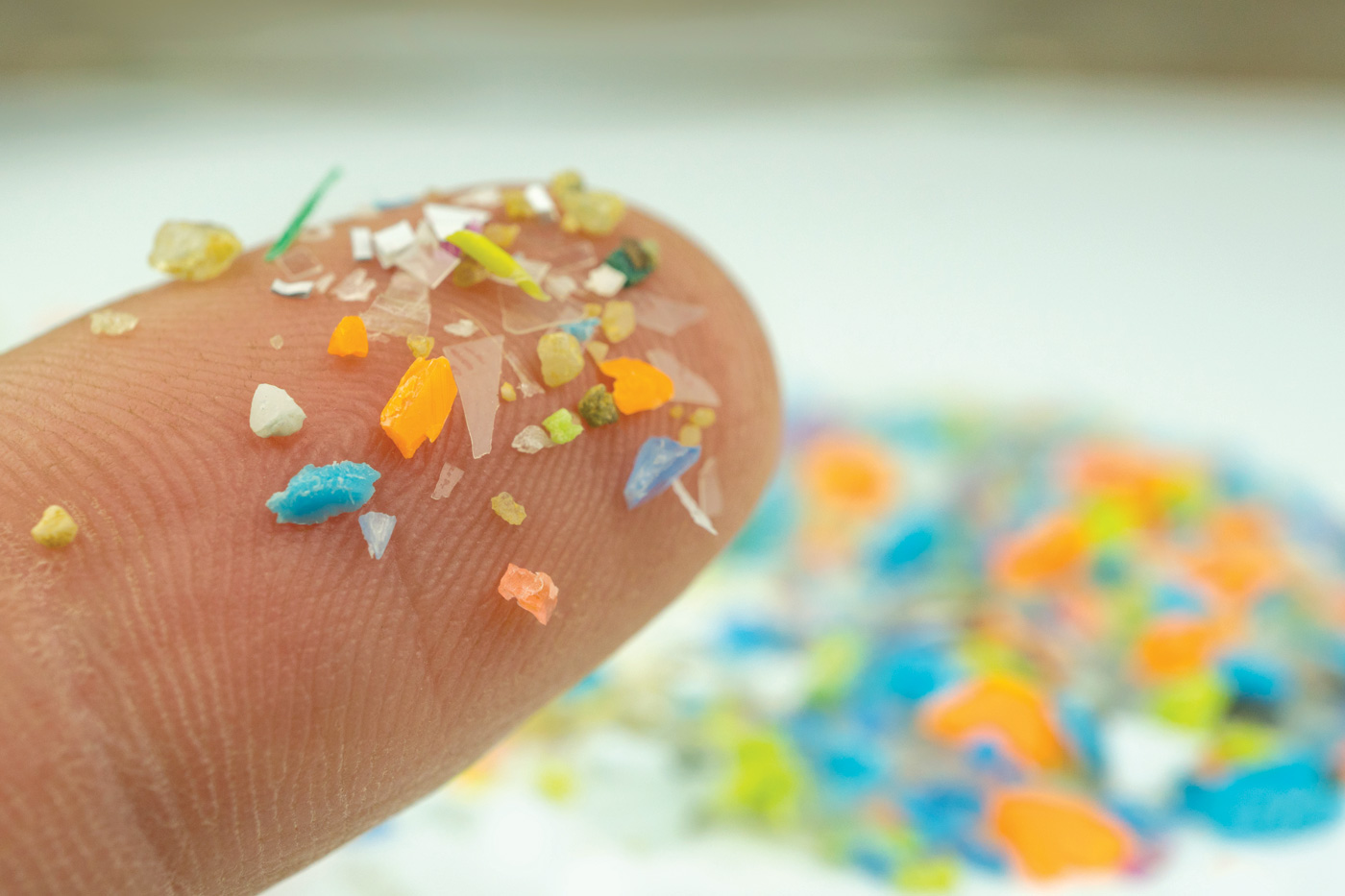
Steeped in nanoplastics
A study published in Chemosphere raises concerns about the amount of environmental micro/nanoplastics in teabags. Researchers from Spain, Egypt, and Germany analyzed three different types of commercial teabags: those made from polypropylene, nylon 6, or cellulose. They found that a single teabag can release anywhere from 8 million to 1.2 billion nanoplastic particles, with polypropylene teabags being the leading culprit.
“Our findings contribute to a growing body of evidence on the pervasive nature of plastic pollution and its potential implications for human health,” state the authors.
TECHNOLOGY

© SAM Designs/iStock/Getty Images
App for authentication
Consumers today are increasingly concerned about the authenticity of food product labeling but have no affordable way to assess authenticity (including provenance, absence of adulteration, and nutritional and free-from claims) in the products they buy. Instead, consumers rely on their five senses to evaluate food quality based on such properties as color, texture, and taste—a subjective and unreliable way to gauge the honesty and accuracy of product claims. A study published in Food Chemistry on Jan. 1, 2025, introduces a potential smartphone visual imaging (SVI) app aimed at consumers that combines the hyperspectral imaging of food samples with artificial intelligence–driven neural network analysis and classification.
“When coupled with neural networks, SVI enables the classification of heterogeneous samples, the spatial representation of analyte concentrations, and the reconstruction of hyperspectral images from smartphone videos,” state the study’s authors, who are from Hainan University in Haikou, China, and Queen’s University Belfast in the United Kingdom.ft
In Memoriam
IFT notes the passing of Arlene S. Kobos, Daniel T. Maurer, and Joan R. Rothenberg.Hero Image: © NSA Digital Archive/Getty Images; © DonNichols/Getty Images
Authors
-
Carolyn Schierhorn
Categories
-
Food Health Nutrition
-
Sustainability
-
Food Safety and Defense
-
Omnivore
-
Food Technology Magazine


