
Outlook 2026: Flavor Trends

-
Flavor Mashups
Swicy mashups, savory–sweet pairings, and sour notes fuel innovation.
-
Culinary Authenticity
Authentic global cuisines replace broad, Americanized versions.
-
Functional Botanicals
Botanicals, adaptogens, and fermented ingredients link flavor with wellness.
-
Modern Nostalgia
Nostalgic favorites return with modern twists for reassurance and fun.
Delicious food and drink have always evoked joy, but in 2026, consumers will actively choose flavors with joy as the end goal. London-based food futurologist Morgaine Gaye sees joy-seeking taking center stage in 2026 and driving (among other things) food and beverage choices. “We’re going to be looking for those little moments of joy ... because things are so challenging.”
Consumers will pursue resiliency through eating and drinking, favoring products that nourish the body and ease the mind, says Jennifer Zhou, global senior director, product marketing, flavors, and citrus at ADM. “From comforting classics to bold, boundary-pushing flavors, we foresee a deep desire for emotional balance, sensory joy, and nostalgic connection.”
This may sound familiar, but today’s trends are an evolution of themes that have been building since the pandemic. “In reality, everything is going a step or two further to create a next-level experience that defines each trend in its own right,” says Jennefer Lyons, senior marketing manager, Sensient Flavors and Extracts.
No Limits
Gen Z is driving a growing appetite for adventurous flavors, mashups, and textures.
Take Dubai chocolate. Since going viral two years ago, retailers and chocolatiers have been quick to introduce their own take on the pistachio-tahini cream and crunchy kataifi (shredded phyllo dough)–filled chocolate bar.
“We saw it … at the Summer Fancy Food Show, and numerous products featured the flavor combination at the Sweets & Snacks Expo, and now it’s moving into coffee and baked goods,” says Mike Kostyo, vice president at Menu Matters. Just don’t expect it to stick around. “It’s a great example of a flavor trend that we’re going to chew up and spit out as an industry very quickly,” Kostyo adds.
“Its meteoric rise and inevitable fall is one of the biggest issues with chasing viral trends. Everyone will follow, creating a troublesome sameness across retail and foodservice,” agrees Kostyo’s partner at Menu Matters, President Maeve Webster.
Even short-lived fads serve as indicators that consumers crave joy and escape through imaginative and unexpected flavor combinations, playful sensory experiences, and products that provide “small moments of delight,” says Zhou. A shift toward more experiential eating, where taste, texture, and color come together to offer novelty and stimulation will include fermented flavors, regional pepper varietals, and smoked and savory notes, she adds.
Savory elements are moving into traditionally sweet applications. “Think black pepper in a jam, rosemary in a cookie, sumac in a lemonade, or fish sauce in a caramel,” says Ali Bouzari, culinary scientist and cofounder at Pilot R&D. Lyons points to savory surprises in cocktails, such as a charred carrot curry mule or pickled beet negroni.
Savory–sweet mixes like honey miso or basil lime, plus experimentation with balsamic vinegar and cheese, are likely to become prominent trends, says Tim Philpott, vice president of marketing, Graeter’s Ice Cream.
Think black pepper in a jam, rosemary in a cookie, sumac in a lemonade, or fish sauce in a caramel.

The “swicy” (sweet + spicy) trend continues, now with layered profiles. Shannon O’Shields, vice president of marketing at Rubix Foods, reports growing demand for “fruit-forward heat”—tropical and citrus fruits like mango, guava, dragon fruit, pineapple, and yuzu combined with the complex heat from jalapeno, habanero, and chipotle.
Rob Corliss, chef and owner of culinary consultancy ATE (All Things Epicurean), adds that date and sorghum syrups, marmalades, pomegranate molasses, and bold honey varieties like buckwheat are adding more complex sweetness, while future-forward heating elements like harissa, gochujang, Calabrian chile, and Aleppo chile take swicy to the next level.
Reimagining flavors will continue into 2026, says Kevan Vetter, executive chef at McCormick & Co. Maple, for instance, has moved beyond the breakfast realm into the savory and spicy world, in marinades, protein rubs and glazes, wing sauces, and seasonings, he says. Culinary examples include Maple Jalapeño Chili Crisp, Maple Tahini Dressing, and Spicy Soy Maple Soup Dumplings.
Swicy pairings like ice cream sundaes topped with chili crisps, mango iced tea with chili-lime boba, and hot honey on pizza, are skyrocketing in popularity, according to food product developer Griffith Foods.
Spicy dill pickle is the newest version of the vinegar-forward trend, says Jessica Goldstein, vice president of Nu Products Seasoning Co. (also doing business as NuSpice). She adds that sour and fermented flavors are gaining ground for their punch and probiotic benefits as well.
“Gen Z’s obsession with pickle flavor has officially become a cultural phenomenon,” and is driving “explosive” innovation, agrees O’Shields. “We’re seeing pickle ranch, spicy dill-dusted chips and popcorn, pickle-flavored nuts, and even briny beverages popping up throughout the store.”
Some of the more interesting flavor trends are happening around unique sources of acid or sour flavors, says Kostyo. “We’ve seen options like sudachi, calamansi, verjus, sumac, mango pickle, and unique vinegars trending from cuisines around the world, taking dishes and products to the next level. You see them used to cut through rich foods, added to nonalcoholic beverages to make them interesting and unique, and used in really bold ways to create acid bombs that appeal to younger consumers.”

No Boundaries
Global flavors remain strong, but specificity matters, says Sensient’s Lyons. “It’s not simply tastes of Southeast Asia—it’s Filipino, Laotian, or Thai flavors. It’s not just Latin—it’s Peruvian. And flavors from North Africa, like Moroccan foods and spices, are coming to the forefront. Americanized versions are fading away and are being replaced by more authentic styles.”
Pandan and sudachi are Asian flavors poised to gain traction in the United States, observes Mark Webster, vice president, sales and marketing for T. Hasegawa USA. Resembling a palm with bright green leaves, pandan produces a sweet floral flavor, offers visual appeal, and is used in desserts, drinks, and savory dishes. Sudachi, a Japanese citrus fruit popular throughout Asia for its bright acidity, tart taste, and zesty aroma, is used in alcoholic drinks, teas, juices, snacks, ice cream, and dressings.
Middle Eastern flavors are gaining significant traction and may soon rival Asian cuisines in influence, says Webster of Menu Matters. “Za’atar is proliferating at a strong pace and other spices and spice blends including sumac, baharat, and berbere are growing,” she notes. Condiments like zhug and spreads like muhamarra, baba ghanoush, and labneh are also moving into the mainstream.
Building on the momentum of swicy and other bold flavor mashups, Middle Eastern and North African cuisines offer a natural model: sweetness integrated into savory dishes. “We will definitely see sweet elements used to round out sour, bitter, salty, and umami flavors,” continues Webster. Pomegranate molasses, date syrup, dried and fresh fruits, citrus, and honey not only contribute sweetness but also add depth and complexity, demonstrating why these culinary traditions are resonating in global product development.
It’s not simply tastes of Southeast Asia—it’s Filipino, Laotian, or Thai flavors. It’s not just Latin—it’s Peruvian.

Get ready for more flavor mashups that combine spice with umami and tangy ingredients commonly found in Latin and Asian cuisines, says Phil Saneski, executive chef at The Good Eating Co. Spiced oils like salsa macha and Sichuan chili crisp are increasing in popularity, while chipotle and gochujang are being used across several product categories with great success, he adds.
“We will see more hot sauces with tangy ingredients like yuzu and tamarind, as well as umami-rich ingredients like miso and black garlic,” Saneski predicts. Some of the world’s top fine-dining restaurants are incorporating flavor progressions found in both cuisines, “which is always a strong indication of what we will subsequently see in our grocery store aisles and on restaurant menus,” he adds. “Various new restaurant openings have already had popular dishes like pollo guisado (Dominican-inspired chicken marinated in a guava, chili, and miso barbecue sauce), lomo saltado (Peruvian beef braised in a soy sauce and ginger base with aji amarillo peppers), and Mexican birria ramen.”
New flavor discoveries that push boundaries and challenge and surprise consumer palates are becoming table stakes, says Corliss.
The continuation of cross-culture synergies in 2026 is best when blending two prominent food cultures within a popular consumer format, especially [when] infusing cooking techniques with sophisticated spices/sauces/flavors, Corliss adds. Examples include popular Vietnamese/Thai/Malaysian main dishes and beverages infused with Middle Eastern spices; traditional Mexican sauces, condiments, and queso infused with Indian spices and curries; trend-forward West African jollof rice infused with American Southern adaptations; or a West African suya spice blend used to flavor American Southern favorites like fried chicken, cornbread, shrimp and grits, and barbecued meats.
No Regrets
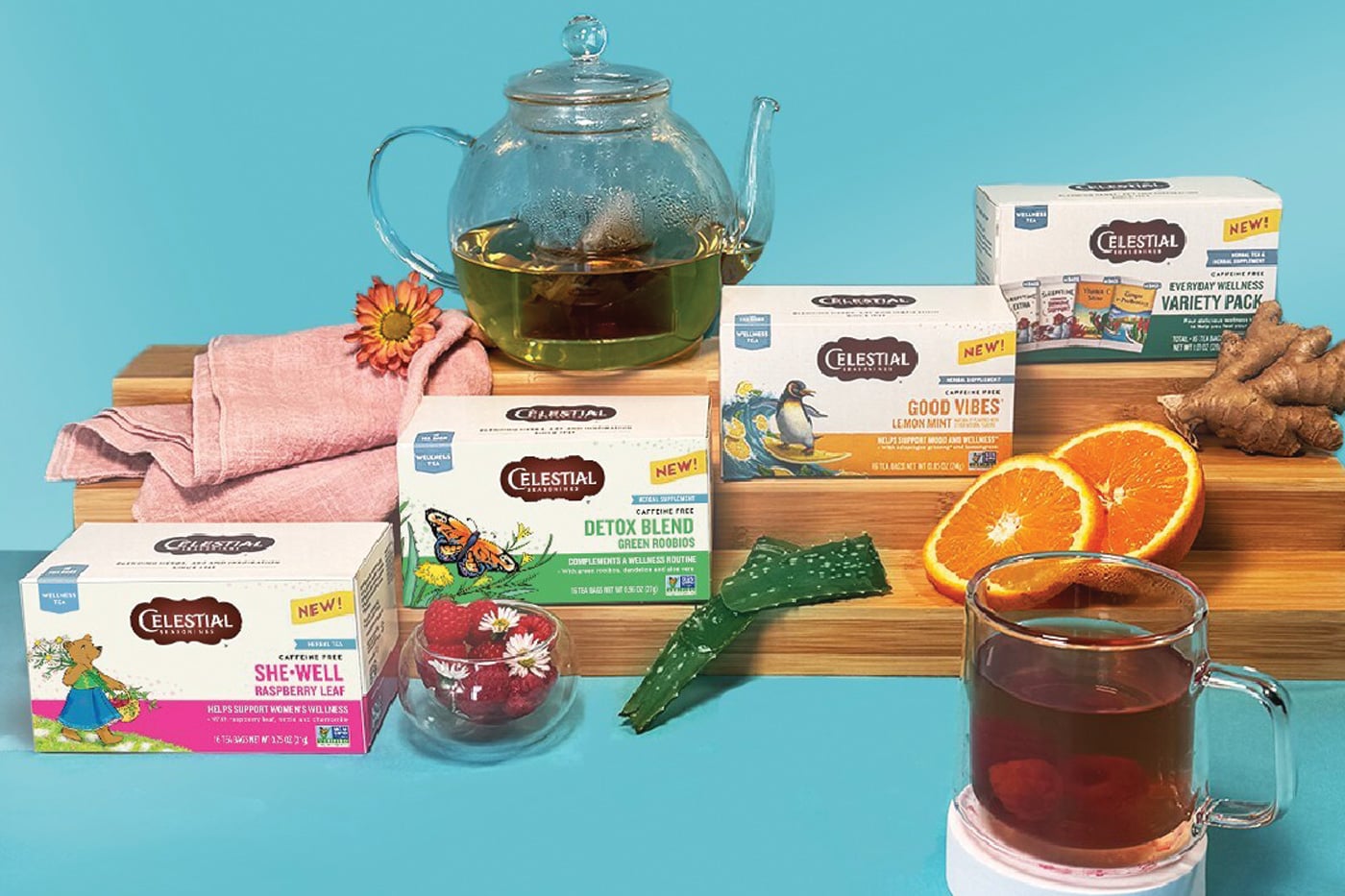
Health and wellness remain core drivers across food and beverage categories, but the definition has broadened beyond physical health to include emotional balance and mental resilience. Heightened interest in botanicals, adaptogens, and fermented ingredients is not only about unique flavors but also the wellness benefits they bring, “which is becoming a bigger part of how people choose what they eat and drink,” says Philip Caputo, marketing and consumer insights manager at Virginia Dare.
Flavors that signal comfort and care—bright citrus notes, creamy textures, and rich, brothy profiles—are also moving to the forefront, adds ADM’s Zhou, as consumers seek both nourishment and reassurance.
That pursuit of well-being is also fueling interest in botanicals. According to the most recent HealthFocus U.S. Trend Study, one in four snack buyers look for ingredients like ginger, rosemary, or hibiscus, and a similar share of beverage buyers value botanical additions, says Julie Johnson, president, HealthFocus International.
Younger consumers are helping accelerate the shift. Driven largely by Gen Z—67% of whom say they want more floral-infused foods and drinks, according to Rubix’s NEXT Flavor Report—floral notes such as lavender, rose, and elderflower are increasingly common across categories. “We can expect to see everything from floral-infused baking mixes to limited-edition teas, flavored waters, and creamy cold foams,” adds Rubix’s O’Shields.
Still, successfully incorporating these flavors requires finesse. Hibiscus, lavender, rosemary, and thyme are resonating most strongly in early-adopter categories such as beverages and ice cream, says Lyons. “The challenge with florals will be highlighting the positive flavors while masking the less favorable notes that sometimes tag along. We recommend lightly sprinkling in florals as a complementary rather than featured flavor.”
We foresee a deep desire for emotional balance, sensory joy, and nostalgic connection.

Beyond florals, attention is turning to medicinal culinary herbs that carry both nutrient density and distinctive flavor. “With more plant-forward and ‘food as medicine’ awareness among consumers, medicinal herbs that not only are packed with nutrients but also immense flavor will break away from being used just as additives in food and beverages to being front-and-center flavor,” says Rebecca Peizer, owner, All Things Culinary.
Examples such as tulsi (holy basil) and nettles in pestos, dandelion greens and mallow in savory pies and soups, and purslane in salads and smoothies illustrate how these herbs are poised to move from niche to mainstream.
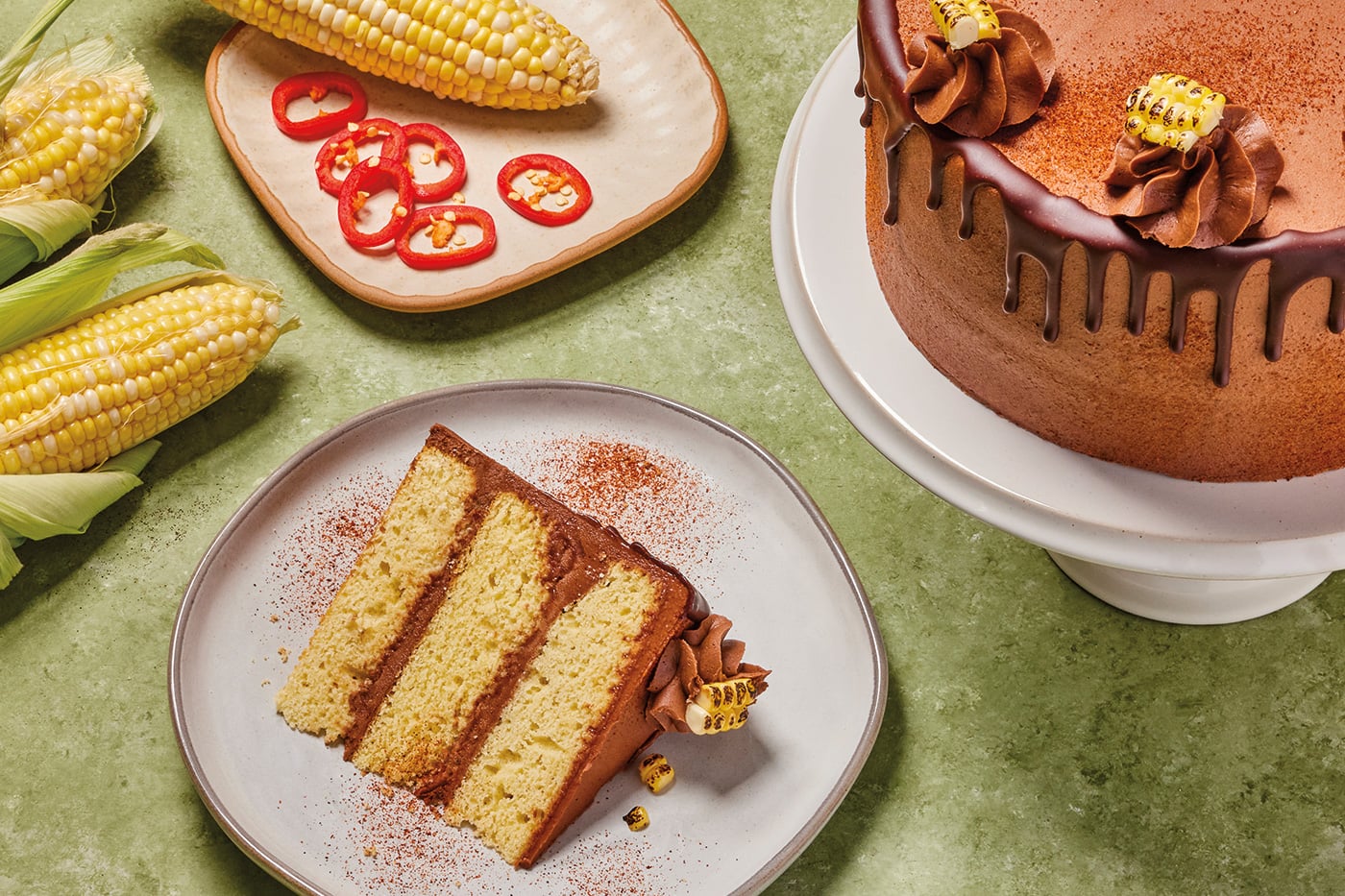
Vegetable-forward flavors are also gaining ground as part of this health-first mindset. Mark Webster of T. Hasegawa points to sweet corn as one to watch, noting its nutty, naturally sweet profile works across categories—from milk and tea to desserts, snacks, and even alcoholic beverages. Futurologist Gaye echoes the prediction: “Although the pistachio trend will continue, I think sweet corn will come into its own to be the flavor and ingredient of 2026. I’m seeing sweet corn ice cream, sweet corn chocolate, sweet corn cake with sweet corn filling. It’s a natural sweetener. Sweet corn is about to have a moment.”
Fermentation adds another layer to the wellness narrative. Trendologist Renee Lee Wege of Datassential highlights fermented black soybeans (douchi) as a rising flavor, noting they “add funky flavor and salt to anything from noodles (such as Korean jajangmyeon, aka black sauce noodles), to traditional Chinese spareribs.”
This aligns with consumers’ demand for functional foods that support gut health as well as their growing interest in regional and authentic global flavors. In fact, Datassential reports that 46% of consumers who have tried fermented foods say they love or like them.
Looking ahead, the wellness movement is becoming more complex as it intersects with neuroscience. As nootropics, adaptogens, and retronasal olfaction go mainstream, the rise of “neuroflavor”—flavor experiences designed to modulate mood, cognition, and emotional states—will be a defining trend of 2026, says Mindy Yang, CEO and cofounder of the World Taste & Smell Association. Products formulated for calm, clarity, energy, and emotional support will span categories from beverages and mints to tinctures, chocolates, and scent-integrated foods, she adds.
No Going Back
There’s no going back to plain comfort foods. Today’s nostalgia comes with a modern spin, offering familiar flavors presented in new, sophisticated ways. Bell Flavors & Fragrances has dubbed this longing “neostalgia,” a modern take on comfort foods. At this summer’s IFT FIRST: Annual Event and Expo, the company illustrated the idea with a reimagined TV dinner of “Unfried” Korean Chicken with Umami Bomb Butter, paired with Five-Spice Mashed Potatoes and Chicken Gravy—hardly what most families were eating in front of their black-and-white television sets.
This nostalgia-driven trend reflects a desire for familiar flavor profiles presented with a modern twist, says Adena Barber, innovation and marketing manager at Ocean Spray Ingredients. She cites fruit punch as a good example since most people grew up with some variation of it. “But now that consumers’ palates are a bit more sophisticated, new fruit flavors such as guava are being added and called out to give nostalgic products a bright new twist.”
Generational preferences add another layer of nuance, notes Kelli Heinz, vice president of marketing and industry affairs at Bell Flavors & Fragrances. Baby boomers tend to stick with the classics, while Gen Z embraces authenticity and the quirky charm of “faux-stalgia.”
Looking backwards gives us a sense of comfort and familiarity at a time when things seem so hard to navigate.

Across categories, brands are using cues like creamy dairy, vibrant sherbets, grape sodas, and reimagined retro snacks—think grilled cheese–flavored chips—to connect with consumers, says ADM’s Zhou. Few examples capture the trend more vividly than Rocket Pop, the tart-sweet frozen novelty made with cherry, lime (or lemon), and blue raspberry. “[Rocket Pop] is hitting home with millennial and Gen Z consumers for its nostalgia pump,” says NuSpice’s Goldstein, who points to its rapid expansion from Italian ice into mints, energy mixes, sodas, iced teas, and even alcoholic beverages.
Other limited-time offerings such as Orange Sherbet, Blueberry Lemonade, S’mores, and Cherry Pie are also helping brands deliver nostalgic comfort, adds Nancy McKearney, president of Bakehouse Bread Co.
Ultimately, nostalgia offers a sense of grounding in unsettled times. “It’s a challenging time of destabilization and uncertainty, so looking backwards gives us a sense of comfort and familiarity at a time when things seem so hard to navigate,” says futurologist Gaye. Nostalgia is just one piece of the broader flavor puzzle—balancing consumers’ desire for comfort with their appetite for discovery and growth.
As flavors evolve in 2026, their role goes beyond taste—offering comfort in uncertainty, signaling wellness and care, and sparking curiosity through bold new combinations. The opportunity lies in weaving these threads together so that food and beverage experiences feel both deeply familiar and refreshingly new. In doing so, flavor becomes a strategic driver of how consumers find resilience, well-being, and joy in the year ahead.ft
Hero Image: Photo courtesy of Benni Pops
Authors
-
Dana Cvetan
Dana Cvetan is a freelance writer based in Barrington, Ill. (danacvetan@gmail.com).
Categories
-
Food Business Trends
-
Consumer and Marketplace Trends
-
Flavors
-
Food Ingredients and Additives
-
Market Trends
-
Food Technology Magazine


