Outlook 2027: Flavor Trends
Roasted tea, fermented chili pastes, distinctive citrus, and unexpected textures are among the flavors and sensations industry experts predict will influence food and beverage innovation in 2027.
Key Takeaways
-
Develop layered heat with distinct chili varieties, fermented pastes, and sweet, smoky, or tangy pairings rather than relying on intensity alone.
-
Use roasted, nutty, and regionally specific ingredients to expand familiar flavor profiles and offer consumers new taste combinations.
-
Build products around the full sensory experience—taste, texture, aroma, and contrast—while managing off-notes in nutrition-forward formulations.
In a word, consumers are yearning for more. More depth, complexity, sensory excitement, and texture. More of what they haven’t yet discovered, and flavors that do more than simply mask off-notes in functional foods and beverages.
Many of the flavor trends expected to influence 2027 are already familiar, but they’re taking on new dimensions. Heat is becoming more nuanced, sweet flavors are gaining depth from roasted and savory notes, and texture is playing an increasingly important role in the eating experience.
“Every person wants the bold, exciting options that speak to them in particular. They don’t want to compromise,” says Mike Kostyo, vice president of Menu Matters. “Customers today want options that showcase process and artisanship. Aged, cultured, fermented foods, hand-pulled foods, house-cured foods, barrel-fermented foods—they all have a place.”
Feelings are flavors for 2027.

Consumers are also drawn to artisanal, premium products and “thoughtfully crafted flavors that go beyond the basics,” says Sydney Byrne, marketing manager for Sensient Flavors & Extracts. Preparation descriptors such as “fire-roasted” and “charred,” along with geographical identifiers such as “Madagascar” for vanilla, can make flavors feel more distinctive, she adds.
Emotional appeal will continue to shape flavor choices, too. Morgaine Gaye, a food futurologist and industry consultant, expects flavors to be marketed around soothing and calming feelings, particularly to younger consumers facing stress and uncertainty. “Feelings are flavors for 2027,” she says.
Years of economic uncertainty have brought about a deep consumer desire for experience and escapism, says Lu Ann Williams, president and cofounder of Innova Market Insights. Consumers are turning to food and drink for small moments of enjoyment, “and flavor is the easiest way to deliver that feeling,” she says.
The Evolution of Heat
Heat continues to show up in new and intriguing ways. Rather than simply getting hotter, spice is becoming more layered and nuanced, with smoky, fruity, and sweet-heat combinations that add excitement and complexity without overwhelming the palate, Williams observes.
Chili crisp—a spicy, crunchy condiment made with chili peppers, fried onions or garlic, and oil—could become the next hot honey, says Lizzy Bartlett, senior director of menu research and insights for Technomic. Ti-malice, a Haitian hot sauce made with fiery Scotch bonnet peppers, is finding momentum in various dishes, she adds. “Clearly, consumers are craving spice, as well as global innovations.”
Though the “swicy” (sweet and spicy) trend remains strong, it will become more sophisticated, says Paul Rockwell, corporate chef at Basic American Foods. “Consumers’ appetite for heat is not going away, but how that heat is delivered will matter more. Hot honey and spicy drizzle sauces, spoonable pepper-based condiments, and globally inspired chili pastes are just a few examples of how you can add layered flavor and help bring more adventurous heat into mainstream foods.”
Consumers’ appetite for heat is not going away, but how that heat is delivered will matter more.

Doubanjiang, a spicy, salty, savory fermented broad bean and chili pepper paste used in Sichuan cooking, could become the next gochujang, a Korean fermented chili paste, says Renee Lee Wege, trendologist and senior publications manager for Datassential. Doubanjiang is familiar to 24% of Gen Z U.S. consumers, according to Wege.
Hot flavors will continue becoming more specific, with individual chili varieties being called out not just as produce ingredients but as flavor elements in popular products, says Maeve Webster, president of Menu Matters. Think “ancho honey” rather than simply “hot honey.”
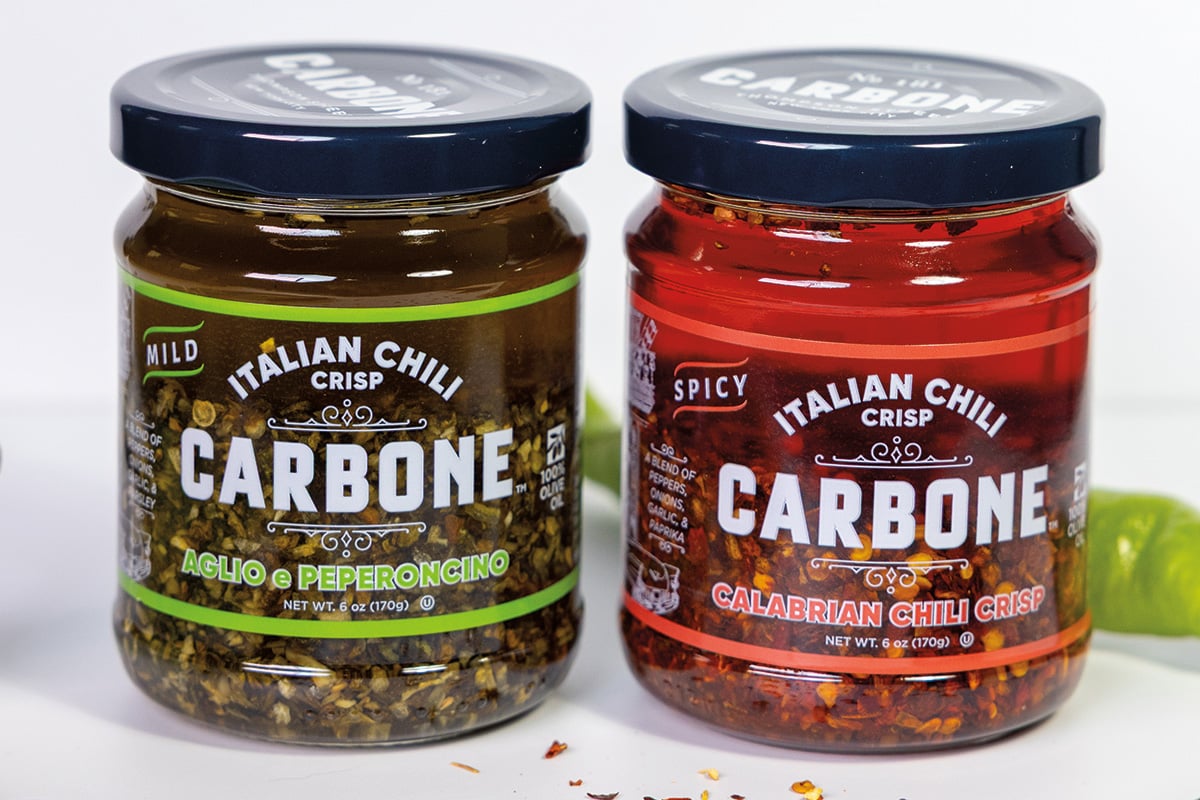
Carbone Fine Food’s Calabrian Chili Crisp and Aglio e Peperoncino put an Italian spin on chili crisp. Photo courtesy of Carbone Fine Food
“Flavor-forward heat is driven largely by a broadening array of chilis and spices, and varietal callouts appeal to consumers’ ongoing demand for whole ingredients and place-specific identifiers,” adds Webster.
Carbone Fine Food offered a recent example of this approach with its September introduction of Italian Chili Crisp. The company launched two varieties: Calabrian Chili Crisp, featuring Calabrian chili with red bell pepper, onion, and garlic, and a milder Aglio e Peperoncino version with green bell pepper, garlic, and parsley. Both bring an Italian interpretation to the increasingly popular condiment.
Nuanced Sweet Notes
Roasted, toasted, and nutty flavors are adding depth to sweet applications as consumers look beyond single-note sweetness. Hojicha (roasted Japanese green tea with mild, smoky, caramel-like notes), tahini, black sesame, malt, and barley are making inroads, says Webster. “While Americans continue to have a sweeter tooth than many other cultures, single-note sweet flavors are losing appeal.”
Gaye sees hojicha, with its warm flavor profile, becoming “the new matcha.” And look for hojicha to go beyond drinks and be used as a flavor in its own right, adds Bartlett.
Soft-serve ice cream parlor Kith Treats offered one example this summer with its limited-edition Hojicha Swirl. Introduced as part of a collection inspired by Japanese teas, the dessert combined hojicha-infused vanilla ice cream with Cocoa Pebbles and toffee, topped with more hojicha and roasted marshmallows.
Caramelized “burnt honey” is up 160% on menus over the past four years, reports Wege. Burnt honey “provides depth and complexity while delivering the perception of scratch cooking,” adds Jessica Goldstein, vice president of NuSpice.
And look for corn to crop up in sweet applications, Webster continues. “Corn is a unique sweet flavor and we’ll see it show up far more often in ice cream, butters, and baked goods. It’s another whole ingredient with vibrant flavor that pairs well with many more traditional sweet flavors but without the intense sugar flavor.”
Once a polarizing flavor, banana is poised to move beyond traditional banana bread and candy into more sophisticated combinations with matcha, coffee, caramel, coconut, berries, and tropical fruits, says Jasmin Masri, technical sales and marketing coordinator for Custom Flavors. “Its familiarity makes it approachable, while its versatility gives developers significant room to innovate.”
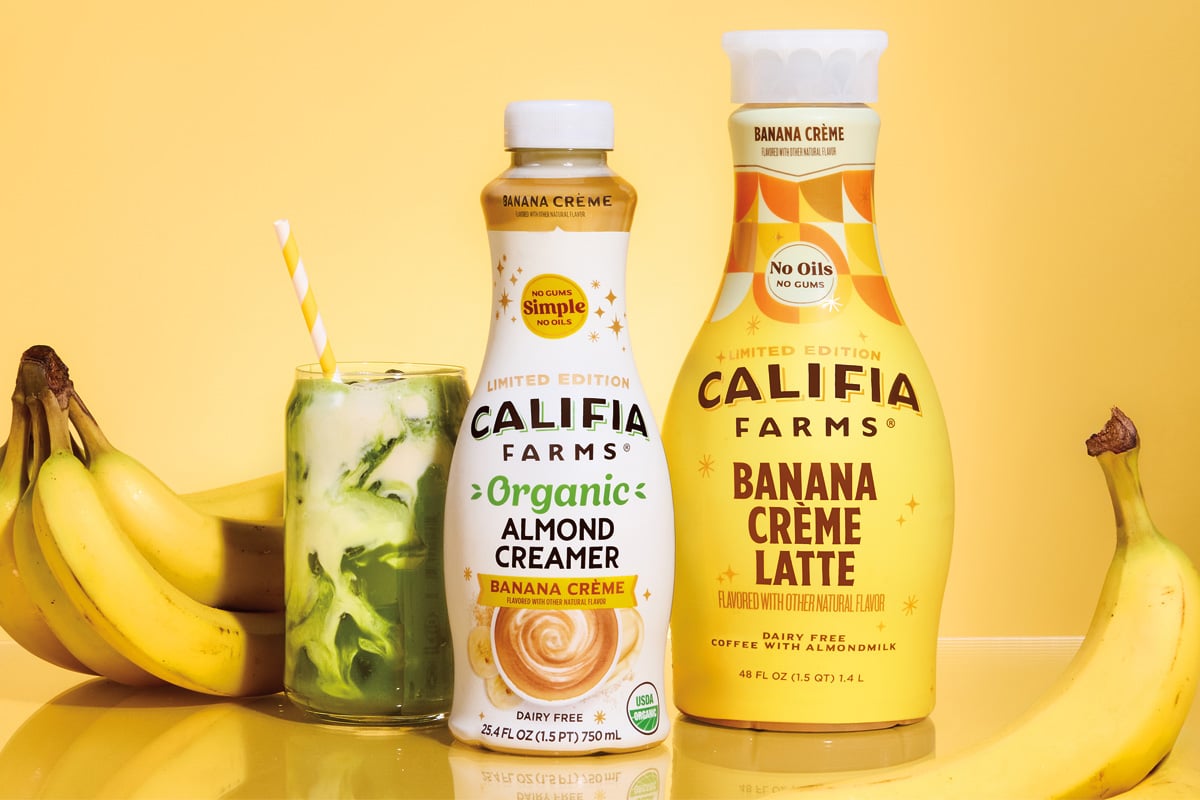
Califia Farms’ Banana Crème Almondmilk Latte and Banana Crème Almond Creamer bring banana flavor to coffee. Photo courtesy of Califia Farms
“We’re in a banana bubble right now,” Kostyo agrees.Califia Farms embraced the banana trend in July with two limited-edition coffee products. Its Banana Crème Almondmilk Latte blends coffee and almond milk with real banana puree, while its Simple & Organic Banana Crème Almond Creamer uses organic almond milk and banana puree to bring the fruit’s flavor to hot or iced coffee.
“Tart cherries will be everywhere because they are a versatile, whole-fruit, and extremely healthful ingredient that offers vibrant color, bright acidity, natural sweetness, and bold fruit character. What makes them especially exciting is their complex fruit flavor that also has layers of tannin and even a subtle, yet savory, umami,” says Rebecca Peizer, owner and executive chef of All Things Culinary. Deeply rooted in American food heritage, tart cherries can feel both nostalgic and entirely new, she adds.
Filipino flavors will have an increased presence across multiple categories, and ube (a purple yam with a mellow, sweet, nutty, vanilla flavor) will continue to expand into more coffee shop creations and frozen desserts, says Phil Saneski, president and executive chef of Future Food Chefs.
Other flavors to watch include fragrant pandan (a Southeast Asian plant prized for its sweet, floral aroma), bright and citrusy calamansi (also known as Philippine lime), ginger-turmeric, sour tamarind, and caramelized coconut. Saneski expects these ingredients to appear in more pastry and beverage applications, from coffee drinks and juices to cocktails and mocktails.
Global Gets Specific
Cultural curiosity is drawing consumers to explore flavors from around the world, says Williams. Those flavors are becoming more specific, adds Rachel Zemser, founder of A La Carte Connections, pointing to increasing interest in “tingly” Sichuan pepper, gochujang, tamarind, and fermented chilis.
Indian cuisine continues to gain influence, particularly in dishes that combine different culinary traditions, says Rob Corliss, chef and owner of All Things Epicurean (ATE). “Look for masalas, chutneys, butter chicken sauce, and ghee (clarified butter) to make an impact.”
Bell Flavors & Fragrances has identified “Authentic Origins” and “Rooted Rituals” as two of its Globe Trek Micro Trends. Laurence Rouquet, the company’s vice president of flavor creation and applications, expects ingredients such as pandan, ube, and black sesame to appear more often in bakery, beverages, and savory foods. Fruit combinations such as passion fruit–guava and coconut–lychee offer other opportunities to introduce globally inspired flavors, she adds.
Global fruit flavors such as dragon fruit, passion fruit, guava, star fruit, lychee, and mangosteen are gaining popularity, particularly in beverages, says Byrne. Pairing them with more familiar fruits can introduce consumers to new tastes without moving too far from flavors they already enjoy.
And the appeal goes beyond novelty. Byrne says these fruits can evoke associations with “vacation, wellness, [and] refreshment,” adding an emotional dimension to the flavor experience.
Bright citrus and sour flavors are also finding new expressions. “Yuzu will remain popular, while ingredients such as calamansi, black lime, preserved lemon, and other distinctive citrus varieties and preparations will bring freshness, complexity, and excitement across applications,” says Rockwell.
As citrus prices rise, some companies are looking to alternatives such as sumac and tamarind, Kostyo says. Goldstein points to pomegranate molasses, vinegars, pickled fruits, and fermented citrus as other ways to add acidity and balance. These ingredients can also contribute flavors beyond straightforward sourness, offering savory, fruity, or fermented notes.
Regional ingredients are making their way into familiar beverage formats as well. Starbucks introduced its Iced Ube Coconut Cream Shaken Espresso at U.S. locations as a limited-time offering in March. The drink combines Blonde Espresso shaken with ice and toasted coconut-flavored syrup, finished with oatmilk and a layer of Ube Coconut Cream Cold Foam.
Rather than introducing an unfamiliar spice or flavor on its own, Byrne encourages brands to focus on “embracing the complete flavor profile that is rooted in specific locations and cultures, along with telling the story that comes with that.”
Flavor Meets Function
Consumers no longer view nutrition and indulgence as mutually exclusive—they expect products to support their health goals without compromising on taste, observes Byrne.
As functional ingredients become more common in everyday foods and beverages, managing bitterness, astringency, and other off-notes is critical to consumer acceptance, says Masri. “Consumers want functional products that deliver an enjoyable, recognizable taste experience, not products that simply mask active ingredients.”
Consumers want functional products that deliver an enjoyable, recognizable taste experience, not products that simply mask active ingredients.

True-to-character fruit and citrus flavors, along with light botanical profiles, can make nutrition-forward products feel fresh and enjoyable, advises Jennifer Zhou, global product marketing senior director for flavors and citrus at ADM. Flavor modulation is particularly important in foods and beverages formulated with protein, fiber, vitamins, or minerals, or with reduced sugar or salt, she explains.
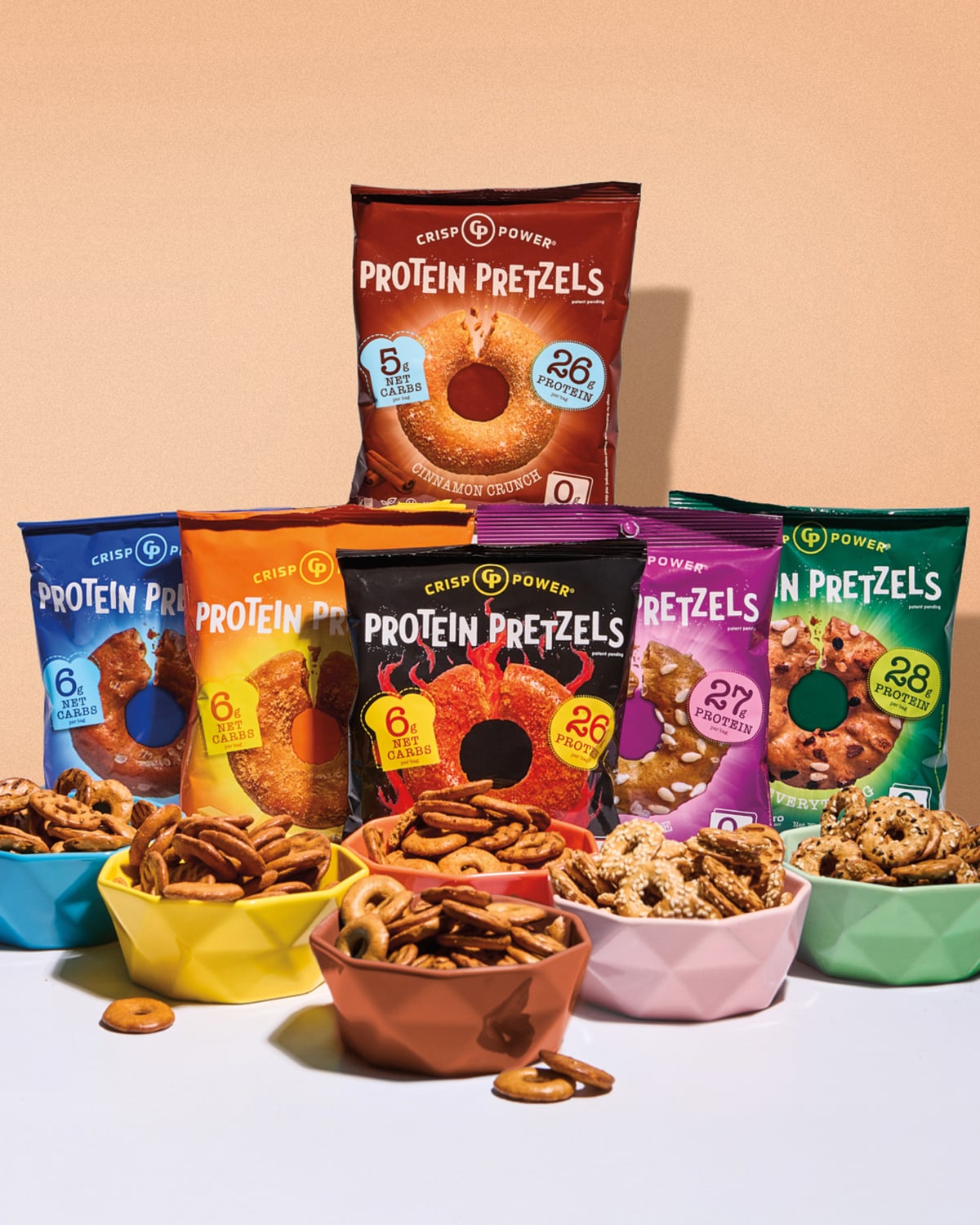
In savory snacks, Crisp Power introduced Honey Mustard Protein Pretzels in August. The baked pretzels combine sweet-tangy seasoning and a familiar crunch with 26 grams of protein and 10 grams of fiber per 1.75 oz bag. With no added sugar, they offer an alternative to the dessert-inspired flavors common in protein snacks.
Saneski also sees opportunities for Filipino ingredients such as ube, ginger, calamansi, turmeric, and tamarind in wellness-oriented products. Beyond their distinctive flavors, these ingredients have nutritional and traditional wellness associations that may contribute to their appeal.
Indian spice blends and masalas could also gain attention in wellness-oriented formulations, says Peizer. “As Western consumers become more sophisticated about the relationship between what we eat and how we feel, I expect to see more interest in using spices intentionally. Cooling spices and warming aromatics such as cinnamon, cayenne, and clove can bring both sensory excitement and traditional associations with circulation and vitality.”
None of this has to feel clinical, Peizer adds. “It can be deeply flavorful, culturally rooted, and incredibly delicious, and that intersection is at the heart of Ayurveda, where food is viewed as a tool for nourishing the mind, body, and spirit.”
The growing use of glucagon-like peptide-1 (GLP-1) medications may also influence flavor development, says Mindy Yang, cofounder and CEO of the World Taste and Smell Association. For consumers eating smaller portions, she sees greater importance in making each bite satisfying.
Sensorial Layering
“Sensorial layering will dominate next year, with products blending texture, color, smell, and taste with an added ‘spark,’” Rouquet says.
Texture will remain a key driver of flavor innovation, Rockwell agrees. He points to chili crisps as one way to bring crunch and bold flavor together. Pickled and fermented ingredients, crispy garlic and shallots, and creamy spreads such as toum (a Lebanese garlic sauce) and labneh (a tangy strained yogurt) offer other possibilities, he says.
“Texture provides all the feels,” Corliss adds. He sees “chewy-bouncy-jiggly textures” influenced by Asian cuisines building on the creamy, velvety, and crunchy textures of recent years.
“Consumers increasingly expect a complete sensory experience, where taste, texture, aroma, and even the sound of a food work together,” says Williams. “The most successful flavors will be the ones built as experiences rather than single notes, playing on contrast, hot against cool, crunchy against creamy, familiar against surprising, to create a moment worth remembering.”
Combinations such as crisp and creamy, airy and chewy, or sparkling and smooth will offer consumers a multilayered, playful experience, Zhou adds.
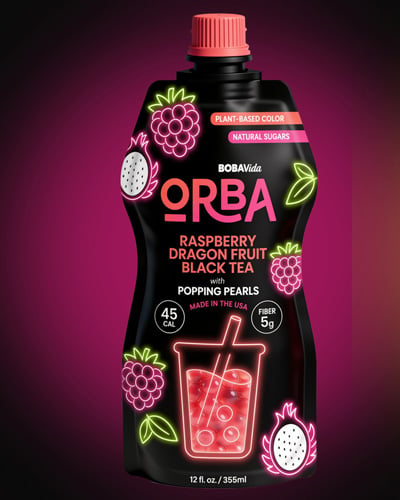
BobaVida is bringing popping boba to packaged beverages with ORBA, a new ready-to-drink line. With shipments to retailers scheduled to begin in November, the beverages pair fruit-flavored popping pearls with brewed tea or coconut water in resealable pouches.
Flavor combinations are getting more layered, too. “Expect to see more layered, high-impact flavors combining heat, acidity, sweetness, and savory depth,” says Zemser. Gaye also expects more “swavory” (sweet and savory) combinations.
Fermentation adds another layer of flavor, bringing tang, acidity, and umami to foods through ingredients such as sourdough, pickled vegetables, hot sauces, and miso, says Jessica Gavin, certified food scientist, culinary scientist, and founder of JessicaGavin.com. Those flavors are appearing in dressings, bread inclusions, and even cookies and brownies, she adds.
Goldstein points to miso, black garlic, koji (a fermentation starter used in Japanese cuisine), and fermented peppers as other sources of savory depth. “Profiles that combine acidity, sweetness, heat, smokiness, and umami create a more memorable eating experience. Restaurants have embraced this approach for years, and it is becoming increasingly common across snacks, sauces, and prepared foods,” she says.
“Ultimately, the strongest opportunities in 2027 will be foods that deliver multiple benefits at once, bringing exceptional flavor, functional nutrition, authentic culinary inspiration, compelling texture, and an emotional connection,” Rockwell concludes.
Hero Image: © Studio4/E+/Getty Images Plus
Author
-
Dana Cvetan
Dana Cvetan is a freelance writer based in Barrington, Ill. (danacvetan@gmail.com).
Categories
-
Sensory Science
-
Flavors
-
New Product Development
-
Formulation
-
Food Technology Magazine
-
Ingredient Trends
-
Market Trends