
Targeting the New Mainstream Market

 A. Elizabeth Sloan
Food Technology Magazine
Key Takeaways
-
Convenience Solutions
With most meals still prepared at home, consumers—especially younger ones and parents—are seeking easy-prep solutions.
-
Experiential Eating
Consumers are embracing global flavors, experiential eating, and indulgent snacks.
-
Functional Nutrition
Across age groups, demand for functional foods is rising, though priorities differ for older and younger consumers.
The U.S. food and beverage landscape is shifting under the weight of powerful demographic and lifestyle changes that are reshaping what, where, and how Americans eat. At the same time, economic pressures and evolving social dynamics are elevating demand for affordable convenience, global flavors, indulgent treats, and functional foods with health benefits that go well beyond basic nutrition.
Data from a broad range of sources highlight four key themes influencing food choices today: 1) the surge in ready-made and hybrid meals for time-strapped households seeking streamlined meal preparation; 2) a strong appetite for experiences and exploration through global flavors and new food formats; 3) the rise of sweets and treats as both comfort and creative indulgence; and 4) growing consumer reliance on functional foods and beverages to support both mental and physical health goals.
Taken together, these demographic shifts and consumption patterns point to a marketplace that is at once more diverse, more health conscious, and more adventurous—but also deeply shaped by convenience and value. Consider the following key demographic data points and their potential market impact:
- One-person households now account for 29% of U.S. households, and the average household size is 2.7 persons, per U.S. Census Bureau data.
- America’s population of 124.4 million individuals aged 50 and older (including more than 60 million adults aged 65 and older) remains an untapped opportunity that goes beyond healthy aging and comfort foods.
- The number of U.S. children has fallen and the birth rate has slowed, but parents and kids are a key market target. Parents spend the most on food, healthy eating, and convenience, per FMI, The Food Industry Association. In 2025, 37% of households have children at home, and the population includes 75.7 million young people aged 18 and under.
- The 36 million employees who work from home either full time or part time are driving explosive growth in take-from-home foods and drinks purchased from retail, according to the U.S. Bureau of Labor Statistics.
The number of U.S. children has fallen and the birth rate has slowed, but parents and kids are a key market target.
- Hispanics are outpacing non-Hispanics in food and drink dollar spending (+3.5% versus +2.6%) for the year ended Aug. 14, 2025, per Circana data. Hispanics represent 20% of the U.S. population (68 million) and accounted for 71% of population growth between 2022 and 2023.
- With the U.S. Census Bureau reporting that more than half of Gen Alpha and younger Gen Zers identify as multicultural, the impact of international food preferences will remain strong. According to the Pew Research Center, as of June 2025, Mexico was the top country of origin for U.S. immigrants, followed by India, China, the Philippines, and Cuba.
- America’s 280 million city dwellers are also an increasingly influential food demographic. Urbanites are among the most likely to buy fresh prepared foods, to be flexitarian or vegetarian, and to be heavy users of seafood, frozen foods, and specialty desserts, according to FMI data.
- Fewer than half (42%) of U.S. households earned more than $100,00 a year in 2024; high food prices will be a top concern for most consumers, but for these households in particular.
Here’s a breakout of the four key food and beverage behavior trends identified in the research for this article and a look at how they are affected by demographic factors.

Kerrygold Cinnamon & Sugar Butter Blend combines a touch of sweetness and spice with butter from Irish grass-fed cows. Photo courtesy of Kerrygold
1) Meal Prep Streamlined
A trend toward easy, home-prepared meals crosses generational lines. The food for eight out of 10 meal occasions is prepared at home, according to Circana, with 72.5% of Gen Z consumers and 86.6% of baby boomers doing so. Six in 10 Gen Zers say they plan to cook more meals at home next year.
On average, consumers eat a home-cooked dinner 4.8 times each week, according to FMI data. For Gen Z, it’s 3.9 times; millennials, 4.6; Gen X, 4.8; and baby boomers, 5.5. Hybrid meals that “mix and match” scratch, retail-prepared, and restaurant items are the most popular way of preparing dinner for nearly six in 10 young adults, half of Gen Xers, and four in 10 boomers. More than half of older meal preparers cook dinner primarily from scratch versus one-third of younger consumers who do so, per FMI.
Gen Z consumers, millennials, and parents are more than twice as likely than their older counterparts and non-parents to want a wider selection of easy-to-prepare foods, more ready-to-eat meals and sides, more partially prepared options, and a better selection of meal kits, according to FMI.
A trend toward easy, home-prepared meals crosses generational lines.
One-quarter of retailers introduced chef-prepared fresh meals in the deli last year, per FMI. Meal kit giant Home Chef offers oven-ready meals and fresh microwaveable meals that require little preparation.
Younger consumers, men, urbanites, hybrid workers, and parents are among the cohorts buying more deli prepared foods. Unit sales of refrigerated dinners/entrées were up by 6.8% for the 12 weeks ending July 19, 2025, Circana reports. Unit sales of refrigerated entrées from Kevin’s Natural Foods shot up by 17% in that period.
Baby boomers and upper-income consumers are the most likely to buy frozen side dishes for a main entrée, according to the American Frozen Food Institute (AFFI). Younger consumers are the heaviest users of frozen beverages/smoothies, breakfast foods, desserts, appetizers, bakery products, and dishes for home entertainment, per AFFI.
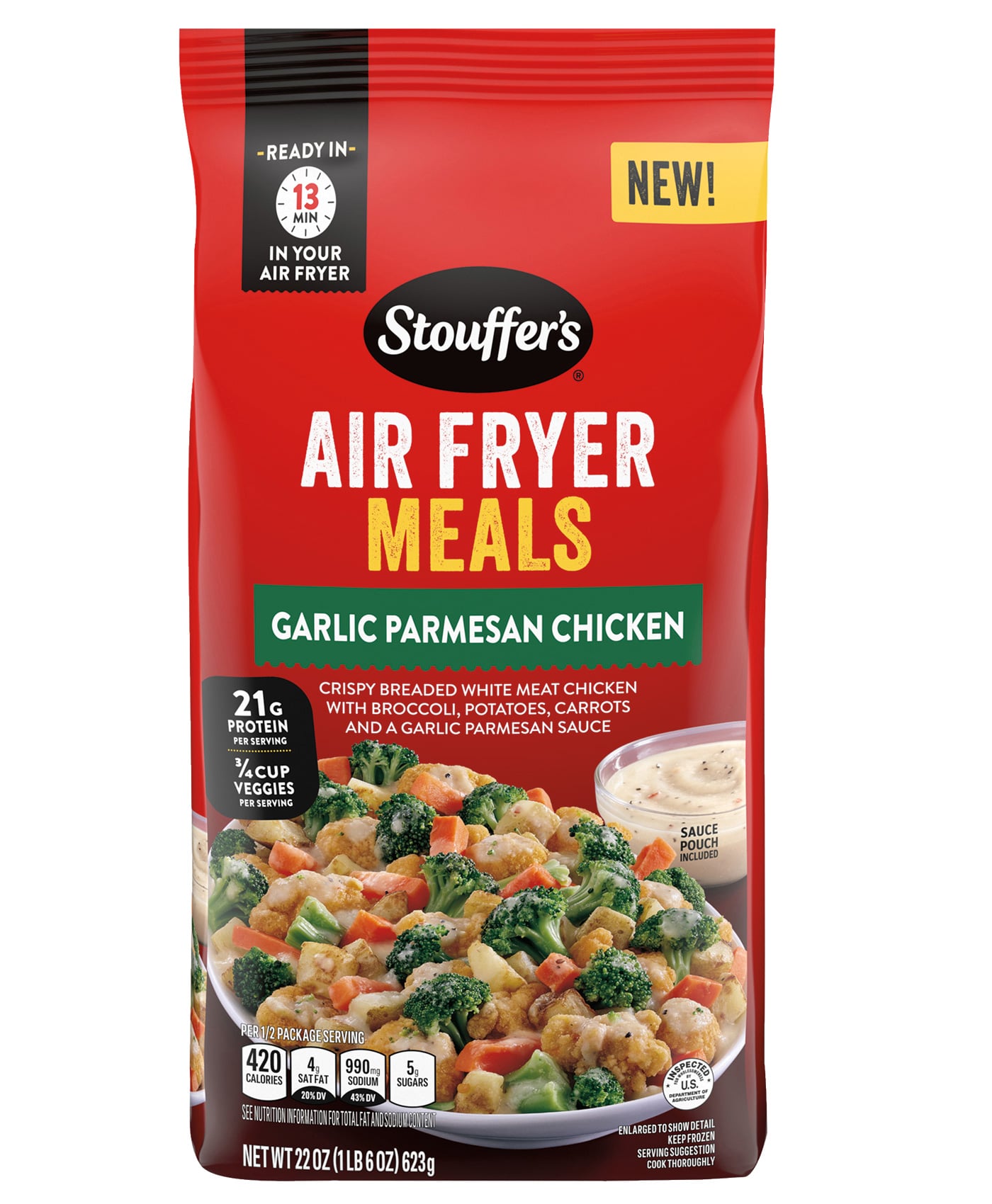
Stouffer’s Air Fryer Meals, which tout their quick preparation time, come with a sauce packet.
Gen Zers and millennials over-index on searches for recipes to use with air fryer meal preparation, according to FMI. Stouffer’s frozen Air Fryer Meals can be prepared in the air fryer in less than 15 minutes. Sambazon Smoothie and Açai Bowls topped with fruit and granola target consumers seeking grab-and-go convenience at breakfast time.
Time-saving flavored ingredients like new Kerrygold Cinnamon & Sugar Butter Blend and Plant Milk Taco Blend Seasoned Shreds from Miyoko’s Creamery meet consumers’ expectations for easy food preparation. Premade dough maker Cérélia USA Bakery offers refrigerated Jus-Rol Snap Pizza Dough that is easy to roll and stretch.
Half of parents say they frequently prepare a different meal for their kids, per FMI. Classics with a twist, healthy little treats, and bowl meals are trending, according to school foodservice provider Chartwells. Recent kid-friendly launches include frozen Bluey Blueberry Pancakes from Hometown Food Co. and gluten-free Lightly Breaded Dino Nuggets from Real Good Foods.
With 40% of consumers still cutting back on restaurant visits, according to the National Restaurant Association (NRA), retail products that mimic their favorite fast-food and fast-casual choices are right on target.
Meal delivery service DoorDash reported strong growth in orders of globally inspired fare, including garlic naan, tacos, pad thai, miso soup, California rolls, chicken tikka masala, edamame, and burritos last year and a shift from traditional U.S. handheld and finger foods like mozzarella sticks and chicken sandwiches in favor of menu items from Indian, Mexican, Thai, and Japanese cuisines.
Two-thirds of adults say they are increasingly likely to replace traditional meals with snack items from the drive-through, according to the NRA. That’s a missed opportunity for makers of CPG products. White Castle’s mini BBQ Pulled Pork Sliders and Domino’s Bread Bites are examples of “snackable” products well positioned for growth.
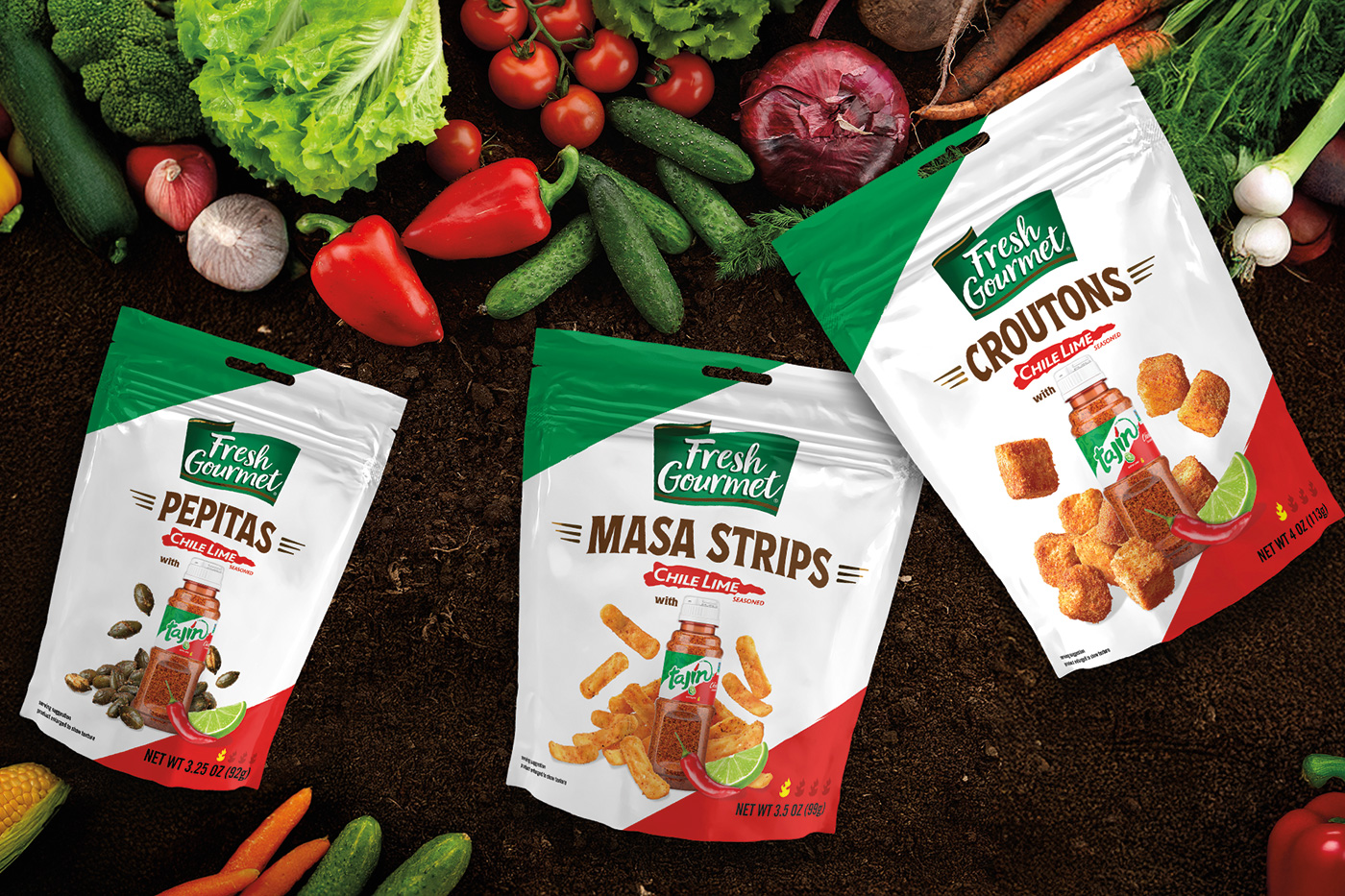
Fresh Gourmet Chile Lime Croutons, Pepitas, and Masa Strips are flavored with Tajin Clásico, a popular chili lime seasoning. Photo courtesy of Fresh Gourmet
2) Embracing Experiences and Exploration
Millennials are the consumer cohort most likely to say they like to try new foods and cuisines, followed by Gen Z, according to FMI data. Millennials are also most likely to emphasize the food experience beyond nutrition.
In addition, younger consumers are the most likely to try and create restaurant meals at home and to cook globally inspired foods, per FMI. When cooking at home, 26% of young meal preparers prefer exploring new dishes versus turning to familiar favorites.
New Fresh Gourmet salad toppers include Tajin-seasoned Chili Lime Croutons, Pepitas, and Masa Strips. Hanover Drizzles frozen vegetables are ready to “roast, drizzle, and serve” thanks to the chef-inspired sauces included in the package.
Eight in 10 millennials (83%) are specialty food buyers, as are 77% of Gen Z, 73% of Gen X, and 53% of baby boomers, according to the Specialty Food Association. Flavor company T. Hasegawa reports that younger adults are most likely to say they enjoy eating seasonal products and those available as limited-time offerings.
Half of Gen Zers and millennials ate prepared global cuisine other than Italian, Mexican, or Chinese in a recent week, according to Datassential. More than one-third (36%) of Gen Xers and 21% of baby boomers also did so.
Gen Zers are more likely than the general population to be fans of Japanese, Peruvian, Korean, Indonesian, and regional Chinese cuisines, Datassential reports. Millennials are interested in trying Israeli, Costa Rican, Scottish, and African foods. Gen Xers are interested in Brazilian, Indonesian, Jamaican, Sicilian, and Cuban dishes, while boomers like Polish, German, Hungarian, Pacific Rim, and Scandinavian foods.
Global look-alike food forms are capturing customer attention. Two-thirds of young adults and half of Gen Xers prefer tacos over other handheld food, while only baby boomers prefer sandwiches, per Datassential.
Younger adults are the most interested in exploring regional variations of their favorite international cuisines and say their heritage culture has a dominant influence on their food choices, per T. Hasegawa.
Within the next two years, millennials are set to surpass baby boomers in spending on produce, per research firm 210 Analytics. Younger adults spend more than other demographic groups on limes, mangoes, kiwi, coconuts, bok choy, and fruit party trays. Gen X drives purchases of side dish kits, kale, and salad blends; baby boomers are key consumers of artichokes, cherries, tangelos, vegetables, slaw, and salad blends.
According to Circana, those under age 40 are the most likely to entertain at home and are heavy buyers of special entertainment/holiday deli meals, party trays, and grill- or appliance-ready party solutions. Dinner parties are having a major comeback with young people, even teens, inspired by TikTok.
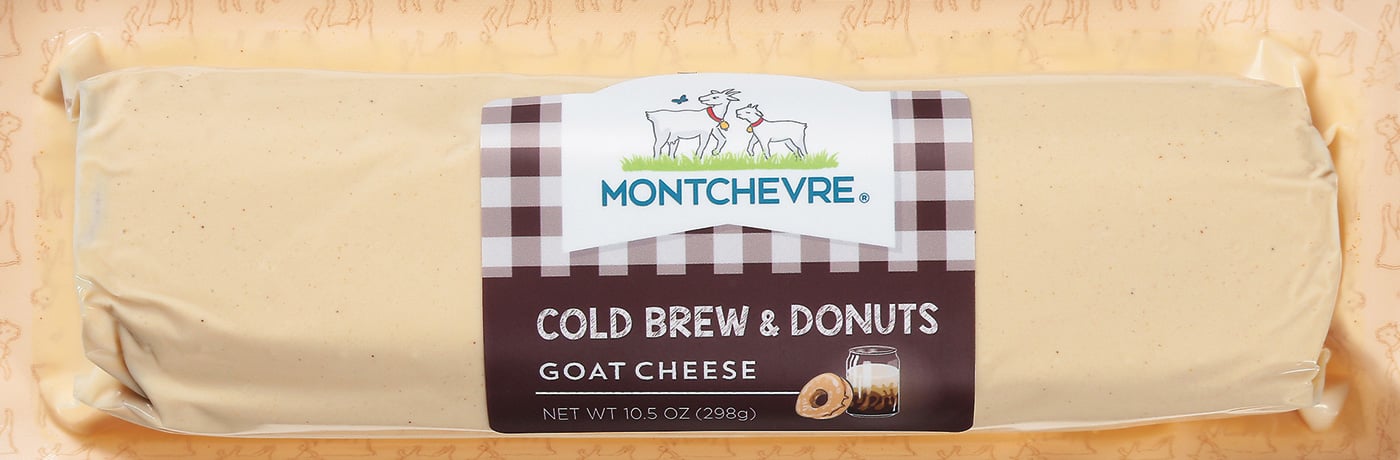
Saputo Cheese USA, maker of Montchevre Goat Cheese, describes its Cold Brew & Donuts variety as an ideal “brunch board” option thanks to its blend of sweet and creamy flavors.
3) Seeking Sweet Comfort
Half of consumers eat three or more snacks per day, led by those aged 18–44, according to research by Circana; that’s up 2.7% versus last year. Six in 10 snack lovers look for snacks that are good for them, 59% seek a unique experience, 57% want snacks for on-the-go consumption, and 50% are looking for meal substitutes.
Yogurt, yogurt drinks, dried meat snacks, natural cheese cubes, crackers, healthy bars, appetizers, snack rolls, produce snacks, potato chips, pretzels, ice milk/frozen dairy desserts, and muffins are driving snack volume growth, per Circana.
Products like the following are well positioned to satisfy consumers’ appetite for snackable fare that’s healthful and experiential: noosa yoghurts with premium toppings (e.g., honey oat granola, toasted almond slices); Mexican cheese snacks (e.g., Oaxaca Strips and Oaxaca Bites from Nuestro Queso); and sweet and creamy Montchevre Cold Brew & Donuts Goat Cheese.
Many consumers are buying snacks aligned with claims related to protein, energy, sweeteners, vegan formulation, probiotics/prebiotics, and oil content. Four in 10 snack buyers purchase snacks specific to a diet plan, according to Circana. Hershey’s ONE Double Chocolate Protein Bar delivers 18 grams of protein and only 1 gram of sugar.
Deli soups/chili, cottage cheese, pizza, fresh eggs, ready-to-drink coffee, and frozen fries/onion rings are among the top items on consumers’ snacking lists, per Circana. Palermo Villa and Mizkan America collaborated on the launch of a line of RAGÚ frozen pizzas, which debuted this year. Palermo Villa also partnered with Kellanova to introduce a line of 12-inch, ultra-thin Cheez-It Pizzas in varieties including Italian Four Cheese and Cheddar Jack Supeme. Di Fara launched Vodka Sauce Pizza, which the company describes as a first for the retail market.
Branded flavors, fun mash-ups, and sweet/savory combinations are trending in the snack category. Mad Genius Snack Lab mixed global influences in products like its Korean BBQ Quesadillas and General Tso’s Chicken Empanadas. Diana’s Peanut Butter and Strawberry Bites are a reimagining of the classic peanut butter and jelly sandwich in frozen snack form.
Duck Wing Drummettes from Maple Leaf Farms are air fryer ready. Texas Roadhouse dips in varieties like Cactus Blossom, Fried Pickle, and Rattlesnake Bites, add an exotic flavor to snacking. Kati Street Wraps from Deep Indian Kitchen include varieties like Chicken Biryani and Coconut Chicken Curry.
The Cedar’s Reserve hummus and dips lineup includes globally inspired varieties like Lebanese Za’atar & Tahini. Protein-rich and dairy-free, Oolie dips are made with upcycled free-range eggs.
Pineapple, wild cherry, green grape, rose, and clementine are among the new carbonated soft drink flavors, per T. Hasegawa. Younger adults are most likely to sample a new flavor in a beverage, appetizer, dessert, or snack, T. Hasegawa reports.
In the dessert segment, bite-sized offerings, international flavors, and on-the-go snack cups are among the trends that are adding interest. Think mini Bubbies Ice Cream Cookie Sandwiches or LUIGI’S Real Italian Ice in single-serve cups. Zaro’s Family Bakery introduced a line of four-inch refrigerated cakes in varieties including Cannoli and Toasted Coconut. Galaxy Desserts expanded its frozen Brioche Pasquier line of premium French macarons with popular ice cream flavor varieties Salted Caramel, Cookies & Cream, and Birthday Cake. Del Real Foods tempts shoppers with its Churro Caramel Tamales filled with dulce de leche caramel. In the grocery freezer case, smaller cakes and frozen ready-to-bake cookies posted double-digit sales growth for the year ended Aug. 15, 2025, according to 210 Analytics.
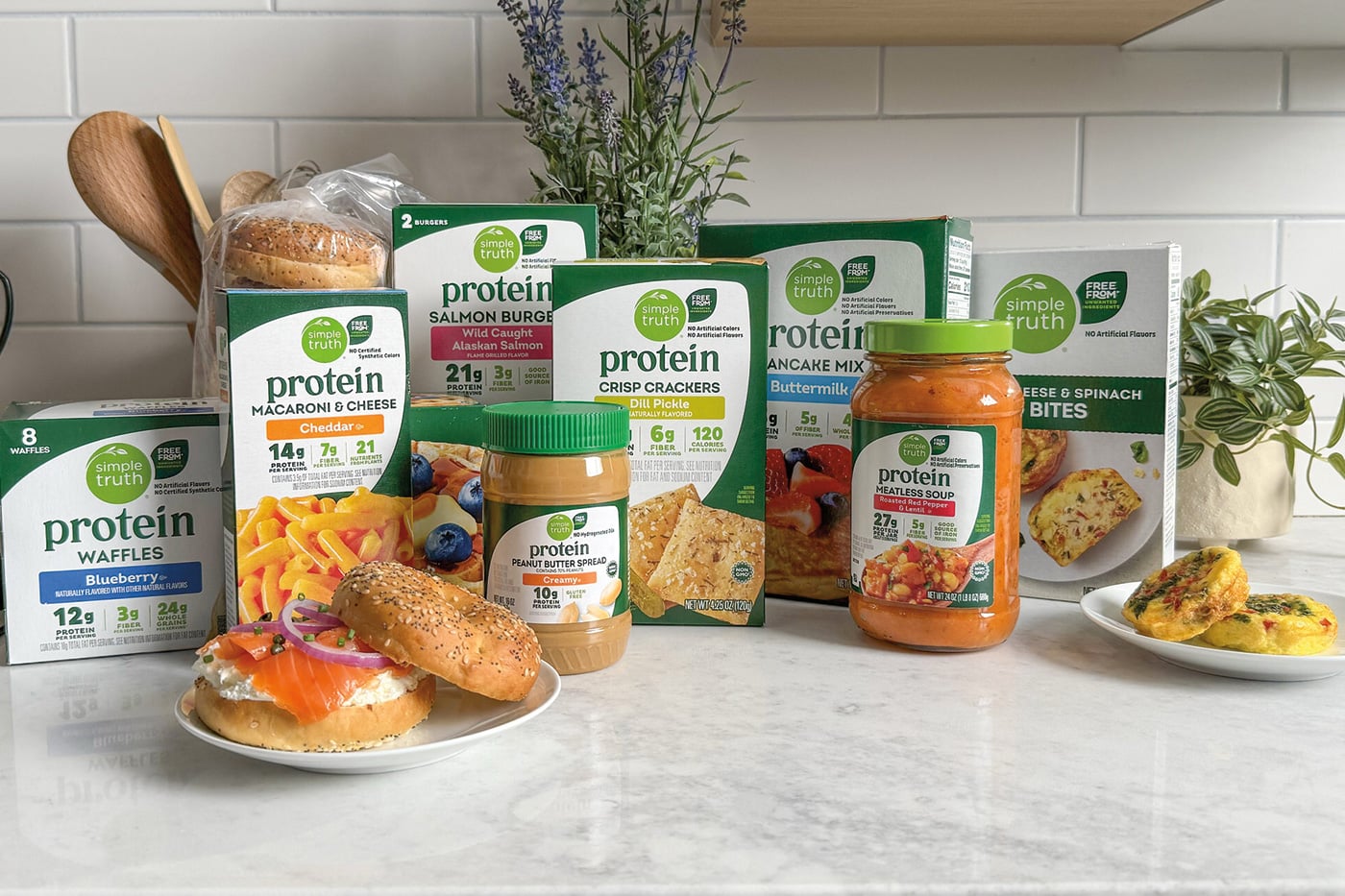
The new Simple Truth Protein products from Kroger tout their protein content as well as the fact that they are free from artificial colors, flavors, and preservatives. Photo courtesy of Kroger
4) Focused on Functional
Functional benefits are a priority for many consumers young and old, but what that means differs dramatically by age. Younger consumers are far more likely to seek foods and drinks that support mental health benefits like mood, relaxation, and mental energy, while older adults prioritize physical wellness outcomes such as heart strength, bone density, blood sugar control, and joint flexibility, according to HealthFocus International.
Among 18- to 29-year-olds, satiety is the most sought-after functional food and drink benefit HealthFocus identified, followed by mood enhancement. Physical energy ranks as the third-most-important reason for choosing functional foods for this group. Adults aged 65-plus rank weight management third and healthy aging fourth; satiety is sixth on their list.
Over the past two years, conditions linked to fatigue posted the largest gains in consumer concern (+10%), followed by sleep issues (+9%), inflammation (+9%), anxiety (+8%), and stress (+8%), HealthFocus reports.
Protein content remains a consumer priority. Globally, 55% of consumers aged 18–29 choose foods and beverages with added protein, and half of consumers across all age groups rate high-protein claims as “very important” in their purchase decisions. Plant protein resonates with 25% of shoppers.
The Kroger Simple Truth Protein lineup includes more than 80 new products, ranging from a mushroom blend instant coffee to a chocolate fudge brownie mix. Nature’s Path introduced Protein Granola with 10 grams of protein per serving. Kodiak Maple Pancake breakfast sandwiches with sausage, egg, and cheese contain 20 grams of protein per sandwich.
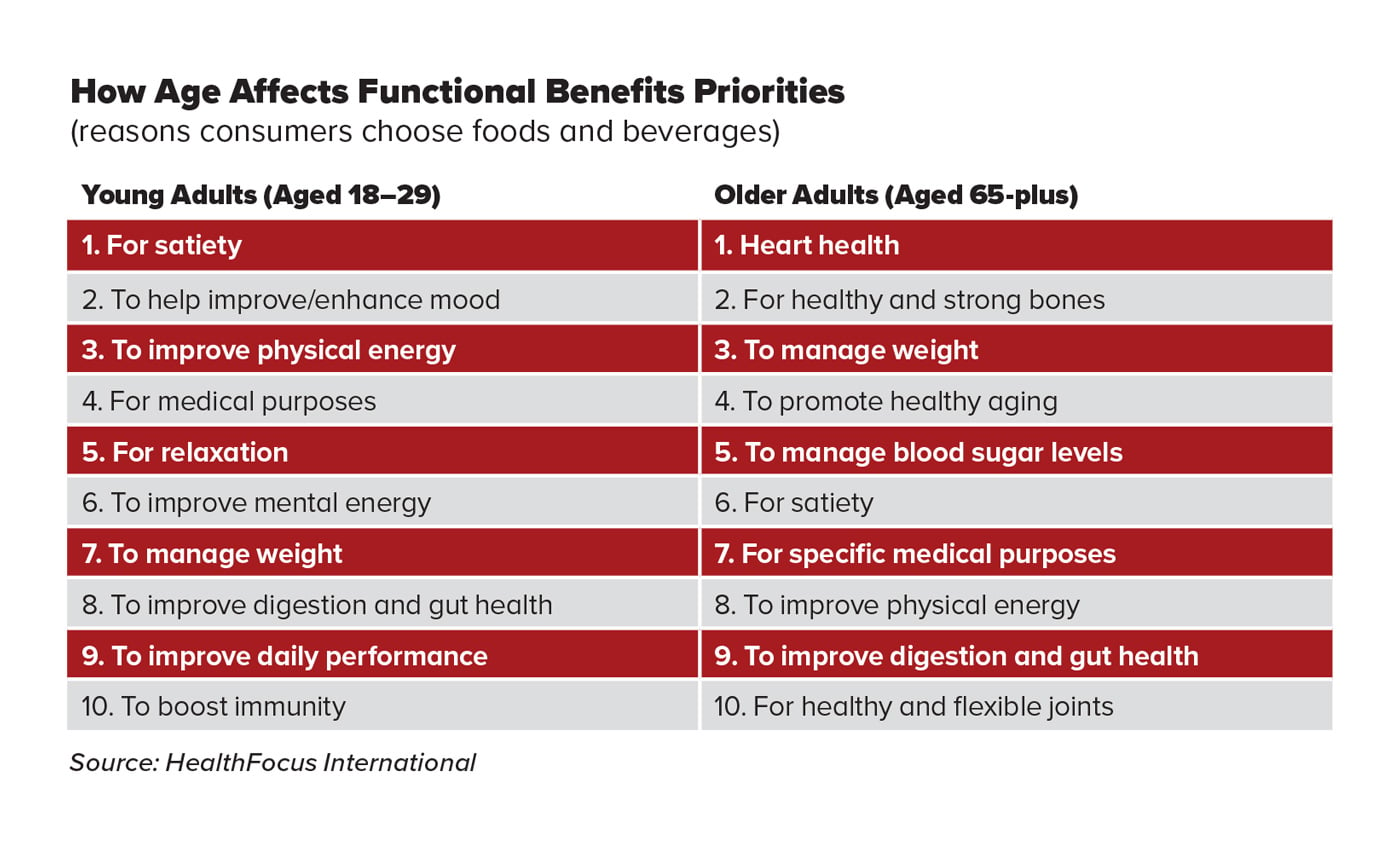
How Age Affects Functional Benefits Priorities
(reasons consumers choose foods and beverages). Source: HealthFocus International
Bulletproof High Protein Iced Coffee is fortified with 12 grams of whey protein. Lifeway Foods’ new Muscle Mates functional beverages are formulated with 20 grams of protein, 5 grams of creatine, and active kefir cultures.
Nearly half of consumers (47%) follow a specific eating plan, a figure that remained steady from 2024 to 2025, according to FMI. One in 10 consumers practiced intermittent fasting or adopted a low-carb diet in 2025, followed by 7% who embraced the Mediterranean diet, plant-based eating, a gluten-free diet, or a dairy-free diet. Other popular dietary strategies, per FMI, include the Whole Foods diet, a vegetarian diet, a flexitarian approach, the keto diet, Weight Watchers, the DASH diet, a low-glycemic diet, the Paleo diet, and the FODMAP diet.
Weight-loss medications are the big news in this area. According to FMI, 13% of adults have used a weight-loss medication in the past 12 months, including 7% who turned to GLP-1 drugs, and 6% who chose other options.
Nearly half of consumers follow a specific eating plan, a figure that remained steady from 2024 to 2025.
Half of U.S. consumers prioritize “clean eating,” led by those in their thirties; HealthFocus reports that 65% of those in this age group show strong interest in clean eating. Most consumers (71%) try to avoid dietary negatives like sodium and added sugar, while 60% look for minimally processed foods and 45% seek products with positive nutritional benefits (e.g., vitamins and minerals), per FMI. Other areas of consumer interest include ethical sourcing and heart-health ingredients.
Anti-aging has also entered the mainstream: more than one-third of consumers choose foods and beverages to support healthy aging, with many older adults viewing these choices as part of a comprehensive wellness strategy rather than as isolated interventions, according to HealthFocus.ft
Hero Image: ©gremlin/iE+/Getty Images Plus
Authors
-
A. Elizabeth Sloan President
A. Elizabeth Sloan, PhD, is CEO and president of consumer trends consultancy Sloan Trends Inc. and a longtime contributing editor of Food Technology magazine. A veteran of work in industry, media, and public relations, Sloan received a PhD in food science and technology from the University of Minnesota.
Categories
-
Food Business Trends
-
Foodservice
-
Consumer and Marketplace Trends
-
Food Categories
-
Culinary and Ingredient Trends
-
Food Product Development
-
Snacks
-
Market Trends
-
Food Retailing
-
Refrigeration and Frozen Foods
-
Food Technology Magazine


