
The Emerging Flavors of Africa

-
Key Takeaway 1
The majority of U.S. consumers have not yet had meaningful experiences with Africa or the ingredients, flavors, and prepared foods that originate from the continent.
-
Key Takeaway 2
African ingredients are numerous and exceptionally versatile, opening the door to product innovation.
-
Key Takeaway 3
Consumer audiences most receptive to African foods are the “culinary curious,” followed by expats and individuals who appreciate their healthful benefits.
Every year, CPG companies are eager to know which flavors and cuisines will be the ones that capture the attention of consumers, allowing them to better formulate their offerings. While global flavors, especially those emerging from southeast Asia, have been performing well, the question is which region, country, or cuisine will influence the next culinary trend.
Recently, a few spices, spice blends, and prepared dishes from the African continent have been attracting attention. Before any discussion of these foods or an emerging African trend can begin, however, it’s important to know what U.S. consumers understand about the continent.
Unfamiliar Territory
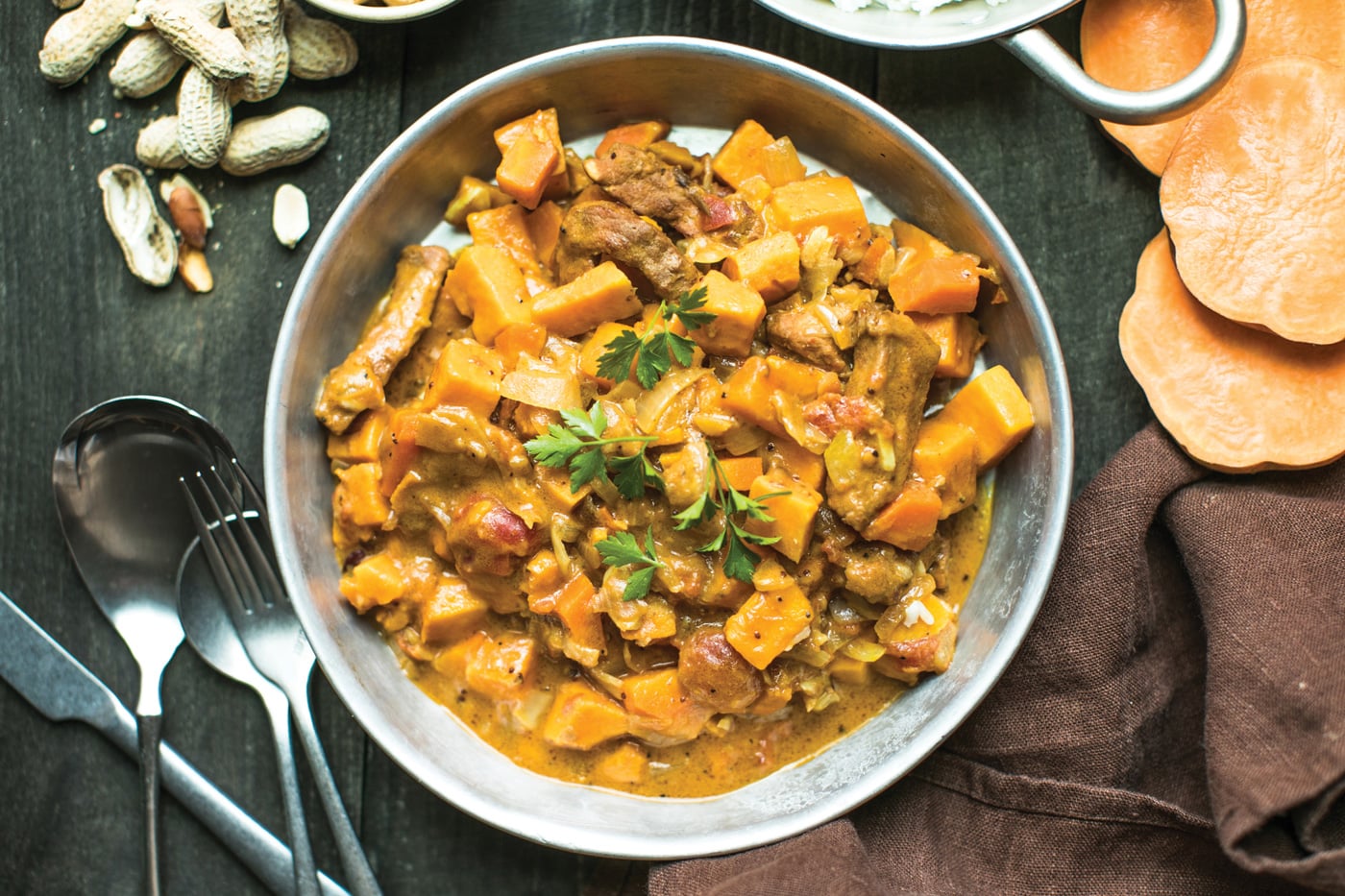
To be clear, Americans have a limited understanding of Africa. Most are not aware of the 54 countries that call this continent home, each with its own history, culture, and foodways. Many perceive Africa as the place where lions, giraffes, and elephants roam the countryside. Occasionally, they’ll acknowledge a relationship between slavery and foods such as okra, watermelon, and fried chicken, all having a profound impact on American foodways. Contributing to this lack of awareness is the fact that very few restaurants, outside of a small number operating in major markets, serve African cuisine, limiting opportunities for exposure.
While West African countries ranked high on the National Restaurant Association’s list of hot global flavors several years ago, and a report published by Open- Table in 2023 lists West African and African cuisines (Americans do not distinguish between these two points of origin) as trending in foodservice environments, most Americans have not yet had meaningful experiences with African ingredients or foods.
Senegal, Nigeria, and Ghana in West Africa, Ethiopia to the east, South Africa in the south, and Morocco to the north are the points of origin being watched most closely.
Most recently, research conducted by Datassential indicates that acceptance of African cuisines is in the early stages of adoption. What’s clear is that Senegal, Nigeria, and Ghana in West Africa, Ethiopia to the east, South Africa in the south, and Morocco to the north are the points of origin being watched most closely.
“For American consumers, Africa has a lot of virgin territory for flavor discovery,” says Len King, executive chef with High Liner Foods and former senior research chef for McCormick & Company. “It’s a big place with lots of undiscovered ingredients and cuisines,” he says. Viewed from a culinary perspective, he continues, “Africa as a point of origin is just starting to gain recognition. When you understand just how slow the process of integrating African ingredients and flavors into mainstream foods can be, it could be years before they are fully understood, accepted, in demand, and widely available.”
Growing Recognition and Appeal
Data compiled by Innova Market Insights reveals that the number of new products embracing African flavors introduced over the past five years remains very niche, with less than 200 products launched. This has included African ingredients such as harissa (a chili paste originating in North Africa, including Algeria, Libya, Morocco, and Tunisia), za’atar (a blend of thyme, oregano, and marjoram originating in Egypt), ras el hanout (a complex blend of spices that originates in Morocco), dukkah (a blend of nuts, seeds, and herbs from Egypt), and grains of paradise (also known as melegueta pepper, originating in Ghana and across West Africa). It also takes in ready meals and side dishes, including couscous, Moroccan stews, and jollof rice, along with hot drinks such as Moroccan-style tea. While many of these products can be found online and in a limited number of specialty stores, availability is still quite limited.

Making African Foods Accessible
In spite of these limitations, the interest in African flavors is persistent. Shannon Cushen, director of marketing at Fuchs Gruppe (North America) suggests, “Although consumers are becoming more adventurous, brands need to find ways to make unfamiliar African flavors less intimidating. The best approach is to pair them with a mainstream flavor. As such, we’ve created seasonings that combine African spice blends with more familiar flavors (i.e., jerk jollof rice, piri piri fajitas, harissa spiced fried chicken), allowing consumers to experiment in ways that feel far less risky.
“African flavors happen to be exceptionally versatile, opening the door to innovation and endless possibilities,” she explains. “As with any trend, snacks are often the first stop. For consumers, a snack is lower risk than a full meal.”
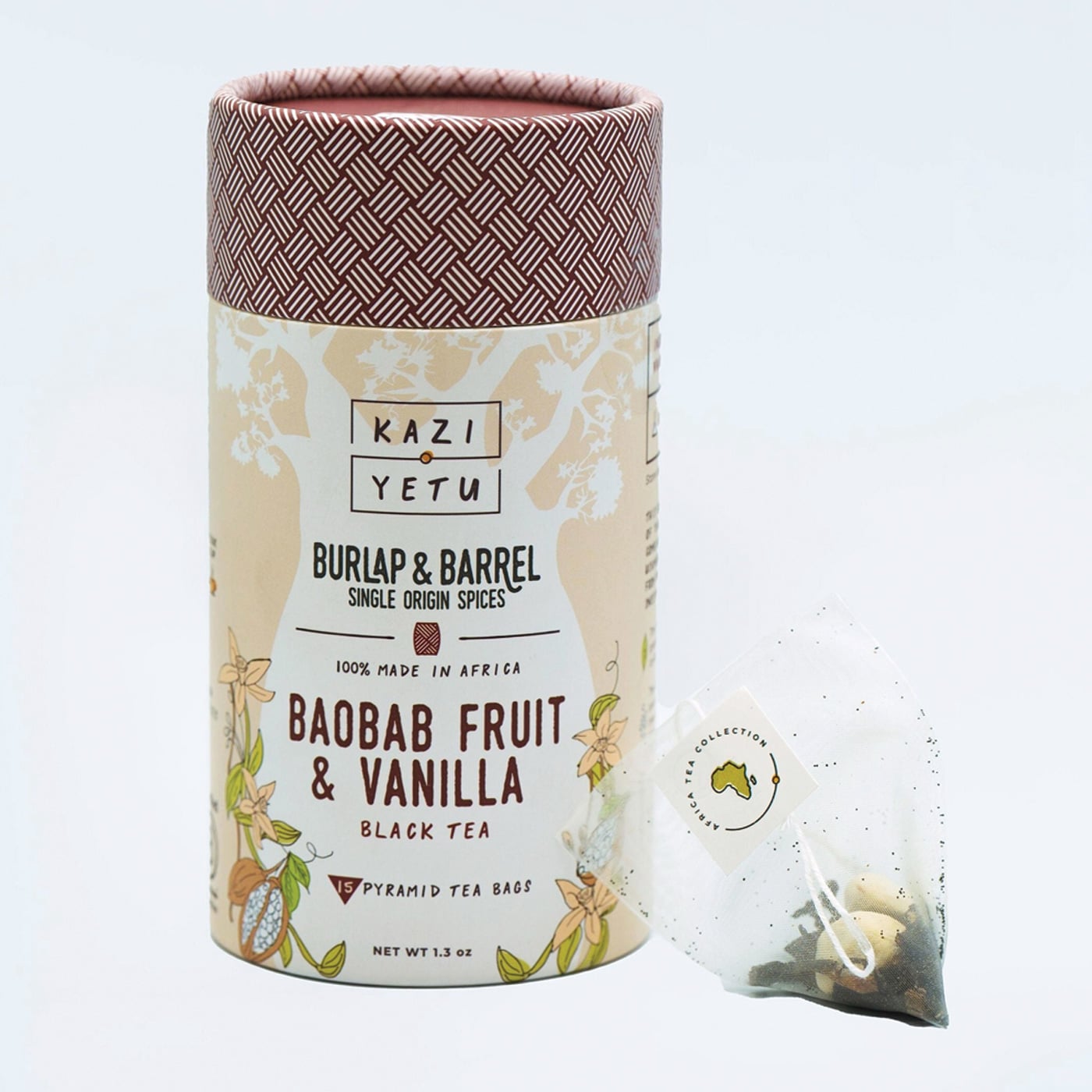
Defined as an African food company, Yolélé is a noteworthy brand that includes snack foods as part of its product lineup. While fonio, a gluten-free ancient grain native to West African countries, including Burkina Faso, Guinea, Senegal, Mali, and Nigeria, is the company’s flagship product, it also produces fonio pilafs and fonio chips. Across them all, fonio is the primary ingredient coupled with a variety of flavorful African ingredients such as Moringa and baobab.
A Reliable Supply Chain
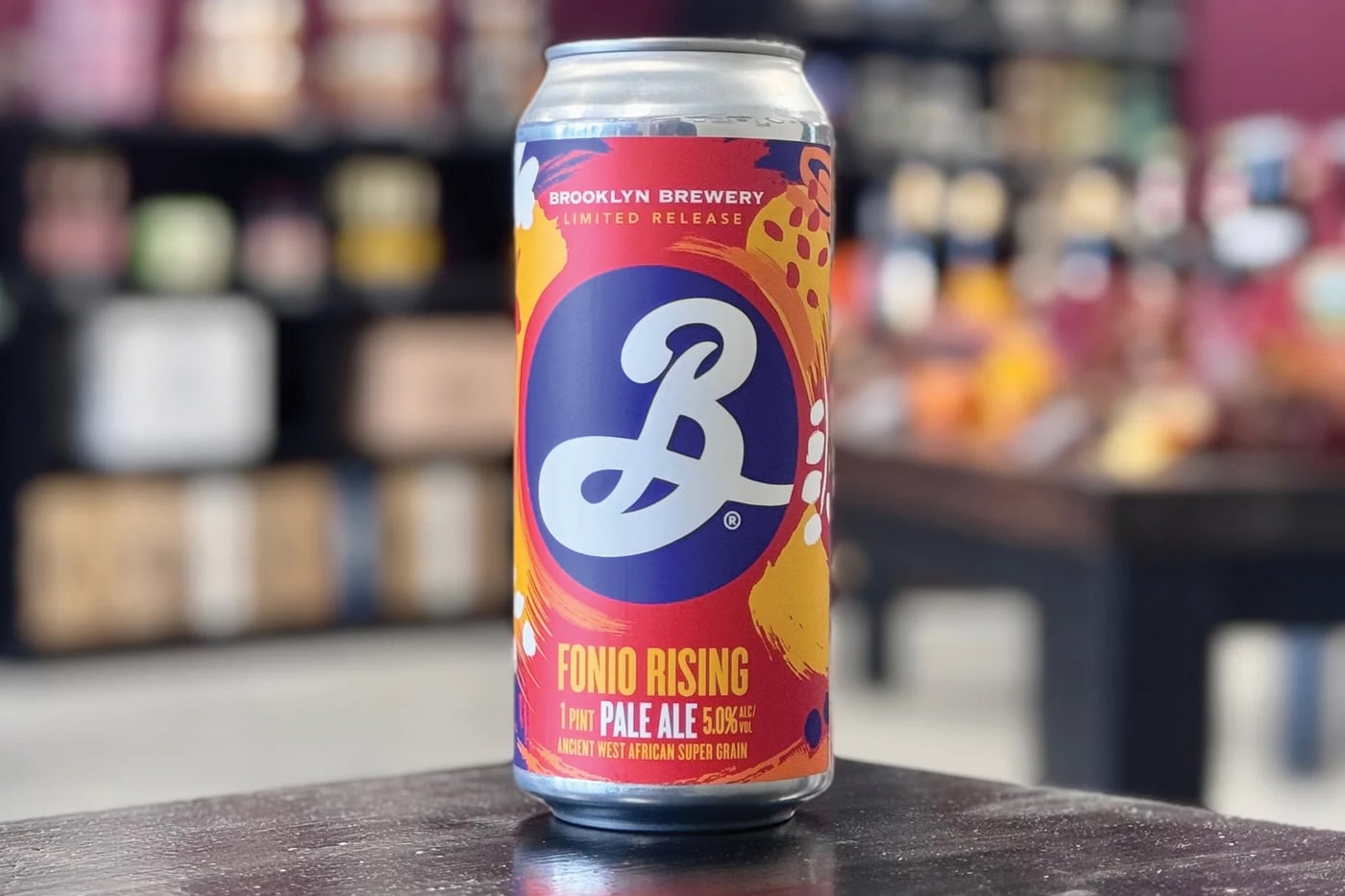
To meet the needs of large-scale commercial clients and ensure a reliable supply of fonio, Yolélé has been working directly with smallholder farmers in West Africa, helping them develop the skills and obtain the equipment needed for increased production, transforming what used to be a small, locally produced crop into a large-scale, commercially viable ingredient. Most recently, the company partnered with Brooklyn Brewery and Guinness, each producing its own version of fonio-inspired beers, Fonio Rising Pale Ale and Fonio Stout, respectively.
Challenges associated with ingredients sourced from Africa include varying seasonality, traceability, climate change, short harvest and processing windows, and food safety regulations. In addition, political instability can add any number of variables into an already complex equation.
According to Ethan Frisch, cofounder and co-CEO of spice company Burlap & Barrel and producer of single-origin, Afrocentric spice blends, “We invest in relationships to ensure the quality, consistency, and reliability of our products. Our producers, many smallholder farmers, recognize the opportunities we offer and are eager to do everything they can to scale production for larger manufacturing needs. Plus, we help them work out issues related to logistics and compliance, making sure the supply chain operates efficiently and seamlessly.”
Catering to a Diverse Audience
For most African products, end users in the United States fall into one of three categories. Some are African expats familiar with the ingredients and formulations. For them, the need is simply gaining access to authentic African foods. While this audience is important, there’s even greater interest and demand from individuals described as “culinary curious.” These are the people who see Africa as a distant land with undiscovered and exotic foodways. No matter the point of origin within the continent, ingredients and prepared foods from Africa represent exciting new experiences that can be shared with friends and family. Lastly, there are buyers who appreciate the healthful benefits of African foods and are motivated to purchase products that are gluten-free (ancient grains including fonio, sorghum, and teff), low glycemic, or simply recognized as wholesome.
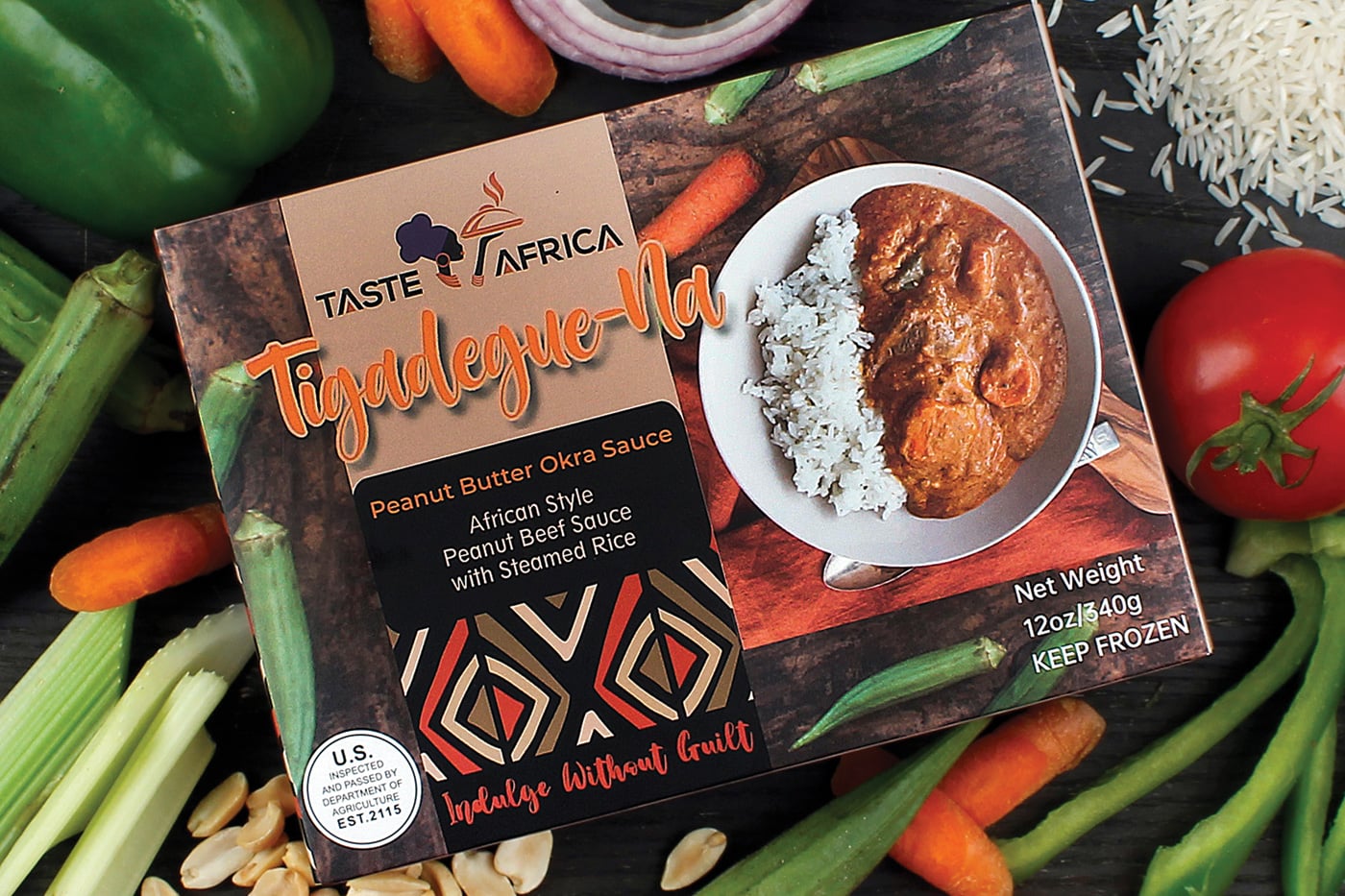
Brands such as Adùn, Taste Africa, Egunsi, and Ayo are producing a variety of soups, sauces, and frozen foods, leveraging a culinary heritage that originates in West African countries. It’s important to recognize that consumers find many of the ingredients frequently used in West African cuisines, including sweet potato, okra, leafy greens, peanuts, rice, onions, peppers, and grilled meats, relatable. When you consider that many popular African foods incorporate ingredients that feel familiar, generating trial is a reasonable expectation. Think jollof rice, which is similar to paella and is seasoned with onion, tomato, and chili pepper; egusi, a thick soup made with ground melon seeds, red bell peppers, and spinach; and tigadeguena, a beef stew made with a peanut and okra sauce that is the national dish of Mali.
Bring on the Heat
African cuisines tend to be spice forward, finding parallels with other global cuisines that have already won over a sizeable customer base. This is especially true for spice blends such as berbere, an Ethiopian favorite, and kan kan kan, popular in Burkina Faso. Each of these, and many other spices and spice blends of African origin, contributes remarkable flavor, depth, and heat.
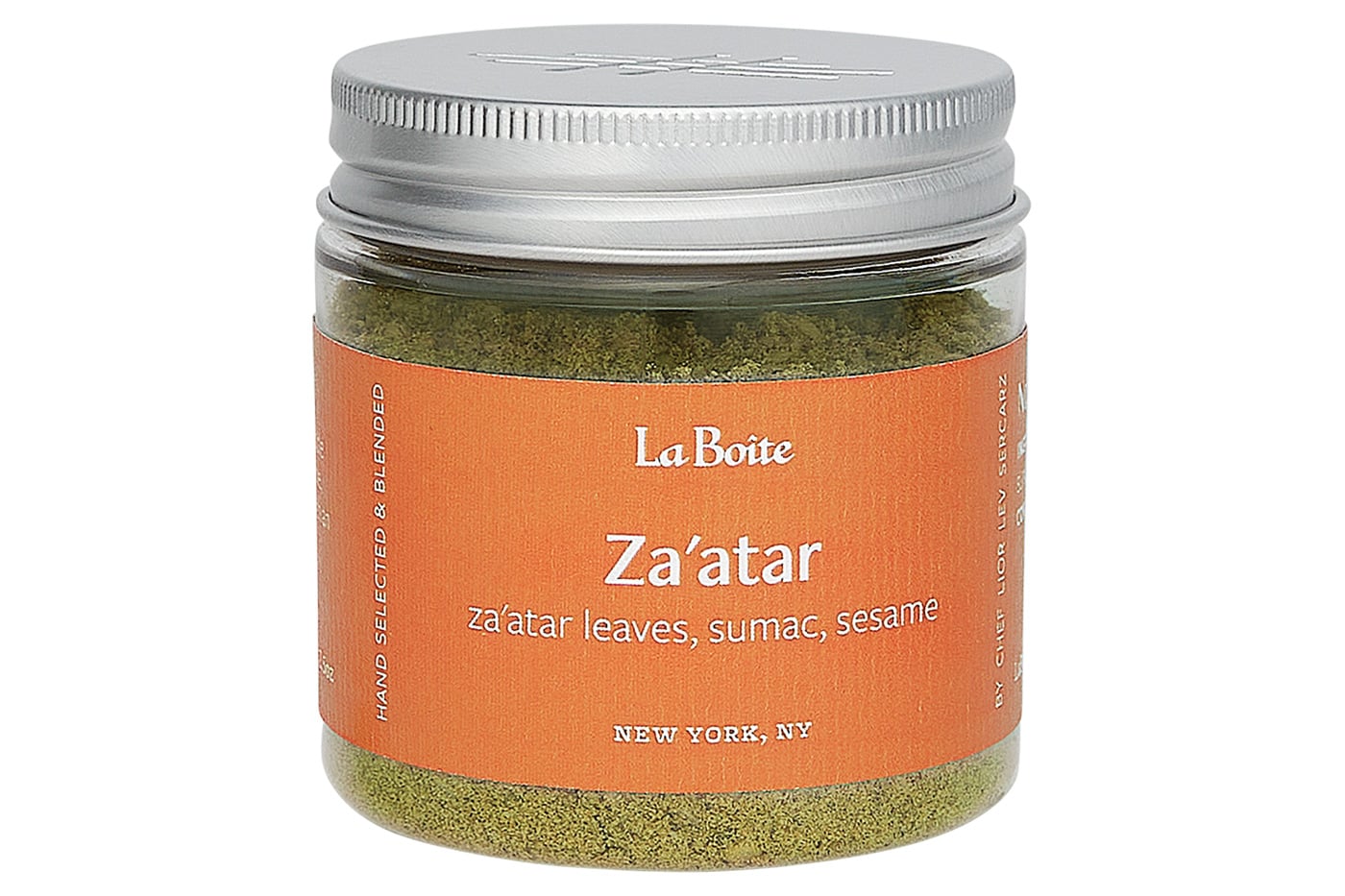
At La Boite, a celebrated spice blending enterprise in New York City, chef and owner Lior Lev Sercarz creates unforgettable spice blends, many that reference the noteworthy flavors of Africa. “I’m excited that there’s a conversation about African foods moving into the spotlight,” he says. “After all, it wasn’t that long ago that Chinese food was a new thing. A few of La Boite’s more distinctive African blends are Egyptian Spice Crunch, Moroccan Spice Crunch, and Marrakesh.
In many situations, African cuisines are recognized for their use of chilis and hot sauces. While the condiment aisle is already packed, consumers have shown an insatiable appetite for new and different flavors and points of origin, especially those displaying both depth of flavor and heat. Inspired in part by the popularity of sriracha, POKS (maker of spicy West African seasoning blends) and African Dream (creator of hot sauces that reference multiple points of origin on the African continent) have been incorporating African ghost, habanero, peri-peri, and bird’s eye chili peppers into their products to entice customers.
Consumers have shown an insatiable appetite for new and different flavors and points of origin, especially those displaying both depth of flavor and heat.
Without a doubt, culinary cultures from the African continent are emerging, albeit a bit sluggishly. Regardless, consumers are gradually embracing the intriguing ingredients and flavors that the continent has to offer. While they may not fully understand their culinary attributes, they are enjoying the adventure and developing a greater appreciation for a wide variety of African foods.ft
Hero Image: © Monika Grabkowska/unsplash
Authors
-
Jeffrey Spear Food Writer
Is a freelance food writer and cookbook author (jeff@spearwrites.com).
Categories
-
Food Business Trends
-
Consumer and Marketplace Trends
-
Culinary and Ingredient Trends
-
Food Product Development
-
New Product Development
-
Market Trends
-
Food Technology Magazine


