
The New Face of Private Label

Key Takeaways
-
Key Takeaway 1
Private brands are thriving amid economic uncertainty, offering consumers high-quality, innovative products at accessible prices.
-
Key Takeaway 2
Retailers are expanding and reinventing store brands with creative launches to engage younger shoppers and drive loyalty.
-
Key Takeaway 3
Data from Circana, FMI, and Mintel point to sustained category growth, with U.S. private label food and beverage sales projected to reach $190 billion by 2029.
Thanks to TikTok influencers, Walgreens’ Nice! Gummy Mango Peelable Candy became a viral sensation, selling out soon after its launch in October 2023 and continuing to generate buzz on social media in 2024, when the drugstore chain introduced a second SKU (Gummy Banana). Gummy Peach, Gummy Burst Pineapple, and Gummy Watermelon have joined the lineup. “The interactivity of it is really cool, and it’s what makes the peelable candy really fun,” explained Marty Esarte, then vice president of Walgreens’ owned brands, in an April 2024 interview on CNN.com.
The fact that this private brand candy is available only at Walgreens adds to its uniqueness and cachet among young adult and teenage consumers. Retailing for just $1.99 per 2.2-ounce bag, the product’s affordability contributes to its appeal with this demographic.
Despite such success stories, “the industry can do more to engage with young consumers,” reports FMI, The Food Industry Association in The Power of Private Brands 2024: Industry Strategies to Sustain Momentum. “While more than 80% of respondents [to FMI’s survey of food industry executives] say this focus is important, only 20% say the performance has been excellent or very good so far. Respondents point to digital marketing as an essential strategy for success.”
Sally Lyons Wyatt, global executive vice president and chief advisor–consumer goods and foodservice insights for Circana, points out that Generation Alpha (born circa 2013–2024) and Generation Z (born circa 1997–2012) are the first generations that did not grow up seeing those old generic private label food and beverage products (often in plain black-and-white packaging). “They’ve grown up in a world where they’ve seen branded private brands,” Lyons Wyatt says. “I think that is the key to unlocking future growth for private brands.”
Circana identified candy, snacks, and beverages as segments with considerable growth potential as store brands.
In its February 2025 report, From Growth to Transformation: The U.S. CPG Private Label Story, Circana identified candy, snacks, and beverages as segments with considerable growth potential as store brands. With relatively low private label development at this time, they are gaining unit share and “are ripe for continued innovation from a private brand standpoint,” says Lyons Wyatt.
Looking at grocery retailers’ store brands across all food categories, those with the highest growth (based on unit share increases) are general foods, shelf-stable beverages, and frozen products, according to Circana.
Strong Numbers
While there are opportunities for improvement, the current market for store brand food and beverage items is robust, fueled by consumer appreciation of their value and good quality. Although inflation has eased in the past couple of years, “prices remain elevated and consumers remain uneasy about the economy and their own finances,” reports Mintel Group in Private Label Food and Drink—U.S.—2025. “The savings of private label remain appealing in this environment, helping to propel continued growth for private label food and drink.”
Valued at an estimated $141.2 billion in 2024, the private label food and drink market in the United States is expected to grow 7.7% in 2025, according to the Mintel report. In the 2024–2029 forecast period, Mintel projects that store brand food and beverage sales will increase 35% to $190 billion. As the report observes, “the threat of tariff-driven inflation and reduced spending power motivate more shoppers to reconsider their brand preferences, opening the door to further gains for store brands.”
The current market for store brand food and beverage items is robust, fueled by consumer appreciation of their value and good quality.
Retailers have been responding with new private label products, lines, and brands:
- Dollar General announced in January 2025 that it would add approximately 100 new private label products this year, most of which are in the discount retailer’s more than 600 SKU Clover Valley food and beverage brand. New items include blue cheese and thousand island salad dressing, apple cinnamon fruit and grain bars, cinnamon rolls, biscuits, sugar-free breakfast syrup, and eight flavors of ice cream.
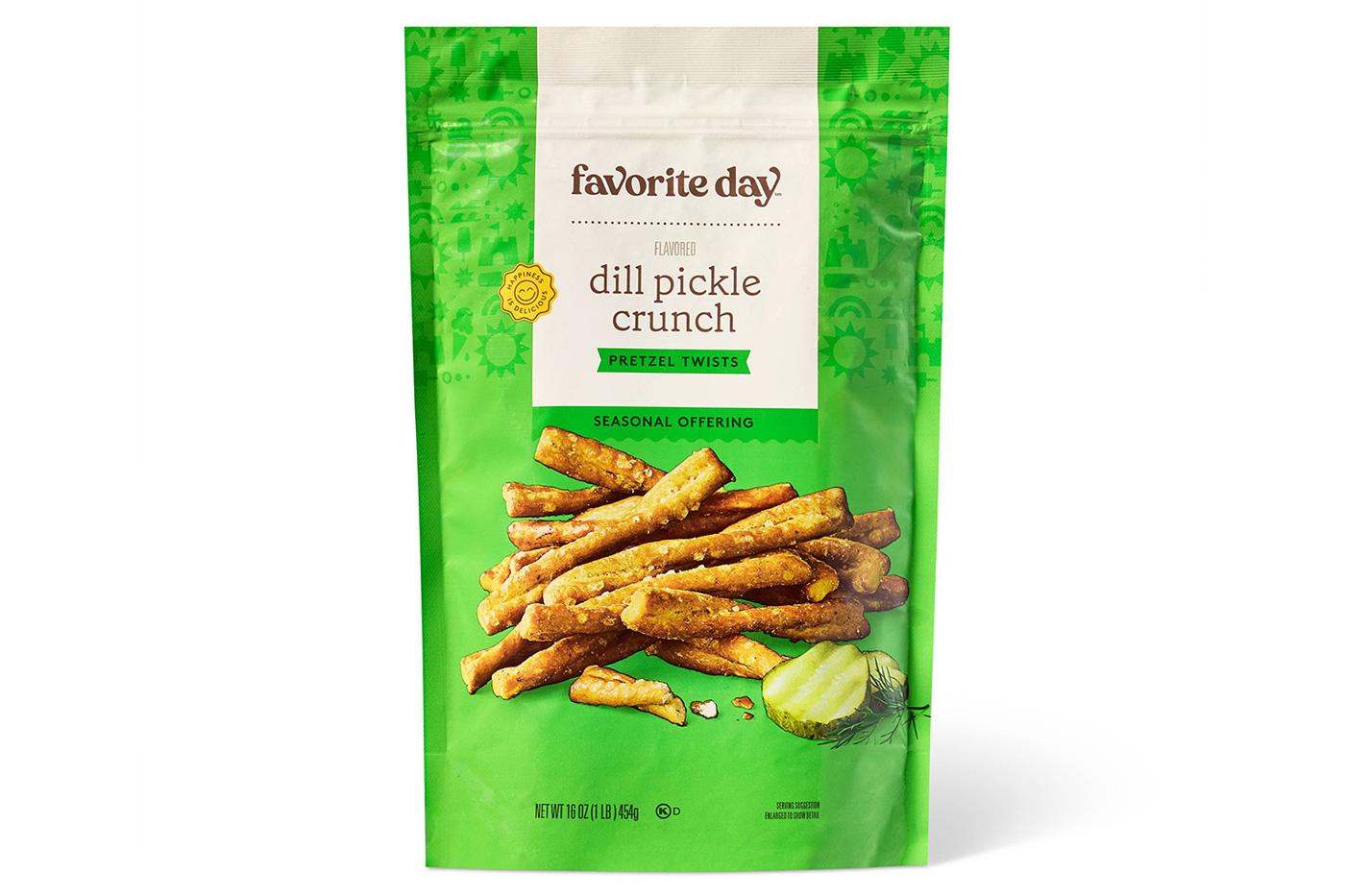
- In March 2025, Target shared that it would add 600 new food and beverage items to its Good & Gather and Favorite Day store brands. That total included the summer launch of two new Favorite Day seasonal ice cream flavors: Tart Cherry Blast and Peach Cobbler.
- BP disclosed in April of this year that it is adding more than 50 items to its Epic Goods private brand, which launched in 2024. Available only at ampm, Thorntons, and TravelCenters of America, the new SKUs include gummy candies, chocolates, salty snacks, packaged beverages, and more.
- In April 2024, Walmart debuted bettergoods, its largest private brand food launch in 20 years. The initial assortment of approximately 300 items, most priced at less than $5, spanned a variety of product segments, including frozen, dairy, snacks, beverages, pasta, soups, coffee, and chocolate. The items fall within three distinct category pillars: “Culinary Experiences” (trend-forward offerings spotlighting innovative recipes and ingredients), “Plant-Based” (such as cheese alternatives and oatmilk-based desserts), and “Made Without” (a range of free-from offerings such as gluten-free items and products made without added sugars or artificial flavors or colors.
“As the economy continues to weaken and consumers face financial concerns, private label brands are thriving,” emphasizes food industry consultant Amy Marks-McGee, founder of Trendincite.
“Store brands are filing trademarks for their products. In 2024, Aldi had 255 applications, Walmart had 211 applications, and Lidl had 177 applications,” says Marks-McGee.
Aldi announced a change in its private label branding strategy this fall. The retailer will move to unify its brand identity by including the Aldi name on every product package, replacing some labels while retaining popular store brand labels like Clancy’s and Simply Nature but adding “an Aldi original” tagline to them.
Breaking Out of the Mold
Marks-McGee has noticed considerable private label innovation in ready-to-drink nonalcoholic and alcoholic beverages and frozen pizza involving special partnerships with national brands or celebrities, quirky flavor combinations, and make-your-own concoctions.
For example, 7-Eleven and AriZona Beverages are partnering on Southland Reserve, an exclusive private label drink line for the convenience store company that is sold at 7-Eleven, Speedway, and Stripes stores. Introduced earlier this year, the Southland Reserve Cold Brew tea line includes four flavors: Lemon, Peach, Sweet, and Unsweet. In addition, Sheetz debuted two new vodka soda SKUs this past June: Shpiked Peach Ringz 5% ABV and the higher-proofed Shpiiiked Peach Ringz 8% ABV. The lightly carbonated drinks are mixed with peach gummy rings and distilled premium vodka.
Consumers’ continuing penchant for global flavor experiences influenced Target to launch Good & Gather Collabs with Chef Ann Kim, a James Beard Award winner. This line features seven Korean-inspired frozen foods, including four premium wood-fired pizzas: Four Cheese with Sweet & Spicy Chili Sauce, Pickle Pie, Spicy Sausage and Sweet Pepper, and Tavern-Style Uncured Pepperoni & Jalapeno. The most unique offering is the Pickle Pie pizza, which is topped with ranch sauce, sliced pickles, and crunchy potato chips. Similarly, Kroger’s Home Chef brand launched a limited-edition ready-to-bake Pickle Pizza featuring mozzarella cheese, Grillo’s hot pickle chips, pulled pork, red onions, and barbecue sauce. Such unusual creations are designed to get people talking and vlogging about their experiences.
Jill Dearing, a food industry consultant specializing in own brand innovation, points out that there are many opportunities for creativity in staple store brand categories as well. “One of the places where private brands have always had an incredible foothold is in the canned vegetable space,” she says. “I think it could be really interesting to play with that space and think about innovation. … Maybe it’s a totally different type of container. Maybe it’s a flavored broth instead of water.”
Consider garbanzo beans, for example. Instead of putting them in a can, they could be placed in a glass jar with some pimento and other ingredients, and “all of a sudden, you’ve got something that people might be really intrigued about,” Dearing suggests. Or, she adds, retailers could roll out a line of private label kits for making hummus (including chickpeas, tahini, and other ingredients) that would command attention in the canned vegetable aisle and encourage at-home experiences to share on social media.
“I think there’s untapped potential in just about every category when it comes to private label, mostly because so much of the focus historically has been on ‘me-too’ products that just follow what the national brands are doing,” says Kristal Sevcik, the 2025 chairperson of the Private Label Manufacturers Association and the vice president of business development for AmeriQual Group. “But there’s a real opportunity for retailers to break out of that mold. The retailers that are willing to take a chance and invest in developing products that actually taste better, are made with higher-quality ingredients, or are tailored to the preferences of the communities they serve have a huge opportunity to grow their private label lines. That kind of innovation can really set them apart and build loyalty.”
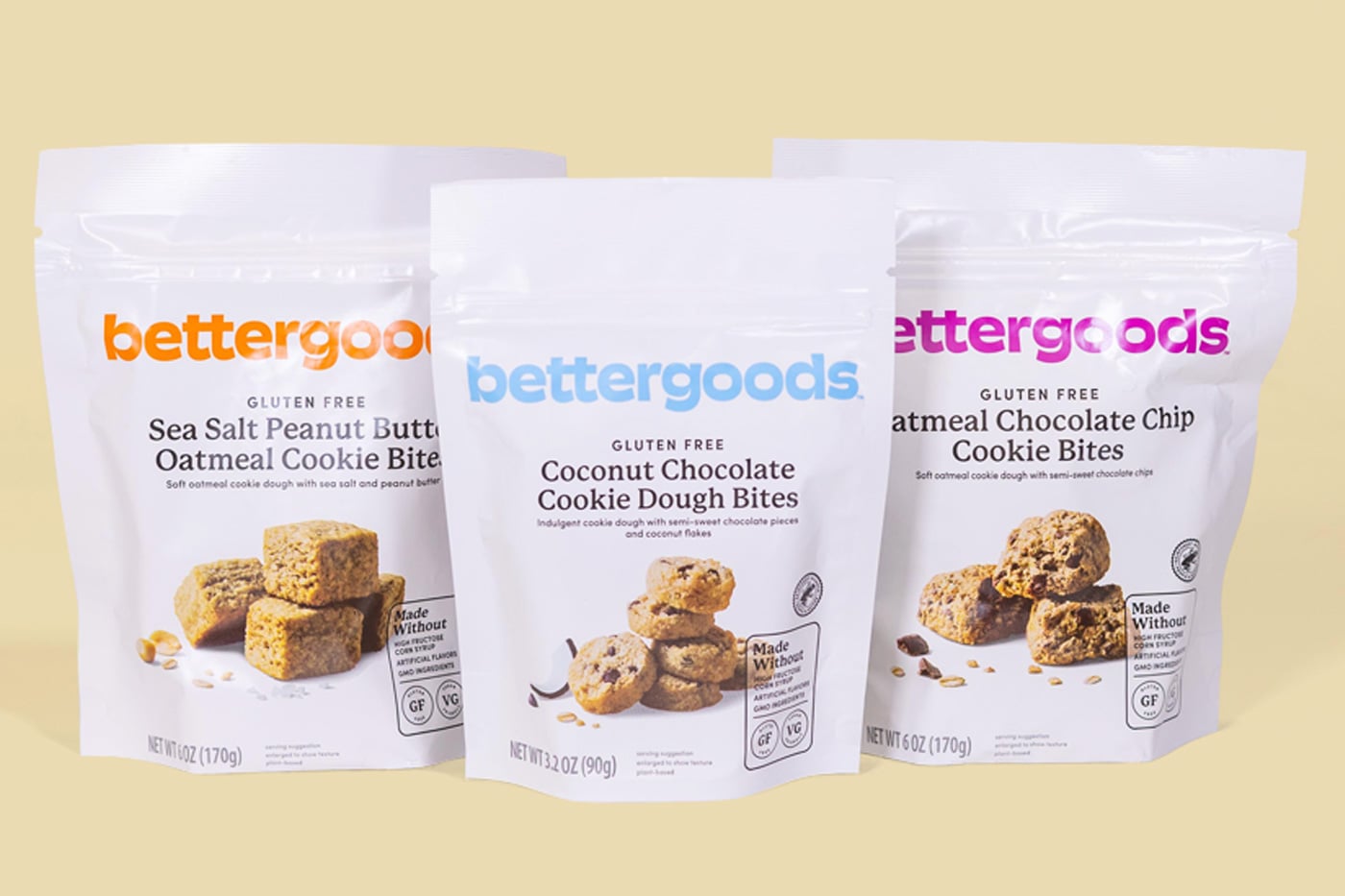
Walmart’s “Made Without” product assortment, part of its bettergoods private label line, addresses consumer desire for products that are made without artificial flavors and ingredients. Photo courtesy of Walmart
Private Label Priorities
In The Power of Private Brands 2024, FMI identified the top priorities for private label food and beverage. In addition to doing more to appeal to younger consumers, food retailers should better leverage key product trends in their private brand offerings, including emphasizing premium quality at a good value; simple, clean ingredients; health and well-being; and sustainability.
However, Sevcik cautions against relying simply on bold front-of-package claims to connect with consumers. The “more impactful message for private label products … should come from the retailer at a higher level,” she says. “The retailer should communicate that their private label products are responsibly sourced, thoughtfully developed, and held to high standards. That kind of trust-building message gives consumers confidence.”ft
Hero Image: Photo courtesy of Aldi
Authors
-
Carolyn Schierhorn
Categories
-
Food Business Trends
-
Consumer and Marketplace Trends
-
Food Product Development
-
New Product Development
-
Market Trends
-
Food Retailing
-
Formulation
-
Food Technology Magazine


