
Understanding Modern Hungers

 Kayt Sukel
Food Technology Magazine
June Jo Lee grew up at the intersection of Korea, California, and Texas. At an early age, she tried to understand why her American classmates turned up their noses at her mother’s spicy, tangy kimchi, which she adored. This marked the beginning of her journey in food ethnography.
Ethnography is a research method used in cultural and social anthropology to explore what is meaningful to different groups. Through targeted interviews and observational studies, ethnographers try to unravel the complexity of why humans do what they do—differentiating between what people say they do and what they actually do.
After achieving her master’s degree in cultural anthropology from Harvard University, Lee worked with global brands ranging from Nestlé to Google. At the heart of her work is a simple question: How do consumers decide what is good to eat? She has visited both ordinary and extraordinary kitchens to understand modern consumer culture—and how food shapes us.
Today, Lee consults with food and beverage companies, as well as others, to understand the stories people tell themselves about food. Food Technology recently spoke with Lee about why U.S. consumers are their own unique “tribe,” how ethnography can provide early signals of cultural change, and why everyone who works in the food industry could benefit from thinking like a food ethnographer.
What we think is good to eat reveals who we are.
Tell me more about what food ethnography is—and what role it can play in helping us understand what and how we eat?
We all know that food is so much more than nutrients, tastes, or even dietary lifestyles. We eat culture. We eat where we’re from. We eat where we are right now. We even eat who we’re becoming. What we think is good to eat reveals who we are.
I studied cultural anthropology and then worked at a small market research firm called the Hartman Group. Back then, about 20 years ago, we were applying anthropological methods, including ethnography, to consumer research. These were qualitative research studies that generated really unique insights.
I’ve worked with a lot of marketing and research and development (R&D) teams who can create almost any product imaginable. But the questions always remain: Will consumers buy it? And, will they buy it again, and again? Ethnography helps brands connect products to consumer needs, desires, and eating occasions.
What does an ethnographic study involve?
When I was learning how to apply ethnography and anthropology to consumer research at the Hartman Group, we did it in a very structured way, using a discussion guide embedded with our client’s very specific marketing questions.
But once I started working with Google as resident food ethnographer for their Global Food Program, my methods evolved. My research is now much more grounded in ethnographic fieldwork, exploratory interviewing, and storytelling. It is emergent, transparent, and longitudinal. Inspired by interacting with Googlers year over year (from 2014 to 2024) and observing how their food lives changed over time, I started my Deep Food Cohort of eaters that I track over time. I have three main sub-cohorts, Gen Z, Techies, and Young Farmers, because those are the groups where I’m hearing new stories and seeing early signals.
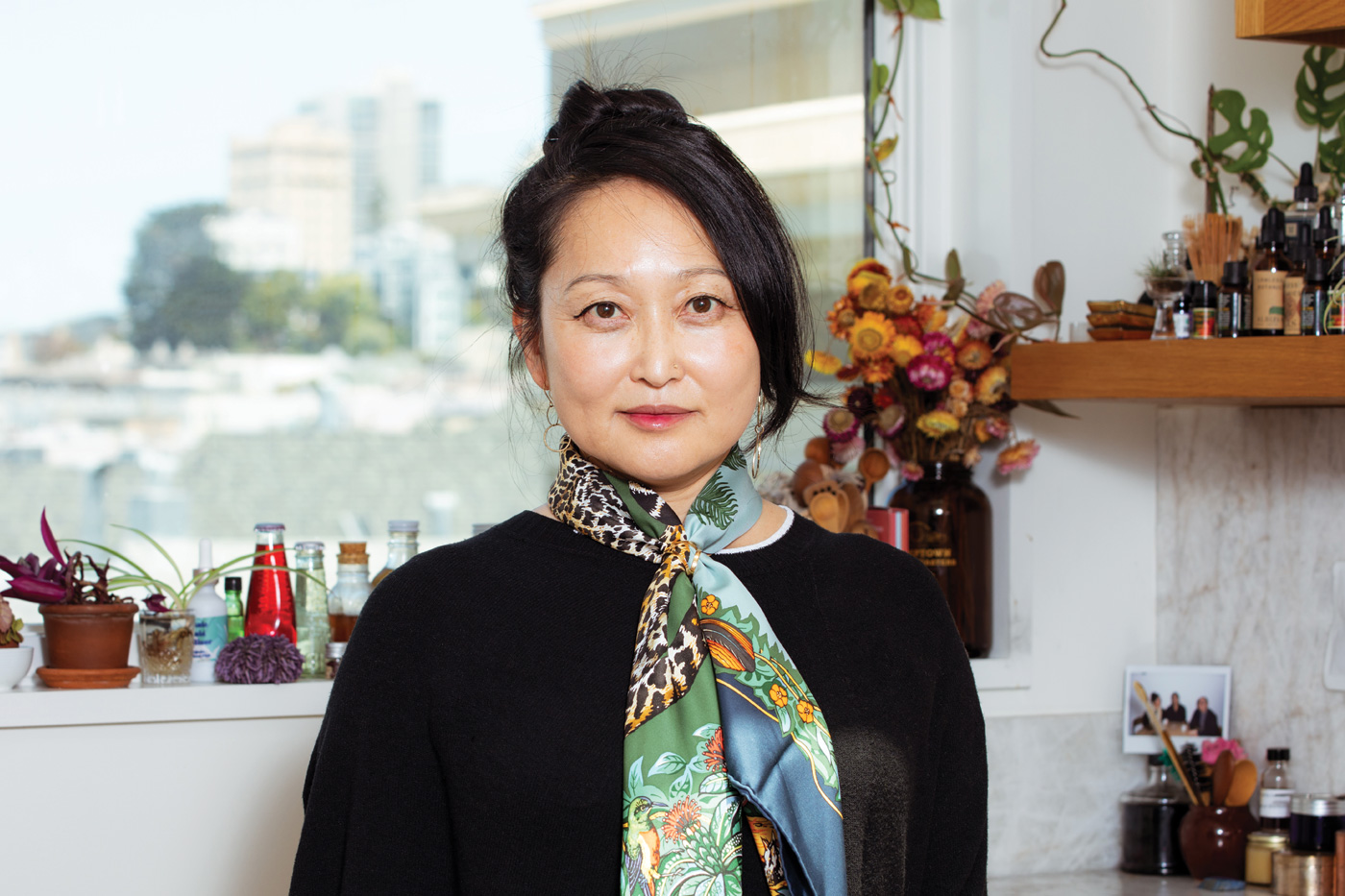
How does your ethnography compare to traditional methods like Margaret Mead’s studies in Samoa?
When I take on a consumer brand project, I similarly immerse myself, but the tribe I’m seeking to understand is U.S. consumers. First, I carefully recruit a representative sub-tribe of people, based on specific segmentation criteria. I observe them in their native environments (the kitchen, grocery store, cafeteria, online), to see the problems they are trying to solve, the assumptions they have about food, and how they might interact with a certain product or brand at a store and at home.
For example, I was doing a project for an aquaponic boxed salad company some years ago. An organic brand had a “Triple Washed” label, while my client’s labeling stated, “Please wash before using.” My client’s aquaponic salad mixes never used organic pesticides or fertilizers, unlike the organic brands, which were regulated to wash their salad mixes before boxing. But simply because a packing designer put these words on their package, it became a blocker in the consumer’s mind. They told me they didn’t want it because it added two extra steps to preparing a salad: “I have to wash it, and I have to dry it.” It also put an idea in their heads that there was something bad in there that needed to be washed off.
Ethnography allows us to slow down, take people through their decision-making process, and understand why they might choose one option over another. These are the little things that come up when you shop along with them, go home with them, and actually see, in situ, how they’re living and eating. Analyzing qualitative data across various regions reveals meta patterns and narratives. It tells you a more complete story.
What are some of the biggest challenges involved with trying to understand food culture—especially when it is always transforming?
That’s such a broad and profound question. You have to live with consumers, listen deeply, and feel everything for a while before you can see where food culture is moving toward. That’s when the early signals emerge out of the noise. My job, as I see it, is to live a little bit in the future to catch those early signals. Those signals help us understand historically where we’ve been and where we are going in the near future. I needed experience to develop this longer view.
My first project was for Frito-Lay back in 2005. I was a little worried about how to best approach it. It was my first project as a food ethnographer, and Frito-Lay wanted to understand “good food value.” I ended up decoding that as “fresh/less processed” after talking to consumers. Twenty years ago, before “less processed” was normalized as healthier and higher quality in mainstream culture, core health and wellness consumers were already putting a lot of value on foods with less ingredients and additives. It still took years before health and wellness became mainstream. By 2013, U.S. consumers started making strong connections between what they ate, how they felt, and their health and longevity.
Do outliers offer valuable insights?
Absolutely. I pay close attention to power users, culture-makers, and generational change. There’s a lot of talk about Gen Z and millennials these days. But even back in 2008, when I was at the Hartman Group, we first started seeing signs of this new type of consumer. The project was literally called “The New Age Consumer.” Kraft had noticed that a segment of the market was no longer buying their iconic brands. We did deep, intense analysis, looking at the quantitative sales data, as well as ethnographic research, to understand who these consumers were. It turned out to be millennials! They wanted higher quality, more premium foods with bolder, culturally diverse flavors. That’s still true today. Through this project, I started thinking about generations as a shorthand to understand cultural changes. I started thinking about the children of millennials and Gen X. Really, I was thinking about my own Gen Z kids and their future.
In 2016, I started my first longitudinal Deep Food Cohort with Gen Z. Since then, I’ve added Techies, and then last year I added Young Farmers as sub-cohorts. The future is really projections from our present of what we hold most dear from our past. Food is my portal to understand generational shifts and track early signals of our future. Food tells us who we are. When I ask you, “What’s good to eat?” I’m really asking: “Who are you? Who do you want to be?” If I know who you’re becoming, I’ll know what you’ll be eating.
A world without change means no hope.
What are some of the most surprising insights you’ve gained in your work?
From Gen Z I learned that digital is nourishing. While millennials were going on digital detox, Gen Z were using digital to de-stress, self-regulate, and connect with their wide social infrastructure across multiple time zones. Gen Z were comfortable living simultaneously both in real life and digital. Digital was their lifeline to the world. They’d rather lose a digit than their devices. Digital is also an essential flavor that makes food more delicious. And, flavor is emotional medicine. I learned to feel everything from Gen Z, especially when feelings get spicy. Staying with the trouble means you’re learning and growing and changing. A world without change means no hope.
Another surprising insight came through a project with Wal-Mart Labs. I learned that parents unintentionally limit their children’s food preferences. Parents want their kids to love eating vegetables. They want their kids to be adventurous eaters, so they will be adventurous in life. Yet, parents (unconsciously) limit food variety not because they don’t care, but because they’re exhausted and don’t want to fight over dinner. Dinner carries the burden and joy of nutrition, discovery, and connecting with family, while lunch can be a meal “just for me” to enjoy “foods I know I like.” When eaters have more control over their food choices by being part of the process (deciding, assembling, prepping, cooking, growing) dinner runs smoother.
From Nooglers (newly hired Googlers) I learned that eating a scratch-cooked lunch together with their team felt weird at first. They were used to eating a sad desk lunch alone at their previous workplace. But they quickly acculturated. Lunch together helped them trust their team and, for many, was their favorite time at work. Lunch also became their main meal of the day. They ate less and more simple dinners at home. Google was bending culture through their free food perk.
Stories are powerful ways to share information. But how do you tease apart what people say and what they do to gain the insights you need?
From an anthropological perspective, truth is fluid and subjective. I trust consumers to tell me about their life. I listen for their higher intentions. I listen deeply for their hungers beneath the bite. Food comes wrapped in stories about who we are and who we want to be. I’m also in their kitchens and shopping alongside consumers so I see what they do, too. And, I visit and revisit my longitudinal Deep Food Cohort to track changes over time.
Marion Nestle talked about food as politics. My work delves into food as culture. And culture is always changing. Protein is now the darling in food culture. But before that, there was keto, gluten-free, good fats, and fat free. I see flavors and nutrients endlessly weave themselves together to create new stories about food. I’ve learned with experience to discern which ones are juicy and sticky and worth following.
Of course, food marketers create their own stories. How do they influence what we eat?
When Danone and Nestlé wanted consumers to understand the importance of probiotics, they made huge investments to normalize the idea that something invisible and alive in your food could support gut health [and] improve digestion and poop. U.S. consumers do not like talking about poop! It was a hard story to tell and to sell. But now yogurt and kimchi are staples in U.S. fridges. This was a multi-threaded cultural shift created by food marketers, chefs, scientists, health and wellness influencers, activists, and fermenters.
How might technology change how we eat?
Back in 2009–2010, when the iPhone was introduced, it really became a game changer. Consumers would pull out their phone in the middle of an interview to look something up. They wanted to make sure they were getting it right. Phones helped them become more adventurous. I remember one consumer in White Plains, N.Y., who told me that before she got her smartphone, she went to H Mart and couldn’t understand what any of the products were. And so she turned around and went home. But once she had her phone, she went back and could make sense of this new food culture. A whole new food world opened up for her. Food became very exciting.
Consumers are also integrating generative artificial intelligence (AI) into their food lives. They are using it to meal plan, shop, and find new ways to use ingredients on hand. We are teaching it to cook by hand feeding it (literally cutting and pasting) recipes. Soon genAI will learn how to taste, too.
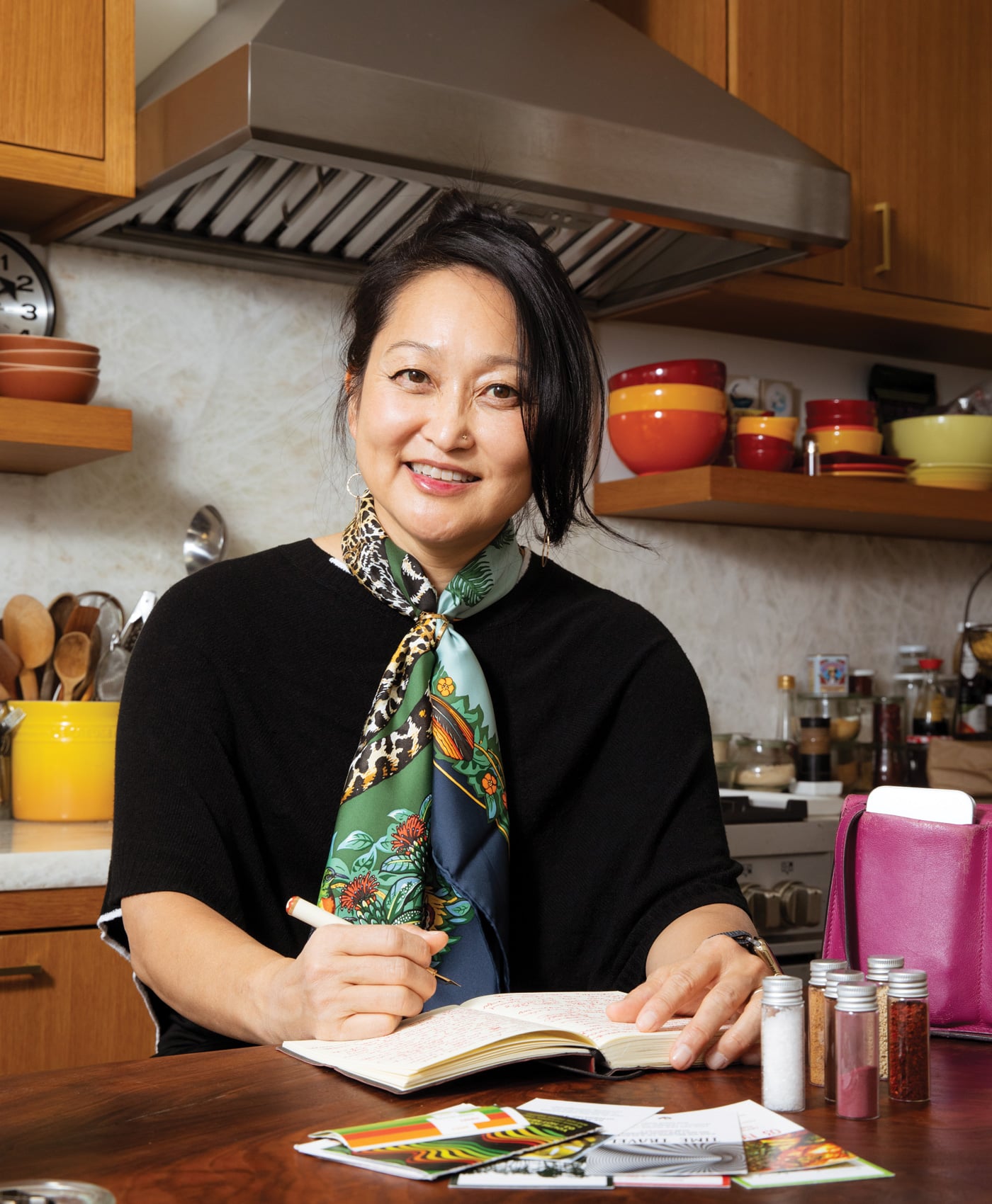
What’s the most important thing you hope people understand about food ethnography?
My ultimate aim is to find keys to unlock new ways for brands to enter into consumer food lives. It’s not easy. Often, brands and clients, especially in the premium space, are doing a lot of good things for the world, their communities, and their employees. They want to get that message out. On surveys or focus groups, most consumers will say that these things matter, but in the heat of getting dinner on the table on a Wednesday, if they had a choice, they would rather not have to wash the salad and spin it dry.
When you listen deeply to the stories people tell about what and how they (want to) eat, you are better positioned to meet consumers where they really are. If you want to be an even more effective food innovator, marketer, and seller, add food ethnography to your tool kit and inspiration box. Especially now, as consumers are trend chasing and looking for the next new thing, we all need to listen deeply to the modern hungers beneath the bite. We are all hungry for more caring. That’s leading us to connect deeper and cure our silos—those old stories that keep us apart and no longer serve us.
Here’s how to be a food ethnographer. Start by asking: What food takes you right back home? What are your food rules? How are you learning to care more about food in your life right now? Listen deeply to what’s said and not said, with openness and hyper-self-awareness. Feel everything. And then, rewrite the menu!ft
Hear More From June Jo Lee at IFT FIRST
June Jo Lee’s ability to explore complex issues will be front and center this summer at the IFT FIRST Annual Event and Expo when she moderates a keynote panel discussion on GLP-1 drugs and their impact on consumers and the food industry. That keynote session, “The Desire Dilemma: How GLP-1 Agonists Shape Behavior and Future Research Opportunities,” is scheduled for 1:15 p.m. to 2:15 p.m. on Tuesday, July 15, at Chicago’s McCormick Place.
The roster of panelists that Lee will lead in the discussion includes Lydia Alexander, chief medical officer at Enara Health and president of the Obesity Medicine Association; Nicole Avena, associate professor of neuroscience at the Icahn School of Medicine at Mount Sinai and visiting associate professor of health psychology at Princeton University; David Despain, senior principal nutritionist at Nestlé Health Science; and Bruno Didier, head of B2B at CookUnity, a meal subscription service featuring chef-crafted menu items.
Vital Statistics
Career Track: Vice president, strategic insights, the Hartman Group; resident food ethnographer, Google’s Workplace Services; cofounder of children’s book publisher Readers To Eaters and coauthor of picture book biographies
Wise Words: “You have the power to rewrite the menu and remake a more delicious and livable future.”
LinkedIn: Meet June Jo Lee
Hero Image: Photos by Angela Decenzo Photography
Authors
-
Kayt Sukel Author
Kayt Sukel is a book author, magazine writer, and public speaker who frequently covers scientific topics.
Categories
-
Food Business Trends
-
Food Health Nutrition
-
Consumer and Marketplace Trends
-
Food Product Development
-
New Product Development
-
Diet and Health
-
R and D
-
Issues & Insights
-
Food Technology Magazine


