
What Is the Future of Meat?

 Kayt Sukel
Food Technology Magazine
-
Key Takeaway 1
Sales of conventional meat products are growing while alt-meat sales have declined.
-
Key Takeaway 2
Alt-meat makers are working to simplify formulations in a bid to woo consumers who are wary of products with long lists of unfamiliar ingredients.
-
Key Takeaway 3
Conventional meat producers have responded to consumer concerns with more grass-fed, humanely raised meat products.
-
Key Takeaway 4
The future of meat will be diverse, blending traditional, plant-based, cultivated, and hybrid options to meet evolving consumer expectations.
In 2020, Kearney, a leading management consulting firm, published a cautionary report suggesting that the costs of feeding livestock, greenhouse gas emissions, climate change, and other issues would significantly disrupt the conventional meat market. In the publication, Kearney analysts argued that new solutions to grow meat production and make related processes more efficient were all but exhausted. As a result, agribusiness needed to prepare for more companies (and consumers) shifting away from beef and chicken and toward meat alternatives, including plant-based and cultivated meat products.
That year, plant-based pioneer Impossible Foods was taking the world by storm. With the introduction of the Impossible Burger, a soy-based product said to mimic the taste of a good, old-fashioned hamburger, the company’s sales surged. These plant-based burgers, once available only at high-end restaurants like New York’s exclusive Momofuku Nishi, were soon available to the masses on quick-service restaurant menus at White Castle and Burger King. Impossible’s main competitor at the time, Beyond Meat, was also gaining traction in the market. Soon, it seemed as though consumers, vegetarian and non-vegetarian alike, were hungry not only for plant-based burgers, but plant-based alternatives to chicken, sausage, meatballs, and pork. Kearney’s prediction of a massive shift away from conventional meat seemed on point.
Yet, nearly as rapidly as plant-based meats captured consumer attention, the market went flat. By 2022, the ketchup was off the proverbial plant-based burger. JP Frossard, a consumer foods analyst with Rabobank, says the “culture of great experimentation” that characterized the COVID-19 pandemic period was likely a key contributor to the early and impassioned interest in alt-meats.
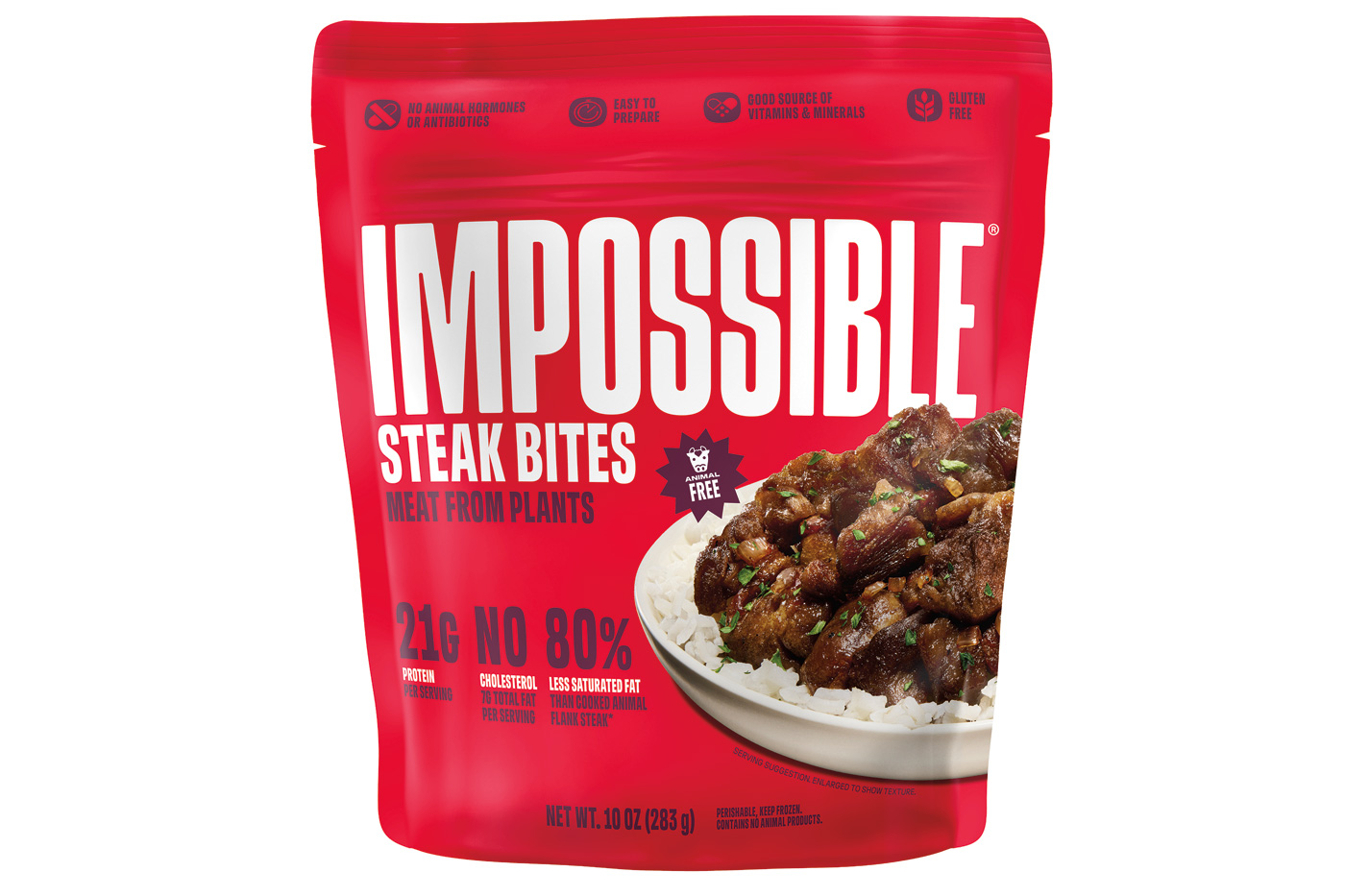
“Thanks to the COVID-19 pandemic, consumers were stuck at home. They had a lot of income to try new products. They were bored, they were baking sourdough, and they were hearing about the benefits of plant-based meat,” he says. “And while many consumers tried these products, they did not ultimately start buying them regularly. They didn’t accept a product that didn’t ultimately deliver on taste or price—and also had a long and complicated ingredient list.”
The significant agribusiness challenges highlighted by Kearney in its 2020 report have not gone away. Yet, in just the past year, conventional meat has seen record sales numbers with 98.2% household penetration in the United States, according to research by FMI, The Food Industry Association. Simultaneously, despite relatively limited repurchase rates for a variety of plant-based products, many companies, large and small, are hard at work on developing better-tasting products with simpler ingredient lists. In addition, the regulatory pathway for cultivated meat products is opening up—with organizations beginning to gain approval from the U.S. Food and Drug Administration (FDA) to bring products to market. There is a lot of movement across these three distinct segments of the meat market, which begs the question: What does the future of meat look like?
Several huge market indicators suggest that meat and poultry just aren’t as demonized as they were even four or five years ago.

Driven by Protein
Anne-Marie Roerink, principal and founder of 210 Analytics, a quantitative and qualitative research firm, says that today’s consumers are driven by a growing desire for more protein in their diet. Whether a person wants to lose weight, increase muscle mass, facilitate bone health, or embrace healthy aging, protein is now the go-to nutrient.
“Protein has now become so big that it’s really brought people back to eating more conventional meat. In the past, they might have been worried about their meat consumption, or tried to minimize it for health reasons,” she says. “But several huge market indicators suggest that meat and poultry just aren’t as demonized as they were even four or five years ago—and that’s led to a rapid rise of meat sales at retail.”
Yet, Frossard maintains, there’s more than one way to increase your protein intake. He says one mistake that early plant-based meat producers made was to suggest their products were the only alternative to meat, particularly red meat.
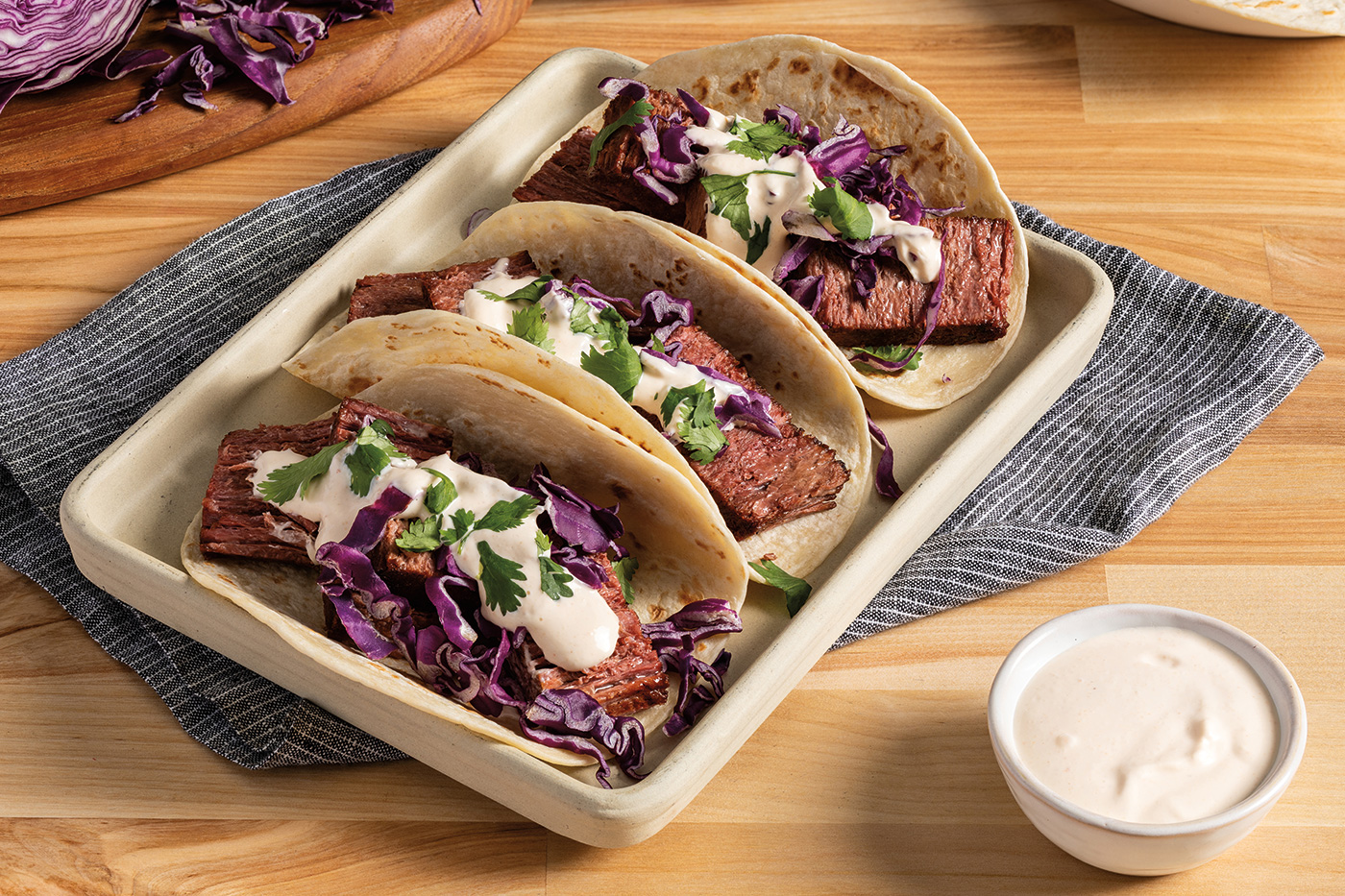
“They never considered chicken or seafood as competitors. They didn’t look at a can of organic garbanzo beans at Whole Foods, which cost 99 cents, as a competitor. They were very focused on mimicking the cow,” he says. “The problem is that consumers quickly realized they could have steak one day and then chickpeas the next. They didn’t need to compromise on price or taste, and they could buy other proteins that were sustainable.”
The continued emphasis on protein in the food market should be a boon for alt-meat developers. After all, one can only eat so much steak, chicken breast, and beans. The meat market as a whole is at a “super pivotal moment,” reflects Amos Golan, founder and chief executive officer of Chunk Foods, which develops plant-based whole-cut products.
“People are realizing that if we can create alt-meat products that taste great and meet the price point that people are willing to pay, they can be competitive,” he says. “Instead of things that are just for vegans and vegetarians, we can have new protein sources that are attractive to everyone.”
Instead of things that are just for vegans and vegetarians, we can have new protein sources that are attractive to everyone.

Plant-Based Market Evolution
What does this mean in terms of plant-based meats? Timo Recker, cofounder, CEO, and chairman of TiNDLE Foods, a company that produces plant-based chicken, says that while sales across the entire alt-meat category are declining year on year, he believes it’s important to “review those numbers in the context of the full global food system.” He and his team at TiNDLE are currently focused on “wowing the consumer” by creating unique offerings that don’t compromise on taste, nutrition, or convenience. TiNDLE, like other companies in the plant-based space, is also trying to simplify ingredient lists because consumers remain concerned about what’s actually in any alt-meat products they consume.
“I think discoveries and new applications of ingredients will push the market forward,” he says. “Over the next five to 10 years, advancements in new formats and flavors will support the growth of our category, on top of a lot of the work being done today to clean up ingredient lists and product labels.”
Paul Shapiro, the chief executive officer of The Better Meat Co., whose company produces mycelium-based ingredients to help improve alt-meat products, says plant-based meats are still doing well in Europe and Asia. So, organizations that focus on the three P’s—price, performance, and perception—should find more market traction in the future. He adds that companies can benefit when they expand their notions of what plant-based products should look and taste like. Not everything has to mimic beef.
“People switch what kinds of meats they eat. Forty years ago, we ate way more beef than chicken. Now we eat more chicken, for various reasons,” he says. “These animals taste different from one another. Chicken doesn’t taste like beef. Beef doesn’t taste like pork. But we developed a taste for all of them. So, I hold out hope that, if we can continually add more protein, we can use other species of mycelium to create some new delicious tastes. That will help us see growth.”
When asked if he believed the plant-based meat industry would regain its footing in the decade to come, Rob Dongoski, global lead, agriculture and food at Kearney, was circumspect. He believes that advances in fermentation, which have the power to improve the taste, sensory experience, and nutritional value of future plant-based products, have great potential—but only if product prices simultaneously come down. That will take some time.
“Fermentation has so many applications. We haven’t seen all it can do yet,” he says. “But when you look at the value proposition, people might have been willing to pay a premium for these kinds of products a few years ago when they were new, but they aren’t now.”
Still, for his part, Frossard believes consumers will be eating more plant-based meat than we consume today, but he agrees with Shapiro that the fate of the market depends on companies looking beyond trying to make only facsimiles of beef or chicken.
“Consumers are much more focused on natural whole foods. They don’t want something ultra-processed,” he says. “I think we will be eating more plant-based protein products in the future, but the question is, ‘what kind?’ We should be open to other types of products that offer concentrated protein, not just meat.”
The most important thing to do for cultivated meat is to bring down overall facility costs.

From the Lab to the Plate
Cultivated meat has seen several critical breakthroughs recently—from ingredient advances to regulatory approvals. But fear of so-called “Frankenfoods” created in petri dishes has led to bans in states like Florida and Alabama—and that was before any products were on the market. Roerink says that despite advances, consumers remain wary of cultivated meat products.
“We want technology in so many parts of our lives … but when companies try to combine food and technology, we just see increasing levels of worry,” she observes. “There is a large percentage of the population who just aren’t sure they are interested in meat that is lab grown, especially when they can just get it from the animal.”
Then there’s the matter of an inability to adequately scale to make cultivated products competitive. Josh Tetrick, cofounder and chief executive officer at Eat Just, says his company was the first to gain regulatory approval to sell cultivated meat in Singapore. He believes that cultivated meat has “enormous potential,” particularly for people who want the taste and texture of conventional meat, but it needs to overcome significant technical challenges first.
“The most important thing to do for cultivated meat is to bring down overall facility costs,” he says. “Right now, if you want to make tens of millions of pounds per year of cultivated meat, you’ll spend north of half a billion dollars. That’s just not viable.” Tetrick says, however, that as smart engineers and scientists work on creating a production vessel that can reduce media costs, get cell density up, and preserve sterility—all while producing this alt-meat at a large scale—consumers will eventually follow.
“There’s still a ton of concern about the kind of meat we currently consume and its impact on the health of the animals, the health of the soil, and the health of our own bodies. That will encourage people to try it, especially as it becomes more broadly available,” Tetrick says. “We see cultivated meat as a necessary part of an overall transition away from the more intensive farming that dominates our system—and if people continue to want meat, this will become a more sustainable way to get it.”
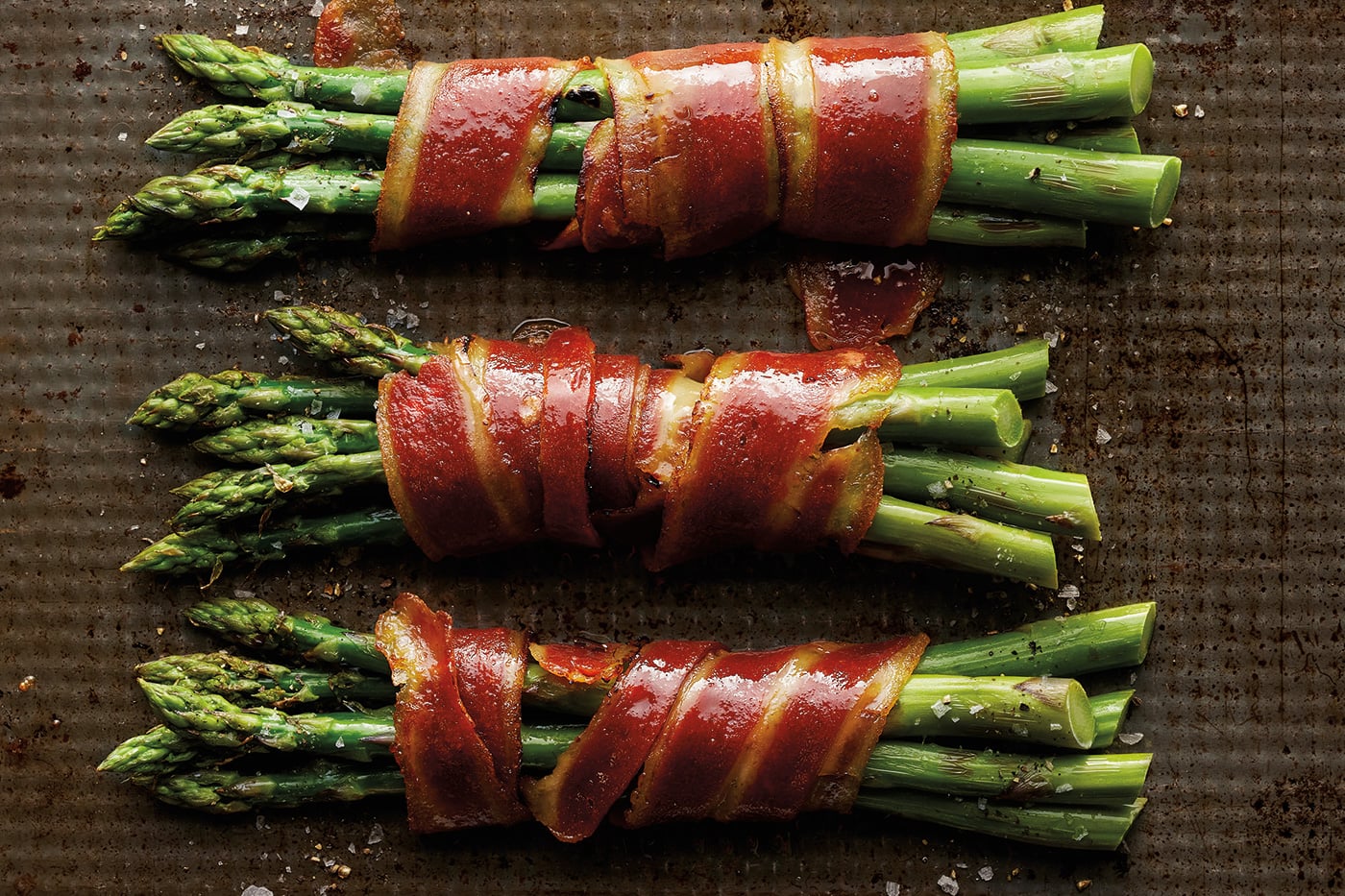
Instead of trying to create steaks or chicken breasts, other companies are approaching cultivated meat from a different angle. Mission Barns, a startup that uses proprietary bioreactors to grow animal fat, recently received FDA approval to sell its cultivated pork fat product. Bianca Lê, head of special projects and external affairs at Mission Barns, says the use of this kind of cultivated fat could help make plant-based options more palatable.
“A lot of consumer testing has been conducted to understand why there’s such a low repurchase rate for many plant-based categories. And the No. 1 reason is taste,” she says. “People want really delicious food—and since fat is where all the flavor is, you can combine small amounts of cultivated pork fat with majority plant protein to keep costs down and make sure the tastiest part of the meat is included in your products.”
Lê agrees that cultivated meat is hampered by technical challenges—and it will take a while to scale up production and reduce costs enough to get to price parity with conventional meat. Yet, by producing small amounts of cultivated fat now, they can make smaller, tactical product launches to help large food manufacturers see the value of investment.
“We want to provide proof points to larger companies to say, ‘Look, there is a demand. Look, it’s flying off the shelves. Look, consumers actually do want to eat this, and they are willing to pay for it,’” she says. “By working with larger global food manufacturers around the world, who already have distributors and supply chain infrastructure, we can work with them to help us scale.”
Frossard, however, says trying to forecast the future of the cultivated meat market, at this point, would be “pure speculation” because there are simply too many unknowns. And once the technical obstacles are overcome, the consumer market will be completely different, and consumers will want the food industry to provide them with completely different foods.
“Today, we see consumers raise their eyebrows at lab-grown meat,” he says. “The cultivated meat players have made a lot of headlines because there have been significant investments going that way. But it’s going to take time to see what they do and whether consumers will be open to it on a larger scale.”
Hybrid Options?
Mission Barns is betting on mixing cultivated and plant-based meat. Others, including Frossard, also see an opportunity in hybrid products that integrate conventional meat with plants.
“We see some pockets of growth with hybrid products, especially in foodservice,” he says. “But it’s important to remember that blending things with meat is the oldest trick in food processing. My grandmother has a delicious meatball recipe that only requires one pound of ground beef to feed the whole family. … I’m not saying that companies should add fillers as has traditionally been done. But companies do have an opportunity to add additional protein, fiber, and other nutrients to make new products that are super nutritious.”
Roerink, however, believes consumers would be open to this—and many are likely cooking up their own hybrid products at home. There is room for innovation in this space, she says, noting that so far many of the hybrid product introductions have been focused on the kids’ market.
“Ground beef was the No. 1 growth item across 85,000 subcategories at retail. You could say it was just due to inflation. But when you look at actual number of packages sold, it comes in at number five,” she says. “Putting veggies into meat should be a big thing right now, provided it doesn’t come at a greater price point for consumers. Yet, the biggest hybrid product out there right now is a chicken nugget with vegetable content, which is very popular among parents who want a healthier offering for their kids.”
The Future of Meat Is Diverse
When it comes to forecasting trends in the greater meat market in both the short and long term, it’s clear there is a lot of uncertainty regarding alt-meats. Experts agree that it’s unknown what any new federal regulations prompted by the Make America Healthy Again movement might do to innovation in this segment—or, equally as important, to consumer acceptance of different offerings.
That said, given the challenges conventional farming faces, many analysts and experts see great opportunity in both plant-based and cultivated meats. They recognize that companies in the space must find ways to address price, performance, and perception to see even a fraction of the growth observed in alt-meat products just a few years ago. But even as companies do deliver great-tasting, high-protein alt-meats, Roerink believes that consumers will remain loyal to conventional meat and poultry for the foreseeable future.
“High-protein, low-carb eating has been around for a while and seems to be here to stay,” she says. “And you see that when you look across different departments in retail and restaurants. We’ve also seen growing consumer demand for frozen meats and deli-prepared meats. It’s not just one department stealing from another—it’s rising demand for meat across the board.”
She believes this growth, in part, is because the meat industry listened to why consumers were interested in plant-based meat alternatives in the first place. “By and large, people were interested because they thought meat was bad for animals and the environment. They were worried about hormones and antibiotics,” she says. “That’s why we are seeing more and more regenerative farming. We’re seeing farming that focuses on the humane treatment of animals. We’re seeing big, big increases for all things with organic, grass-fed, and regenerative labeling. Listening to the consumer and addressing some of those concerns has helped lead meat and poultry back to the plate.”
Katelin Parrish, director of category management for Verde Farms, a leading supplier of organic, 100% grass-fed and pasture-raised beef in the United States, says you can see massive growth in what she termed the “better-for-you” beef products, which Verde defines as products that check the hormone-free, grass-fed, organic, and regenerative farming boxes.
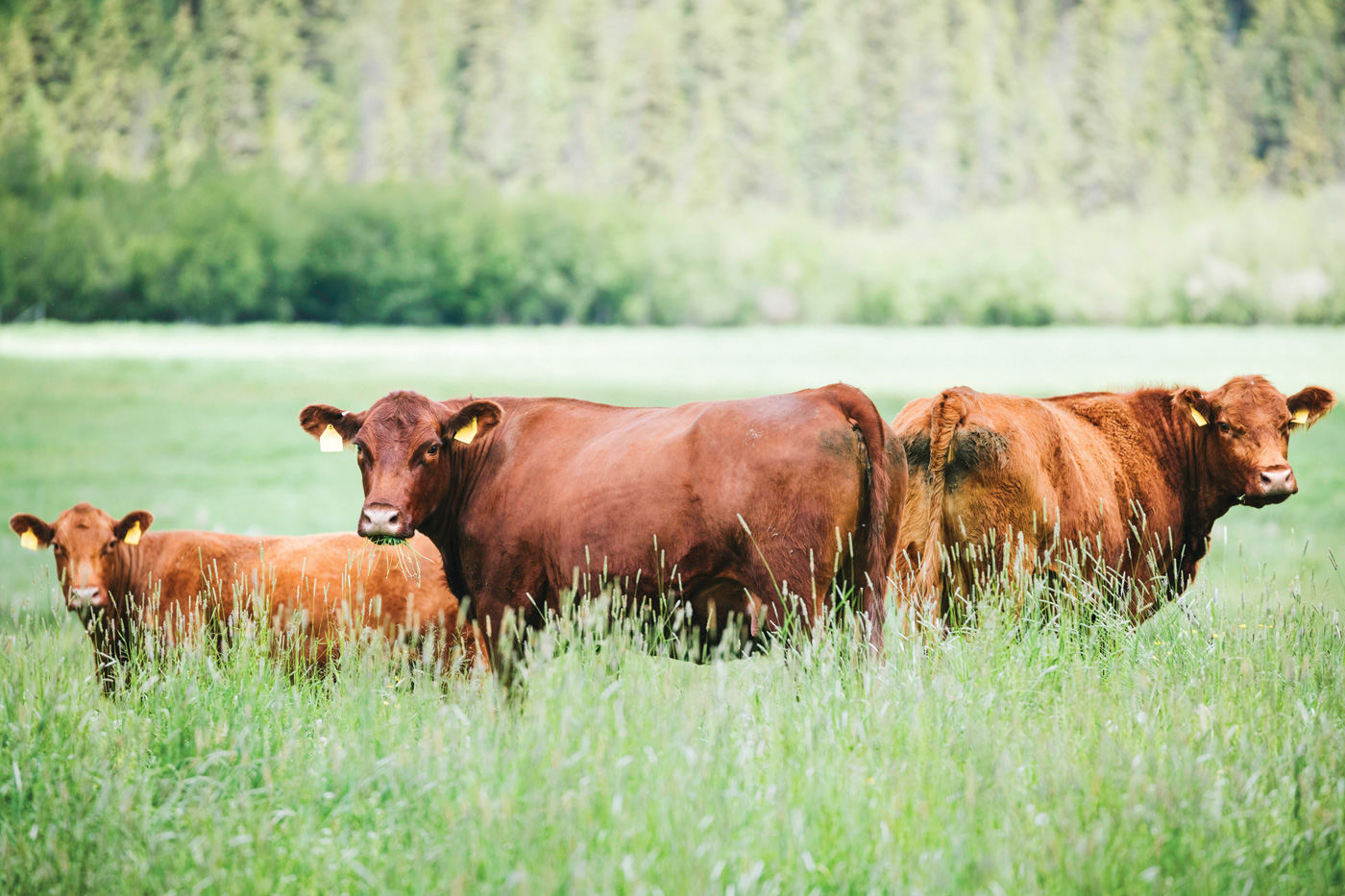
“This better-for-you beef has a very substantial share of the total beef universe, and it’s picking up momentum quite fast,” she says. “Organic remains the No. 1 growth driver, right ahead of grass-fed. And it’s that tip of the spear, the most premium of premium beef that supports the best lifestyle for the cow and the farm, and the best thing for your lifestyle as a human, that we see driving a ton of growth.”
Yet, while the desire for conventional meat may not be diminishing, other issues like climate change and the increasing cost of feeding livestock remain a growing concern for its long-term outlook. And provided that alt-meat companies also carefully listen to consumers to understand their needs and concerns, Shapiro believes the future will bring changes to the meat market similar to those seen in the dairy aisle. As new products are developed and available in both supermarkets and restaurants, consumers will one day have a variety of options to help ensure they are getting adequate protein intake.
“In the future, I think the definition of meat will become far more inclusive, which is to say there’ll be a more diverse view of what we think meat is, not just the flesh from a slaughtered cow,” he says. “We will see meat coming from a variety of sources, both plants and animals. It will come from mycelium, it will come from cell culture, and it will come from hybrid sources. We’ll just have a different view of what meat is, just as we have a different view of milk now than we did in the past. We’ll have different options, and based on what we like, we’ll be able to just enjoy our meat experience.”ft
Hero Image: © Sergey Kotenev/unsplash
Authors
-
Kayt Sukel Author
Kayt Sukel is a book author, magazine writer, and public speaker who frequently covers scientific topics.
Categories
-
Food Categories
-
Food Ingredients and Additives
-
Cultured Meat
-
Meat and Poultry
-
Proteins
-
Novel Technologies
-
Issues & Insights
-
Food Technology Magazine


