
A Solution for Vanillin, Chobani's Shelf-Stable Milk, Dads and Grocery Shopping

 Emily Little
Food Technology Magazine
© Liliia Bila/iStock/Getty Images Plus
A not-so-vanilla solution for vanillin
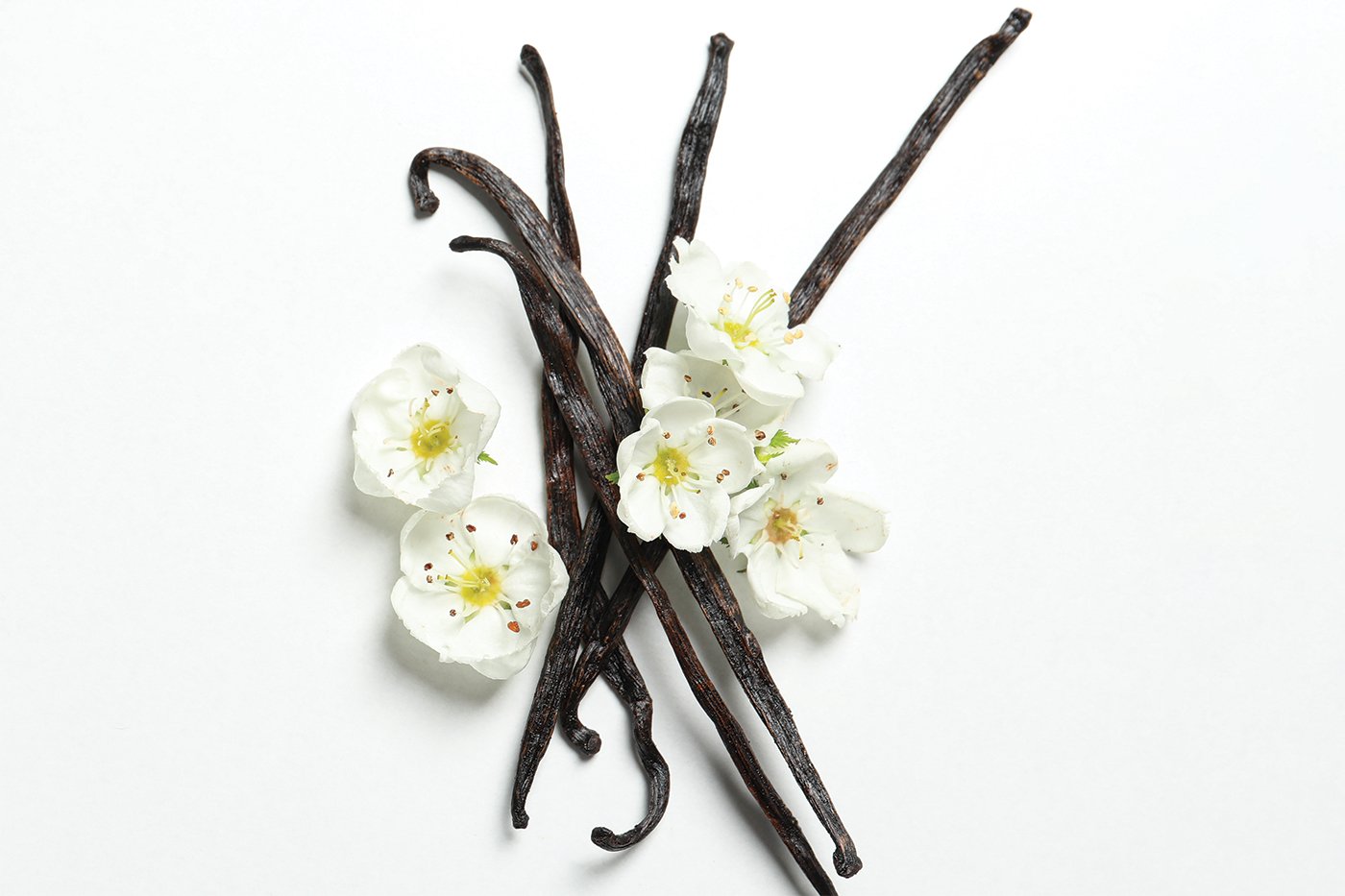
Researchers at the Tokyo University of Science have developed a bioengineered enzyme that can convert ferulic acid from plant waste into vanillin.
Vanillin is a chemical compound found in the seeds of vanilla plants that contributes the plant’s distinct aroma. Traditional laboratory methods for converting ferulic acid into vanillin typically have small yields and are not considered commercially viable.
The research team, led by Professor Toshiki Furuya, looked to genetic engineering to develop an enzyme that can aid in the conversion. Team members used a modified oxidase enzyme to predict amino acid changes that would enable interaction with the ferulic acid. Through trial and error, they found the specific amino acids that needed to be replaced so the reaction could take place.
“Ferulic acid, the raw material, is a compound that can be obtained in abundance from agricultural waste such as rice bran and wheat bran,” Furuya said in a press release. “Vanillin is generated by mixing ferulic acid with the developed enzyme at room temperature. So, the established technology can provide a simple and environmentally friendly method for producing flavor compounds.”
One of the benefits of the enzyme the team developed is that it does not need a co-factor for conversion and showed a higher catalytic efficiency than “wild-type” enzymes. The researchers hope that the bioengineered enzyme can help complete reactions at scale.
“Harnessing the potential of microorganisms and enzymes to derive valuable compounds under mild conditions from renewable plant-based resources offers a sustainable approach to minimizing environmental footprint,” Furuya said.
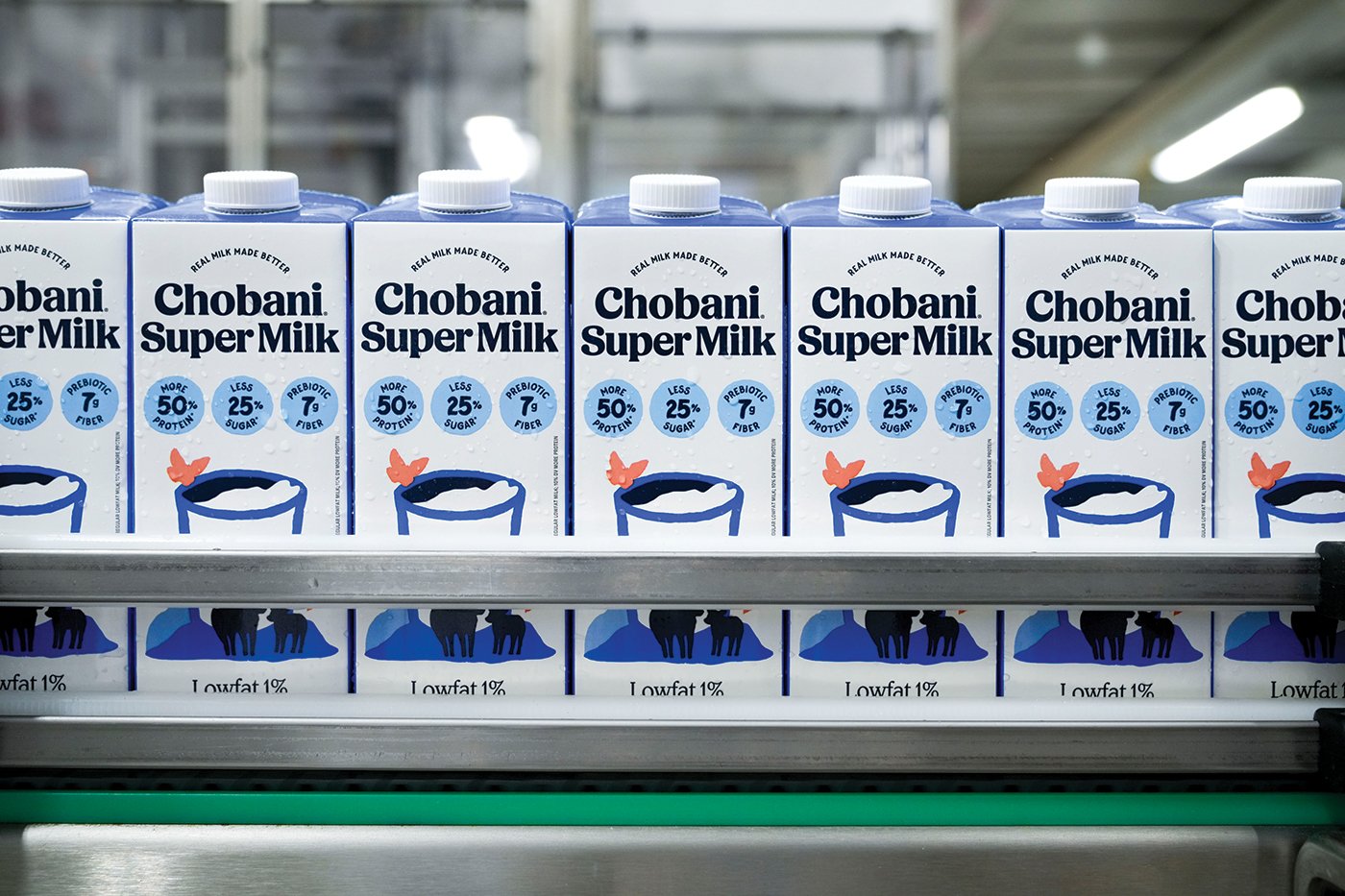
Photo courtesy of Chobani
Chobani launches shelf-stable milk
Chobani recently announced the launch of Chobani Super Milk, a low-fat, shelf-stable dairy milk developed to support those in need.
Chobani will produce 145,000 pounds of Super Milk, which will be donated to disaster relief organizations and food banks across the United States. The brand will work with the American Red Cross to ensure the product is going to communities with the greatest need.
“We know food is essential, but it becomes an even greater need during natural disasters,” Chobani founder and CEO Hamdi Ulukaya said in a press release. What we did at Chobani was make a solution that could be deployed when and where it’s needed.”
Chobani Super Milk provides 13 grams of protein, 7 grams of prebiotic fiber, and 9 grams of sugar per serving. Each 32-ounce package contains four servings and has a shelf life of nine months. Super Milk is fortified with vitamins A and D.
The American Red Cross responds to over 65,000 disasters annually. Red Cross President and CEO Cliff Holtz said he appreciates Chobani’s partnership to provide nutrient-dense milk for those who need it.
“Chobani sent a truckload of Super Milk to New Mexico in just a few days, helping power our relief efforts for those impacted by the wildfires,” he said in a press release. “We’re grateful for their generosity and partnership as families continue to rely on the Red Cross for vital comfort and care in the wake of more frequent and intense disasters.”

© bernardbodo /iStock/Getty Images Plus
Dads doing more grocery shopping
Fathers have increased their household grocery shopping roles over the past six years, according to new data from YouGov.
A YouGov report compared grocery preferences and behaviors between mothers and fathers. This included survey data from approximately 20,000 moms and dads between August 2022 and August 2023.
According to the report, 50% of dads surveyed stated that they were the sole grocery shopper for their household in 2023, compared to 39% in 2017. Additionally, dads tend to shop more frequently with smaller purchases, while moms shop less often while buying more. Further, 60% of fathers surveyed said they prefer to buy things online rather than in stores, compared with 55% of mothers.
While shopping, mothers were more likely to look for deals and sales than fathers, with 79% of mothers surveyed saying they utilize all sales, deals, and coupons available. More mothers also believed that loyalty programs were a good way for brands and businesses to reward customers. Fathers, on the other hand, were more likely to purchase top brands, with 49% stating they buy only the best-known brands. When breaking down categories, dads led the way in fresh seafood and alcohol purchases, while moms led in dairy products, snacks, and pantry items.
Inflation has also caught the attention of both parents at the grocery store, with 81% of moms and 71% of dads reporting that they have noticed significant price increases in food.
© da-kuk/E+/Getty Images Plus
Yogurt with honey sweetens gut bacteria
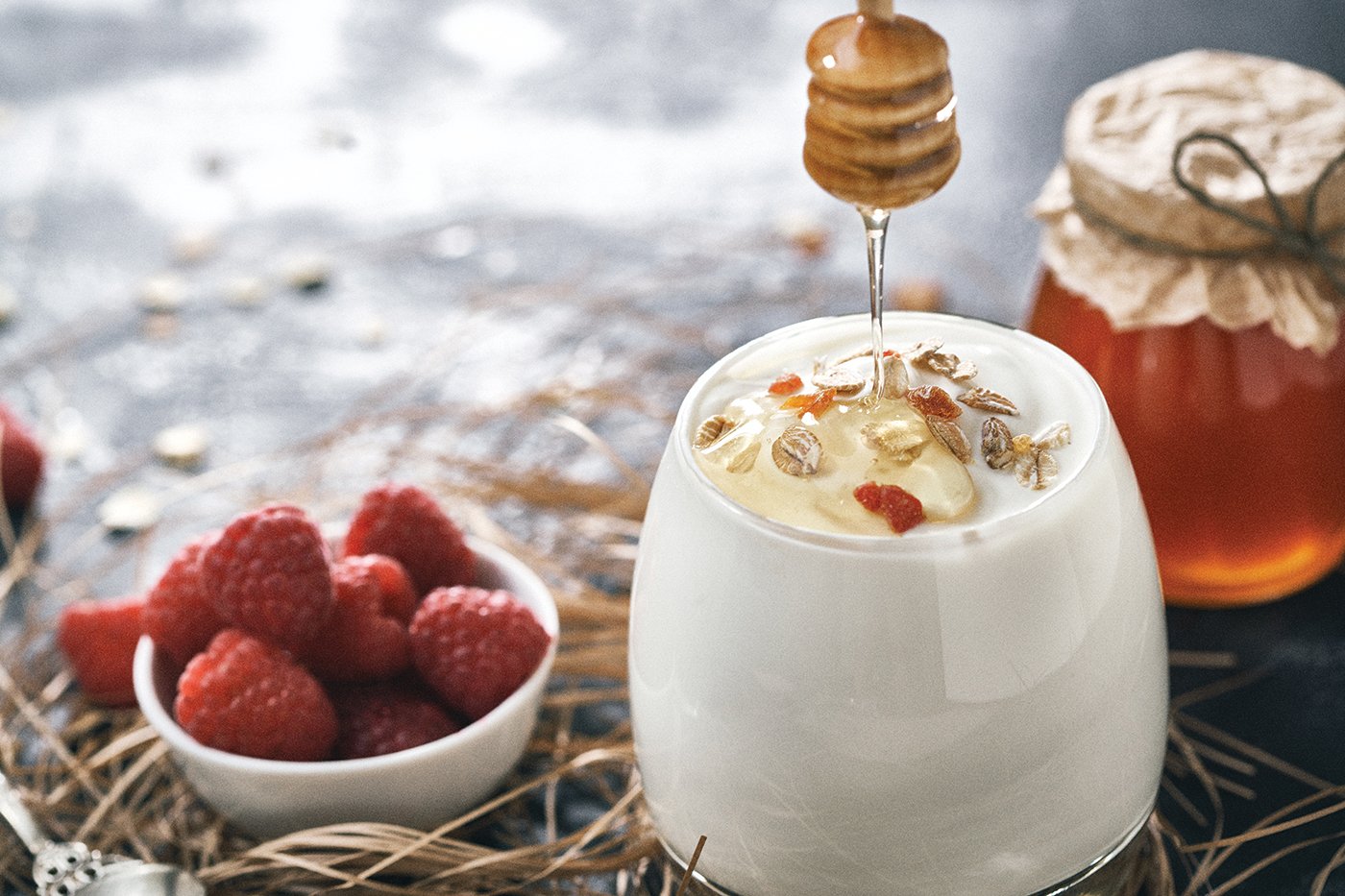
Adding honey to yogurt could help support probiotic cultures for digestive health, according to new research from the University of Illinois at Urbana-Champaign.
University researchers conducted two studies to test their hypothesis about the cultures found in yogurt. Co-author and associate professor Hannah Holscher said the team was inspired by a popular diet trend.
“We were interested in the culinary pairing of yogurt and honey, which is common in the Mediterranean diet, and how it impacts the gastrointestinal microbiome,” she said in a press release. “We wanted to see if honey could help probiotic bacteria survive in the gut.”
The first study, published in The Journal of Nutrition, experimented with four different kinds of honey and its effects on the viability of Bifidobacterium animalis, one of the primary probiotic strains found in yogurts, in a simulated digestive process. The researchers found that particularly the clover honey varietal helped support the survival of probiotics.
In the clinical study, 66 adults were asked to consume two different foods for two weeks each: yogurt with clover honey and pasteurized yogurt. The participants then submitted stool samples to the research team and answered questionnaires about their mood and cognition. The results showed that the probiotics did survive when honey was added, confirming what they saw in the lab.
“Our findings showed that pairing honey with yogurt supported the survival of the yogurt’s probiotic bacteria in the gut, so the lab study results did translate to real-world applications in humans,” Holscher said.
© dlerick/iStock/Getty Images Plus
Cool, functional ice cream on the rise
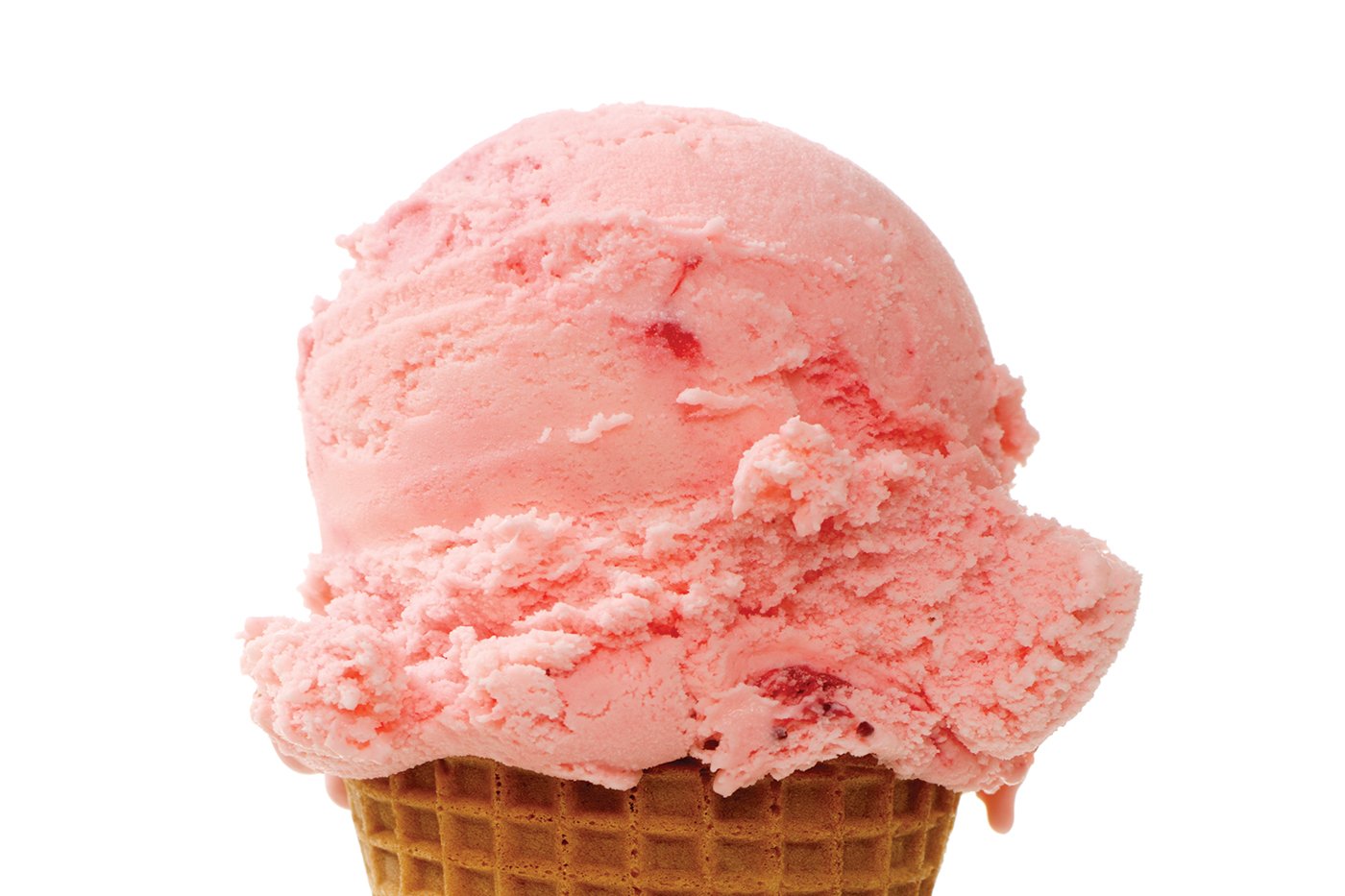
Consumers are seeking ice creams that satisfy their cravings while providing functional benefits, according to new data from Mintel.
According to Mintel’s research, approximately nine in 10 ice cream consumers agreed that eating a frozen treat brings them joy when they need a pick-me-up. However, as consumers shift their priorities toward healthy eating, ice cream brands are also shifting toward better-for-you formulations.
Ice creams with functional ingredients have been categorized as a “permissible indulgence” by the researchers at Mintel, striking a balance between health and indulgence. According to their data, almost one-quarter of U.S. consumers surveyed are interested in ice cream with functional health benefits. While functional ice cream’s market share remains small, product launches with functional claims increased by 10% between 2021 and 2023.
Sweet flavors still reign supreme in the ice cream market, but consumers are seeking more unconventional flavors and textures. For example, half of Thai consumers between the ages of 25 and 34 who were surveyed stated that they are interested in trying floral flavors in their ice creams. Additionally, savory product launches have increased by over 50% since 2021.
Nostalgia still plays a major role in the global ice cream market, as many consumers associate ice cream with childhood memories and “the good old days.” According to the Mintel data, eight in 10 German consumers stated that they enjoy rediscovering flavors from their childhood. Mintel’s analysts believe that there is an opportunity for ice cream brands to tap into classic and nostalgic flavors to give consumers a sense of joy while eating their product.ft
Hero Image: © Liliia Bila/iStock/Getty Images Plus
Authors
-
Emily Little Associate Editor
Emily Little is associate editor, Food Technology (elittle@ift.org).
Categories
-
Food Business Trends
-
Consumer and Marketplace Trends
-
Omnivore
-
Food Technology Magazine


