
Mediterranean Diet Boosts Gut Flora, Celebrating IFT 50-Year Members, and More

© pundapand/iStock/Getty Images Plus
Mediterranean diet yields better gut flora
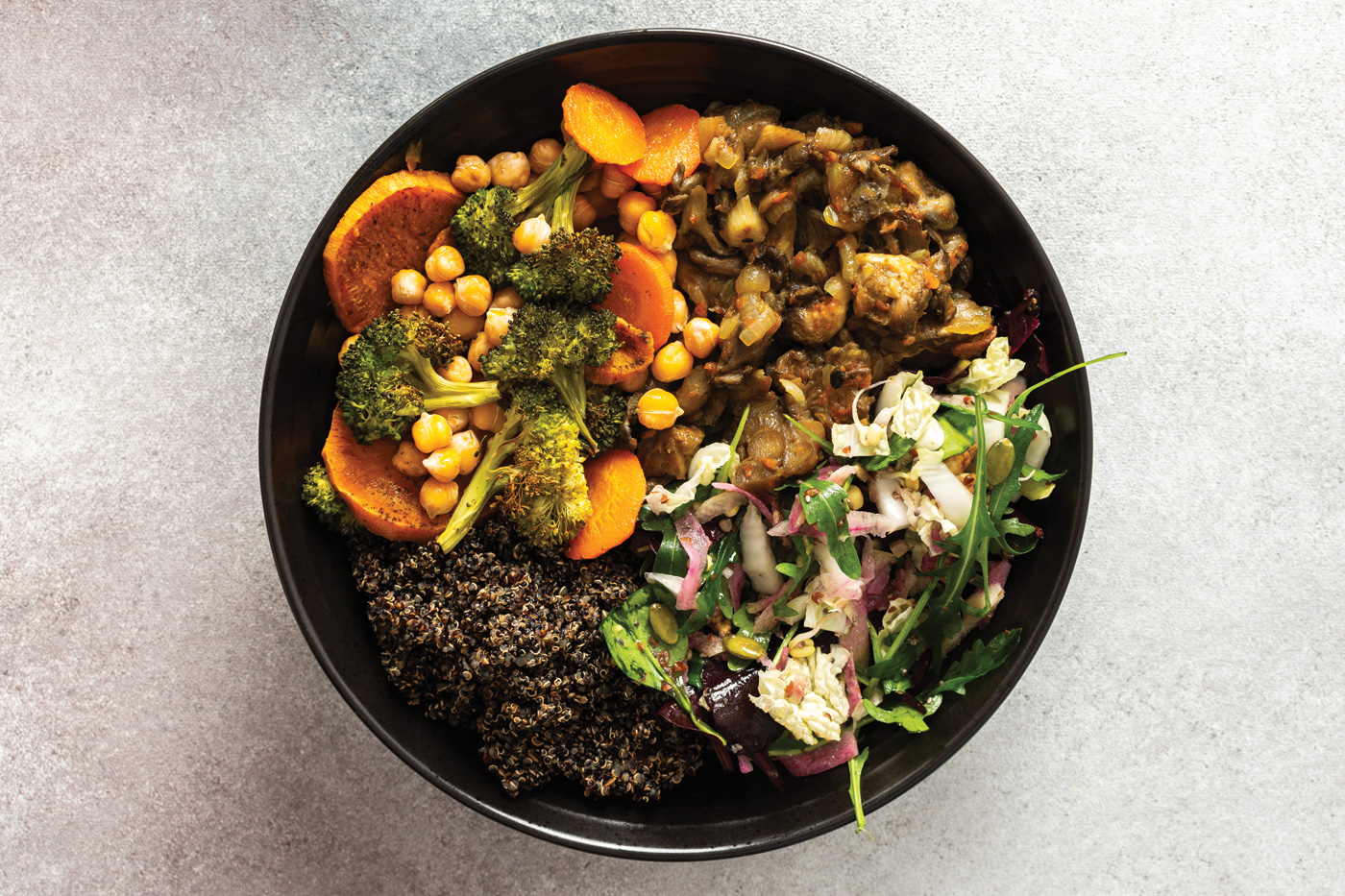
A study by University of Chicago researchers, published in Nature, provides evidence that a Mediterranean diet leads to a healthier, more resilient gut microbiome than a typical Western-style diet.
“The modern Western-style diet—high in processed foods, red meat, dairy products, and sugar—alters the composition of the gut microbiome in ways that can have a huge impact on health,” according to an article on the University of Chicago website. “This dietary pattern, which is also low in fruits, vegetables, and whole grains, reduces the variety of microbes in the digestive system and the metabolites they produce.” The end result is increased risk for several immune system-related conditions such as inflammatory bowel disease, as well as greater susceptibility to infections by pathogens such as Salmonella.
In this study, researchers placed one group of mice on a chow resembling the components of a Mediterranean-style diet (high in plant-based fiber from fruits, vegetables, and whole grains), while the other group of mice received food mimicking a low-fiber, high-fat Western diet. The two groups were then given antibiotics, which are known to disrupt the microbiome by killing beneficial bacteria alongside harmful bacteria. The mice given the Mediterranean-style chow were able to quickly restore a healthy and resilient gut microbiome after being administered antibiotics, but this was not the case for the Western diet group.
The researchers then reintroduced microbes to the mice through a fecal microbial transplant process. Only the mice on the Mediterranean diet were able to recover a healthy equilibrium of microbes. Further analysis showed that the Mediterranean diet promotes networks of metabolites that set the stage for microbes to rebuild a healthy ecosystem.
New leadership at Flashfood

Flashfood, an app that enables consumers to find discounted perishable groceries before they end up in landfills, has named Jordan Schenck as its new chief executive officer. She had been serving as Flashfood’s president and chief operating officer since October 2024. Schenck succeeds Nicholas Bertram, who will remain on the Toronto-based company’s governing board.
Bertram recruited Schenck in early 2023 to serve as Flashfood’s chief brand officer and has since promoted her twice. During her tenure, Schenck led the company’s rebrand in January 2024, oversaw the relaunch of Flashfood’s consumer app, and was instrumental in the development and launch of Flashfood for Independents, a new platform for independently owned grocers.
“My vision for Flashfood is that our technology enables retailers to turn surplus food nearing its best-by date from a challenge to a competitive advantage,” Schenck told Food Technology. “Over the last few years, I’ve worked alongside outgoing CEO Nicholas Bertram and have had the opportunity to lead several different functions at Flashfood. As a result, we now have a stronger arm in data and product, backed by the idea of building products our users love to incorporate into their daily lives and habits.
“Shoppers want access to affordable food, and our retailers don’t want to see food go to waste,” Schenck added. “Since our series A [funding round] in 2022, the business has grown 200% in revenue and added 1,000 doors [individual stores]. We’ve seen a lot of success to date, and what happens moving forward is only the continuum of that work.”
Partnering with 2,300 stores across North America, Flashfood is currently in 33 U.S. states and all 10 Canadian provinces. To date, the app has rerouted more than 130 million pounds of food from landfills while saving shoppers more than $330 million on their groceries.
© RusN/iStock/Getty Images Plus
Protein deletion provides possible celiac solution
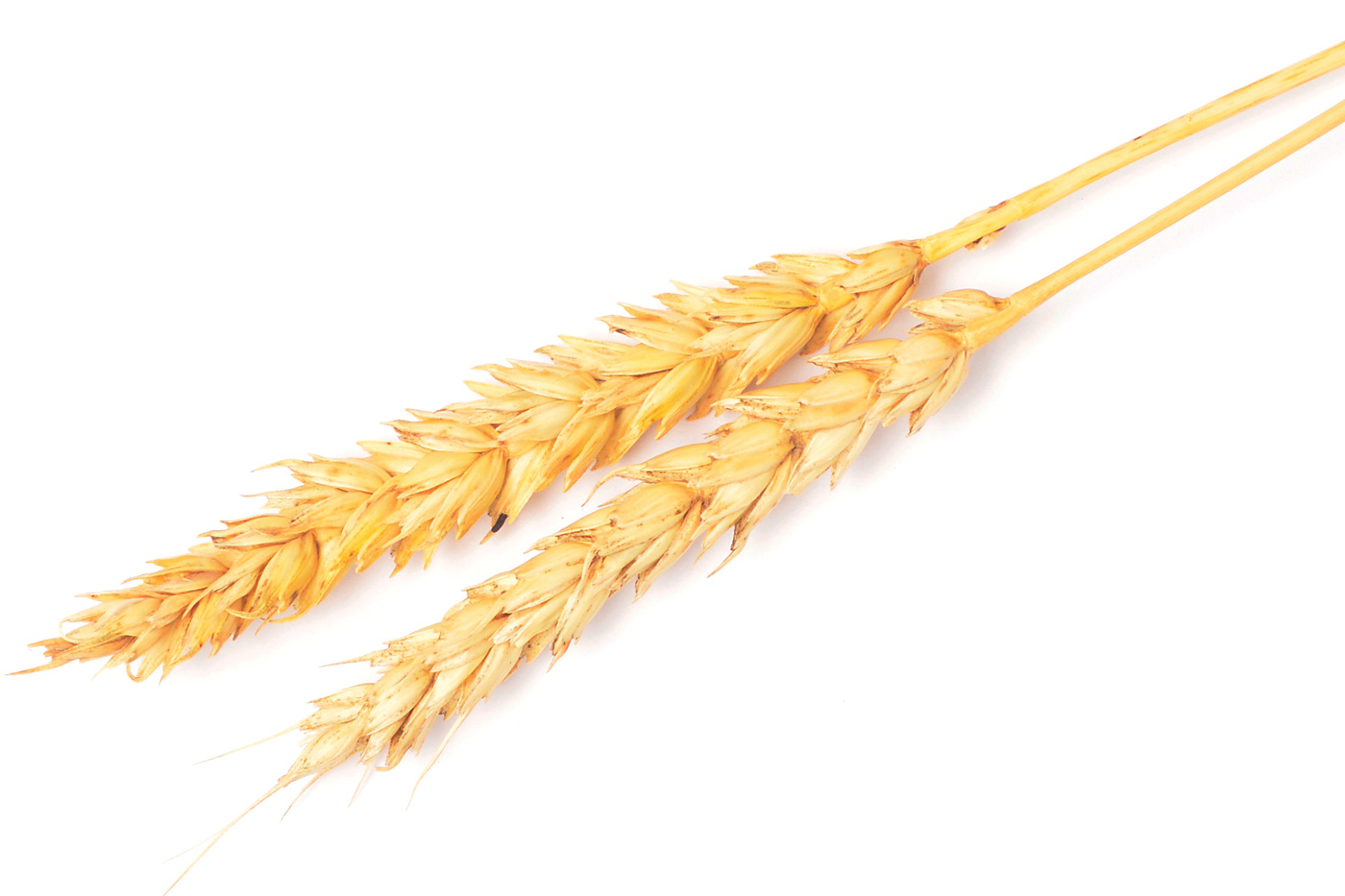
Researchers at the University of California, Davis, have deleted a cluster of genes in wheat responsible for gluten proteins that can trigger immune reactions—without compromising the quality of bread made with this wheat. Published in Theoretical and Applied Genetics, the study results suggest that this new wheat is not completely “celiac safe” but is a step forward in celiac disease research, said lead author Maria Rottersman, a doctoral student in plant biology, in a news release issued by UC Davis.
“The gluten proteins we eliminated are the ones that trigger the strongest response in people with celiac disease, and their elimination can reduce the risk of triggering the disease in people without celiac disease,” added wheat geneticist Jorge Dubcovsky, a professor in the Department of Plant Sciences, who is also quoted in the news release.
The research team used gamma radiation to target and delete alpha-gliadins, which can cause severe reactions in people with celiac disease. The quality of the flour produced by this substantially less allergenic wheat was much better than anticipated—on par or even better than flour made from normal wheat, according to Rottersman. Thus, she is hopeful that this genetically altered wheat has the potential to be widely adopted by growers.
© og-vision/iStock/Getty Images Plus
Pondside tanks could add to striped bass ranks
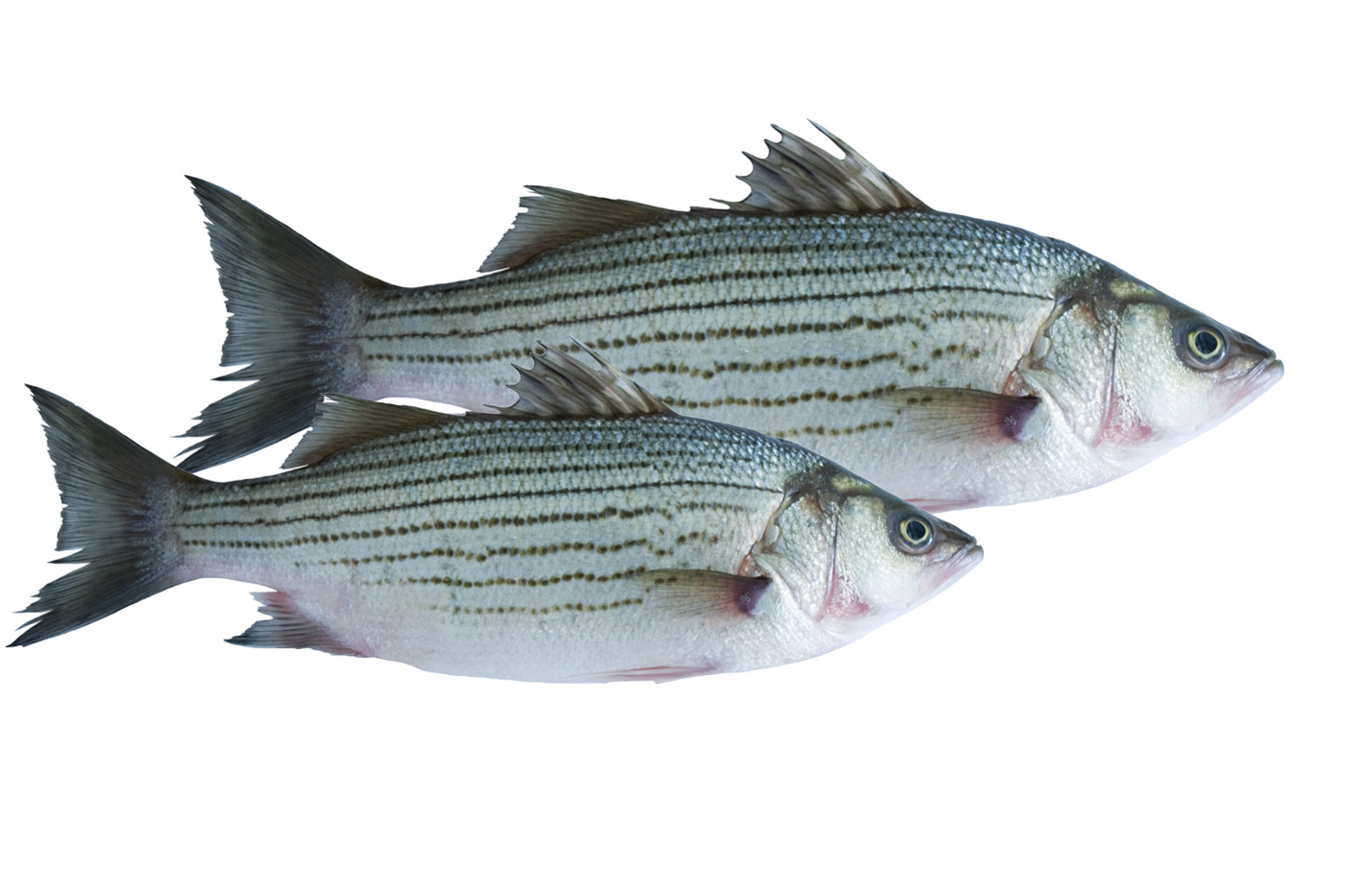
Researchers at North Carolina State University say that small pondside tanks may be a more efficient and environmentally sustainable way to raise striped bass than conventional methods. Traditional indoor tanks for striped bass use expensive recirculating aquaculture systems (RAS) that filter and reuse water, while quarter-acre earthen ponds use a lot of land and labor, according to an article on the NC State website. Part of StriperHub—a program funded by the National Oceanic and Atmospheric Administration, Sea Grant, and the U.S. Department of Agriculture’s National Institute of Food and Agriculture—the research is being conducted at NC State’s Pamlico Aquaculture Field Lab (PAFL).
Several small tanks were installed along the perimeter of an earthen pond at PAFL. Connected by pipes, the tanks and the pond support each other in a continuous cycle. As the NC State article explains, after fertilizing the central pond, fish wastewater continues to feed plankton blooms, which are then pumped into the small pondside tanks to feed the striped bass as they grow.
“The nitrogen cycle is naturally occurring in our ponds rather than having to install physical infrastructure like filters in RAS,” said NC State Associate Professor Benjamin Reading, who was quoted in the article. In the first trial of experiments with the pondside tanks, the amount of fish raised per gallon was higher than in earthen ponds.
“If pondside tanks are successful, then farmers could dedicate less land and smaller bodies of water to serve as a food reservoir, using the pond to primarily cultivate zooplankton rather than as a direct rearing environment,” stated NC State graduate student Erimi Kendrick, who is working on the project for her master’s thesis in biology.
FOOD WASTE
© Ganna Zelinska/iStock/Getty Images Plus
The promise of pomace
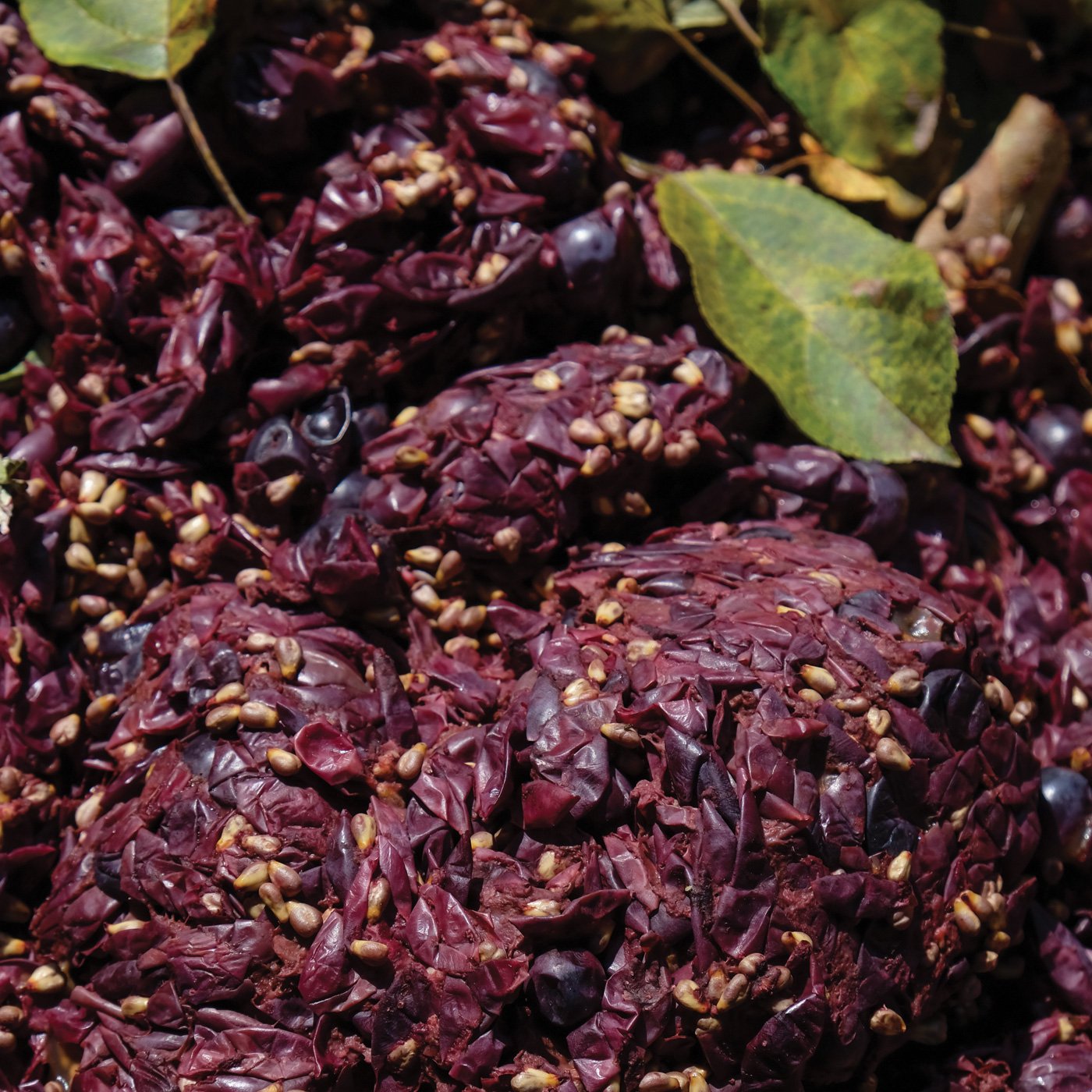
Cornell University researchers have found that grape pomace, the primary byproduct of wine and grape juice production, may provide valuable anti-inflammatory properties to broiler chickens. In a preliminary study published in the Journal of Functional Foods, the investigators looked at the effects of pomace injection on the intestines of fetal chicks. To do so, they injected a substance to induce inflammation in the amniotic fluid of chicken eggs and later injected grape pomace extract to intervene. The pomace extract was shown to improve symptoms of gut inflammation and improve intestinal health. The results suggest the need for further investigation to better understand and to optimize grape pomace’s anti-inflammatory effects, according to the study’s authors.
Common in broiler chickens, enteric inflammation (often due to bacterial infections) can lead to poor growth, digestive problems, and economic losses for producers. Nationally, the grape industry generates roughly 1 million tons of pomace waste each year, so upcycling pomace could have a positive impact on the environment, as well as healthful effects for broiler chickens.
FOOD SECURITY
© onurdongel/Getty Images Plus
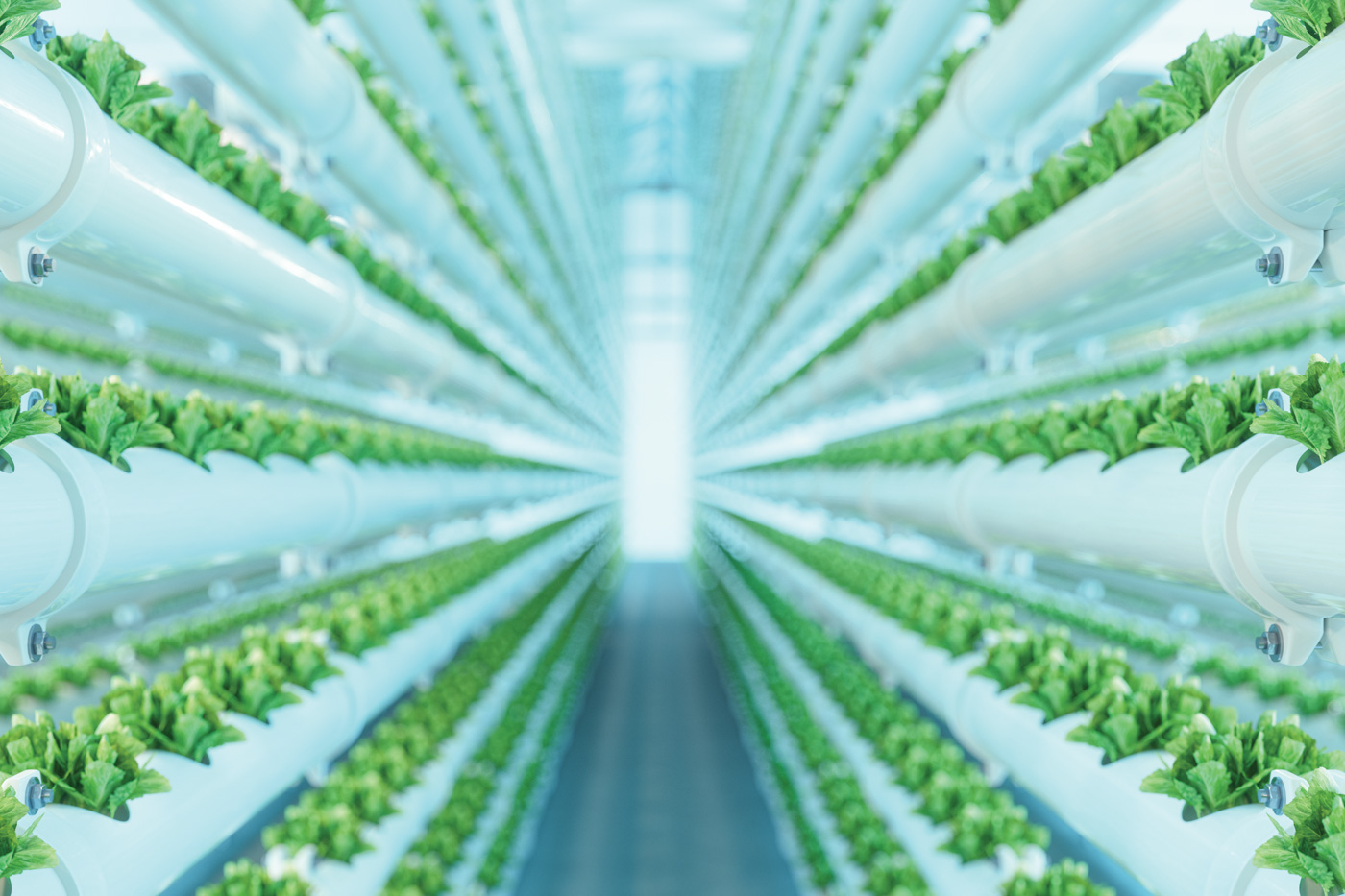
Vertical farming’s potential impact on protein yields
Researchers at the Technical University of Munich Singapore Campus for Research Excellence and Technological Enterprise (TUMCREATE) have released results of a study on the feasibility of using vertical farming to cultivate six food groups: crops, algae, mushrooms, insects, fish, and cultivated meat. Published in the April 25 issue of PNAS Nexus, the research was carried out as part of the Proteins4Singapore project, which investigates sustainable and functional proteins to supply urban areas such as Singapore.
Why does vertical farming hold promise? “Food can be grown close to consumers, independent of the weather, and using space efficiently,” explained Vanesa Calvo-Baltanás, the lead author of the study, in an article on the TUM website.
The TUMCREATE researchers conducted a quantitative performance assessment of the theoretical yield potential of the six food groups in a 10-layer vertical faming system. Compared to field crops, vertical farming could increase the protein yield nearly 300-fold for crops and more than 6,000-fold for mushrooms and insects, according to the researchers. Vertical farming has environmental benefits in that it reduces the use of land and eliminates the need for pesticides and antibiotics. The technology’s current drawbacks include significant energy consumption and high construction costs, the researchers acknowledge.
Celebrating 50 years of IFT membership
Congratulations to all of the IFT members celebrating their 50th anniversary of membership. We salute you and thank you for your longstanding commitment to IFT.
The list of 50-year members includes the following: Arlene J. Cale, Arthur J. Miller, Ata A.G. Baroudi, Athan E. Labropoulos, Brian Q. Phillippy, Carole Ann Z. Harbers, Carlos A. Lever, Charlotte D. Harvey, Colin Fitzsimons, David A. Nelson, David B. Haytowitz, David J. Dzurec, Diane Wright Hoffpauer, D.M. Spillman, Donald E. Mount, Donald Kline, Edison J. Geromel, Fredrick W. Reimers, G. Curtis Busk, Jr., Gustavo Schlottfeldt, H. Russell Cross, Harlan Meinwald, Janet L. Greger, Joe Regenstein, John J. Wegrzyn, Joseph F. Bremser, Kimberly Porter Hudson, Larry E. Erickson, Linda L. Kragt, Lucy M. McProud, Martin D. Austin, Mary C. Mulry, N. Rukma Reddy, Nancy Berkoff, Nina Ann Tanabe, Norman A. Greenberg, Ranzell Nickelson II, Richard S. Wilkes, Robert L. Shewfelt, Ron L. Luedeman, Sam Kow-Ching Chang, Sharrann E. Simmons, Shaul Meydav, Sid N. Jhaveri, Tai R. Shin, Vinod K. Chaudhary, Vinod W. Padhye, William A. Becht, and William L. Graham.ft
Hero Image: © onurdongel/Getty Images Plus
Authors
-
Carolyn Schierhorn
Categories
-
Food Health Nutrition
-
Food Waste
-
Sustainability
-
Food Security
-
Microbiome
-
Omnivore
-
Aquatic Foods
-
Food Technology Magazine


