
Fermented and Functional
A focus on gut health, concerns about alcohol, and innovative formulations are fueling rapid growth of kombucha and kefir.

“What’s the most epic booch you’ve ever tasted?” This social media post suggests the soaring popularity of kombucha, especially among young adult consumers. Other nonalcoholic fermented beverages, particularly kefir, are also having a moment.
Valued at $1.8 billion in the United States in 2025, the kombucha market is projected to reach nearly $3.6 billion by 2033, reflecting a compound annual growth rate (CAGR) of 7.5%, according to Grand View Research.
More difficult to measure because of inconsistent product definitions, the North American kefir market (including both milk kefir and water kefir) was valued at nearly $290 million in 2025 and is expected to attain a CAGR of 5.2% to reach $435.3 million by 2033, Market Data Forecast predicts.
“Massive adoption among millennials” is driving the growth of nonalcoholic fermented beverages in the United States, according to market research firm IntoTheMinds, which notes that “one in two consumers from this generation regularly includes kombucha or kefir in their diet.”
Kombucha on the Rise
A fermented, fizzy probiotic beverage, kombucha is made by combining black or green tea, sugar, and a SCOBY (an acronym for symbiotic culture of bacteria and yeast). Although the origins of this beverage trace back to 220 BCE in China, kombucha has gained substantial momentum in recent years—generating more than 40,000 social media mentions, for example—because consumers today increasingly focus on their gut health and crave functional beverages. Kombucha’s bioactive compounds—such as organic acids, antioxidants, and probiotics—are linked to improved digestive health and enhanced immune function.
Consumers are becoming more knowledgeable about the health benefits of fermentation, which is helping to propel kombucha’s growth.
Consumers are becoming more knowledgeable about the health benefits of fermentation, which is helping to propel kombucha’s growth. “Healthier drink choices like kombucha stand out because as consumers become more educated about consuming fermented foods and drinks, they are more likely to seek them out,” says Michelle Atchue, owner of Foxfire Kombucha, a craft brewer in Illinois.
“For those looking for healthy fermented options, the appeal of a fruit-flavored kombucha can sometimes be a good entry point to diving into the world of fermentation. As a low-sugar, highly functional beverage, it’s a great soda and alcohol replacement as well,” she continues.
The rapid expansion of the functional beverage category in general (including prebiotic sodas that are not fermented) has boosted kombucha’s visibility, adds Rob Nollenberger, director of culture, communications, and experiential marketing for Brew Dr. Kombucha. However, he laments that many consumers don’t seem to know the difference between prebiotics and probiotics, emphasizing that probiotic kombucha replenishes the gut microbiome, while prebiotics simply serve as food for probiotics.
Amy Marks-McGee, founder of Trendincite, points to the proliferation of “fruit-forward” and botanical formulations in the kombucha realm. “According to Tastewise (an artificial intelligence platform), berry, ginger, and citrus lead demand, while yuzu, hibiscus, and butterfly pea are the fastest-growing kombucha flavors,” she says.
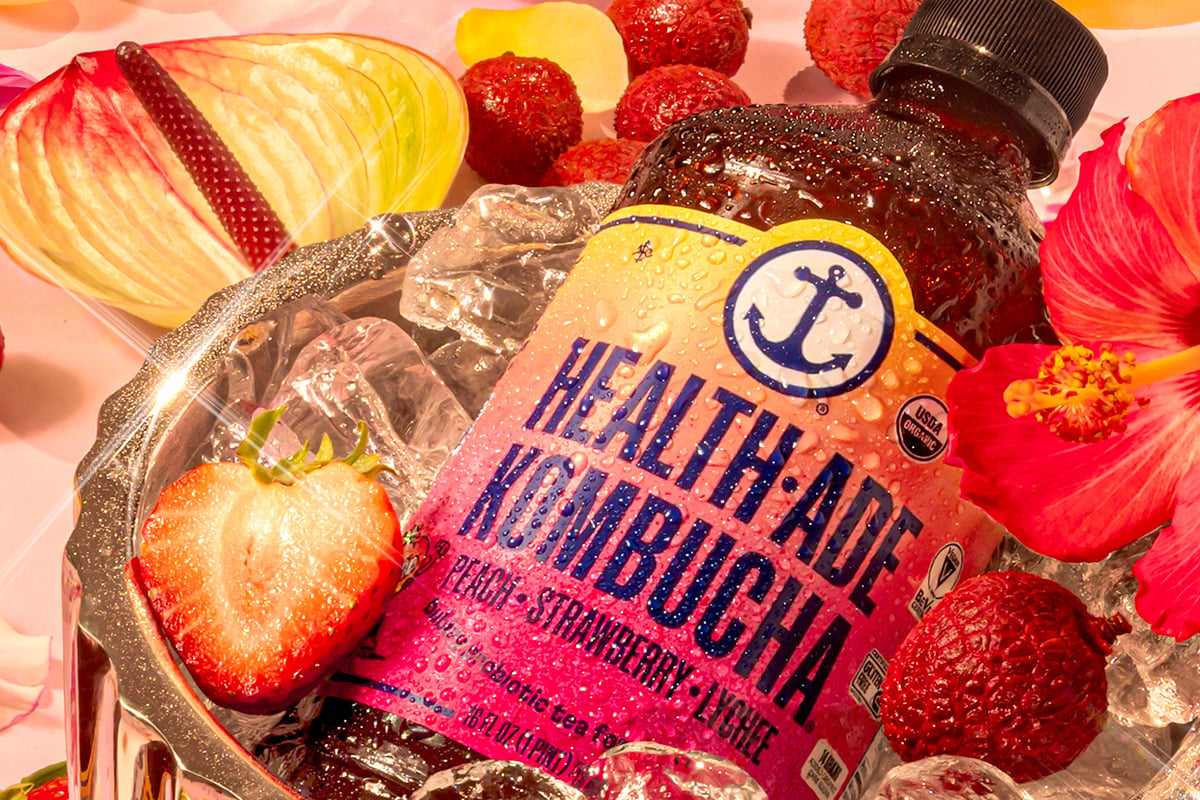
For example, notes Marks-McGee, market leader Health-Ade recently added Peach Strawberry Lychee and Raspberry Lime kombuchas to its portfolio. “In the spring, the brand introduced Strawberry Mango Chili,” she adds, observing that bold ingredient combinations are a growing trend in the category.
The ease of brewing small batches of kombucha means that seasonal and limited-time offerings abound.
The ease of brewing small batches of kombucha means that seasonal and limited-time offerings abound. Brew Dr., for one, offered a limited-release Passionfruit Orange Kombucha this summer—a fermented blend of passion fruit, blood orange, and green tea. “It was a hit for us,” says Nollenberger. “Costco asked us to put it in cans as a small run for them.”
For Foxfire Kombucha, summer favorites range from Peach Basil Mint to Tropical Dream (a blend of pineapple, mango, and blue spirulina), says Atchue. Foxfire’s flagship flavors include Peach Lavender, Blueberry Lemongrass, Blackberry Sage, Ginger Lemon Turmeric, Strawberry Rosemary, and Raspberry Ginger.
As a craft brewer, Atchue prioritizes local ingredients. “A fall favorite,” she adds, “is our Apple Cider kombucha, which is made with apple cider from a local farmer and fellow vendor [at farmers markets].”
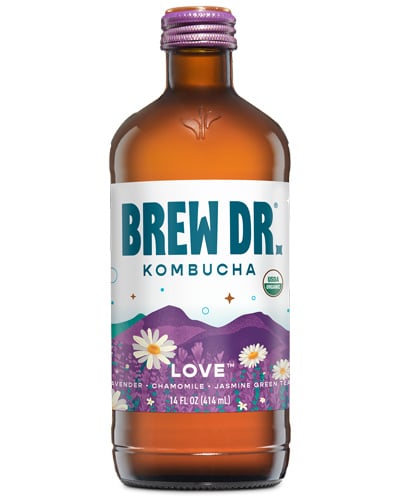
Other popular flavors in the organic Brew Dr. lineup include Island Mango, Pineapple Paradise, Superberry (raspberry, blueberry, and oolong tea), Clear Mind (rosemary, mint, sage, and green tea), and Love (lavender, chamomile, and jasmine green tea). During Pride month in June, bottles of the Love flavor featured a special rainbow-themed label and the message “Love wins!”
Dubbed by Slate.com as “the most liberal product in America” in 2009, kombucha is still closely linked to progressive cultural movements and eco-friendly lifestyles, but the market for the fermented tea beverage is broadening. Although the West Coast remains dominant with a 42% share of the U.S. market, “Texas, Florida, Georgia, and North Carolina are seeing 24%–28% year-over-year growth,” reports Good Culture Ingredients. “Ohio, Michigan, Illinois, and Wisconsin are growing even faster.”
Consumer interest in food as medicine is not limited to coastal urban areas. “As kombucha grows more mainstream, it’s viewed less as a niche hippie beverage and more as a functional beverage staple,” says Atchue. “I’m seeing brands get more innovative with their brewing process in order to produce kombucha with specific functional benefits.” For example, she says, some companies are adding medicinal mushrooms (such as reishi, Cordyceps, and lion's mane) and adaptogens (such as ashwagandha, holy basil, and American and Asian ginseng) to their brews.
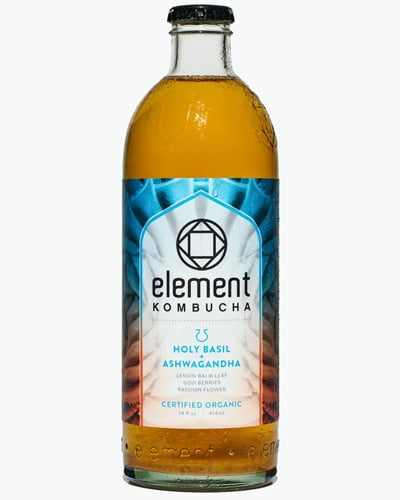
Element Kombucha, for instance, offers a Holy Basil & Ashwagandha “specialty wellness brew” that is said to help manage stress and calm the nervous system. Other ingredients in the product include lemon balm leaf, goji berries, and passionflower.
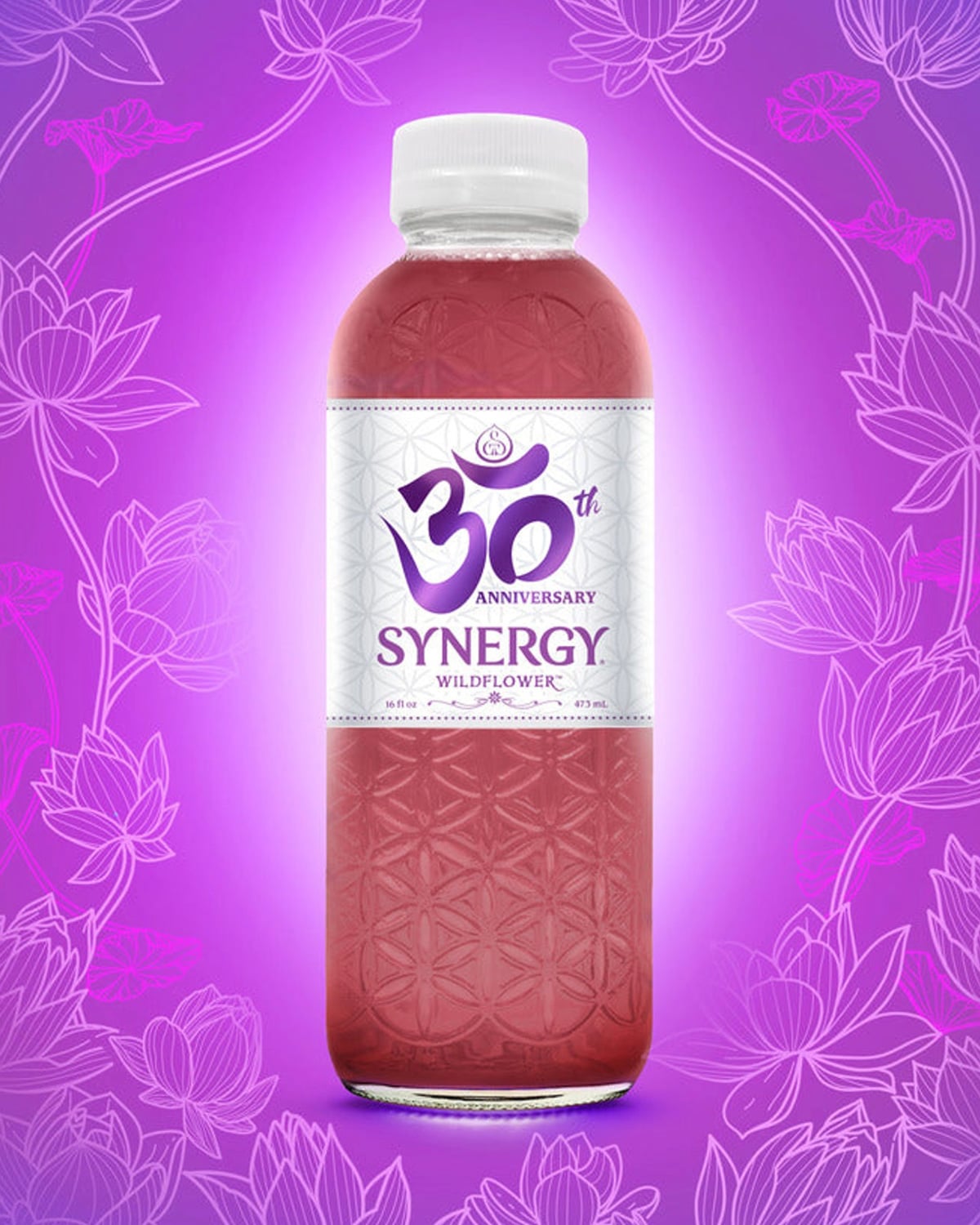
GT’s Living Foods has been manufacturing its Synergy brand kombucha since 1995. Released last year to commemorate the brand’s 30th anniversary, the limited-edition Wildflower variety featured ashwagandha, lion’s mane, elderflower, and cold-pressed ginger and lime juices as ingredients.
Although commercially brewed kombucha typically has significantly less sugar than soft drinks, the sucrose content can vary widely, depending on the juices and other ingredients added for flavoring. A number of kombucha companies boast low-sugar varieties, while a few tout zero-sugar offerings.
Liquid Remedy, an Australian zero-sugar kombucha brand widely distributed in the United States, explains on its website that it uses a longer (30-day) fermentation process, during which the SCOBY metabolizes all the sugar in the tea. “We add a touch of organic stevia and organic erythritol (fermented glucose) at the end of the natural fermentation process,” the company states. “This adds back a touch of sweetness.”
Nitrogen infusion, which reduces kombucha’s acidity and provides a frothy mouthfeel, is another emerging trend. Last year, the Humm brand debuted Nitro Kombucha, a low-sugar line available in flavors including Blackberry Vanilla, Orange Dream Pop, Strawberry Vanilla, and Piña Colada.
An Ancient Beverage Revitalized
Traditional kefir is a fermented milk beverage that is thousands of years old. Although it may date back more than 4,000 years to China, the beverage is most closely associated with the nomadic peoples of the Caucasus Mountains region, where 2,000 years ago kefir was made by fermenting milk in goatskin bags with “kefir grains” that were a closely guarded secret.
“Those people cultivated kefir, made it every day, and passed it down from generation to generation,” says Julie Smolyansky, the president and CEO of Lifeway Foods, a 40-year-old company that continues to dominate the kefir market in the United States. A recent Fast Company article notes that Lifeway, which reported record net sales of $212.5 million in 2025, is “growing like a startup in the probiotic boom.”
Refugees from the former Soviet Union, Smolyansky’s family immigrated to the United States in 1976. “When my parents entered a grocery store, they saw that every kind of food existed in America except kefir,” she remembers. Smolyansky’s father founded Lifeway Foods in 1986.
Although Ilya “Élie” Metchnikoff received a Nobel Prize in 1908 for his pioneering research on fermented dairy products, gut health, and longevity—and many other studies have replicated and added to that research, points out Smolyansky—the groundswell of interest in kefir among U.S. consumers is much more recent. “People are finally making a connection that their gut plays an important role in their overall health,” she says.
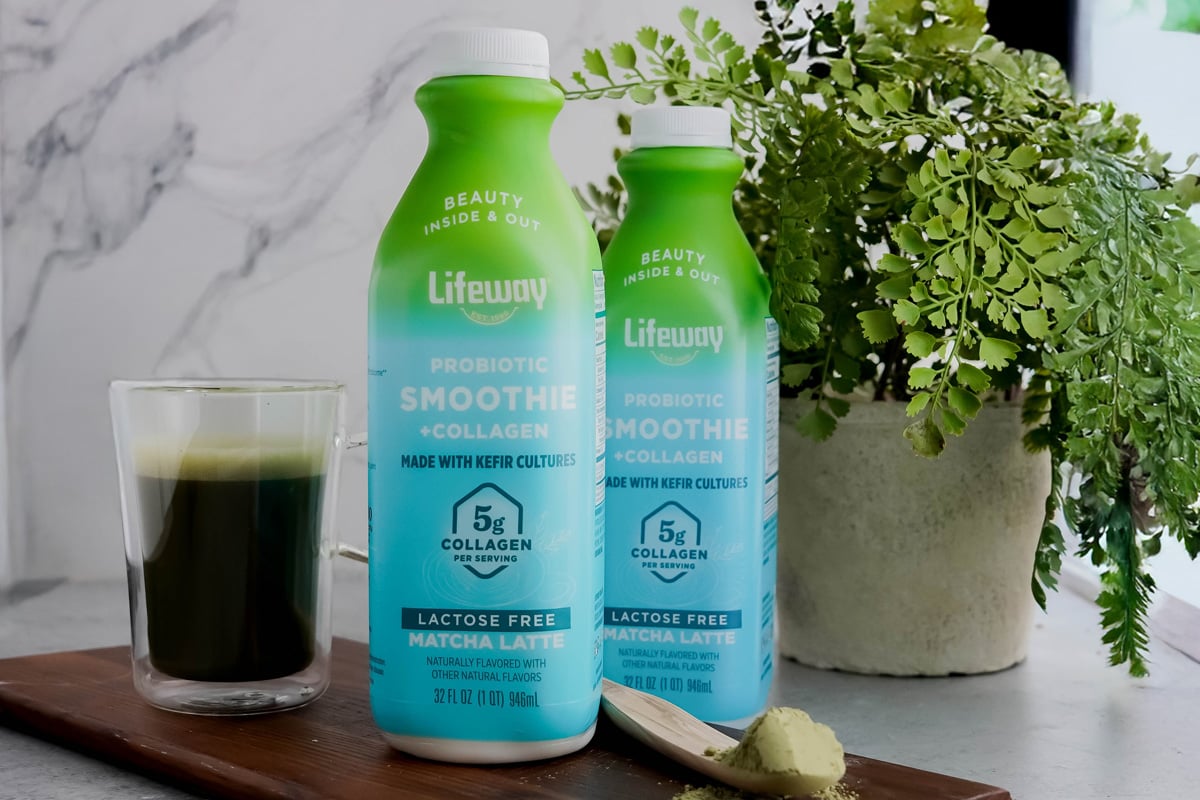
Lifeway Kefir comes in many different varieties and flavors—from cultured low-fat milk kefir (in Plain and Mango) to organic grass-fed whole milk kefir (in Strawberry and Mango) to lactose-free “flavor fusions” (in Wild Blueberry Lavender and Coconut Pineapple). In 2025, the company launched the Lifeway Probiotic Smoothie + Collagen line, a kefir-based beverage that blends 12 live and active probiotic cultures with 5 grams of hydrolyzed collagen peptides to support both gut and skin health. The product comes in four flavors: Matcha Latte, Berry Blast, Tropical Fruit, and Plain. “We’re trying to meet consumers where they’re at,” says Smolyansky, explaining the wide assortment of options.
Other manufacturers of milk kefir in the United States include dairies that focus on organic grass-fed and/or lactose-free products, such as Maple Hill Creamery (grass-fed kefir), Green Valley Creamery (lactose-free kefir), and Alexandre Family Farm, a regenerative dairy farm (grass-fed kefir).
Although milk kefir accounts for nearly 80% of the kefir category globally, “water kefir is emerging as a significant market player,” according to Mordor Global Intelligence. “Recent technological breakthroughs in plant-based fermentation have enabled manufacturers to develop water kefir using chickpea, almond, and rice extracts.”
Popular with vegans and others who wish to avoid dairy products, water kefir is a fermented, lightly carbonated beverage made by culturing sugar water with water kefir grains, “a combination of live bacteria and yeasts.”
While kombucha and water kefir are fermented using different starter cultures, some companies that brew kombucha also manufacture water kefir. GT’s Living Foods, for example, has a new line called Agua de Kefir that is cultured from kefir crystals growing on the pads of prickly pear cacti. The Agua de Kefir product is available in several flavors, including Guava Paloma, Peach Piña, Orange Peach Mango, and Dragon Fruit Fresa. As GT’s Living Foods explains, water kefir is a lighter, sweeter beverage than kombucha and does not contain caffeine.
Collaboration and Convenience
Many recent news reports note that Gen Z consumers spend more on fitness club memberships and less on alcohol than previous generations. Accordingly, both kombucha and kefir companies are catering to younger adult consumers with their partnerships and packaging.
Kombuchade, for example, is partnering with the Life Time fitness chain, which sells its electrolyte-infused kombucha in more than 140 locations.
Similarly, Lifeway Foods collaborated with Barry’s on a kefir-based Power Play Shake for the fitness chain’s 2026 “Find Your Strength” challenge. Served at Barry’s Fuel Bar locations nationwide for a limited time this past winter, the shake blended plain whole milk kefir with blue spirulina, chia seeds, almond milk, vanilla whey protein, granola, and blueberries to provide “a protein- and probiotic-packed boost to energize workouts and support recovery,” according to Lifeway.
Portability is a priority for people with active lifestyles, whether workout devotees or outdoor enthusiasts. That’s why Lifeway Kefir, known for its 32-ounce plastic bottles, is now sold in single-serve containers as well. “We’ve made kefir much more accessible,” says Smolyansky. “It’s definitely moving beyond the dairy space to the refrigerated grab-and-go case.”
Kombucha has also become more convenient to consume, with many companies offering the product in aluminum cans in addition to or instead of the standard glass bottles. Nollenberger of Brew Dr. explains that cans are preferable for outdoor activities such as kayaking or going to the beach because they don’t break, are lighter in weight, and aren’t affected by sunlight. With canned product, as he puts it, “you can travel anywhere with your favorite kombucha.”
Hero Image: © Darya Arnautova/iStock/Getty Images Plus
Author
-
Carolyn Schierhorn
Categories
-
New Product Development
-
Formulation
-
Beverages
-
Fermented Foods and Beverages
-
Food Technology Magazine
-
Market Trends


