Next-Gen Journal Leaders, What “Healthy” Means, Shelf Life Signals, and More News
This roundup of food system news items highlights research advances, IFT journal news, and an interview on snack trends.
COMMUNITY
Developing the next generation of journal reviewers and editors

As pressures on the scholarly publishing system increase, it’s more important than ever for journals to mentor the next generation of peer reviewers and editors. As part of the Early Career Researchers (ECR) program, led by past IFT President John Coupland, IFT’s scientific journals launched an Editorial Scholars fellowship program at the start of 2026.
Each member of this annual cohort of rising young scientists, selected by the ECR Advisory Board, is paired with a mentor editor to complete real-world exercises in peer review and editorial decision-making over the course of the year. The Scholars participate in several seminars and discussion sessions on topics including peer review models, artificial intelligence use trends in different parts of review and publishing, strategies for success in the journals business, and more. They also glean practical insights into how experienced editors developed the skills needed for their roles.
“I think it’s really important for a professional society like ours to be intentional about bringing new people into the editorial process,” Coupland observes. “I think when we look at excellence in scientific publishing, so much of it depends on developing a community around our journals and trying to find ways of bringing new scholars into that community and helping them understand what it is we’re trying to achieve.”
Read an editorial the Scholars wrote about their experiences in the October issue of the Journal of Food Science.
Selection of the 2027 cohort of Editorial Scholars is now underway. For more information, visit ift.org Early Career Researchers Program page.
HEALTH
Study: ‘healthy’ doesn’t mean most nutritious
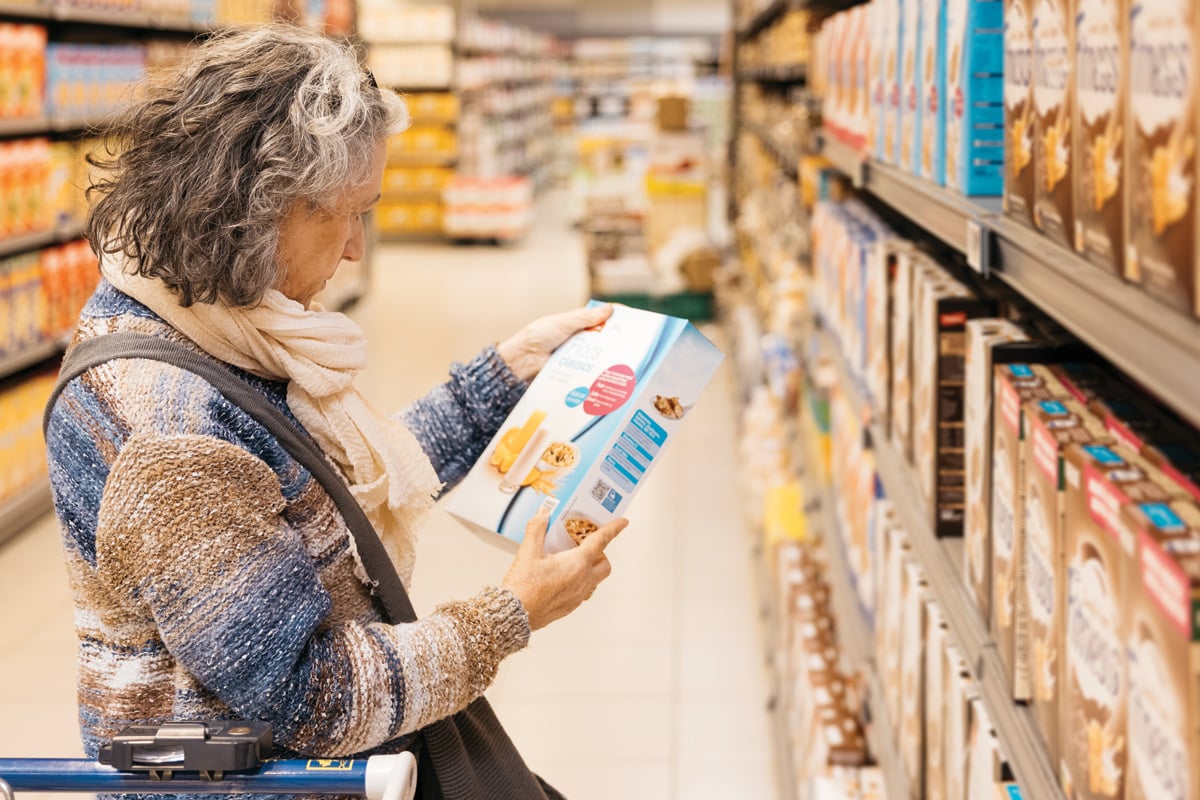
A new analysis of nearly 150,000 food and beverage products launched in the United States over a decade suggests that products carrying health-related claims are not consistently more nutritious—and may sometimes be less healthy overall.
Researchers at Cornell University analyzed new-product data from Mintel using the U.K. Food Standards Agency’s Nutrient Profiling Model, which evaluates a product’s overall nutritional composition rather than focusing on a single nutrient. The model considers sugar, sodium, saturated fat, and calories, as well as fiber, protein, and fruit and vegetable content.
Two-thirds of the products studied were classified as less healthy overall, even though about half carried health-related claims.
“There are so many label claims on packages,” said Pei Zhou, a postdoctoral researcher at Cornell, in a press release. “Our main question was whether products with claims are healthier than those without health claims.”
The researchers found that reformulating products to reduce one nutrient sometimes resulted in increases in others. Beverages showed some of the largest discrepancies between claims and overall nutritional quality, particularly products labeled low sodium, sugar free, or low saturated fat.
The study also examined the potential “halo effect” of terms such as natural, organic, non-GMO, and whole grain, which consumers may associate with healthfulness even when they do not describe a product’s full nutrient profile.
“The general idea is to transition from single claims to a broader nutrient profile style,” said Miguel Gomez, professor of food marketing at Cornell.
The authors said broader nutrient-profile labeling could give consumers a more complete picture of a product’s nutritional quality.
The research analysis was published in the journal Nature Food.
RESEARCH
Does shelf life signal health?
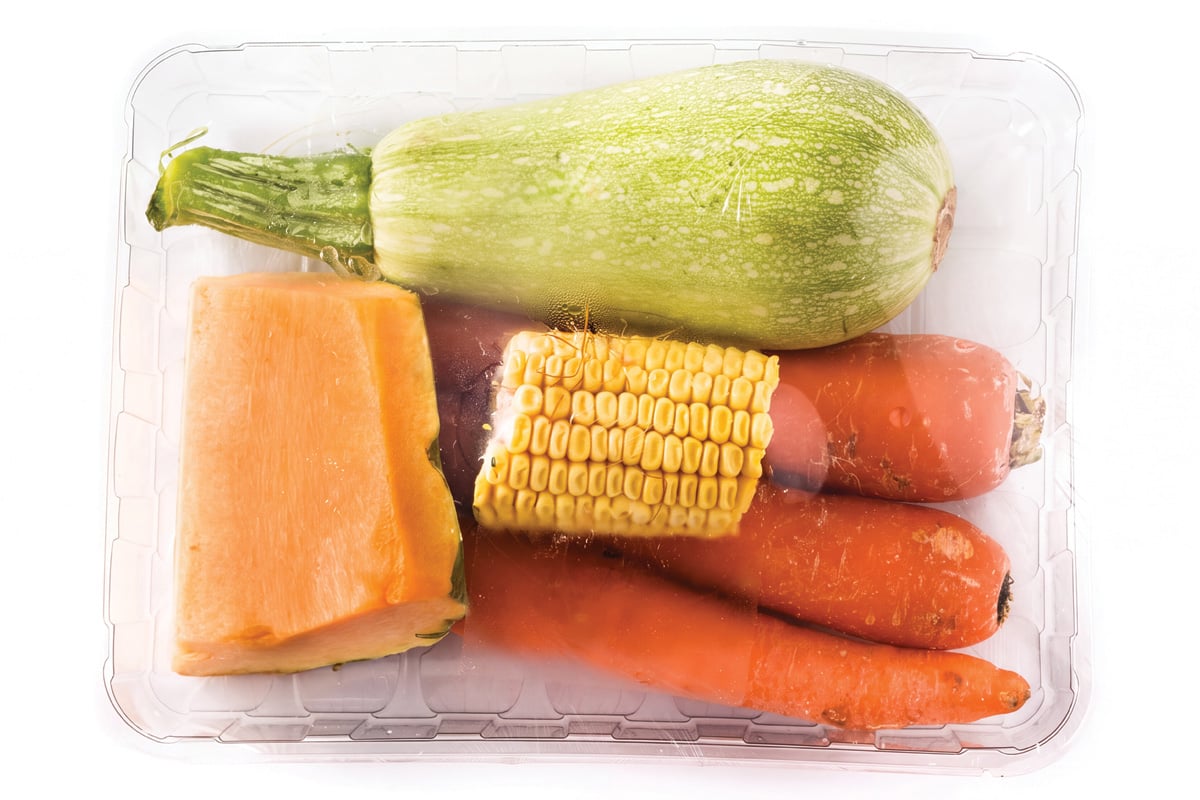
Consumers may use shelf life as a shortcut for judging whether foods are natural and healthy, even when shelf life is unrelated to nutritional quality, according to a study published in the Journal of Consumer Psychology.
Across a series of experiments, participants consistently viewed foods with shorter shelf lives as more natural and healthier than otherwise similar products with longer shelf lives. The effect persisted even when researchers explained that longer shelf life resulted from improved packaging rather than additional processing, and when products had nearly identical ingredient lists and nutrition information.
The researchers also found a trade-off in consumer perceptions: Longer shelf life was associated with greater environmental friendliness and reduced food waste, while shorter shelf life was linked to naturalness.
The findings suggest that consumers may overestimate the connection between shelf life and processing, potentially favoring products that spoil sooner and increase waste.
COMMUNITY
Mary Ellen Kuhn to Retire
 After 19 years with the Institute of Food Technologists and nearly four decades covering the food industry, Mary Ellen Kuhn, executive editor of Food Technology magazine, will retire at the end of 2026.
Throughout her career, Kuhn has brought curiosity, insight, and a commitment to journalistic integrity to her reporting. Before joining IFT, her career in food industry journalism included editorial roles at Confectioner and Food Processing magazines.
“Mary Ellen’s impact on the profession extends far beyond IFT,” says Bill McDowell, Food Technology editor-in-chief. “She’s been a tireless advocate to celebrate the people behind the science making food more nutritious, affordable, and accessible.” He also points to her compensation research, which has helped food professionals advocate for themselves and advance their careers.
IFT CEO Christie Tarantino Dean praises Kuhn’s “commitment to ethics in journalism, her true curiosity about the field she is covering, and her unending kindness towards me and her colleagues.”
Kuhn leaves a lasting legacy of thoughtful journalism and editorial leadership. IFT congratulates her on an exceptional career and wishes her all the best in retirement.
ISSUES & INSIGHTS
3 Questions for Circana’s Sally Lyons Wyatt

Snacks are playing an increasingly important role in consumers’ daily eating patterns, according to data shared by Sally Lyons Wyatt, Circana global executive vice president and chief advisor, consumer goods and foodservice insights.
In the United States, 55% of consumers aged 18–44 report eating three or more snacks a day, Circana data show. Often, they are opting to snack rather than adhering to a rigid three-meals-a-day eating pattern, Lyons Wyatt said in a recent presentation.
"Consumers everywhere are finding more reasons to snack, making snacking a larger part of the food and beverage economy," she added.
As consumers snack more frequently, they also expect more from the products they choose. Lyons Wyatt shared her perspective on the evolving snacking landscape in response to three questions from Food Technology.
1) You’ve said that snacking today is about function, fuel, and fun. Can you share some topline perspectives on that for product developers, starting with function?
Function is no longer a niche segment of snacking. Today, consumers increasingly see snacks as tools to support their health and wellness goals. In Circana’s 2026 snacking survey, 69% of consumers said snacks are an important part of their healthy eating plan, up 10 percentage points from 2021.
For product developers, this means moving beyond traditional "better-for-you" positioning and creating snacks that deliver specific benefits. Protein remains the strongest functional platform, but consumers are also looking for fiber, gut health, hydration, lower sugar, satiety, and nutrient density. The rise of GLP-1 medications is accelerating interest in snacks that help consumers feel satisfied while delivering meaningful nutrition.
The biggest opportunity is to design snacks around what consumers are trying to accomplish rather than around traditional category boundaries. Consumers don't necessarily want a granola bar or a yogurt. They want energy, fullness, hydration, digestive support, or a healthier way to indulge.
2) How about the desire for snacks as fuel—what's driving that?
Today's consumers are living increasingly busy, flexible lifestyles, and many are using snacks to fill roles that meals once served. Circana’s research found that 68% of consumers say snacks fuel their day, while 55% say they eat snacks instead of a meal because they are on the go. Both measures have increased significantly since 2021.
We're seeing the continued blurring of snacks and meals. Consumers are working from different locations, eating at different times, and assembling eating occasions that fit their schedules rather than traditional meal structures. That creates demand for snacks that are portable, nutrient-dense, protein-rich, and satisfying enough to bridge longer periods between meals.
For developers, this means creating products that work harder. Consumers increasingly want snacks that provide sustained energy, satiety, convenience, and nutritional value without sacrificing taste. Products that can flex across dayparts and occasions often have the broadest appeal because they fit more moments in consumers’ lives.
3) Finally, there’s fun. How should product developers be building fun into the snack products to meet consumers’ expectations?
While health and functionality are growing priorities, consumers have not abandoned enjoyment. In fact, Circana’s research shows that 57% of consumers eat snacks that add excitement to their daily diet, and 62% look for authentic or unique snack experiences. Both measures have grown meaningfully compared to 2021.
Fun today is about much more than indulgence. It can come from bold flavors, global influences, unique textures, visual appeal, nostalgia, seasonal offerings, or products inspired by social media trends. Consumers want discovery and experiences alongside nutrition.
The most successful brands will combine function and fun rather than treating them as separate strategies. Consumers increasingly want snacks that deliver benefits while still feeling rewarding. A protein snack can also be craveable. A better-for-you product can still surprise consumers with flavor and texture. The winners will be the products that help consumers feel good physically while also delivering enjoyment and emotional reward. The future belongs to snacks that balance function, fuel, and fun rather than forcing consumers to choose one over the others.
Hero Image: © Jordi Salas/iStock/Getty Images Plus
Authors
-

Julie Larson Bricher Editor
Julie Larson Bricher is Food Technology’s science and technology editor and IFT manager, creative content–multimedia (jbricher@ift.org).
-

Mary Ellen Kuhn Executive Editor
Mary Ellen Kuhn is executive editor of Food Technology magazine and director of content and creative services at the Institute of Food Technologists (mkuhn@ift.org).
Categories
-
Snacks
-
Diet and Health
-
Shelf Life
-
Food Technology Magazine
-
Omnivore