
5 Trends to Watch For, Climate-Friendly Agriculture Application, Cultivated Meat Without Animal Serum

MARKET TRENDS

© akindo/getty images
5 Trends to Watch for in 2025
Analyzing market research data from various sources, Trendincite has identified its top five food and beverage trends for 2025:
1) Private label prevails. Private label food products will continue to surge in growth, with inflation driving consumers’ penchant for value. Based on a survey of more than 23,000 consumers across 30 countries, the EY Future Consumer Index reveals that 66% of global consumers consider private label products to be as good as branded products.
In store brands, “comfort food continues to trend, such as sweet baked goods and breads,” says Amy Marks-McGee, Trendincite’s founder. “Snacks and candy are areas of innovation, with spicy and sweet profiles on the rise. Consumers still seek plant-based and better-for-you options, and store brands are launching products to meet the demand. For beverages, I anticipate activity in seasonal and limited-edition flavors for coffee and ready-to-drink products.”
2) On-demand delivery. Because today’s consumers seek instant gratification, expect grocery stores and restaurants to form additional new partnerships with delivery services to ensure that customers can receive ready-to-eat meals and specific packaged food and beverage items at a whim or whenever needed. Estimated to be worth nearly $15.2 billion in 2023, the on-demand delivery market is predicted to reach $83.9 billion by 2032 (a compound annual growth rate [CAGR] of 20.9%), according to Zion Market Research.
3) Multisensory immersion. Of all the senses, the importance of smell is most often underestimated, observes Marks-McGee, despite the fact that “research indicates that about 80% of the flavors we perceive come from our sense of smell.” She anticipates that manufacturers of food industry consumer packaged goods “will explore and capitalize on the intricate relationship between scent and taste, creating multisensory experiences.”
4) Sauces and condiments clinch the deal. The sauces and condiments market reached $30.6 billion in 2024, according to Statista, and will likely increase at a CAGR of nearly 2.4% until 2029. Per Technomic’s Flavor Consumer Trend Report, 34% of consumers base their restaurant choices on the availability of sauces and condiments.
5) Going nuts over nuts. Nuts remain a popular snack because of their healthful halo and flavor opportunities. “Brands are experimenting with nontraditional innovative flavors such as brownie, cinnamon, hot chocolate, and ranch,” reports Trendincite. “Keep your eyes peeled for better-for-you nut snack options and indulgent and unexpected flavors.”
AGRICULTURE
© Anton Petrus/getty images
A climate-friendly solution comes to light
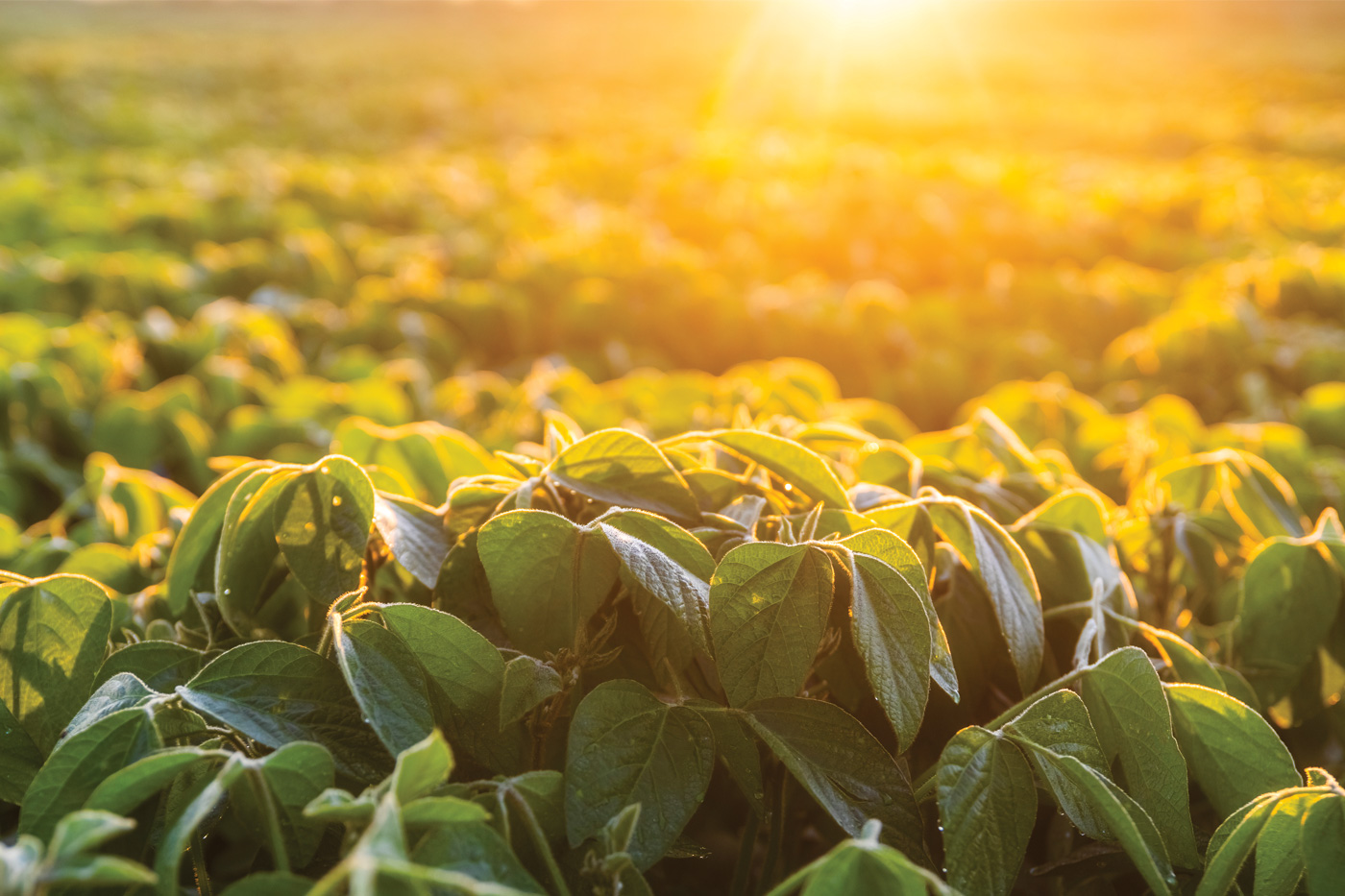
Performed by more than 90% of plants—including food crops such as soybeans, wheat, rice, barley, potatoes, oats, and tomatoes—C3 photosynthesis is less efficient than the C4 photosynthesis performed by just three top crops: corn, sorghum, and sugarcane. Using sophisticated single-cell genomics technology to analyze the differences between the C3 and C4 processes, scientists at the Salk Institute for Biological Studies and the University of Cambridge now hypothesize that it may be possible to genetically engineer C3 crops to perform C4 photosynthesis. This would be an important breakthrough in the development of sustainable crops that can withstand the effects of climate change.
During C3 photosynthesis, mesophyll cells inside leaves turn light, water, and carbon dioxide into plant-energizing sugars. However, 20% of the time, the process accidentally uses oxygen, which must be recycled, rather than carbon dioxide. This biological glitch slows down photosynthesis and wastes energy, as the study published in the November 20, 2024, issue of Nature explains. In addition, pores on the leaf surface of C3 plants often stay open as they wait for carbon dioxide to enter, causing the plants to lose water and become more susceptible to heat and drought.
In contrast, note the researchers, C4 plants conscript into service bundle sheath cells (which usually provide structural support) to photosynthesize along with the mesophyll cells. This combined effort results in a 50% increase in efficiency compared with that of C3 plants—by eliminating oxygen-use errors to conserve energy and by closing leaf surface pores for longer periods to conserve water.
When analyzing the genomic variations between the bundle sheath cells of rice (C3) and the more evolved sorghum (C4), the researchers discovered that the differences are not due to the addition or removal of specific genes, but rather to regulatory elements on the genes, which are activated by transcription factor proteins. In other words, the scientists found that C3 as well as C4 plants already contain the necessary genes and transcription factors required for the C4 photosynthesis process. This means that the goal of genetically modifying C3 crops for improved climate resilience could be within reach.
AQUACULTURE
© Valerii Evlakhov/getty images
Making waves with fish milk
As reported recently in The Wall Street Journal, the Berikan Protein Initiative, a nongovernmental organization in Indonesia, is championing “fish milk” as a sustainable solution to the country’s dearth of dairy cows and widespread malnutrition.
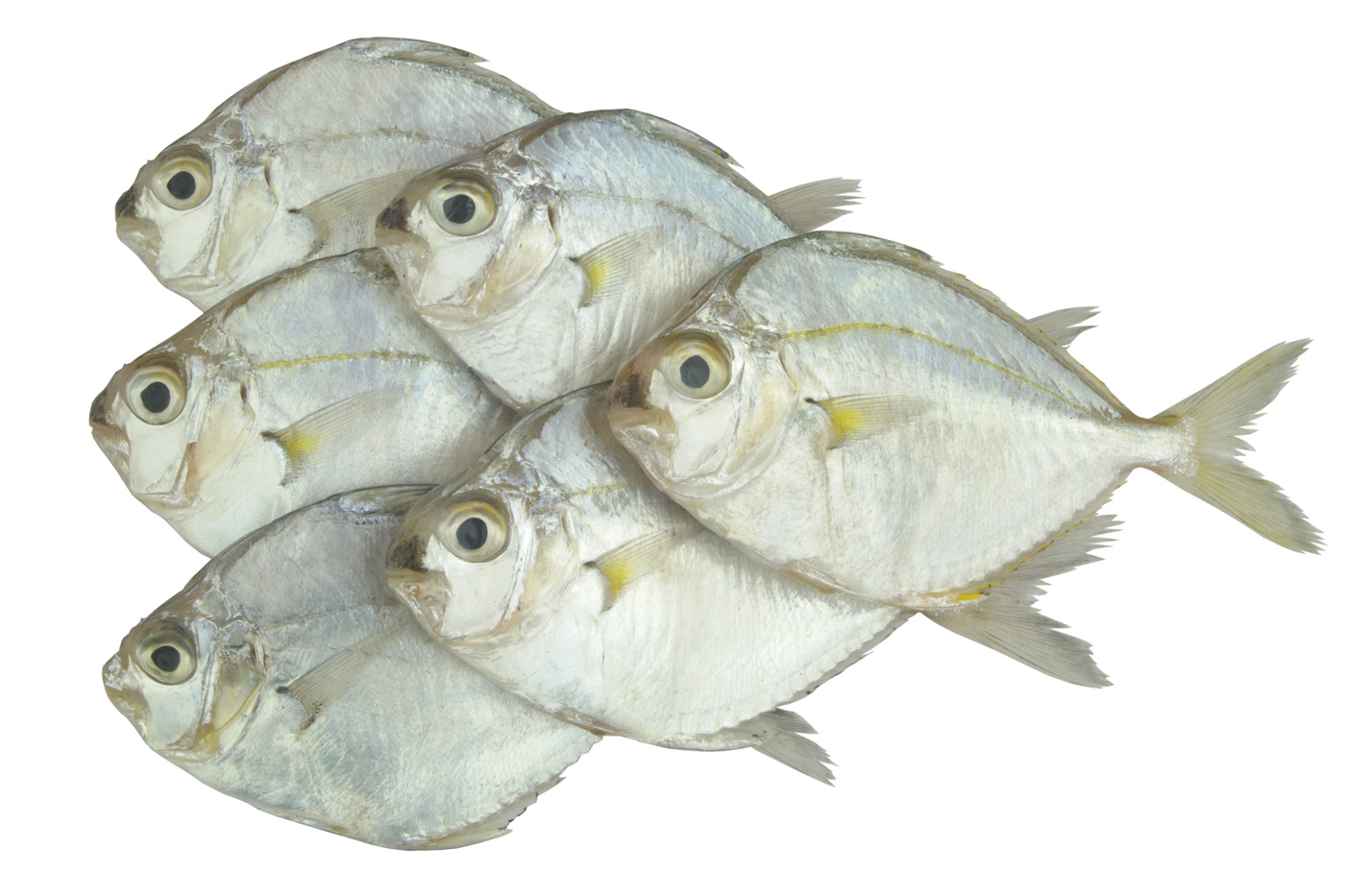
Ponyfish caught by local fisherman off the shores of Indramayu in the Java Sea are taken to a factory twice a day, where they are deboned and ground into a fish protein hydrolysate in the form of a white power, to which sweetened chocolate or strawberry flavoring and water are later added.
Introduced to consumers in 2023, the government-supported milk alternative product, which may be included in a new free-lunch program for Indonesian schoolchildren, has created controversy because it is highly processed compared with cow’s milk and contains significant added sugar to mask the fishy flavor. “Why not just import cow’s milk?” ask some naysayers.
SUSTAINABILITY
© Mindful Media/getty images
Happy medium: Cultivated meat without animal serum
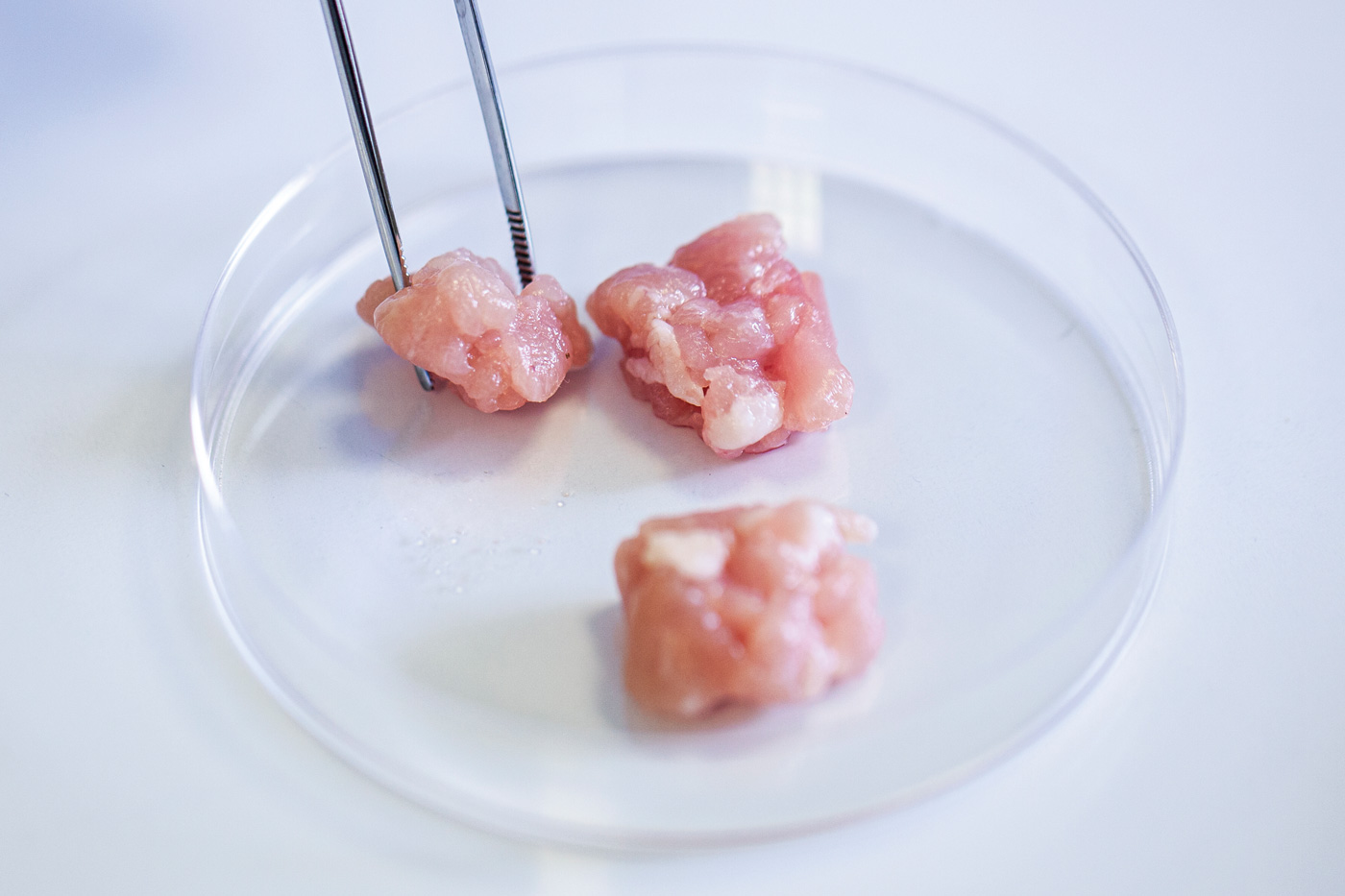
Champions of cultivated meat, also known as cultured meat, tout its environmental and humane attributes. Meat grown in a laboratory requires much less land and water than traditional livestock production, while producing significantly lower levels of greenhouse gas emissions and other forms of pollution, say enthusiasts. What’s more, cultivated meat does not require the widespread slaughter of animals.
However, cultivating meat in a laboratory has depended on the use of animal serum (the clear liquid remaining in blood after red blood cells and clotting factors are removed) to initiate the growth of muscle cells. Fetal bovine serum from pregnant slaughtered cows is often used. Consequently, the technology isn’t cruelty-free or genuinely sustainable, according to its critics. Moreover, animal serum is expensive and susceptible to contamination. Aiming to address these concerns, a team of researchers in Japan has developed a low-cost medium for growing muscle cells without using animal serum but leveraging rat liver cells instead.
After cultivating RL34 epithelial cells, which are known to secrete growth factor proteins similar to those contained in animal serum, the researchers found that the remaining supernatant can support muscle cell growth. However, the liver cells also produce waste products such as ammonia and lactate. To solve this problem, the researchers developed L-lactate–assimilating cyanobacteria that can convert harmful waste metabolites such as lactate and ammonia into animal cell nutrients such as pyruvate and amino acids.
According to the study, published in Scientific Reports, co-culturing the modified cyanobacteria with rat liver cells led to a 90% reduction in ammonia and a 30% decrease in lactate, while also realizing a threefold increase in the growth rate of the muscle cells (compared to using the liver cells alone). Thus, this methodology shows promise as a viable, cost-effective alternative to using animal serum for cultured meat, the authors conclude.
FLAVORS
©SlayStorm/getty images
Predicting full-bodied cheese with ease
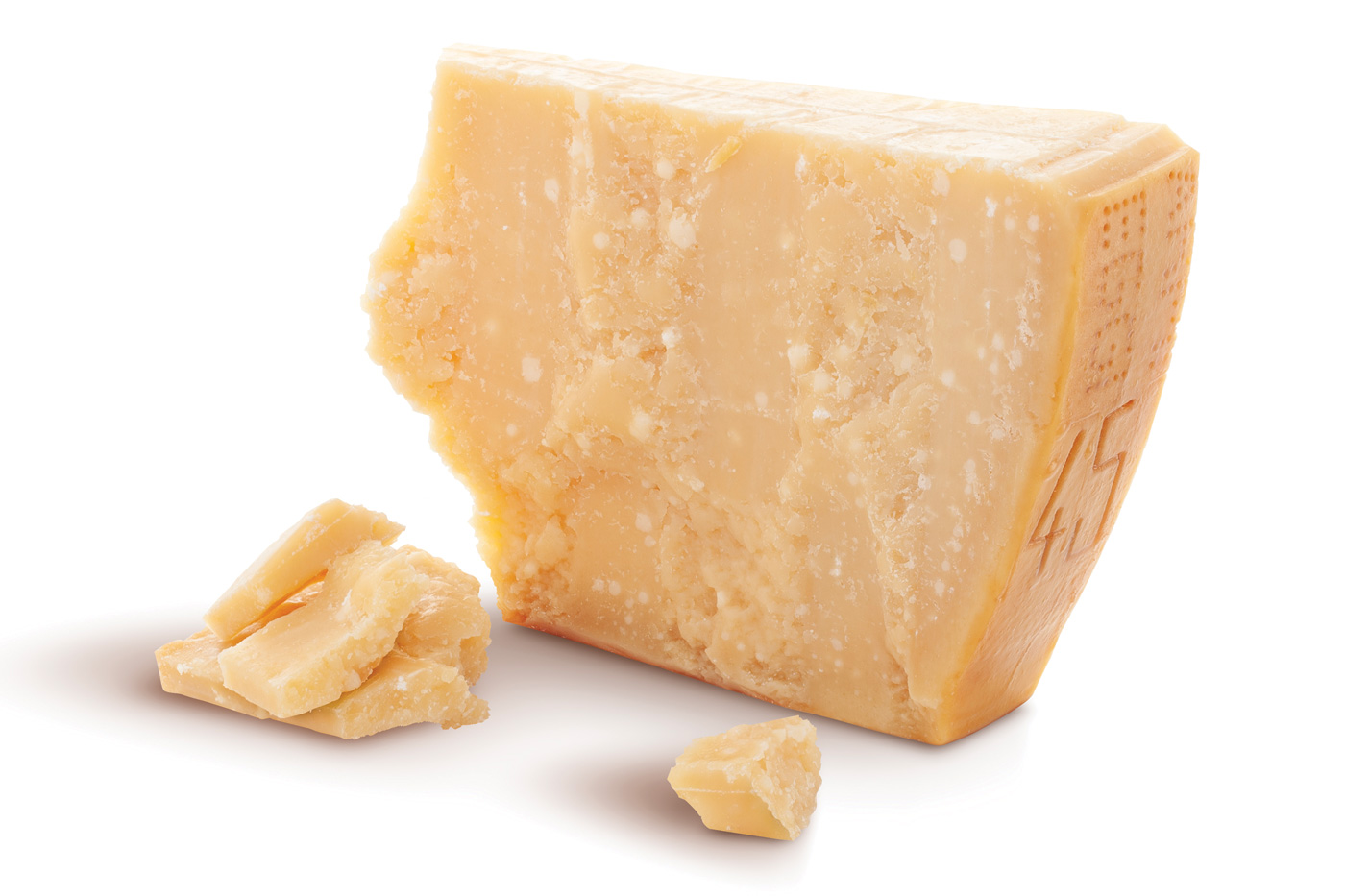
Using ultra-high-performance liquid chromatography–mass spectrometry (LC-MS), food scientists at the Technical University of Munich have developed an efficient way to measure the peptides formed during cheese ripening that determine the full-bodied flavor of aged cheese. Known as kokumi, this long-lasting flavor experience mainly derives from increasing concentrations of gamma-glutamyl dipeptides (small molecules that consist of a link between glutamic acid and another amino acid).
This new LC-MS process can accurately determine the concentrations of all 56 gamma-glutamyl dipeptide variants in only 22 minutes, according to the study published in Food Chemistry. Analyzing more than 120 cheese samples, the researchers have also created a database that can help food technologists predict flavor development as cheese ripens.
RESEARCH

© Lacramioara Radacanu/500px/Getty images
Carrageenan controversy crescendos
Carrageenan—known as E 407 in the European Union, where it is banned in infant formula—has long been controversial. Approved by the U.S. Food and Drug Administration (FDA) in 1961, the seaweed-derived additive remains a common thickening agent and emulsifier in processed foods, though multiple research studies since the 1970s implicate it, albeit inconclusively, in animal and human digestive issues. A recently published study by German researchers in BMC Medicine suggests that carrageenan not only affects the barrier function of the intestine, but also might increase the risk for insulin resistance in overweight individuals.
In this double-blind, randomized, controlled trial, 20 healthy men in their 20s and early 30s—all with a body mass index (BMI) of less than 30—consumed orally either 250 mg of carrageenan or a placebo twice a day for two weeks. The results indicate an increase in permeability of the small intestine with carrageenan consumption at an amount from two to three times that in a typical American diet. The research also suggests a possible correlation between having a higher BMI and carrageenan contributing to insulin insensitivity. The study’s authors emphasize that more research needs to be done to investigate carrageenan’s potential impact on the development of type 2 diabetes.
TECHNOLOGY
Supertaster extraordinaire
A team led by researchers at Pennsylvania State University has developed an electronic tongue that can discern differences in similar liquids, such as milk with variations in water content, fruit juice with incipient spoilage, and coffee blends. Linked to an artificial neural network (a machine-learning algorithm that mimics the human brain), the tongue consists of a graphene-based field-effect transistor with sensors that can detect different chemical ions.
When researchers provided the artificial intelligence (AI)–driven tongue with 20 particular parameters to assess (all related to how the liquid interacts with the sensors’ electrical properties), the device could accurately identify sample liquids at several levels of freshness with more than 80% accuracy in approximately one minute. However, when the AI network was provided raw sensor data and allowed to define its own parameters, the electronic tongue’s inference accuracy jumped to 95%. As the study’s authors explain, the AI neural network was able to look at more subtle characteristics in the data than the researchers could define.
Published October 9, 2024, in Nature, the research could potentially be useful for medical diagnostics, as well as food safety and production, according to the authors.ftHero Image: © akindo/getty images
Authors
-
Carolyn Schierhorn
Categories
-
Food Business Trends
-
Consumer and Marketplace Trends
-
Food Product Development
-
Flavors
-
Food Ingredients and Additives
-
R and D
-
Omnivore
-
Food Technology Magazine


