
Processing in Perspective
A food scientist and IFT FIRST panelist explains the complexities of food processing and why science--and collaboration--are key.

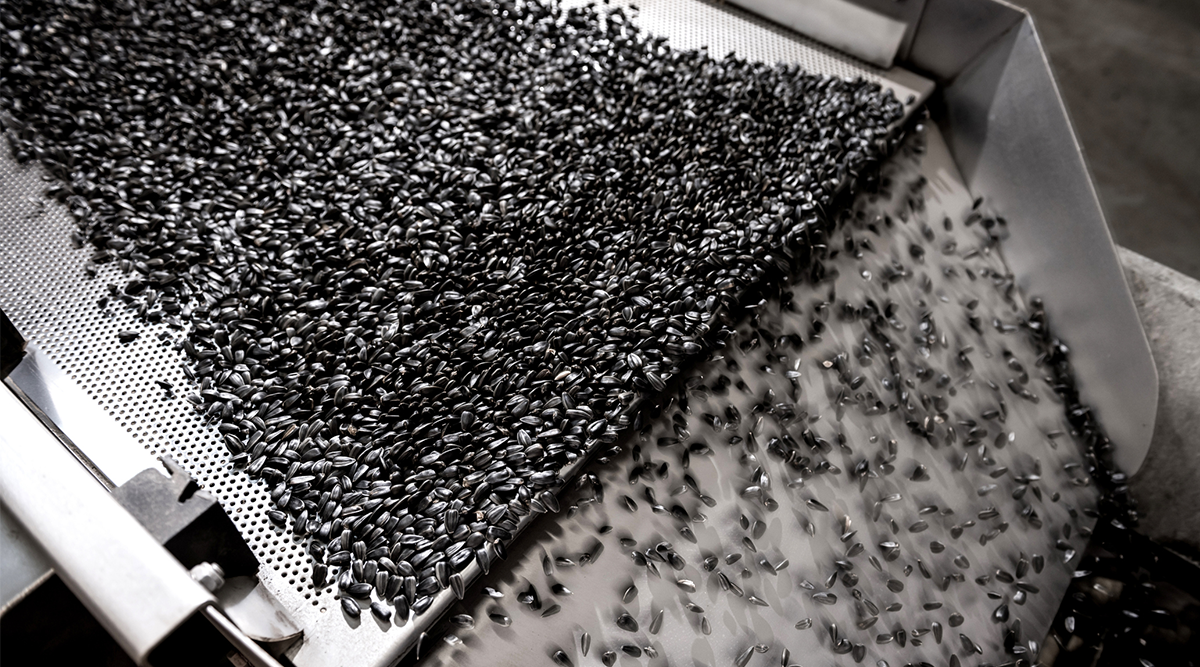
Ultra-processed foods (UPFs) have come under fire in recent years for their association with obesity and chronic disease. But not all UPFs are the same—because the category itself is overly broad, says Ana María Quirós, a faculty member at the University of Costa Rica and food science doctoral student at the University of Manitoba. “Public discourse often lumps all processed foods into a single negative category,” she says, “but processing spans a wide spectrum.”
Quirós and other experts explored this hot-button topic at the panel forum “How Can We Rethink the Future of So-Called Ultra-Processed Foods with Science in Mind?” at IFT FIRST: Annual Event and Expo in July. Current classification systems oversimplify and don’t reflect today’s science, she explains, but researchers are developing new, evidence-based approaches that weigh both risks and benefits.
Below, Quirós, a member of IFT’s Food and Nutrition Security Steering Committee and a contributor to its white paper on food processing, discusses processing, UPFs, and why a collaborative, science-based approach is essential moving forward. Despite the complexity, she says, there is one critical thing to remember: “Food processing plays a vital role in making the global food supply safe, nutritious, and accessible.”
What key insights do you hope attendees gained from the UPFs panel at IFT FIRST?
I hope people left with an appreciation that UPFs are a complex issue requiring collaboration across disciplines—not just among public health officials, nutritionists, or food scientists, but across the entire food system. I also wanted attendees to recognize that processing itself isn’t inherently negative; it plays a vital role in feeding a growing global population safely and nutritiously.
Say more about that. Why is food processing essential?
The global food system can’t rely on fresh foods alone. Fruits and vegetables spoil quickly, leading to waste and limited access. Processing extends shelf life, helps preserve or even enhance nutrients, ensures food safety, and makes foods more widely available year-round. It also improves digestibility and bioavailability so our bodies can absorb and use nutrients effectively. Thoughtful processing supports both health and sustainability, with techniques like freezing, canning, pasteurization, and fermentation serving as proven tools.
What about ultra-processed foods? Why is there so much controversy around them, and what is the biggest misconception about them?
Ultra-processed foods are typically defined as industrially made products containing ingredients not common in home kitchens, such as additives, preservatives, and flavor enhancers. They’ve drawn scrutiny because studies link high consumption to potential health risks. The biggest misconception, however, is that all UPFs—and processing itself—are bad. The definition is so broad and imprecise that many beneficial foods, from yogurt and protein bars to infant formula and fortified beverages, get unfairly lumped in. This creates confusion and stigmatizes products that provide important nutrients and play essential roles in the diet. For this reason, many food scientists avoid using the UPF concept altogether.
How does the lack of clarity around processing and UPFs align with today’s regulatory landscape?
Many people assume “ultra-processed” automatically means unhealthy or high in fat, sugar, or salt. In reality, the science is still evolving, and the definition is too vague to serve as the basis for regulation. Applying it rigidly risks discouraging or even eliminating foods that are safe, nutritious, and necessary. As the IFT FIRST panel noted, the real focus should be less on how a food was processed and more on its nutritional quality and health impact. Many processed foods—from fortified products that address nutrient gaps to pasteurized or shelf-stable milk that ensures safety—deliver essential benefits.
How can consumers make informed choices about processed foods?
It’s best to look at formulation since that primarily determines nutritional quality, rather than the fact that a food has been processed. Build variety into your diet and choose processed foods that supply the macro- and micronutrients you need. When selected wisely, processed foods can absolutely fit into a balanced diet. The key isn’t avoiding individual items labeled “processed,” but following the overall healthy eating patterns recommended by the World Health Organization.
What’s the future of food processing, and where is the science heading?
The future of food processing is driven by scientific innovation aimed at improving nutrition, sustainability, and safety. Researchers are advancing both traditional methods and new technologies—such as fermentation, extrusion, high-pressure and microwave processing, filtration, and even 3D food printing—to better preserve or enhance nutrients while reducing environmental impact. Science is also uncovering how food structure and composition affect eating rate, digestion, and the microbiome, leading to more tailored dietary recommendations. Emerging areas like precision nutrition, bioactive fortification, and novel preservation techniques are shaping foods designed for specific health benefits. At the same time, research is addressing practical challenges like reducing food waste, extending shelf life, and creating functional foods that meet targeted nutritional needs. Moving forward, collaboration across scientists, health professionals, industry, governments, and consumers will be essential to realizing this vision.
To learn more about how existing and novel processing technologies can help improve global food and nutrition security, download the white paper Sustainable Production of Nutritious Foods Through Processing Technology, authored by IFT’s Food & Nutrition Security Steering Committee.
_____
To the CHANGE-MAKERS As part of the IFT community, you’ll join leaders and innovators driving progress through science-based advocacy. You’ll collaborate to solve critical challenges in food safety, nutrition security, and sustainable food systems. When we come together to share research, resources, and expertise, our voice and impact grow stronger.
You belong here. Become a member at ift.org/join.
Categories
-
Food Health Nutrition
-
Food Processing and Packaging
-
Diet and Health
-
Brain Food Blog


