
Finding the Sweet Spot

-
Key Takeaway 1
Two-thirds of consumers say they want to limit sugar consumption.
-
Key Takeaway 2
Product developers are working with a growing list of alternative sweeteners, often used in combination.
-
Key Takeaway 3
Many consumers voice concerns about artificial sweeteners.
-
Key Takeaway 4
Some research suggests that the widely used sweetening ingredient erythritol is associated with health risks.
Consumers, nutritionists, food companies, and formulators alike seek the sweet spot in balancing health concerns with cost and taste in the burgeoning reduced-sugar marketplace. Here’s a look at some of the developments affecting this area of importance to consumers.
Formulators enjoy more options to support sugar reduction than ever before, notes Amber McKinzie, Cargill’s marketing manager for sugar reduction and sweeteners. “Brands are using non-artificial ingredients like stevia, allulose, erythritol, and monk fruit—often in carefully crafted combinations—to achieve their sugar reduction and sensory goals.”
Two-thirds of consumers wanted to limit their sugar consumption last year, according to the International Food Information Council’s 2024 Food & Health Survey. “Low- and no-calorie sweeteners are excellent tools that consumers can use to achieve this goal,” says Melissa Kaczmarczyk, principal scientist in global nutrition at Tate & Lyle.
Some consumers still prefer sugar to the alternatives, but in moderation. Among them is Richard Hartel, professor of food science at the University of Wisconsin–Madison.
People have long consumed sugared foods and beverages, he notes. “Why it’s all of a sudden become the devil is a little bit of a mystery to me,” he observes.
Calories are also a concern for many. “While sales of full-sugar beverages have taken a hit, products in the 1- to 50-calorie range are growing,” says Cargill’s McKinzie. She cites data from NielsenIQ that shows volume growth for these beverages at 3.2% for the year ending in mid-October 2024.
“The golden ticket is to create something that is a one-to-one replacement to sucrose, to sugar,” says Sarah Diedrich, ADM’s senior product marketing director for global sweetening and texturizing solutions. That includes functionality, because sugar lowers the freezing point of ice cream, keeps frosted cereal flakes from clumping, and adds bulk and texture to cookies and candy.
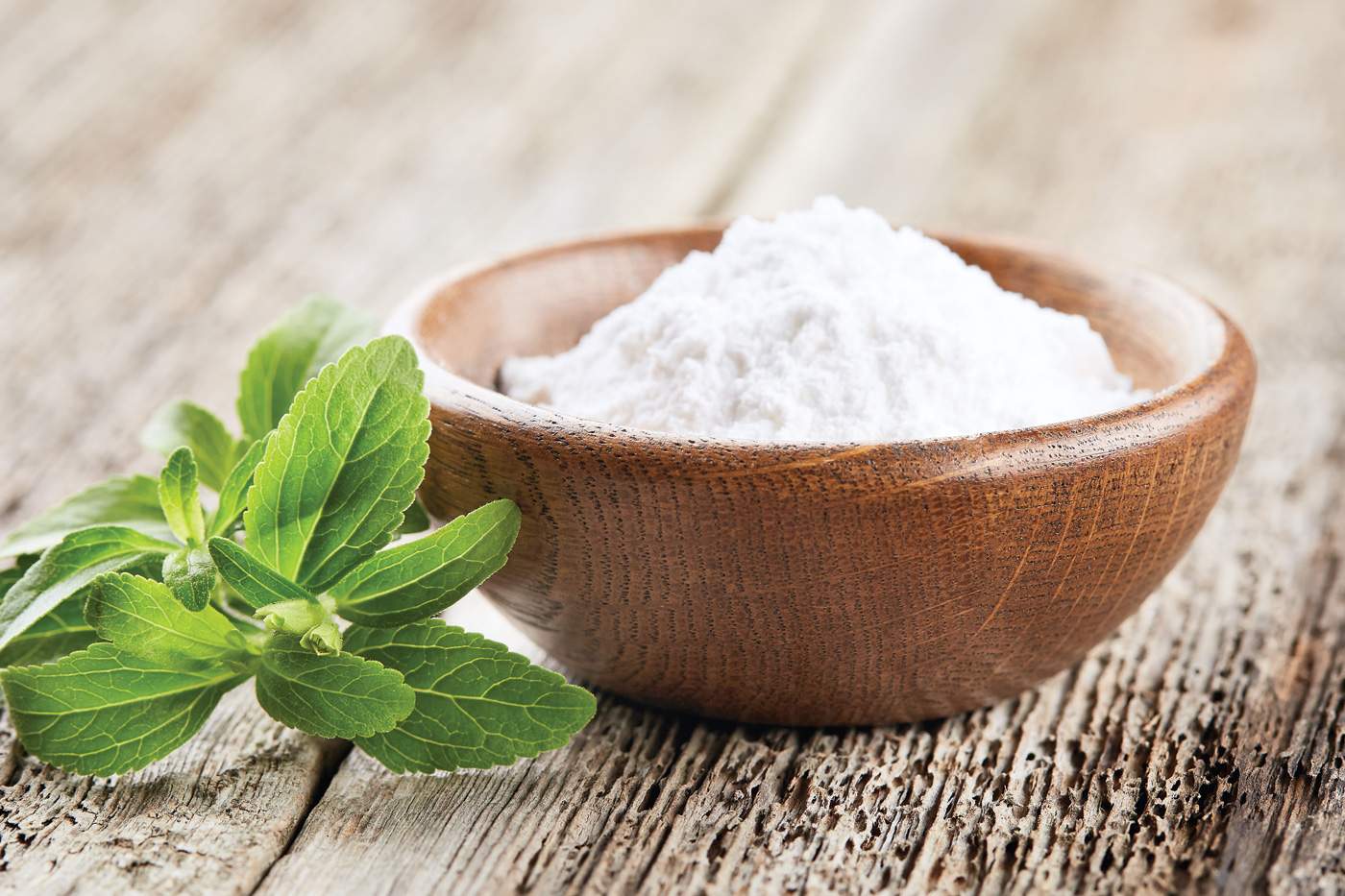
Stevia sweeteners lead the way among plant-based sugar alternatives. The Innova Market Insights New Products Database tells the story. “In 2007, approximately 500 new products containing stevia sweeteners were launched globally. In 2024, that number was over 9,200 new products globally across a variety of product categories,” McKinzie says.
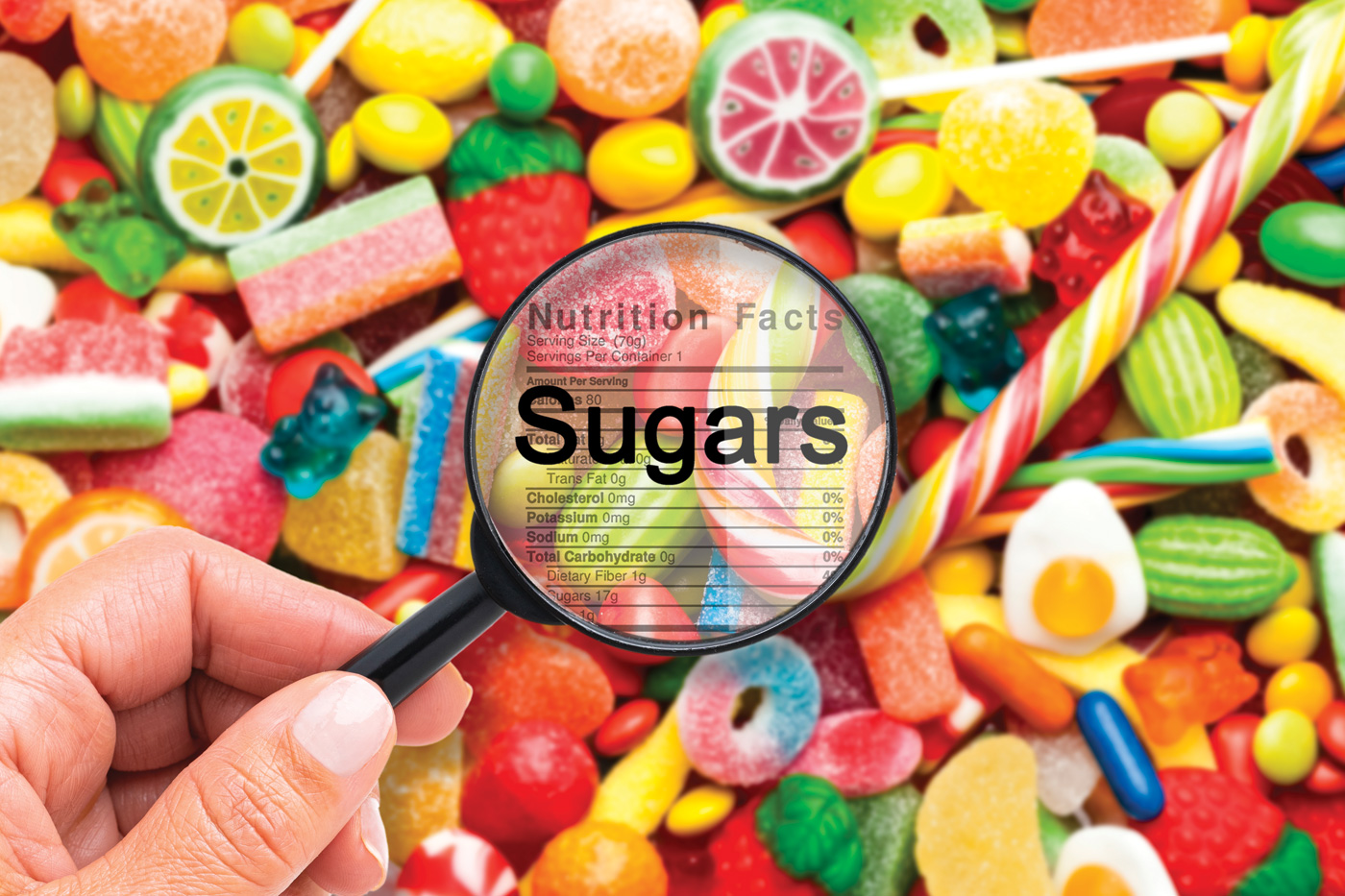
Ingredion’s PURECIRCLE Clean Taste Solubility Solution, a novel stevia sweetener, contributed to the numbers. It “changed the game for plant-based no-calorie sweetening in beverages and syrups,” says Kristen Germana, Ingredion’s director of global segment marketing for healthful solutions and sugar reduction.
Manufacturers also are innovating with newer plant-based low- and no-calorie sweeteners such as allulose and sweet proteins. “These perform better when paired with the original plant-based no-calorie sweetener, stevia,” Germana says. She expects these new ingredients and approaches to move the sugar replacement sector toward great taste and clean labels.
Neither allulose nor soluble corn fiber are really new, but the combination offers an innovative solution for sugar reduction, says Grace Kim, who until recently was a technical services manager at Tate & Lyle.
“Allulose and soluble corn fiber have strong digestive tolerance compared to other ingredients in their category but offer a very low-calorie contribution,” Kim says. “Imagine cookies that are nicely brown, soft, pleasantly sweet, and sugar-free—totally possible with allulose and soluble corn fiber.”
The early scientific returns thus far indicate that soluble corn fiber helps build a better gut microbiome and increase absorption of vitamin D. But it also helps moderate the taste of off-notes often associated with high-potency sweeteners, Kim says.
Stevia may carry health benefits, too, as indicated by a 2023 study published in the International Journal of Food Sciences and Nutrition. The study’s co-authors, who included Tate & Lyle researchers, found that stevia was broken down by gut microbiota, changing gut bacterial density and increasing beneficial short-chain fatty acids.
When it comes to on-pack information, consumers are more likely to check the amount of sugar versus looking for a specific sweetener or claim.

Healthier Options
“You’ll find products with sugar-related claims in most every section of the grocery store, from condiments to ice cream, highlighting consumer demand for healthier options across the food and beverage landscape,” Cargill’s McKinzie says.
Cargill’s proprietary research finds sugar atop the list of ingredients that consumers wish to avoid. “When it comes to on-pack information, consumers are more likely to check the amount of sugar versus looking for a specific sweetener or claim,” McKinzie says.
Artificial sweeteners also trigger consumers. Research from HealthFocus International finds that 60% of consumers globally express concern about artificial sweeteners.
“While label considerations are important, we can’t lose sight of sensory appeal. On-pack claims may spark initial trial, but it’s a great-tasting product that drives repeat sales,” McKinzie says.
Tate & Lyle’s most recent survey also found that the top reason consumers avoid repurchasing a product has to do with its taste. “The innovation focus and differentiator for brands in this space will continue to be outstanding taste with the cleanest label possible,” says Rebecca Henrickson, Tate & Lyle’s head of category strategy, beverages, flavor house, and confectionery.
We see that each consumer is making an individual choice about what ‘clean label’ means to them and what ingredients or product attributes are acceptable for their lifestyle.

The Blommer Chocolate Company similarly acknowledges the discriminating tastes of consumers. “We see that each consumer is making an individual choice about what ‘clean label’ means to them and what ingredients or product attributes are acceptable for their lifestyle,” says Blommer’s Charles Quinto, director of R&D. “To support this continued trend, our products under the Discovery brand do not use artificial ingredients and use Incredo Sugar, which is simply labeled as ‘sugar’ on the ingredient list.”
A business-to-business supplier, Blommer offers a diverse assortment of reduced-sugar and zero-sugar products to help its customers meet a wide range of consumer needs and preferences. “Regardless of sugar content, taste is always top of mind for us,” Quinto says.
The Incredo Sugar option is exclusive to Blommer in the chocolate confectionery category. The company’s approach is to become early adopters of technology that impacts consumers, Quinto says. Incredo Sugar is an example.
Blommer’s Discovery product line comprises chocolate coatings and chips that are formulated to offer up to 67% sugar reduction. “By leveraging Incredo Sugar in our formulas, we deliver on just the right amount of sweetness without the need for sugar alcohols or high-intensity sweeteners,” Quinto says. Incredo’s proprietary formulation starts with real sugar and engineers it to deliver sweetness to taste receptors more efficiently, allowing consumers to still perceive the sugar impact while eating less of it.
Hartel’s office at the University of Wisconsin–Madison is packed with colorful packages of LIFE SAVERS, Scrummy Gummy Bears, HI-CHEW taffy-type products, and other sweet treats. The editor-in-chief of IFT’s Journal of Food Science, he offers weekly tastings to his candy science class. Five years ago, reduced-sugar candies were not among his samples. “Nowadays, I have a lot more that I bring in,” he says.
New Products
A recently introduced HI-CHEW product contains 30% less sugar than its original version, but sugar remains the No. 1 ingredient. The second ingredient is maltosyl trehalose syrup. Hartel says that’s a new combination of the maltose and trehalose molecules, which replace the bulking provided by the removed sugar.
Many new product launches in recent years have pursued the “zero sugar” route. Those product launches and their retail sales have enjoyed an uptick, says Tate & Lyle’s Henrickson. “The zero-sugar claim resonates with the current health and wellness goals of consumers,” she says.
Energy and hydration drinks reflect this trend. Henrickson lists several examples. Liquid I.V. launched sugar-free versions of its popular ready-to-mix powders, including some with the alternative sweetener allulose. In dairy, Chobani has gained market share with zero-sugar versions of its popular yogurt. Henrickson also notes fairlife’s continuing strides with its no-added-sugars CORE POWER protein shakes.
“Both companies (Chobani and fairlife) are playing with sweetener combinations like monk fruit, stevia, and allulose to provide the most sugar-like taste experience without the added sugar. With the heightened consumer focus on weight loss and physical fitness, we expect these trends to continue,” Henrickson says.
As the keto trend has become mainstream, many more zero-sugar or reduced-sugar products are making their debut. Some cake mix brands, for example, have replaced sugar with soluble corn fiber and inulin to help maintain texture and moisture.
“It’s a win-win. You’re reducing the sugar but you’re adding fiber,” notes Lisa Sanders, owner and principal at Cornerstone Nutrition. She assesses using filtration technologies to reduce the natural sugar content of milk as another win-win because it yields higher protein and longer shelf life. “You could do the same potentially for fruit juices, as well,” she says.
Cargill, too, plans to continue expanding its sugar-reduction tool kit. “New enzymatic processes and advances in fermentation technology could deliver sweeteners that bring improved taste and functionality, especially when paired with other ingredients and technologies,” Cargill’s McKinzie says.
The reduced-sugar landscape likely will continue to evolve and expand. ADM’s Diedrich notes that gluten-free products have become common. But when gluten-free diets became popular about 15 years ago, good-tasting options were limited. People who subscribe to various other specialty diets, including keto, which limits sugars and other carbohydrates, have had similar experiences. In the future, Diedrich predicts, “the same is going to be true for the large population that is on the GLP-1 medications.”

Product formulators find that combining non-artificial sweeteners can help deliver the sensory properties consumers are seeking. Photo courtesy of Cargill
Cost Factors
“We have seen an influx of products on the market that are bundling low- or no-sugar claims with health benefits provided by ingredients like prebiotic fiber,” Ingredion’s Germana says. “It is important that these products taste incredible since these benefits cost consumers more.”
Ingredients such as agave, monk fruit, and stevia cost more than sugar. Because of their relative newness, they have yet to see the price decreases that a larger market share could bring, Germana says. “As consumers refuse to compromise on attributes such as clean label and plant-based, the future is bright for natural alternative sweeteners.”
ADM offers a one-stop product development process that can help reduce costs by saving client companies time and money. The company’s trademarked motto, “replace, rebalance, rebuild,” stands for replacing sweetness, rebalancing flavor, and rebuilding functionality.
“Some of the best-tasting stevias that are from the leaf are astronomically priced compared to stevias that were first introduced to the market 10 years ago,” Diedrich says. ADM has recently launched products within its stevia Edgility line that are designed to match or achieve better performance of rebaudioside M, which comes directly from the stevia leaf, at a reduced cost.
Cargill’s McKinzie points out that not all alternatives are more expensive than sugar.
“Our EverSweet stevia sweetener actually delivers compelling cost-in-use numbers compared to full-caloric sweeteners when used in many beverage applications,” she says.
In beverages that need no bulking back agent, EverSweet helps customers save money while meeting their demands for reduced calories, more sustainably produced products, and good taste.
“In other applications, EverSweet may not deliver the same cost-in-use savings, depending on what other ingredients they need to replace sugar’s bulk and functionality,” McKinzie says. She notes, however, that many consumers regard low price skeptically when it comes to best value.
Tate & Lyle’s Henrickson agrees that while alternative sweeteners carry a higher price pound-for-pound, cost-in-use considerations often differ.
“To achieve the same sweetness level, you typically need a lot less of a sweetener. We find that depending on your sweetness level goals, partial or total sugar replacement can be cost-neutral,” Henrickson says.
Some product labels that display appealing ingredient names such as monk fruit tend to increase costs. “The trade-off, of course, is appealing to a wider audience that is looking for a more recognizable and perceived ‘natural’ ingredient statement,” Henrickson points out.
Tate & Lyle’s scientists pursue their usual goal of matching the taste of 100% sucrose at its full intensity. But they also see that consumers of zero-sugar soft drinks have become accustomed to a thinner mouthfeel. Many consumers regard full-sugar beverages as too syrupy.
“Also, the population may be looking to reduce the overall sweet taste in a beverage,” says Kim. In 2015, the World Health Organizationrecommended a reduction in sugar consumption.
“Generally, we see a trend in that direction,” Kim continues. “Many new products do not taste as sweet as traditional foods and beverages. The innovation comes in at understanding that our targets may be shifting.”
Instead of developing a beverage containing 10% to 11.5% sugar, the target may drop to 7% or 8%. This lowers the hurdle for non-nutritive sweeteners to clear, Kim says, “which subsequently helps to reduce the overall off-notes associated with non-nutritive sweeteners.”
Health Concerns
Alternative sweeteners are expected to continue to play an important role in product formulating. But cautious parents may wish to avoid providing products that contain artificial and/or other non-nutritive sweeteners to their children.
Their expanded use in foods and beverages has raised concern among some health-care professionals. One study published in the journal Nature Medicine in February 2023 has found that erythritol is associated with an increased risk of adverse cardiovascular events in at-risk individuals.
In that study, test subjects received a dose of erythritol equivalent to eating a pint of low-sugar ice cream. The result: a persisting increase in erythritol in the bloodstream that negatively affected platelet activity, which causes clotting in the bloodstream. Clotting is needed to stem cuts when bleeding, “but it’s not good when you have heart disease,” Sanders notes.
Erythritol, an approved food additive, has been used for years. It occurs naturally. Fruits contain erythritol in small amounts, Sanders says. The foods that have it as an added sweetener tend to contain more. And it serves a key formulation purpose, notes Cargill’s McKinzie.
“Erythritol works as an excellent complementary and synergistic sweetener to high-intensity sweeteners. That’s why erythritol is often paired with stevia,” she says. “In beverages, for example, erythritol brings a boost in upfront sweetness and a more rounded, sugar-like sweetness profile.”
Overall, there is a lot of evidence for the safety of sugar alcohols, but as scientists, we should always be open to considering and thoroughly evaluating new findings.

Given their results, the study’s co-authors at the Cleveland Clinic recommended long-term studies to further assess the safety of erythritol. The team recommended likewise for xylitol after reporting another study with similar outcomes in the European Heart Journal in June 2024.
“Overall, there is a lot of evidence for the safety of sugar alcohols, but as scientists, we should always be open to considering and thoroughly evaluating new findings,” Sanders says.
The mixed results of observational research studies on the impact of high-intensity sweeteners on weight also call for cautious evaluations. Some of the research shows that these sweeteners can help with weight control, while others show the opposite.
As observational studies, Sanders notes, the research falls short of demonstrating that the ingredients caused the outcomes, only that they occur together. Clinical studies, unlike observational studies, can determine cause and effect by changing diet first, then looking at outcomes. “Most clinical studies don’t support that noncaloric sweeteners are causing weight gain,” Sanders says.
Health professionals have advocated for reprogramming the human sweet tooth the way they did with salt. People tend to lose their taste for salt after reducing sodium intake.
But food technologists may never reach that sweet spot. After progressively reducing sugar intake, Sanders says, “When you go back and eat something very sweet, you still like it.”ft
Learn More at IFT FIRST
Interested in sugar reduction strategies? Dive deeper into how the food system is addressing sugar reduction at IFT FIRST happening at Chicago's McCormick Place. Don’t miss these related sessions:
- KEYNOTE: Reducing Fat, Salt and Sugar for Healthier Foods — Mon., July 14 | 3:30–4:30 p.m. CT
- Improving Sweet Mouthfeel in Reduced-Sugar Beverages Using Natural Extracts — Tues., July 15 | 12:45–1:05 p.m. CT
Register now to stay ahead of sweetener innovation—and connect with exhibitors offering the latest in sweetener technologies and formulation tools.
Hero Image: © DeanDrobot/iStock/Getty Images Plus
Authors
-
Steve Koppes Writer and Editor
Is a writer and editor whose areas of specialization include science and technology (stevekoppes@icloud.com).
Categories
-
Food Health Nutrition
-
Food Categories
-
Culinary and Ingredient Trends
-
Food Product Development
-
Food Ingredients and Additives
-
New Product Development
-
Innovation
-
Diet and Health
-
Confectionery
-
Food Technology Magazine
-
Sweeteners


