
OMNIVORE
Mattson Announces Expansion Into Chicago, IFT Releases White Paper on Underutilized Crops

 Emily Little
Food Technology Magazine
Researchers upcycle soybean waste for fish food
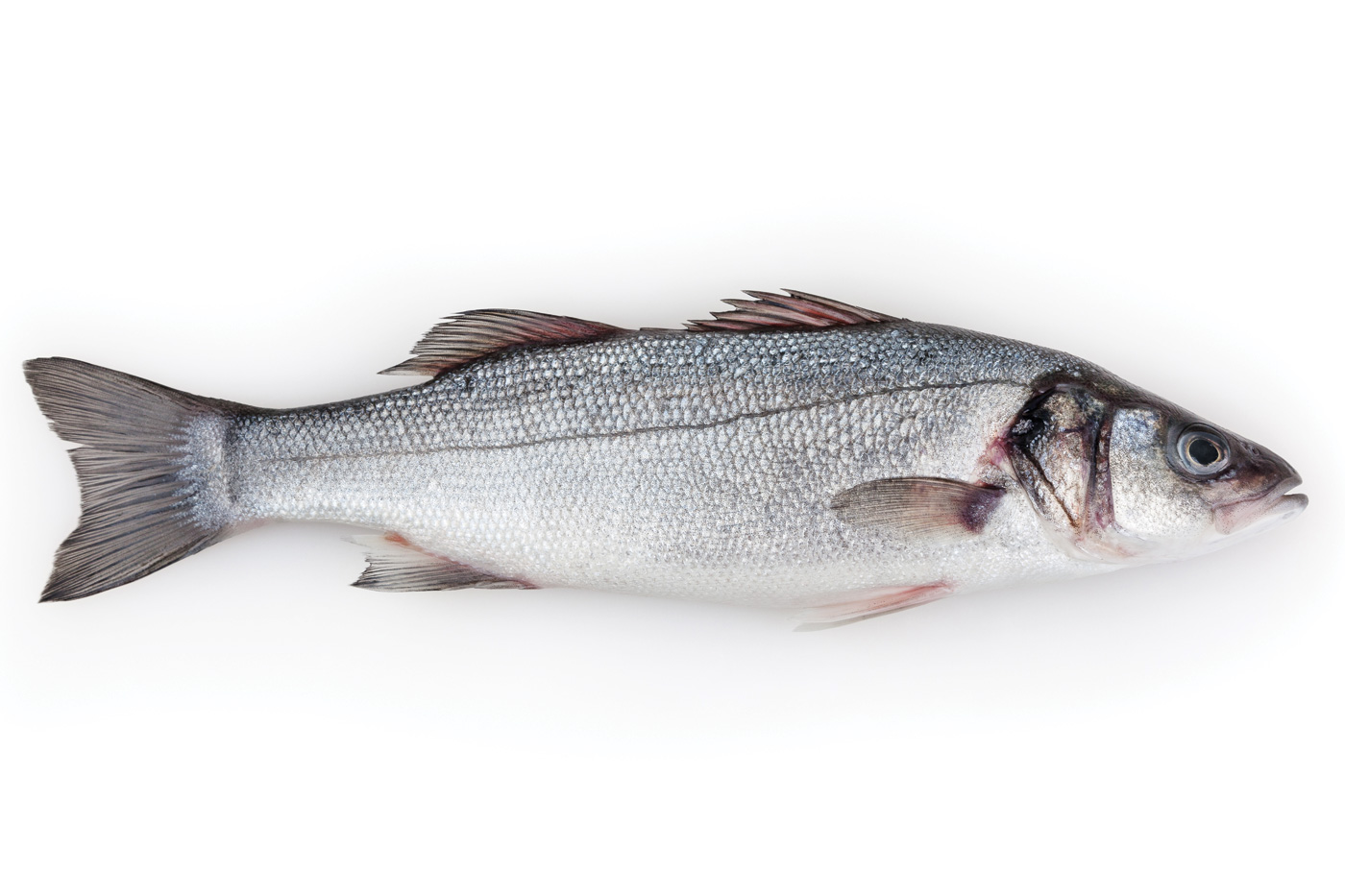
A team of scientists from Nanyang Technological University in Singapore successfully replaced half of the fish meal protein for a population of farmed Asian sea bass with a single-cell protein made from soybean processing wastewater.
The study, which was run in partnership with the Singapore Centre for Environmental Life Sciences Engineering and Temasek Polytechnic’s Aquaculture Innovation Centre, used wastewater from soybean processors specifically for its organisms with prebiotic potential, which is beneficial for fish.
In the experiment, the wastewater was placed into bioreactors with micro-aerobic conditions over four months to create the single-cell protein. Once the protein was completed, the team set up two groups of Asian sea bass for testing: one receiving a traditional fish meal diet and one receiving half fish meal and half cultivated protein. After 24 days, both groups of fish had grown the same amount, and the group on the cultivated protein diet experienced more consistent and less variable growth.
Traditional farmed aquaculture relies on wild-caught fish for its feed, which can lead to overfishing. The researchers saw an opportunity to divert the wastewater from soybean processing so the nutritional compounds can be used in feed, which they believe will lead to a more sustainable method of aquaculture.
“Our study represents a significant step forward in sustainable aquaculture practices,” said co-author Ezequiel Santillan in a press release. “By harnessing microbial communities from soybean processing wastewater, we have demonstrated the feasibility of producing single-cell protein as a viable alternative protein replacement in fish feed, reducing the reliance on fish meal and contributing to the sustainability of the aquaculture industry.”
To further study the use of the single-cell protein, the researchers plan to conduct longer studies and use higher quantities of the cultivated protein meal.
Mustard seed taste depends on microbes
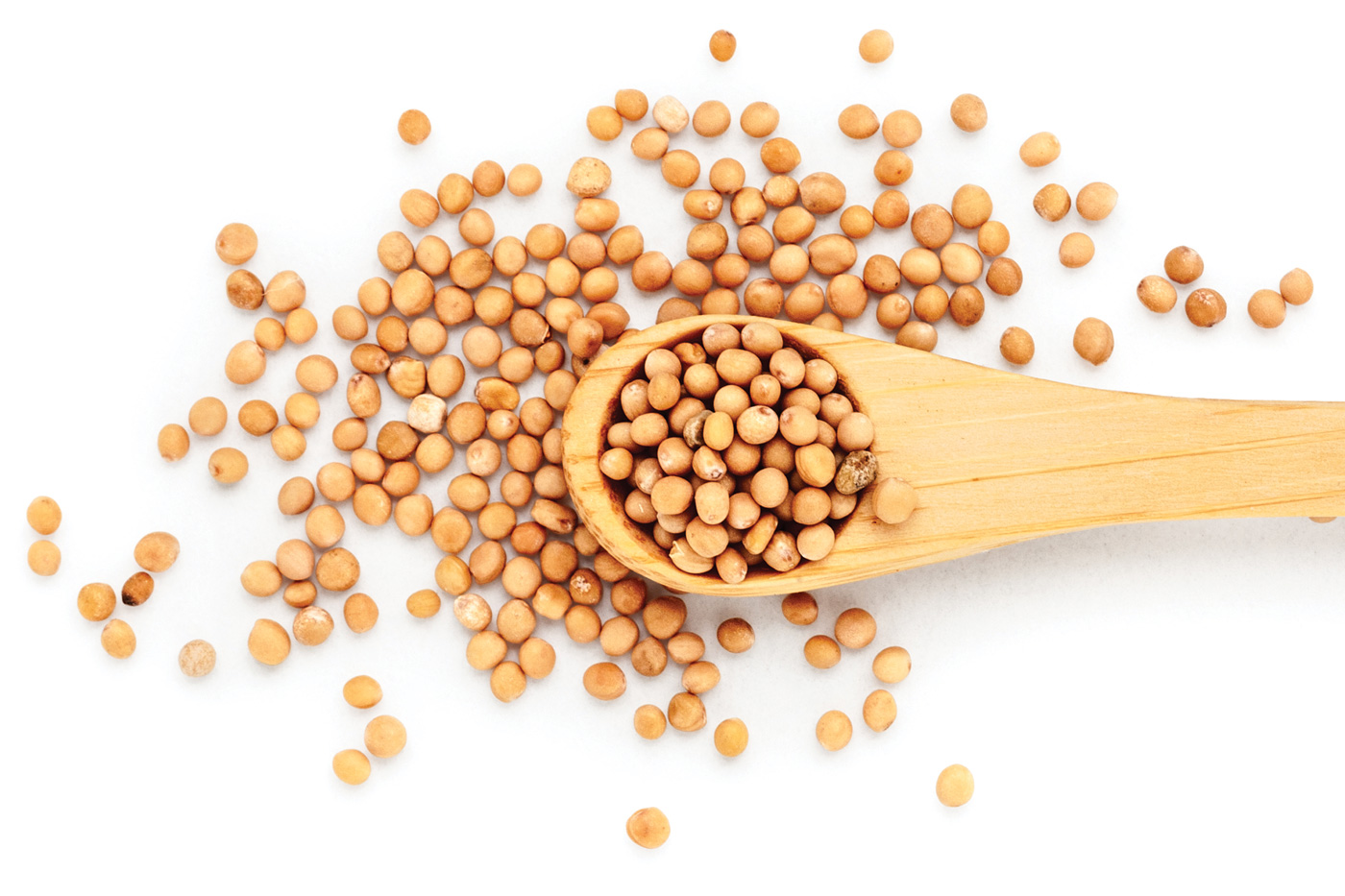
The spiciness of mustard seeds may be linked to the influence of microorganisms in the soil, according to a new study from the University of Colorado Boulder.
The study, published in New Phytologist, experimented with how microorganisms like bacteria and fungi influence the flavor of a crop. The researchers used a greenhouse study and grew the mustard plants while inoculating them with various microbes from soils from across Colorado. All other measures, including potting soil, temperature, and watering were held constant to focus on the microbes alone.
“It is often claimed that the types of microbes found in soil should influence crop flavor,” said researcher and co-author Noah Fierer in a press release. “We set out to test this claim, but it wasn’t easy—soil microbes are tough to study.”
Following harvest of the mustard seeds, the researchers tested for the plants’ spiciness level by measuring glucosinolate concentrations in the seeds. According to their results, there is evidence of a relationship between microbes and the spiciness of the mustard seeds, but the mechanism that influences taste is still unknown.
“The way the microbes diverged over time throughout the experiment made it hard to test some of our hypotheses of microbes affecting flavor,” said co-author Corrine Walsh in a press release. “We found a relationship between the microbiome and seed chemistry, but the direction and mechanism of that relationship remain unknown.”
The researchers view this experiment as an important step in determining what influences the flavor of a specific crop.
IFT releases white paper on underutilized crops
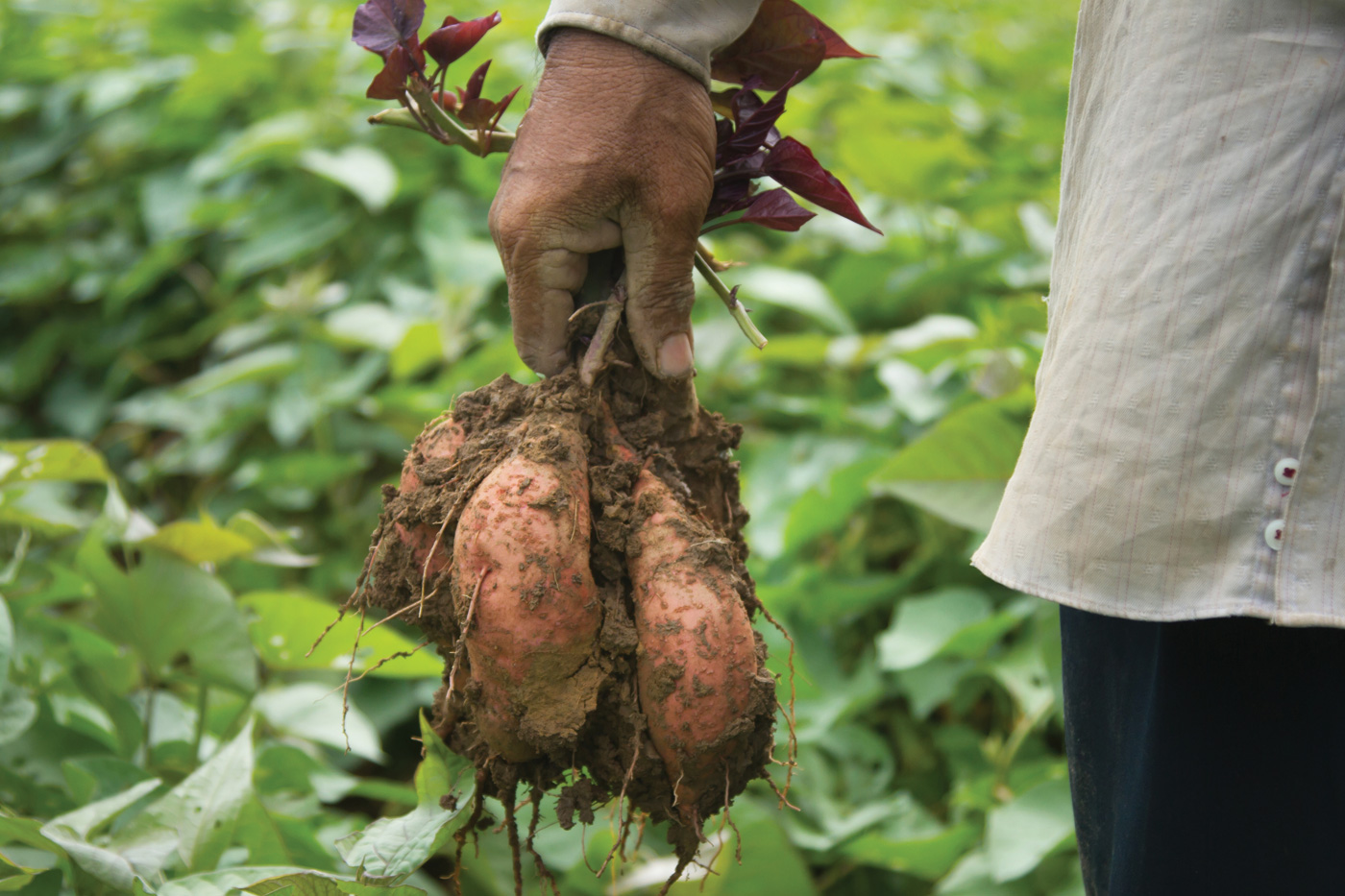
In 2021, IFT formed the Food & Nutrition Security Steering Committee to help identify key challenges in food and nutrition security and elevate food science and technology solutions. To address the growing issue of micronutrient malnutrition, the committee identified the need for large-scale micronutrient fortification, the development of biofortified staple food crops, and increased use of underutilized, nutrient-rich plants for enhancing dietary diversity. The newly released white paper is a summary of a roundtable discussion focused on challenges, solutions, and opportunities for the use of these underutilized crops.
Please visit content.ift.org/underutilized-crops-white-paper to learn more about these crops and their impact on the global food system.

Adults prefer sweet snacks late at night
Nearly half of Americans who snack late at night do so while lying in bed, according to a new report from Kellanova.
Kellanova’s Late Night Snacking Survey collected responses via an online questionnaire completed by more than 1,000 adults across the United States to determine trends and behaviors around late-night snacking.
According to the survey, 38% of adults surveyed choose a late-night snack because they were hungry, and 18% said they do so because they have a specific craving. Following having their late-night snack, most participants reported feeling happy/content or calm/relaxed.
When it comes to location, 58% of adults aged 18–24 choose to eat their late-night snack in bed. The top three snacks to eat in bed are cookies, ice cream, and chips, and 20% of respondents reported eating salty snacks in bed. Additionally, half of the late-night snackers do so while watching television, and 66% report snacking alone late at night.
The survey analyzes some of the demographic differences in late-night snacking habits. According to the results, men are eating more late-night snacks than women and men are 10% more likely to indulge in salty snacks than women. Further, adults aged 25–29 are more likely to crave something bitter in their snack, while those 18–24 are more likely to crave something spicy. Every age group noted “sweet” as the number one taste when looking for a late-night snack.

Mattson announces expansion into Chicago
Food and beverage project development firm Mattson announced that the company is expanding to Chicago with the acquisition of Hyde Park Group.
Mattson, based in the Silicon Valley in California, will acquire both Hyde Park Group’s Chicago location and its team with 20 years of expertise in foodservice. This will be Mattson’s first location outside of the San Francisco Bay Area. The firm hopes that the new space will help foster a culture of innovation in a new part of the country, furthering its reach and impact.
“We see Chicago as a nexus of food innovation,” said Justin Shimek, CEO of Mattson, in an interview with Food Technology. “There’s a startup community there and there are a number of venture capital firms headquartered there. San Francisco is our home, but Chicago is a serious food town.”
Mattson’s new location, which will be on the west side of Chicago, will offer a collaborative innovation space for product developers. The space will include a food innovation studio, where developers can experiment with flavor and ingredient combinations with experts from across the food industry, as well as areas to conduct consumer research through focus groups.
The executives at Mattson believe that adding Hyde Park Group to their team will enhance their work in foodservice and front-end development along the product development line.
“Their focus has always been on the front end of innovation,” Shimek explained. “They have a bit of a unique process where they bring in high-end chefs and bring them into the innovation process. So in addition to all of the services that we have, that’ll be something a bit new for us.”
By using both Hyde Park Group’s network of chef experts and Mattson’s proprietary artificial intelligence tools, Shimek hopes that this expansion will help customers develop new products faster and more confidently. He believes that this will bring a “holistic” approach to product developers through culinary research, consumer insights, and marketing expertise.
Social media study supports healthy eating
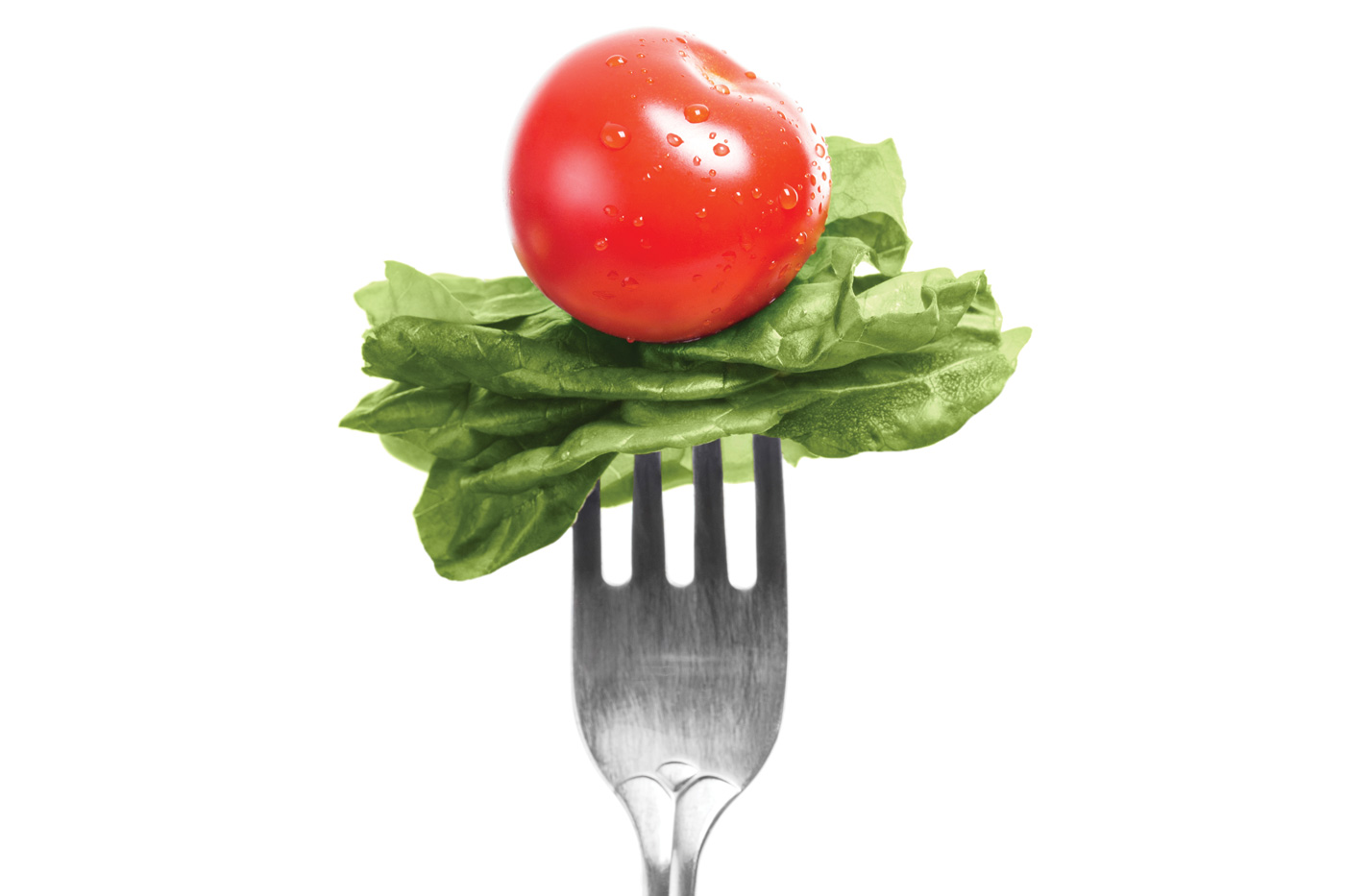
Younger consumers who follow social media accounts that focus on healthy eating increased their fruit and vegetable intake, according to a new study from Aston University in Birmingham, United Kingdom.
The study, which was published in Digital Health, observed two separate groups of consumers with a mean age of 22. The first group was asked to follow healthy eating accounts on Instagram in addition to their regular follows, while the second group was asked to follow interior design accounts. Over a two-week experiment period, the participants were asked to record what they ate and drank each day.
According to the results, the group following healthy eating accounts ate an additional 1.4 portions of fruits and vegetables per day compared with the control group, and they ate 0.8 portions less of “junk foods,” such as high-calorie snacks and energy drinks.
The researchers involved with this study believe this experiment shows a cost-effective and simple method to increase fruit and vegetable intake in young consumers.
“This is only a pilot intervention study at the moment, but it’s quite an exciting suite of findings, as it suggests that even some minor tweaks to our social media accounts might lead to substantial improvements in diet at zero cost,” said research supervisor Jason Thomas in a press release. “Our future work will examine whether such interventions actually do change our perceptions of what others are consuming, and whether these interventions produce effects that are sustained over time.”ft
In Memoriam
IFT notes the passing of Patricia (Pat) Fehling, 1982 chair of the Northern California Section of IFT, the first woman to hold that post.
Hero Image: © SvetlanaK/iStock/Getty Images Plus
Authors
-
Emily Little Associate Editor
Emily Little is associate editor, Food Technology (elittle@ift.org).
Categories
-
Food Business Trends
-
Consumer and Marketplace Trends
-
Omnivore
-
Food Technology Magazine


