

Remembering Dennis Heldman, Tomato Therapy, and More
In Memoriam

Remembering Dennis Heldman
IFT Past President Dennis “Denny” R. Heldman passed away on April 3, 2025.
A member of IFT since 1968, Heldman’s legacy spans decades of service, scholarship, and leadership. He was a steadfast advocate for food engineering and education, generously sharing his time and expertise to help shape the future of food science.
“Denny’s reach and impact were extensive, influencing the career paths of countless food engineers. He was always kind, approachable, and receptive to lending advice and direction to this community,” said Chistopher Daubert, IFT board president. “He set a high scholarly standard for food engineering faculty and played a central role in raising the visibility and academic rigor of the discipline.”
Heldman served as IFT’s president from 2006 to 2007. He also served on the IFT Board of Directors and lent his leadership to numerous committees and task forces over the years. He was named an IFT Fellow in 1981, received the Distinguished Career Award in 2013, and was honored with the Lifetime Achievement Award in 2018—one of IFT’s highest honors.
“Denny’s foremost concern was always to ensure that IFT was supporting the important role of food science, and in particular, academic food science programs and students,” reflected IFT Chief Executive Officer Christie Tarantino-Dean. “He had an impact on IFT and on so many in the field, and he never stopped caring about the organization that was his professional home.”
A renowned educator and researcher, Heldman most recently served as the Dale A. Seiberling Endowed Professor of Food Engineering at The Ohio State University. He was widely known for advancing the application of engineering principles to food processes and for his passion for mentoring students and professionals alike. His authorship of seminal textbooks and encyclopedias continues to influence food science education and practice around the world.
Video: Learn more about Dennis Heldman's career.

Silver nanoparticles in packaging can contaminate food
A study led and funded by the U.S. Food and Drug Administration’s Human Foods Program indicates that silver nanoparticles (AgNPs), proposed for use in plastic food packaging, can migrate through the packaging to contaminate the food within.
Not yet approved for use in the United States or the European Union, nanoparticle-infused polymers have been championed as an innovative way to protect against foodborne illness and extend the shelf life of food products.
Published in ACS Food Science & Technology, a journal of the American Chemical Society, the study found evidence of AgNP migration into dry foods (flour and ground rice), moist leafy greens (spinach leaves), and solid foods (cheese slices). Previous research had shown AgNP contamination of beverages, gelatinous foods such as yogurt, and liquid simulants encased in polymer nanocomposite (PNC) packaging.
The amount of AgNP migration depends on food particle size, food-polymer contact efficiency, and whether the AgNP-contaminated food was washed prior to analysis, the authors report. To analyze the migration mechanisms, they used laser ablation inductively coupled plasma–mass spectrometry and laser-scanning confocal microscopy.
For comparison purposes, the researchers also analyzed nanoparticle migration in PNC packaging infused with luminescent quantum dots, which are semiconductor nanocrystals, and observed similar results.
“More work is needed to understand the factors that may influence nanoparticle (NP) migration from PNCs intended for use in packaging of solid foods, including food chemistry/structure (polarity, moisture content, surface topology, particle size), NP characteristics (size, composition), and polymer type (composition, crystallinity, processing conditions),” the authors emphasize.
“Defining appropriate solid food simulants, testing methods, and relevant storage conditions for assessing migration of AgNPs or other NP polymer additives to solid foods should also receive attention to ensure continued responsible development,” they further observe.
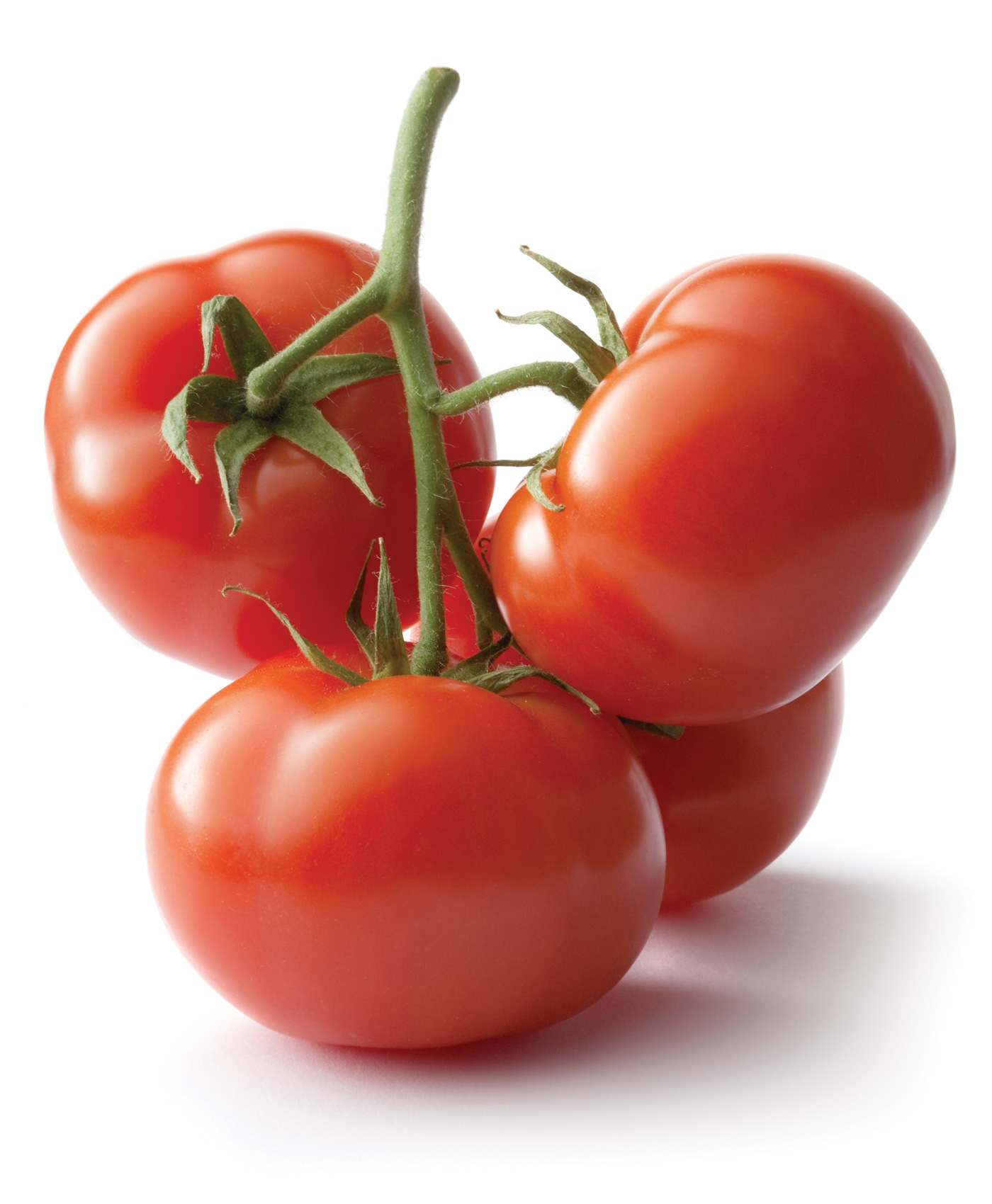
Tomato therapy
Researchers at Chongqing Medical University in China have discovered that lycopene, the antioxidant abundant in tomatoes and other red fruit, may alleviate depression symptoms. In this study, published in Food Science & Nutrition, the researchers induced chronic social defeat stress (CSDS) in 60 male mice by exposing them to larger, more aggressive male mice for brief periods over 10 days.
The stressed-out mice, which exhibited depression-resembling behavior, were divided into two groups: one receiving a daily lycopene treatment of 20 mg/kg and the other a control substance. The researchers found that the mice receiving lycopene became more social and showed more interest in sweetened water, indicating a reversal of the impaired pleasure seeking and social engagement common with depression.
After examining brain tissue from the hippocampus of lycopene-treated mice, the researchers identified increased levels of brain-derived neurotrophic factor (BDNF), a protein that supports the survival and growth of brain cells and strengthens neural connections. Tropomyosin receptor kinase B (TrkB) is a protein that acts as a receptor for BDNF.
“For the first time, we have demonstrated the antidepressant effects of lycopene in a CSDS mouse model,” state the study’s authors. “Furthermore, we discovered that lycopene exerts its antidepressant effects by improving synaptic plasticity through the BDNF–TrkB pathway, which promotes the application of natural foods in depression treatment.”
The researchers acknowledge that more studies need to be done to determine whether lycopene would be a safe and effective antidepressant for humans. The study notes that lycopene’s proven safety record as a natural ingredient makes it particularly promising. (Humans have eaten tomatoes for millennia and tomato-based products for centuries.)
However, the human equivalent dose to the 20 mg/kg given to the mice would be 110 mg of lycopene daily for a 150-pound adult, much more than any adult would normally consume in a day. Given that a medium fresh tomato contains only 3–5 mg of lycopene on average, while a cup of tomato sauce contains roughly 25 mg, it isn’t likely that humans would be able to consume the equivalent dose through food alone; a dietary supplement would likely be needed, which underscores the need for caution and additional research, the authors note.
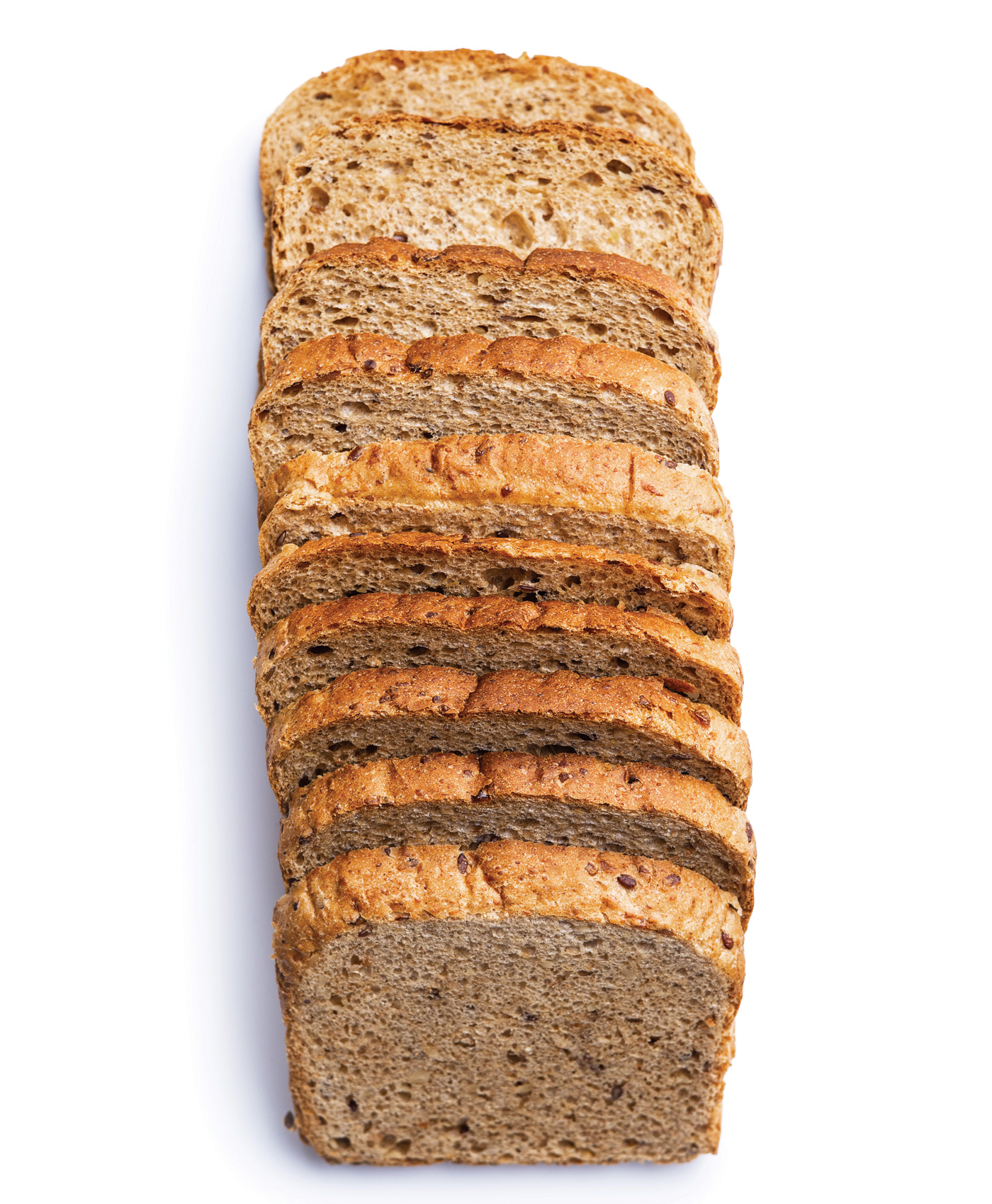
Rising remedy: Functional bread as a carrier for polyphenols
Researchers at South Dakota State University in Brookings contend that wheat bread developed with porous starch is an optimal functional food, able to encapsulate the polyphenols curcumin (derived from turmeric) and resveratrol (found in grapes, berries, and wine), both of which have antioxidant and anti-inflammatory properties. By encapsulating and safeguarding the polyphenols, the porous starch enables their gradual release during the digestive process, according to the authors of the study, published in the May 2025 issue of Food Hydrocolloids.
Abundant in fruits and vegetables, polyphenols are high in health-promoting antioxidants but low in bioavailability for a number of reasons. Starch granules in bread act as a physical barrier, enabling the polyphenols to have extended bioavailability in the body.
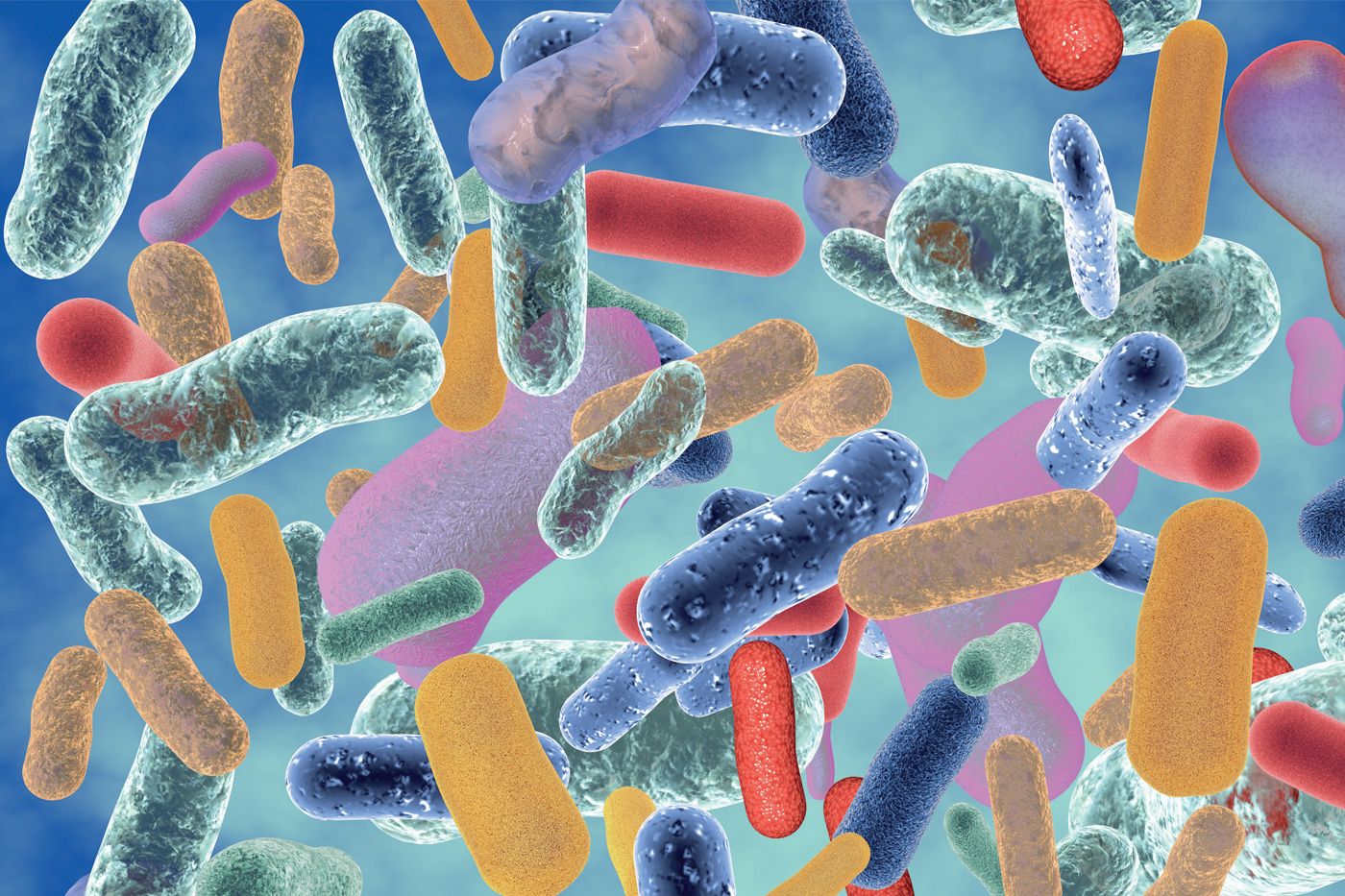
Gut reaction: Bacterial enzyme could help combat malnutrition
Researchers at the University of Washington School of Medicine in Seattle have identified a strain of gut bacteria associated with improved nutrition and growth outcomes in Bangladeshi children being treated with a therapeutic food to nurture healthful digestive tract microbiota. A microbiota-directed complementary food known as MDCF-2—containing chickpea, soy flour, peanut paste, green banana, vegetable oil, sugar, and micronutrients—had been given to malnourished Bangladeshi children in two previous randomized controlled trials. Analyzing the fecal samples of the subjects, the authors of the related study published in Science found that Faecalibacterium prausnitzii is abundant in the guts of children on the MDCF-2 diet, who had better growth than the children given a different therapeutic food.
The researchers colonized groups of mice born under sterile conditions with defined communities of microbes cultured from the Bangladeshi children’s microbiomes. The mice that were colonized with microbiota containing a specific strain of F. prausnitzii had much lower levels of oleoylethanolamide (OEA) and palmitoylethanolamide (PEA) in their guts than the mice lacking this strain. Biochemical and bioinformatic tools were used to identify the enzyme—fatty acid amide hydrolase (FAAH)—produced by the F. prausnitzii strain that degrades OEA and PEA (lipid-signaling molecules that play key roles in regulating appetite, metabolism, and inflammation). Understanding how FAAH reduces intestinal OEA, an appetite-suppressing compound, could lead to more effective MDCF therapies and probiotics, according to the study’s authors, who note that further research is needed on the impact of enzymes on the microbiome. Such studies could have therapeutic implications beyond combatting malnutrition, the researchers suggest.

Confinement changes perception of pungency
Why does food taste different on board the International Space Station (ISS)? Although it has long been hypothesized that microgravity affects astronauts’ appetites, researchers at the Royal Melbourne Institute of Technology University in Australia have found that being in an isolated, confined space has more of an impact on how an individual perceives food aromas and, consequently, flavors.
Published in Food Research International, the study examined 44 subjects’ emotional responses to and perceptions of eight food aromas in two settings: the confined ISS environment (simulated for participants via virtual reality goggles) and microgravity (simulated by having participants sit on reclined chairs that mimic astronauts’ posture in space). The aromas tested on the subjects were from almond extract, vanilla extract, white vinegar, peppermint extract, eucalyptus essential oil, lemon essential oil, lemon myrtle essential oil, and lemongrass essential oil. The research, which builds on the team’s prior studies, aims to better understand why astronauts struggle to consume their normal nutritional intake over long missions.
In the study, each of the eight extracts/oils was placed on a separate cotton ball and sniffed by each subject, first while in the zero-gravity chair and then later while wearing the virtual reality goggles. The samples were presented to the participants at chin level, in a randomized order, with a 30-second interval between the samples. The subjects were also asked to sniff the back of their hand intermittently, “providing a neutral scent to reset their olfactory senses,” as the authors explain.
After experiencing each aroma, each subject rated its odor intensity on a mobile device, from 1 (not at all intense) to 5 (extremely intense). In addition, the participants were asked to rate their perceptions of stress, valence (odor appeal or repulsion), and emotional arousal on a 9-point scale.
The study participants perceived all of the food aromas except for lemongrass more intensely in the virtual reality simulation than in the microgravity posture. In general, the subjects’ emotional and stress responses did not affect their perception of odor intensity. However, positive valence (desirability) correlated with an intense perception of almond and vinegar odor, whereas stress correlated with weaker perception of vinegar odor.
This research has implications not just for spacecraft menu planning, but also for optimizing diets for other confined environments such as nursing homes and submarines, the authors conclude.
By enhancing the sensory properties of food for specific contexts and populations, food technologists may help ensure that astronauts and others enjoy their food and obtain the nutrients they need.ft
In Memoriam
IFT notes the passing of the following members: Edward S. Seguine, Charles Feldberg, and Tony Banegas.IFT’s New Address
IFT has new addresses for receiving mail and packages. The lockbox address for check payments remains the same.
For regular mail, please use this address:
Institute of Food Technologists
433 W. Van Buren St.
Suite 11-G
Chicago, IL 60607
For registered packages sent by UPS, FedEx, and other carriers, please specify the address below:
Institute of Food Technologists
460 W. Harrison St.
Suite 11-G
Chicago, IL 60607
For check payments, please continue to use IFT’s lockbox:
Institute of Food Technologists
97478 Eagle Way
Chicago, IL 60678-9740
Hero Image: © Oselote/Istock/getty images plus
Authors
-
Carolyn Schierhorn
Categories
-
Food Health Nutrition
-
Food Categories
-
Sensory Science
-
Food Sciences
-
Pet Food
-
Gluten Free
-
Microbiome
-
Omnivore
-
Food Technology Magazine
-
Food Processing and Technologies


