
Next-Gen Pet Foods Are Here

An orange tabby named Spot made recurring appearances on the Star Trek: The Next Generation television show. In one episode, Spot’s owner uses the Starship Enterprise’s food replicator to produce “feline food supplement 127.” Spot rejects it.
Today’s pet owners must do without the fictional food replicators that the futuristic Enterprise crew would use to satisfy their animals. But they still have a complex galaxy of innovative next-generation fare to explore with their four-legged companions.
Last year, Meatly became the world’s first company approved to sell cultivated meat for pet food after getting the nod from regulatory authorities in the United Kingdom. Noochies! Cultivated Pet Food offers freeze-dried treats for dogs and cats that contain a proprietary nutritional yeast blend. Omni specializes in novel protein dog foods. Percuro markets dog food based on insect protein that includes vegetables. THE PACK sells plant-based dog food.
Companies such as Meatly, BioCraft Pet Nutrition, and Bond Pet Foods cultivate meat in craft-style fermentation processes that pet food manufacturers can then add to their own recipes. Meatly and THE PACK, for example, collaborated to introduce the world’s first commercially available dog treat containing cultivated chicken earlier this year.
It’s clear that we need to rethink how we feed our furry friends.

Rethinking Formulation
These companies and others like them all share keen interests in improving animal welfare and reducing the heavy environmental footprint of conventional pet food production. “With around 20% of the meat consumed in the UK going to our pets, it’s clear that we need to rethink how we feed our furry friends,” notes Meatly cofounder and CEO Owen Ensor.
The commercial production of animal proteins without animals “could have a very beneficial effect for the environment,” agrees food sustainability specialist Paul Shapiro. The author of Clean Meat: How Growing Meat Without Animals Will Revolutionize Dinner and the World, Shapiro also is the cofounder and CEO of The Better Meat Company, which produces animal-free mycoprotein for use in human foods.
Currently, Shapiro says, “we’re in a VHS-type phase with meat.” Viewers have the same experience when streaming a video as they do when watching a VHS or a DVD. But now, viewers can efficiently get the videos they want, when they want them. In the future, he suggests, the pet food industry may enter a more efficient phase of protein procurement that reduces its planetary footprint.
The pet food industry out-innovates its human counterpart in this respect, says Meatly’s Ensor. When shopping for pet food, people look for various new products to provide their animals with healthy and sustainable foods.
“That’s why you see innovations such as freeze-dried, cold-pressed, fresh, and raw products coming to market. By contrast, in human food people are very conservative and want their food to be exactly as it always has been,” Ensor says.
The regulatory process for human foods has affected Ensor’s business decisions. In the United Kingdom, getting cultivated meat approved through the Food Standards Agency can take two years or more.
“The pet food approval process is equally robust and thorough, but can often be faster,” Ensor says. “We’re incredibly proud of the product that we produce and stand by its nutritional benefits in comparison to traditionally farmed chicken.”
His company currently has no plans to produce cultivated meat for people. That could change, however. As Meatly enters its next funding round, the company has committed to expanding its products throughout Europe and North America and plans to build a new facility.
Agronomics, a clean-food investor, has financed Meatly with £1.2 (about $1.6 million) since the latter’s 2022 inception. Meatly’s innovative and cost-effective approach to cultivated meat appealed to Agronomics. “We believe they’re making big strides toward making it more affordable and scalable,” says Isabel Windsor, an Agronomics associate.
Meatly’s practices mesh well with Agronomics’ mission to support companies that address food system inefficiencies and deliver more ethical, sustainable, and healthy food sources, Windsor adds.
Meatly has already developed a protein-free culture medium that costs only £1 per liter (about $1.32 per quart). “This is a game changer because it replaces some of the traditionally expensive components like fetal bovine serum and albumin, making the whole production process much more affordable,” Windsor says.
Venture investors prefer to avoid startups that need the heavy capital expenditures that establishing commercial facilities brings. Meatly, however, is a bioreactor design innovator, “which will drastically reduce the costs,” she says.
Making Mouse Meat
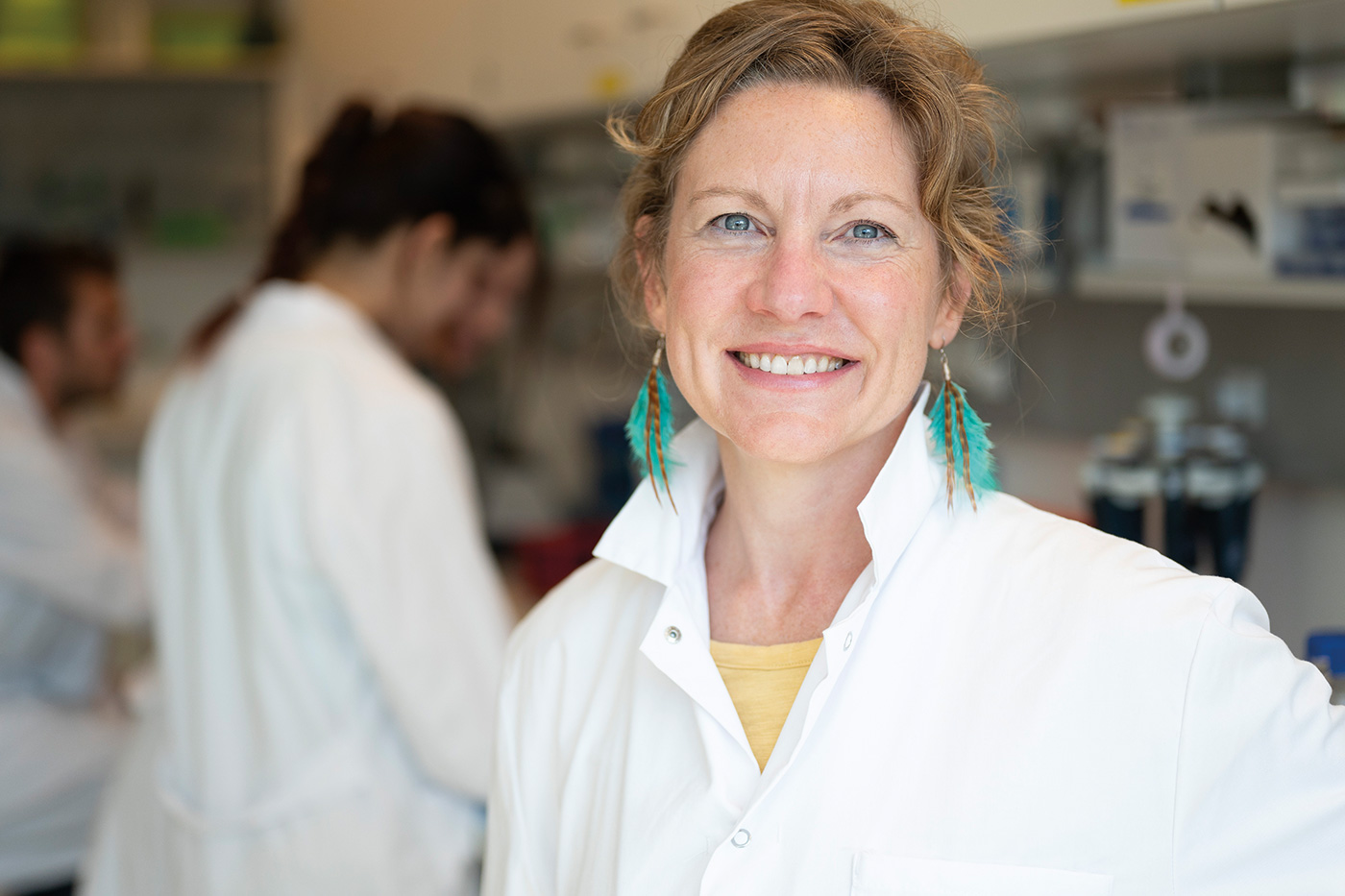
BioCraft CEO Shannon Falconer founded her company in 2016. When BioCraft began making animal cell–cultured ingredients specifically for pet food manufacturers, it turned to mice. Mice are, after all, a cat-preferred animal source omitted from commercial cat foods, Falconer says.
Falconer combines a lifelong love of animals with her PhD expertise in biochemistry. A former postdoctoral scientist at Stanford University, she left academia to work toward removing animals from the supply chain.
She initially intended to focus on human foods. Later, she realized that BioCraft’s ingredients could reduce the number of animals slaughtered for food while also providing a healthier, safer, and more functional option for cats and dogs.
Cats evolved eating mice, small birds, and insects. Pet foods typically lack these ingredients because the human diet does, too. “Serving the pet food industry is a side stream for the animal agriculture industry, where as much as 50% of an animal is not consumed by humans and is instead shunted to pet food,” Falconer observes.
The scientific community’s extensive research on mice had yielded a mass of biological insights that BioCraft could use. The mice who provided their cells to BioCraft, Falconer notes, “ended up living long, full lives as pets of one of our scientists.”
BioCraft uses artificial intelligence to more efficiently and economically understand the complexities of cellular biology for product development. “Leveraging the computer brain to guide us has enabled BioCraft to develop more informed, stronger hypotheses, which in turn enables us to both perform fewer experiments and to maximize our chances of success,” Falconer says.
The company had at first underestimated the interest of pet food manufacturers in its ingredients. Within a few years, BioCraft began to partner with pet food manufacturers that had the consumer bases that would allow them “to move massive volumes of our ingredient,” she says.
European Union authorities have granted BioCraft the required legal registration to begin selling its animal cell-cultured ingredients to EU pet food producers. There is, however, no premarket approval process for these ingredients. Instead, the EU grants approval or registration to the facilities producing these animal byproducts.
Even before applying for registration, BioCraft spent nearly three years verifying the safety of its ingredients through rigorous testing and analysis. The effort included third-party studies confirming that BioCraft’s product was free of various undesired substances, including genetically modified organisms and pathogens.
The company also had more than 100 nutrients profiled and compared to the meat slurry traditionally used in pet foods. BioCraft’s nutritional profile reveals an amino acid profile rivaling that of traditional chicken slurry, and a better omega-6/omega-3 fatty acid ratio than conventional meat.
The Better Meat Company’s Shapiro has fed Eddie, his gray pit bull, a variety of dog foods, including conventional, plant-based (Wild Earth), and black soldier fly larva (Jiminy’s) dog foods.
“He is interested in eating protein,” Shapiro says. “I didn’t tell him he was eating insects, and he certainly didn’t seem to mind.”ft
Startups at IFT FIRST
Up to 100 emerging food and food-tech companies will showcase products and technologies in the Startup Pavilion at the IFT FIRST Annual Event and Expo July 13–16 at Chicago’s McCormick Place. Don’t miss this opportunity to see the future of food system entrepreneurship.
Hero Image: Photo courtesy of Meatly
Authors
-
Steve Koppes Writer and Editor
Is a writer and editor whose areas of specialization include science and technology (stevekoppes@icloud.com).
Categories
-
Food Categories
-
Pet Food
-
Cultured Meat
-
Innovation
-
Meat and Poultry
-
Novel Technologies
-
Food Technology Magazine


